Different Types of Surf Breaks | A Comprehensive Guide

types of surf breaks

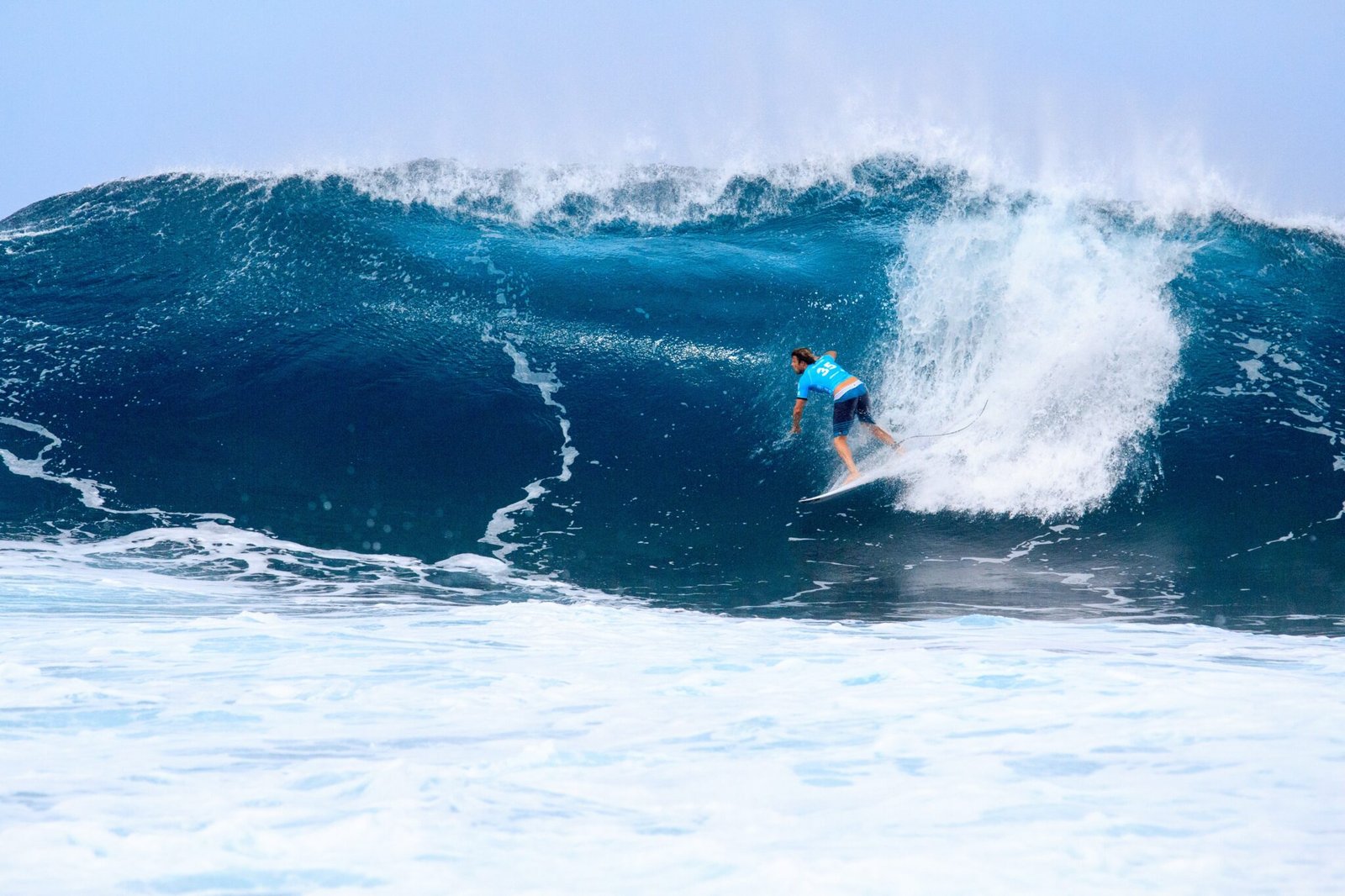
Surfing allows you to be in a deep relationship with the ocean and the land that meets up with the sea. This relationship makes you understand that no two waves are alike and how the same goes for how every wave is produced. Looking from a distance, it might seem like the waves all behave and are formed the same. But, looking a little closer and going in and under the surface, you will understand how waves come to be a few different ways. Surf breaks are permanent obstruction that causes waves to break. This obstruction forms barreling waves or other waves that can be surfed before it sooner or later collapses. This article introduces you to the different types of surf breaks and what makes each one unique. Types of Surf Breaks Explained There are about a dozen different types of surf breaks. Some are permanent, and some are semi-permanent. But, in surfing, three main types produce the style of wave that riders can surf on. These three surf breaks are what we’ll break down in this guide. The Beach Break A beach break comes to pass where waves break on a usually sandy bed. One of the perfect examples of a beach break is the classic Hossegor Beach in southern France. This spot is famous for waves of up to 20ft. This surf spot where waves break over sand is the most common lineup for surfers. It delivers mellow waves for beginners to learn to surf while offering powerful waves and pounding shore breaks for advanced riders. A beach break’s peak continuously moves from one week to another as the sandbars shift around the ocean floor. This movement happens from one side to another, causing an effect on the currents, swells, and tides. This shifting causes the constant change of waves. One day you could be surfing perfect peeling lefts, and the next day be surfing close-out waves in the exact same spot. Today, the surf break could be in one place, and in two days, it could be a hundred yards down the shoreline. Paddling out on a beach break is usually more challenging as there isn’t always a clearly defined channel through which waves are not breaking. This is the same when trying to figure out where to sit in the lineup. On the other hand, this type of surf break is safer than others because the sand bottom sits relatively a minor threat, and rip currents are less predictable and often more substantial. These are often considered softer options than their rock-bottomed counterparts. It can be rare to find a beach break that offers very long rides. This is why they are often characterized as average waves and closeouts when in reality, they can be excellent for both beginners and advanced riders. 10 Best Beach Breaks Black’s Beach (San Diego, CA) Hossegor (Hossegor, France) Puerto Escondido (Mexico) Ocean Beach (San Francisco, CA) Martha Lavinia (Australia) Fernando de Noronha (Brazil) Outer Banks (North Carolina) Bay of Plenty (New Zealand) Supertubos (Peniche, Portugal) Duranbah (Tweed Heads, Australia) The Point Break The place where waves hit a point of land or rocks jutting out from the coastline is the point break. This type of surf break was named after the Swayze/Reeves film entitled “Point Break.” One of the most famous examples of point breaks is Bells Beach in Australia. What makes it a point break? A point break is a phenomenon. It is when lines of swell hit a stretch of land at a sloping or even oblique angle. This breaks along and around the ground instead of directly towards it. This makes them more likely to form alongside a headland, then break over sand or rock. The good thing about it is that its resultant waves generally peel for far longer than the other types of surf breaks like a beach break. The long and racy rides it offers are best for advanced riders but aren’t advisable for first-timers and beginners. Paddling out at a point break is pretty easy as you can always move around the breaking wave. Also, point breaks usually have only one take-off point and travel in one direction. This means that you may have to get in line and wait your turn to catch a wave. Quality over quantity is what point breaks are all about since the length of the waves makes it worth all the paddling. So much that intermediate and advanced surfers prefer point breaks as they can be great places for riders to perfect tricks and improve style. This type of surf break is also a test of a surfer’s ability to “read” a wave’s pace, including how to link numerous turns together with the proper flow and precision. Pro surfers Fanning and Parkinson reared on the long right-handers of Australia’s Gold Coast, making them point break virtuosos. There aren’t a lot of high-quality point breaks in the UK and Ireland regions. But, there are certainly a few ones worth traveling to outside of their territories. 10 Best Point Breaks Jeffrey’s Bay (South Africa) Kandooma (Maldives) Burleigh Heads & The Superbank (Gold Coast, Australia) Scorpion Bay (Baja California, Mexico) Oaxaca (Mexico) Chicama (Peru) Rincon and Malibu (California) Mundaka (Spain) Lafitenia (St. Jean de Luz, France) Ribeira d’Ilhas (Ericeira, Portugal) The Reef Break The Cloudbreak in Fiji and Jaws in Maui are the perfect examples of reef breaks. As the name suggests, this type of surf break happens when a wave breaks over a coral reef or a rocky seabed. It may occur close to the shore or well offshore from the shoreline. The reef break is often seen as the most demanding break since they are incredibly shallow and may cause unpredictable consequences. Moreover, they are common in tropical surf destinations and often deliver reef passes or deep channels for safe paddling out. This type of surf break usually pumps perfect barreling waves that break in the same spot. Unlike beach break, reef break is not in … Read more

Charlie Don’t Surf Meaning (Apocalypse Now)

charlie dont surf meaning

You’ve probably seen the infamous Charles Manson t-shirt with ‘Charlie Don’t Surf’ written at its back or heard of The Clash’s cult classic song of the same title. It’s a phrase that’s inspired countless art, songs, and multimedia references, and has created a huge impact in surfing culture, not only in America but also in Southeast Asia.  But where did this statement really come from, and what’s the meaning behind this iconic phrase?  “Charlie Don’t Surf” is an iconic line from the 1979 war film ‘Apocalypse Now’ — a movie that retells the novel ‘Heart of Darkness’ by Polish writer Joseph Conrad.  Written by John Milius and directed by Francis Ford Coppola, this film tackles about America’s sanguinity, as well as the realities and brutalities of the Vietnam war. ‘Apocalypse Now’ — The Film Where It All Started Viet Cong is the armed communist revolutionary group of North Vietnam, who fought with South Vietnam and troops of the United States during the Vietnam war. Since Viet Cong has the initials of VC as in Victor-Charlie in the NATO phonetic alphabet, the American soldiers also referred to them as ‘Charlie’.  In the movie, “Charlie Don’t Surf!” was said by the lieutenant colonel, William “Bill” Kilgore. He was a good commander according to his men, albeit he sometimes go overboard with his decisions as a surfing afficionado.  A member of his troop, Lance B. Johnson, is a professional surfer who’s also infamous for taking drugs. Perhaps it’s because of overconfidence or impulse, Kilgore instructed one of his officers to get his surfboard because he wanted Lance to surf in Charlie’s Point — a beach that stretches for miles with peaks reaching six feet and good surf breaks all year round.  The problem is, they have to take out a Vietnamese military installation there before they can get to Charlie’s Point. This means engaging in a dangerous battle with a ground they can’t even hold for a long time. For this reason, one of the soldiers said, “Well, I mean it’s pretty hairy in there. It’s Charlie’s Point!” “Charlie don’t surf!”, replied Kilgore. After the helicopter attack of the village where the Viet Cong’s military camp is, Kilgore then ordered Lance and his men to surf the waves, saying, “If I say it’s safe to surf this beach, it’s safe to surf this beach. I’m not afraid to surf this place. I’ll surf this f*ckin’ place.”  The Meaning Behind the Famous Line “Charlie Don’t Surf” doesn’t only imply that the Viet Cong don’t surf, as it goes much deeper than that. When Kilgore shouted this in reply to his officer, he also indirectly hinted that they’re going to take their waves, whatever the means could be.  According to the film’s writer, Millius, the inspiration for the famous line is the Israeli prime minister Ariel Sharon, who after winning the war in Aqaba, went spearfishing and said to one of his crews, “Now, we’re eating their fish”. This line mirrored the “Charlie Don’t Surf” statement in which both of them implied that they’ve conquered the enemy’s ground, and now they’re going to take what’s not theirs as an added insult to the injury. America’s Surfing Culture during the 1970s Surfing, sooner or later, will find its way to ‘Apocalypse Now’ as per Millius. This is because during the seventies, the Californian culture was strongly influencing the world — from the hippies to the nirvana, and surfing to rock and roll.  In the movie, teenage soldiers led the battle in the Vietnam war. It’s a representation of how the Californian culture and power are taking over and assaulting the Asian culture. From how they were hopping down the helicopter and putting flame jobs in their gun pods, mindlessly shooting over the line of napalm trees of the village, to how they surfed the waves after they’ve taken over the local’s land.  After the filming of the movie, Milius retells the story of how some of the actors suffered depression and post-traumatic stress disorders, which is similar to what the Vietnamese veterans suffered when they came back from the actual war. Offscreen Legacy ‘Apocalypse Now’ is a film that shows the savagery and the truth behind civilization; hence why it’s one of the most famous movies of all time. In an interview with Rolling Stone, John was asked about how the viewers and the Vietnamese veterans reacted to the premiere showing of his movie. In which he said,  “When the lights came up, I looked around and saw that people were sitting transfixed. Vietnam vets were there, too, weeping. I was stunned by how good the film was and what Francis had done. I was proud.” Shooting Locations The movie, ‘Apocalypse Now’, gained no support from the US Department of Defense because of its anti-Vietnam theme; therefore the movie was not filmed in Vietnam, as the war was still ongoing there.  Instead, the war movie was filmed in the Philippines, where the current president of that country during that time, Ferdinand Marcos, lent the production crew the helicopters and gunships they needed. Some of the beach surfing scenes were filmed in Baler Bay, which is located in the northeastern part of the Philippines.  During the film shooting, the locals observed the actors and how surfing worked, so when the production crew left their surfboards after filming, the children took over the boards and used them to surf. Today, Baler is one of the surfing attractions of the Philippines, and it’s also hailed as the ‘Surfing Capital’ of the country.  Aside from Baler, the movie was also filmed in other beach locations such as Manhattan Beach Pier, Hermosa Beach, Cannon Beach, Waimea Bay in Hawai’i, and Lake Powell in Utah.  Art and Culture The iconic line “Charlie Don’t Surf” didn’t just add an additional flare to the surfing culture, it also became an inspiration for songs, game themes, and art pieces. The following are just some examples:  A 1980 hit song, ‘Charlie Don’t Surf’ by The … Read more

Kelly Slater’s Surf Ranch – Perfect Waves

Kelly Slater's Surf Ranch

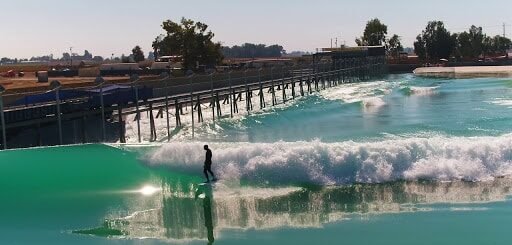
“Kelly has created a quintessential, perfect wave. And, to be able to get that over and over again is really going to push the envelope for surfing like it’s never been pushed before.” – Gerry Lopez Kelly Slater only dreamt about a surf ranch. He had it in his thoughts, with all the concepts carefully planned and executed in his mind. Finally, in 2015, the ten-year experiment to create the perfect inland wave happened. Kelly Slater’s Surf Ranch opened the doors of fully functional artificial waves for anyone who wishes to ride a hundred miles of perfect waves. Still, many people ask – how are these magnificent waves formed? Are they rideable? Is it worth it? This article will take a deeper look at Kelly Slater’s Surf Ranch, and we’ll let you decide for yourself. The Kelly Slater Wave Company and the Surf Ranch One of the most famous man-made waves in the world, Kelly Slater’s Surf Ranch, was ten years in the making. The project transformed an abandoned waterski park in Lemoore, California, into an upscale surf ranch. His team at the Kelly Slater Wave Co combined cutting-edge science, engineering, and design to develop the most extended and rideable open-barrel artificial wave in the world. What’s best about this “freak of technology” is that it is powered entirely by solar. The team partnered with PG&E’s (Pacific Gas and Electric) Solar Choice Program that lets clients go 100% solar without installing any solar panel. This technology allowed Kelly Slater’s Surf Ranch to pioneer wave technology that supports sustainable power initiatives. Kelly Slater’s Surf Ranch: How It Works The first thing you need to understand is how the technology used in Kelly Slater’s Surf Ranch is far different from those used in wave pools. Unlike Waco Pool’s Perfect Swell Technology that creates three different wave sets, Surf Ranch gives you a single long open-barrel ride. What the Surf Ranch can compare with is the Wavegarden’s Lagoon and Surf Poel in The Hague. Its system uses a simple plow design where a specially designed submerged foil is pulled down a straight track at high and low velocity. This pulling motion displaces the water to create a wave that breaks along the wave pool’s specially designed bathymetry or depth of the pool. The large and noisy machine gets adjustments that temper the speed of the plow that affects the wave’s steepness and size. What makes it different from the Wavegarden’s Lagoon is how the wave only plows a rideable swell on one side of the track. Yet, the Surf Ranch is bi-directional, and it goes in one direction to create lefts and the other direction to create rights. The Surf Ranch’s pool is 700 meters long and 150 meters wide. It clocks in at 45 seconds, making it the longest of any of the world’s wave pools ever. It generates a wave that ranges from 3 to 6 feet about every two minutes. Then, it takes roughly 3 to 4 minutes for the water to calm between waves. How To Get In? The Surf Ranch is still limited, mainly for regular surfers. You can’t show up at the Ranch without any confirmed booking. But, if you get in, there are three ways to surf the pool as an everyday surfer: VIP experience Hiring the Surf Ranch for the day Friends and Family Day The VIP Experience includes accommodation, merchandise, access to concerts, catering, and two 1-hour surf sessions on the wave pool with all the equipment you need. This all-inclusive deal costs $5,499 and a $182 booking fee. Note that there is no guarantee that you will be the only VIP throughout the day. Thus, you might end up sharing the 1-hr session with other visitors. The Surf Ranch, if rented for the day, will cost you $50,000 during peak season. Off-season costs are at $35,000. While this option is open to everyday surfers, understand that this price tag could be for groups composed of team riders for a brand, national teams, or training camps. That’s roughly $415 per wave during high season and $290 during low season! The costs can be a little intimidating, but you can still surf at the Surf Ranch on special occasions. Kelly Slater, after all, has a good heart and lets staff’s family and friends try out the wave. If you know the right people, you can definitely get in. Facts and Figures About Kelly Slater’s Surf Ranch This wave pool location 200 miles from the coast and surrounded by dairy farms holds many facts you will find interesting. Here are some of them. Kelly Slater was 14 years old when he first experienced riding in an artificial lake. It was a surfing demo he and his brother Sean made in a small surf pool in Texas. It was 2006 when he met up with the British amateur surfer and aerospace engineer Adam Fincham. Adam specialized in geophysical fluid dynamics. He, later on, became the head scientist of Kelly Slater Wave Company. One of the potential names for the Surf Ranch was “Kelly Slater Surf Experience.” The prototype was unveiled in 2015. It pumped 45-second barreling waves. The lake’s contours were designed and perfected with the aid of advanced supercomputers. “The Vehicle,” the 100-ton hydrofoils run down a track with the help of more than 150 truck tires. It goes 18 miles per hour. The Surf Ranch’s depth that reaches 6.5 feet can be adjusted to fit beginner, intermediate, and advanced surfers. The World Surf League bought a significant stake in the Kelly Slater Wave Company in 2016. This move paved the way to the Surf Ranch Pro (later renamed Freshwater Pro), a professional surfing competition held annually at the Surf Ranch. The Surf Ranch address is 18556 Jackson Ave, Lemoore, CA 93245. By 2026, the Surf Ranch will be more than what it is today. It will be a 155-acre structure with an additional public wave pool and various support facilities. The Surf Ranch took … Read more

The Shaka Sign | Surfing’s Famous Hand Gesture

Kitesurfing man on a wave looking up at his kite and throwing a shakka!

It is every famous surfer’s hand gesture – the unmistakable pinky and thumb salute. The famous Shaka sign… but what does the shaka sign mean? The Hawaiian Shaka Sign The famous greeting flashed by surfers and Hawaiian natives, the Shaka sign has been well-adopted by people worldwide. You might even remember that one group picture you had when you were younger when you raised your fist and bent your three middle fingers. While the Shaka sign’s popularity is undisputed, many are still unaware of what it means and where it originated. If you are one of the many who are still clueless, this article will take you back in time to know more about this famous hand gesture. What Does the Shaka Sign Mean? The pinky and thumb salute can mean different things all at once. It can be “Right on,” “Thank you,” “Everything’s great,” or “Take it easy.” But, its most certain meaning is to “hang loose.” Yes, the Shaka sign expresses all these friendly messages and more. How to Do the Shaka Sign? A kamaaina knows that the right Shaka sign is one where the three middle fingers are curled up while the thumb and the pinky finger are extended. But, it doesn’t stop there. You raise your fist by chest level, knuckles facing out. For emphasis, you can quickly turn your hand back and forth, of course, while smiling. Where Did Shaka Sign Originate? Local lore credits the Shaka sign to Hamana Kalili of Laie. Hamana Kalili worked at a sugar mill where his job as a presser needed him to feed the cane through the rollers to squeeze out its juice. One day, his hand got caught in the rollers, and his three middle fingers – index, middle, and ring were left crushed. After the incident, Kalili got a new job as the security officer for the train that used to run between Sunset Beach and Kaaawa. His new job includes keeping kids from jumping on the train and taking joyrides while approaching and departing the train station. In his attempt to warn kids to stay away, Kalili waves his hands with three missing middle fingers while yelling. The kids adopted the strange-looking warning and later became a signal to let other kids know Kalili was not around or wasn’t looking. Another belief relates the origin of the shaka to the Spanish immigrants who bent their middle fingers and took their thumbs to their lips to gesture sharing of drink with the natives. Check out this lovely video that gives a brief history of the modern Shaka and its creative variations.   But, Why Is It Called “Shaka?” The term “Shaka” came not from Kalili’s story but a popular television advertisement in the 1960s. Lippy Espinda, a car salesman, used this hand gesture along with a catchphrase that he claimed he taught himself – “Shaka Bradah!” Later on, it spread among the locals, and the rest is history. Conclusion The Shaka sign is more than just a wave or a thumbs up. This hand gesture is a symbol of the Aloha Spirit, which brings together the mind and spirit to think and display good feelings to others. Saying “Aloha” or giving out the Shaka sign means mutual regard and affection for the other person. It is a respectful (and cool) sign of respect and mutual understanding. Related Resources Surfing Etiquette A Beginner’s Guide to Surfing Best Surfing Tips for Beginners Are Surfboard Protection Plans the New Wave? What To Wear Under A Wetsuit LukeLuke is an avid athlete and the driving force behind Surfhungry, a vibrant online platform dedicated to sharing the joy and passion of surfing and water sports with enthusiasts around the world. With a deep-rooted love for the ocean and a lifelong commitment to riding waves, Luke’s journey as a surfer has inspired him to create a community where like-minded individuals can come together to celebrate their shared passion.

Top 10 Best Surfboards for Intermediate Surfers

best surfboards for intermediate surfers

Before deciding to buy the best surfboards for intermediate surfers, you should be asking yourself: Am I an intermediate surfer? Go and pick a more experienced surfer who’ll watch you surfing and let him/her observe how your surf level is. This is an excellent way to be more confident in buying the most suitable surfboard that’ll match your skills. Moreover, intermediate surfers are the ones who can paddle out alone while remaining stable on board. They’re already familiar with the wave movements and can move with them. Going beyond the whitewater is typically where an intermediate surfer wants to surf. So, we ask you again, are you an intermediate surfer? Well, this post will only mention surfboards best for intermediate surfers. We include all types of surfboards to fit your needs: fish, wake surf, foam/soft top, fiberglass, and the classic longboard! The Top 10 Best Surfboards for Intermediate Surfers Read through all the boards before making a choice. Let’s get it started! South Bay Board Co. Soft Top Surfboard North Gear Ocean Beach Foamie Surfing Thruster Surfboard BIC Sport DURA-TEC Surfboard Wavestorm 8′ Classic Surfboard Wave Bandit Shred Sled 48” Twin Surfboard BIC Sport G-Board EVO Soft Surfboard StormBlade Longboard Surfboard South Bay Board Co. Tortuga Longboard Grande Juguete 6′ Surfboard Wave Bandit Ben Gravy Performer Surfboard 1. South Bay Board Co. Soft Top Surfboard If you’re an intermediate surfer, perhaps the South Bay Board Co lineup of soft-top surfboards is right for you. These surfboards are for the casual surfer. It is an all-inclusive package that comes with surfboard fins, fin screws, a leash plug crew, and a surfboard leash. You can return the product within 30 days if you aren’t satisfied with its performance. These surfboard series include three models such as the 7′ Ruccus, 8′ Verve, and 8’8 Heritage Surfboard. Ruccus surfboard is ideal for kids as well as for experienced surfers weighing up to 170 pounds. The other models are suitable for older kids and adults who can perform faster paddling. The weight capacity is 200 and 230 pounds, respectively. Its top deck is built with IXPE foam resulting in croc skin texture for better balance and control. The diamond weave slick HDPE on the bottom section enhances your surfing speed for a more thrilling ride. 2. North Gear Ocean Beach Foamie Surfing Thruster Surfboard Are you looking for a cheaper surfboard that can satisfy your surfing level? This 6-foot Ocean Beach Foamie Surfing Thruster Surfboard might be the most low-priced board on the list. Each part of the board is carefully inspected to ensure its quality. A quality product within your budget is indeed possible with North Gear. Due to the careful assembly done by the company, the board became robust and resilient to ocean waves. Its deck, core, and hard-slick bottom are designed with expanded polyethylene, expanded polystyrene, and polypropylene, accordingly. Therefore, the board isn’t just sturdy but also durable that could last for years of surfing. Also, it is a cost-effective product. It freely includes removable fins, a leash, and a traction pad for a more enjoyable surfing experience than ever before. The maximum weight it can carry is 100 kilograms. 3. BIC Sport DURA-TEC Surfboard Are you familiar with the BIC ballpoint pen? BIC brand is now entering sports marketing; thus they’re producing surfing products for quite some time. The fact is, year after year, BIC is one of the manufacturers of surfboards that creates the best-shaped boards around the globe. BIC Sport DURA-TEC Surfboard is suitable for both learners and intermediate surfers because of its shape design. Additionally, it is the top choice under the BIC Sports brand. BIC Sport DURA-TEC is in a collective form meaning there are many surfboard models under the series. It includes 5’10 Fish, 6’7 Shortboard, 7’3 Mini Malibu, 8’4 Egg, and 9’4 Magnum. And other models such as the Mini Nose Rider and Natural Surf 2. These boards have nearly the same features to offer. They’re all made of high-density core foam and an outer polyethylene shell for the easy wave-riding experience. Further, board construction is also bulletproof. For added control and comfort, there’s now an integrated 3D traction pad. Other accessories included are a thruster tri-fin setup and inside foil technology. 4. Wavestorm 8′ Classic Surfboard This is another surfboard product made by Wavestorm. It is almost the same as the Brushed Graphic Longboard aside from its UV-resistant design. Its colorful stripes design will not quickly fade even though UV rays frequently strike it. That’s why everyone likes the board because of its upkeep appearance. Thanks to Graphic Film Technology for making this possible. Those who are starting to learn how to surf can depend on this board because of its lightweight construction. It is incredible because you can jump on using an intermediate level surfboard during the training so that no more considerable adjustments to be done to the actual competition. There’s a removable ankle leash in case you want to show more daring surfing exhibitions. Or, in other words, remove the leash when you feel your surfing skill is leveling up. It is made of HDPE material which adds stability and durability to the entire board while surfing. Going through stronger waves is never a challenge with Wavestorm Classic Surfboard. The board can be conveniently held as it is equipped with durable extruded polystyrene and a three marine-ply stringers system. Are you a bit clumsy? The EBS cross-link located on the deck and rails can handle your clumsiness and enhances your stability. 5. Wave Bandit Shred Sled 48” Twin Surfboard When we say California, the first thing that enters our mind is the best surfers in the world. Look around that beautiful city, and you’ll find surfers all day long. With that factor, we can conclude that the best surfboards are also produced in the said country. Well, we are correct as Wave Bandit Shred Sled 48 Twin Surfboard is designed in California. Surfing on smaller waves is where this board … Read more

Top 10 Best Surfboard Travel Bags

best surfboard travel bags

Surfing has been THE beach sport for as long as anybody could remember. But when you start to love pursuing the life of surfing on beaches, it is necessary to start looking for the best surfboard travel bags in the market. The surfboard travel bag is a must-have carrier in the world of surfing, and it is essential to order an appropriate bag for your board.    Of all the surfboard travel bags available in today’s market, we’ve selected the most reviewed and picked surfboard travel bags online. Check it all out to find which bag suits your needs. Let’s get it started! Curve New Supermodel Longboard Travel Bag Wave Tribe Eco Surfboard Travel Bag Pro-Lite Smuggler Surfboard Travel Bag SurfStow SUP Deluxe Transport Board Travel Bag Dakine Regulator Triple Surfboard Travel Bag Channel Islands Travel Light CX2 Coffin Surfboard Travel Bag Ocean & Earth Double Travel Compact Shortboard Travel Bag Pro-Lite Travel Double – Longboard Bag Rhino South Bay Board Co. Premium Surfboard and Paddle Board Travel Bags Dakine Daylight Surf Thruster Travel Bag #1. Curve New Supermodel Longboard Travel Bag Do you have a surfboard that is up to 23.5-inches wide or categorized as a longboard? This Supermodel is not entitled to its name without proof. It fits exactly that surfboard size and still has allotted space for the other surf gear. The Curve Travel Bag is a lightweight bag with an adjustable and padded shoulder strap. The design provides comfort in carrying the bag throughout the surfing escapade. In addition to its sophisticated look are the reflective silvers on both sides for more visibility, especially at night. Size ranges are available in the middle of 7’6 to 26” wide. The surfboard bag isn’t compatible with Infinity Secret Weapon Boards due to its 4-inches thickness. The big tooth zipper with added Delrin slider is responsible for enclosing the bag with improved security. Wetsuits and other swimming gears can be stored in a pocket stash for easy access. It also includes Velcro close features with different appropriate sizes from 7’6 to 10.2′. Plus, you can easily carry the bag from place to place with its lightweight construction. Key Features #2. Wave Tribe Eco Surfboard Travel Bag One surfboard isn’t enough for the whole squad, and so you’ll need another piece of a surfboard to let everyone enjoy the waves. Wave Tribe created a travel bag that can contain up to two surfboards at once. The design is based on over ten years of research and development just to ensure the highest possible protection for the boards. Their bags are used by thousands of surfers from Bali and South Africa. The company applies rebound technology on its interior design such as the rebound foam dynamics with padded board separators. Additionally, the nose and tail sections have a 13mm foam insert. It has two sides, which are made of quality hemp that supports the green surfing movement. The Outside A is made of Rugged Eco Hemp with rebound foam dynamics, which acts as a high impact padding protection. Reflective Energy Shield works for protecting the surfboard from the direct sunlight. This travel bag is surrounded by an easy flow zip system made of nickel-plated zippers that never rust and break. The total padding construction is 25mm thick and so considered as the most padded surfboard bag in the industry. The bag can be held through a shoulder strap or carrying handle. And it has additional pockets for the other materials. Every size and shape of surfboards like hybrid and retro shapes fit on this travel bag. Key Features #3. Pro-Lite Smuggler Surfboard Travel Bag This surfboard travel bag might cost more than the previous bags, but it comes with high-performance in keeping not just one but three boards. One board is out of sight as the bag has a false bottom that hides the board even when the bag is wide open. It can store up to 24” wide surfboard. This feature saves you money as you don’t need to buy another travel bag for the other boards your friends or family might have. The bag is built with 10mm Air Lite Foam Protection and 600 Denier Poly top and bottom to secure the boards from scratch or breakage fully. The non-corrosive zipper is used so that it won’t be easily destroyed. Moreover, it has an exterior pocket to store wetsuits and other accessories. There’s an additional internal accessory pocket. It’s well-ventilated to keep the boards cool while being stored. The two-point entry system is built with this bag to insert the surfboards separately. The two boards will smoothly slide inside the bag because of its top zip flip-top opening feature on the tail of the bag. Another entry is on the tail of the bag, which is used to insert the third board. So in short, the boards are easy to get from the bag. There are two handle options, including molded rubber handles and a padded deluxe shoulder strap. Both give extra durability as three boards are contained within. The Surf Industry Manufacturers Association nominated this travel bag as a reasonably priced board bag because of its high-quality construction and reasonable price. Key Features #4. SurfStow SUP Deluxe Transport Board Travel Bag If you’re looking for a lightweight surfboard bag that’s heavily padded, look for no other than the SUP Deluxe Transport Board Bag by SurfStow. It makes traveling easy, whether through land or plane. The bag is simple in design with Velcro fin slots, hold-down straps, and luggage tags. It is enclosed by a large and molded noncorrosive zipper which assures the security of your board. We recommend this bag for standup paddleboards. Apart from the mainboard storage, there are extra interior and exterior pockets for the other stuff. The interior pockets are designed with drainage so that placing a wet board inside the bag will not cause any lingering smell. Besides, the board paddle has a place on the bag’s exterior pocket, where it will be fully … Read more

How Long Does It Take to Make A Surfboard?

How Long Does it Take to Make a Surfboard

The narrow planks we all know as surfboards – all riding up and down the ocean waves, withstanding the biggest and strongest splashes, weren’t made overnight. Otherwise, they would have broken at the first slap of water. Surfboards, one of the constantly evolving inventions since surfing became a thing, can be intimidating to make. But, with proper techniques and know-how, materials, and tools, it shouldn’t be so hard. The question is – how long does it take to make one? This article discusses how long it takes to make a surfboard and other surfboard-building topics, such as: What goes into making your own surfboard How much does it cost to make your own surfboard How long does it take to glass a surfboard What materials do you need to make a surfboard How Much Time Is Needed to Make a Surfboard? The most experienced surfboard shapers and makers would safely say a week or two for standard surfboards, six to eight weeks for custom boards, and eight to ten weeks for more complicated orders like glass-on and wooded fins. Surfboard shapers understand just how exciting it is to order a surfboard. It doesn’t matter if it is your first or a hundredth surfboard; you simply want to get the surfboard right away. But, shapers need enough time – from gathering materials, tracing, cutting, shaping, etc., In addition, they also have other orders to attend to. Thus the length of time they say they need. If you have the materials, a workshop large enough to make a surfboard, you can take it into your hands and perhaps cut the time significantly. Some of those who made their boards said they finished theirs in 7 to 10 days or sometimes less than that. To help you understand better, here’s a glimpse of a shaper’s schedule. First day (3 to 8 hours) Shaping blank Installing pre-glass fin boxes Second day (1 to 2 hours labor, 9 to 12 hours curing time) Laminating bottom and top Sealing coat top Third day (1-hour labor, 6 to 8 hours curing time) Hot coating bottom Installing post-glass fin boxes Fourth day (1 to 2 hours labor, 3 to 4 hours curing time) Installing leash plug Sanding top and bottom Fifth day (1 to 2 hours labor, 3 to 8 hours cure time) 2nd seal coating or gloss coating Final sanding or polishing What Goes Into Making Your Own Surfboard? Making your own surfboard can be intimidating. Partly because of the amount of time it takes for commercialized surfboard companies to finish one surfboard. But, what most people don’t realize is, making your own board even when it is outside your skill level shouldn’t be menacing. As long as you have the basic tools, you can do it! The first thing that you need to figure out when making your own surfboard is whether you are making it with your own surfboard blank or from scratch. If it is from scratch, you can prepare a block foam or buy a blank and skip the few steps to make the rough blank. These are what goes into making a surfboard from Styrofoam or epoxy resin, which is pretty similar to the traditional polyurethane surfboard or polyester resin surfboard making. Deciding on the surfboard’s design Making a stringer Gluing a stringer between block foams Removing bulk foam from the block foam Rough shaping the blank Cutting out the rough shape of the surfboard Shaping the blank Doing the artworks Fiberglassing or lamination Hot-coating Sanding the hot coat Gloss-coating Sand gloss-coating Polishing SURFING!!! Here’s to give you a better understanding of the terms mentioned: Blank – a rough piece of foam or the pre-shaped block used to make surfboards Stringer – a thin strip of wood that runs from nose to tail and extends down the center of the foam blank. This adds stiffness and rigidity to the surfboard Glassing or laminating – the second or third step in modern-day surfboard shaping where the shaper applies the fiberglass to the surfboard using either polyester or epoxy resin Hot coat – coat of resin smeared over the glassed surfboard Gloss coat – coat of resin applied across the sanded hot coat How Much Does it Cost to Make Your Own Surfboard? It will likely cost you around $200 to $300 to make your surfboard. First, the tools you need are estimated at $150. This price includes tools and supplies such as: Sander Handsaw Face mask/respirator Planer 6oz fiberglass cloth (at least 6 yards depending on the size of the board) Epoxy resin and hardener Spreaders and squeegees Fin system and fin boxes Masking tape Leash plug Black pigment Latex gloves Paintbrushes Measuring buckets Stir sticks A foam blank is what you initially need. These blanks usually cost anywhere between $70 to $140, depending on the size you plan to build. To save yourself time, look for blanks that have a built-in rocker. After all, you are not paying yourself in shaping the board, and labor usually costs around $27.16 per hour. How Long Does it Take to Glass a Surfboard? Surfboard glassing requires fewer labor hours than other significant steps in making a surfboard. It isn’t the process that takes time but waiting for the resin to cure. Generally, it takes about 4 hours for the resin to cure enough to flip the board to glass its other side. Take note that epoxy is slower in colder temperatures and quicker in warmer temperatures. You may want to plan the whole day in glassing, laminating, and sealing coats on both sides of the surfboard. Conclusion One of the most rewarding feelings in riding the waves is knowing that the stick you are riding is the one you made. It is you you are shredding the waves with. It is your personality on the surfboard. We would all want the boards we make perfect, but it’s still the best as long as they’re rideable. FAQs (Frequently Asked Questions) Q: What to consider in … Read more

Top 10 Best Surfing Video Games | (Pro Surfer, True Surf)

Best surfing video games

With the pandemic putting a halt to some of the activities we love — traveling, social gatherings, and sports events — surfers find ways to experience surfing in other forms. And the closest thing they can get to riding the waves without actually leaving their homes?  Video games!  If you’re looking for cool surf games to kill time with, you’re in luck! In this post, we’ll take a trip back to memory lane and look back at the best surfing video games ever released. Some of them are games we used to play as teenagers, while others have more modern simulations that perfectly show how far technology has come since then. Let’s start!  Why are there only a few surfing video games? Surfing is one of the most exhilarating and extreme water sports, but when it comes to gaming, this genre doesn’t sell out much. In the history of surfing video games, not more than 20 titles were released, with only one or two games being developed every few years.  Sure, this sport is well-liked by a lot of people. But the truth is, it’s more fun to surf in the actual water than having to do it virtually — a reason behind surfing games’ lack of appeal. The limited niche also leads to underselling video games, hence why developers choose to move on with other genres instead.  Another reason is the complexity of the game’s development. The animation and simulation of movements, especially the water dynamics, are extremely challenging to digitize. For this reason, developers tend to avoid creating these games.  Top 10 Best Surfing Video Games Although the choices are limited, we’ve compiled the most popular surfing games for surfers (and non-surfers) of all ages. Here they are in no particular order.  Kelly Slater’s Pro Surfer Transworld Surf Sunny Garcia Surfing Championship Surfer California Games Town & Country Surf Designs: Wood and Water Rage Surf Riders Surf World Series True Surf Surf’s Up #1: Kelly Slater’s Pro Surfer The early 2000s can be considered as the peak of surfing video games, and possibly the most popular, if not best during that era, was Kelly Slater’s Pro Surfer. Although it’s not as promoted as other games, Pro Surfer was endorsed by well-known riders like Bruce Irons, Tom Carroll, Lisa Andersen, Nathan Fletcher, and Kalani Robb. Back then, this game was the reason why groms would meet up in their friends’ houses after surfing sessions. Even teenagers who don’t know how to surf enjoyed Pro Surfer because it was a laidback game that could be played for hours on end.  Pro Surfer is a game developed by Neversoft — the same company that also produced Tony Hawk’s Pro Skater (a skateboarding game that also featured Kelly Slater as a shirtless and barefoot surfer). It was first released for Playstation 2 and was made available for Windows PC by 2003.  This game has an overall vibe that perfectly depicts the surfing lifestyle. The sound of the waves, the soft rock music playing in the background, Slater’s short video clips of his travels — it’s all about telling a story, and not just about gaining high scores.  But that doesn’t mean the game won’t keep you at the edge of your seat. Its controls will allow you to combine different tricks in the water. Like the coffin trick wherein the character lays down on the surfboard and watches the barrel tumbling down on him. It also comes with different playing modes, such as career, special events, and surf trips.  The game’s tutorial is located in an indoor pool (which, by the way, is a long way behind Slater’s Surf Ranch today). But the surf trip mode will take you to different hotspots like Tahiti, Spain, Teahupoo, South Africa, Hawaii, and Trestles.  #2: Transworld Surf  Pro Surfer may be endorsed by some of the greatest riders of all time, but Transworld Surf practically put this game genre on the map. Released in 2002, Transworld Surf was developed by the company Namco Bandai for Xbox, Playstation 2, and Gamecube.  This game aimed to connect with kids from different coasts. To influence them how to surf, it featured tutorials and graphics with the most realistic waves the programmers were able to develop during that time.  Transworld Surf also featured real locations, like the famous Huntington Beach in California, Jeffreys Bay in South Africa, Fort Point, and Pipeline in North Shore. The game also includes real-life licensed surfers, such as Christian Fletcher, Tim Curran, Taylor Knox, Andy Irons, and Jason Collins.  Its various levels include multiplayer modes like ‘Shark Attack’, and ‘King of the Wave’, and bonus missions that feature “The Reef Girls. The cherry on top was the best surfing music that consist of 50 tracks to get you vibing.  Transworld Surf also features the ‘Karma Meter’, which sorts out your character’s actions. Bad surfing etiquettes like dropping in on other surfers, spraying people with your wake, or destroying marine life will get your player caught up in similarly bad situations such as being chased by a shark.  On the other hand, good actions will get you to surf in any of the ten surfing locations of the game. Your best moves will also be put on the cover of Transworld Surf magazine.  #3: Sunny Garcia Surfing Sunny Garcia Surfing features the career of Hawaiian surfer, Vincent Sennen “Sunny” Garcia. It was developed in 2001 by Krome Studios and was released for Playstation 2, Xbox, and Gamecube.  This game is one of the fan favorites because of the player’s movements and the setting’s nearly accurate dynamics. The wave motions when pumping are different when the character’s stalling, for instance, and it makes a huge difference to the overall gameplay itself.  Unlike other games on this list, Sunny Garcia Surfing doesn’t include a real surfing location. Instead, the developers created a made-up island located in the east of Fiji. The gameplay allows you to choose your surfing spot. Like if you want to surf in 2-foot … Read more

How to Become a Surf Instructor | Turn Your Passion Into a Career

How to Become a Surf Instructor

Becoming a surf instructor is a great choice if you want to turn your surfing passion into a professional career. This job will allow you to earn, while at the same time giving you the chance to travel to the best surfing locations in the world.  Teaching surfing means living in surf towns where you’ll get to meet and interact with different kinds of people who share the same stoke. It’s about being an inspiration to groms and beginner riders and loving to see how they develop and improve their skills. Are you up for this job? In this post, you’ll learn the basic requirements and qualifications of becoming a surf instructor. We’ll also share with you some tips when applying and the basic skills surf schools look for in their applicants.  What is a surf instructor? The primary role of a surf instructor is to introduce surfing to people who want to learn this water sport. Surf instructors must also be able to create a fun and engaging environment for their students.  Good surf instructors or coaches allow their students to expand their limits safely by monitoring them constantly and assisting in their surfing lessons. They should possess the basic skills needed for first-aids such as CPR in case of any unfortunate events like drowning. Surf Instructor’s Salary According to Glassdoor, the annual salary of a surf instructor in the United States is USD 58,036. However, this varies depending on the experience, the location, and the employer. In other parts of the world, specifically the ones in Southeast Asia, surf instructors are paid around USD 150 a month, including free food and accommodations.  If you’re looking for a higher wage, then you’ll need to apply somewhere in Australia, Europe, or America. But if you’re in it for fun and adventure, then go for the vibing exotic and tropical surf towns.  How to Become a Surf Instructor  Becoming a surf instructor is a dream job for a lot of people; however, not everyone can be one. It’s a lifestyle career choice wherein employments are seasonal, and you’ll have to travel to places that are often unfamiliar. Dedication to teaching is important, but surf instructors should also be able to endure this job’s physical demands. Like being under the sun’s heat or wearing a wetsuit that’s soaked in wettie warmer all day when the lesson’s pumping.  If you’re physically and mentally ready to take on this career, then take a look at the following requirements and qualifications of being a surf instructor.  Skill level assessment The question most people ask about surf instructor applications is — how well do you have to be at surfing before you can actually become an instructor? First, you should know that there are different levels of being a surf instructor.  Level 1 surf instructors don’t have to shred like Kelly Slater or rip the waves like Mick Fanning. Knowing the basics and being able how to properly surf in unbroken waves is enough to get you through the initial assessments of some surf schools.  Meanwhile, Level 2 instructors are the elite and club-level coaches that require intermediate surfing skills. They must be knowledgeable about video analysis, fitness improvement, and the long-term development of their clients.  If you’re aiming for a beginner surf instructor, most surf camps and schools will first evaluate your surfing skills such as:  How you take off when you’re at the peak of the wave and how you ride it for at least 1 to 1.5 meters; How you surf green waves, including how you trim both left and right; How you control your board when paddling out in high waves; How you paddle out back by duck diving or turtle rolling; How you perform basic top and bottom turns; How you maintain your position in the lineup; They may also test your level of understanding when it comes to surfing etiquette, such as not dropping in on someone and not bailing out on your board. Depending on the employer and position you’re applying for, these assessments shouldn’t take longer than an hour. After that, your qualifications will be reviewed.  Qualifications  A surf instructor is a professional, similar to how engineers and lawyers. Before you become one, you will need to acquire one or two certifications from any of the following programs:  ISA (International Surfing Association) ASI (Academy of Surfing Instructors) Surf Rescue Certificate Zero to Hero course International Surfing Association Over its 25 years of service, the ISA has certified over 10,500 surf instructors and coaches worldwide. Their ISA Coaching and Instructing Program Level 1 is the most popular course for aspiring surf instructors because this certification is internationally recognized — hence why it’s best taken if you plan to coach surfing in other countries.  This course includes learning basic classroom theories, first aid, CPR training, and drills, as well as physical and written assessments. You will also have to undergo 20 hours of supervised coaching or internship. This can be accomplished either by teaching at surf schools or camps or volunteering in surf clinics. Depending on certain conditions, this course lasts 7 up to 14 days.  Academy of Surfing Instructors Another internationally recognized certification you could acquire is the Level 1 Surfing Instructor course of the ASI. Similar to ISA, this one’s also available in various places all over the globe. If you want to check out the list of locations where you can enroll in this course, you can go to their website.  The ASI basic course includes theory and beach practicals like learning instruction and coaching methods, evaluating surf lessons, communication skills for the surf environment, as well as creating lesson plans. You will also be required to complete 25 hours of work or internship in a surf school recognized by the ASI.   Surf Rescue Certificate Being a lifeguard isn’t a requirement to becoming a surf instructor. The only important thing is you know the basic rescue operations and procedures.  That said, having the Surf Rescue Certificate, Surf … Read more

Most Famous Surf Gangs in the World (Updated)

Most Famous Surf Gangs

According to NOAA, the United States’ shoreline (including coastal states and other territories) is 95,471 miles long. Out of those are hundreds of public beaches. But sadly, only a few of them have sizeable waves that are perfect for surfing.  Because of this, local surfers can be territorial about their surf breaks. Surf gangs are norms in places where great waves are rare. Their members aren’t afraid to use fear and fists to intimidate tourists and surfers visiting their turf.  But surf gangs, apart from their notorious reputations, have an important role in the surfing culture. They maintain order and avoid overpopulation on local surf breaks. In this post, we’ll let you in on the other side of surfing that not a lot of people know of. The worlds of the most famous surf gangs are complicated and dangerous, but we’ll tell you everything you need to know about them.  What are surf gangs? Surfing isn’t all fun and games. It has a dark side, and surf gangs are right at the center of it. As a novice surfer, being caught up in their radar is something you don’t want to experience. A wrong wetsuit or kind of board may put you in a tough spot because these people will not think twice about resorting to verbal and physical threats just to intimidate you.  Surf gangs are the result of localism, or also known as the aggressiveness of locals towards the most crowded surfing spots. It started in Southern California in the 1960s wherein the locals were hostile and belligerent towards the surfers from San Fernando Valley. Over time, the natives formed their own groups consisting of all-local surfers. Their goal: to vandalize, intimidate, stir-up trouble, and incite violence to foreigners. If they don’t like you, they’d ask you to leave the beach even before you get to touch the waters, and if you cause trouble in the lineup, it’s possible that you get into a terrible ‘accident’. Surf gangs have caused gang wars, violence, and even death, but why are the local police not interfering with these crimes? It’s quite known that even the law enforcers fear them because they are known for taking acts of revenge and retributions.  Sure, non-locals view surf gangs as menacing and threatening, but to locals, these people are quite harmless.  The thing is, most gang fights occur because of overcrowded territories and disrespectful surfers. Surf gangs are there to act as reminders for tourists to behave on local beaches. They are there to protect and defend their beach towns and shores.  The Most Famous Surf Gangs in the World Da Hui a.k.a The Black Shorts The Da Hui of the North Shore, or also known as the “Club of Wave Riders” or the “Hui O He’e Nalu” in Hawaiian, sets the bar when it comes to surf gangs. They’re the original and are considered the most dangerous. And as per The Offspring’s song, “I won’t fuck with Da Hui. Because Da Hui will fuck with me.” This surf gang is founded by Eddie Rothman, Clyde Aikau, Bryan Amona, and Kawika Stant Sr. in 1976. Today, Da Hui consists of around 400 members. They’re known for their uniform surf attire that they’ve developed later on into their own clothing brand. Da Hui started as a club to see-through contests, but they turned out to be too aggressive to the non-native contestants. During that time, corporate businesses are slowly taking over the North Shore’s high-quality waves, and in the events being held, Hawaiians were being excluded. In order to protest, the Da Hui members paddled out the beach and refused to leave.  Because of Da Hui’s goal to preserve their beach breaks from outsiders, foreigners have always felt that they’re unwelcome on the North Shore. One incident that this surf gang is famous for is the Busting Down the Door Saga, wherein their members had beaten up an Australian surf team who disrespected their surf customs.  Although this group can be aggressive when they want to get their points across, Da Hui cares for their local community. They organize events, such as the Da Hui Easter egg hunt and the paddle racing that’s held every July 4th. Watch this video below to see how Da Hui has influenced the surfers on the North Shore. Bra Boys The Bra Boys is one of the most violent and notorious surf gangs in the world, with some of their members being charged with murder, assault, rape, and organized crimes among others. Founded in the 1990s, the Bra Boys was formed in the suburbs of Maroubra in Australia. They are known internationally because of the documentary the members themselves have written and directed — ‘Bra Boys: Blood is Thicker Than Water’. This docu-film features their history, from how they grew up in impoverished backgrounds and lived in public housing projects. It also features how their mutual love for surfing and community connections brought them all together.  The Bra Boys’ name came from Maroubra, and ‘bra’, which is slang for ‘brother’. Members of this gang are characterized by their chest tattoos that say, “My Brother’s Keeper”, and the postcode of Maroubra ‘2035’ written at their backs. They’re known for being territorial towards the Sydney reef break ‘Cape Solander’, which they also refer to as ‘Ours’.  The Bra Boys consist of North Maroubra surf riders, professional rugby players, and cage fighters. Among their most famous members are Reni Maitua, John Sutton, Vaculik, Evan Faulke, Mark Matthews, and the renowned Abberton brothers — Sunny, Jai, and Koby.  Koby Abberton is a talented, big-wave surfer who’s won quite an amount of awards in his career. His charm earned him a celebrity status that’s bumped elbows with other famous people like Paris Hilton and Russell Crowe.  However, like the other members, he’s also associated with crimes such as perverting the course of justice wherein he was jailed for it for nine months and assaulting an officer that cost him three days in jail. Meanwhile, his … Read more

Feed Your Stoke. Join the Surf Hungry Crew

Surf tips, gear reviews and travel guides straight to your inbox

"*" indicates required fields

Privacy*
This field is for validation purposes and should be left unchanged.