What Happened to Surfer Magazine? | The End of a Legacy
What Happened to Surfer Magazine

October 2, 2020 marked one of the darkest days in surfing history. Surfer — one of the most recognizable surf magazines in the world — went full circle as they announced that the last issue they published will be their last. As the ‘Bible of the Sport’ comes to its end, readers were left with a lot of questions and hearsays about the possible causes of its closure. Were there political issues involved, was it because of the pandemic — or was there more to it that we don’t know as of yet? In this article, we’ll help you understand what happened to Surfer Magazine. We’ll also talk about their humble roots, as well as relive their final days in the industry.  The History of Surfer Magazine For 60 years, Surfer Magazine has been the source of inspiration for many swell chasers and dreamers. It’s a piece of publication where you’ll find success stories of the best surfers around the globe, their pro- rankings, the latest designs of surfboards and surfer fashion, and photos of the best surfing spots with the gnarliest waves you could ever imagine. Inside its pages, people used to read stories of how Eddie Rothman helped take back Oahu for the Hawaiians, rare photos of Duke Kahanamoku riding Koa wood planks, what the Quasimoto stance is, and how thrusters were going to revolutionize surfing.  Teenagers used to bring their new editions to school and shared them with their friends as they all analyzed the different maneuvers and techniques shown inside its editorials. And when they finished reading them, they would cut off the photographs that indulge their surfer alter-egos and line them up inside their rooms’ walls.  Surfer isn’t just a magazine. It was a tradition for many people who grew up flipping through its pages. That’s why when the company announced its sudden closure, a lot of people were beyond disappointed. No warnings, no tell-tale signs. An era has ended, and it was only announced via an Instagram post by its former editor-in-chief, Todd Prodanovich. In the post, he says, “This is the last issue of @surfer_magazine. The whole staff got let go yesterday, but I feel like we’re ending on a high note with this one. Funny how you can work a job like this for 10 years and each issue is a completely new and different journey. I’ll really miss that part, and the mag in general, which ends on this issue after 60 years of publication.” How It Started “Before Surfer, there was no surf media and industry.”, says former executive director, Sam George. As the oldest and first-ever international print magazine dedicated to surfing culture, Surfer had a good run. For this reason, let’s take a little trip back to memory lane to commemorate how this iconic magazine came to be.  In 1960, a high school teacher and surf filmmaker named John Severson wanted to contradict the idea of how the movie, ‘Gidget’, portrayed surfers, so he created ‘The Surfer’, a booklet that he hoped will show the world a truer image of surfing culture.  The Surfer was also a way to promote Severson’s upcoming movie, Surf Fever. Its first edition consisted of 36 pages that included illustrations and some of his editorial in the standard format. Upon its release, thousands of surfers who wanted to get a copy lined up in the surfing stores of San Juan Capistrano, California.  During that time, surfers were looking for validation; hence, why The Surfer became an instant hit. Eventually, the booklet sold over 5,000 copies, and because of its success, Severson decided to continue publishing it quarterly.   The Surfer’s second issue was published in 1961. In order to make money, Severson started making editions with advertisements that include logos and arts. As soon as more companies were buying spaces for their ads, Severson was able to employ some of the best people in the business that helped him create more editorial content.  Eventually, The Surfer had Ron Stoner as its photographer, Rick Griffin as its cartoonist, Bev Morgan as its writer, and Drew Kampion as its editor. Meanwhile, Severson continued in making art and directing films.  By 1970, The Surfer had over 100,000 readers; however, Severson wasn’t into the businessman lifestyle so much as he felt he was slowly disconnecting from the surfer way of life that he wanted. The next year, he sold the rights of The Surfer to the company, For Better Living, Inc. wherein Steve Pezman became the editor for 20 years.  In 1991, Pezman left Surfer and created ‘The Surfer’s Journal’, and in 1998, For Better Living sold the Surfer. For many years, the magazine had undergone different mergers, and by the time it was sold to The Enthusiast Network, half of the Surfer magazine staff got laid off. But the show went on, and they continued publishing.  Finally, American Media (now A360 Media) bought Surfer. Not because A360 can be bothered with surfing, but because it sees the magazine as added space to put more advertisements. From then on, Surfer’s lifeline hung by a thread. Surfer Magazine’s Final Days As the closure of the Surfer magazine came abrupt, their readers predicted different reasons why it happened. A360 presented the suspended operations of Surfer as a temporary closure, but according to their staff, no actions are being taken to revive its operations. So what really went wrong? Stab magazine suggested before that perhaps politics could be a possible reason why Surfer has ended. A day prior to their closure, the Surfer staff created a post on their official Instagram account endorsing the United States presidential candidate Joe Biden and vice president Kamala Harris. But since A360’s CEO, David Pecker, supported Donald Trump as president back in 2016, Surfer’s post became an angle that’s worthy of controversy. Meanwhile, Prodanovich denied the allegation with his last post saying that Surfer’s closure wasn’t related in any way with the endorsement of Biden. Word on the street said that the staff already knew … Read more

Top 10 Best Surf Photographers

Best Surf Photographers

Photos take us back to the best surfing experiences we’ve had, the biggest barrels we’ve seen, and the most stunning places we’ve ever been to. They can be visual representations of our dreams or a reminder of the surfers we aspire to be. Looking at a photograph is one thing, but capturing it is a different story. When it comes to surf photography, the basic ‘point and shoot’ won’t cut it. Surf photographers dedicate their time and energy to capturing the most breathtaking photos worthy of being on the front cover of magazines. Out of the thousands of surf photographers in the world, who are the best ones that have caught your attention? Whose photos inspired you to surf the coasts of Hawaii, or perhaps discover the beauty of the black sand beaches in Iceland?  In this article, we’ve curated 10 of the best surf photographers in the world (in no particular order), along with their career journey and most notable achievements.  Top 10 Best Surf Photographers #1:  Leroy Grannis SIMA’s Lifetime Achievement Award (2002), #1 Lensman of International Surfing Hall of Fame (1966) The best of the best, we pay tribute to the ‘Godfather of Surf Photography’ — Leroy Grannis.  Leroy Grannis is a surf photographer veteran who’s well-known for capturing the essence of the beach and surf culture during the 1960s. Most of the popular photos from the golden age of surfing were taken by him, and a lot of them also appeared in multiple magazines such as Surfer, Reef, and Surfing Illustrated.  Having grown up in Hermosa Beach in California, Leroy has already learned the ways of surfing long before he became a photographer. He competed as a surfer and paddler in the ’30s, then started his photography career as an assistant photographer for surfing competitions shortly after. During his tenure, he realized that no matter how expensive a camera is, if the photographer isn’t a surfer, they won’t be able to produce good surf pictures.  Leroy’s photography style uses slow, low-contrast, and fine-grain film — which is pretty uncommon for photos during that time. Later on in his career, he developed a waterproof surfboard-mounted camera with the use of wood with a lens opening. In an interview with Juice Magazine, he shared,  “I could shoot with the camera bare, in the water. If a wave did come, I could close the box up and it was waterproof. That way I could change the film out in the water and I didn’t have to come in with the water box like the other guys did.” #2: Chris Burkard Awards: Salt Surf Photo Contest in Land Category (2016), 2nd Place Winner of The World Open of Photography (2012), Red Bull Illume Award (2010) One look at a photo and you’ll know that it’s from Chris Burkard. Truly, this artist has created his brand in the world of surfing photography by shooting raw landscapes and diverse environments combined with the beauty of athletics. With over 3 million followers on social media, he’s become an inspiration for many surfers and photographers internationally. Burkard’s photography style is by connecting with his audience. He doesn’t just show you places, he wants to bring you into them. He wants you to explore a certain place through his photo, even if you’ve never been there. This is why he doesn’t want to shoot famous surfers or take pictures of tourist trails. He wants to explore and show people the flip side of outdoor travel, surfing, and adventure. Chris started with his dream of becoming a visual storyteller at the age of 19. Without formal training, he jump-started his photography career by taking photos of other surfers and shooting weddings. After that, he became an apprentice of Michael Fatali (landscape photographer) and then took an internship with Transworld Surf Magazine where he experienced and learned all the facets of the industry.  Today, Chris isn’t just a photographer — he’s also a speaker, a director, and an author. Mostly, he’s a surfer by heart, that’s why he always brings with him a pair of board shorts and fins in his travels.  In his interview with National Geographic, he shared the best part of his job, “Photos are like the best journal you could ever have of your life. That’s what pushes me to work hard, the idea that photos allow people to escape.” #3: Clark Little Awards: Nikon Ambassador (2015,2016), Ocean Photography Award presented at the Smithsonian Museum (2011), Photograph of the Year, People’s Choice Award – Geo Magazine (2009) Bright and crisp tropical colors reflecting through the waters — this is the trademark of Clark Little, North Shore’s most famous wave photographer. He shows people a surfer’s perspective from inside the barrels and shore breaks, something that non-surfers don’t usually see from afar. There’s no denying that Clark is world-famous, but before all that, he was also once a regular surfer in Hawaii. His career started when he bought a waterproof camera to take photos of the waves for his wife’s bedroom decor, then realized he’s got a knack for photography. He then started selling the pictures on his website, and later on to small galleries. His big break came when he got interviewed on top morning shows.  Aside from taking photos of the extreme waves of North Shore, Clark also enjoys exploring and capturing photographs of turtles and sharks from inside a cage. In a short video for Nikon, he shared,  “It’s that sunset that’s just so ripe and red and orange and yellow… I’m always chasing that perfect wave when all the elements come together.”  #4: Aaron Chang Awards: APEX Award of Excellence (2018), Top 5 Sports Photographer in American Photographer Magazine (1985)  Known as the ‘The Creator of Modern Surf Photography’, Aaron Chang is one of the early photographers to use cameras in the water. He also paved the way when it comes to using wide-angle lenses in shooting barrel waves.  Aaron learned surfing at the age of 12. By 18, he … Read more

Charlie Don’t Surf Meaning (Apocalypse Now)

charlie dont surf meaning

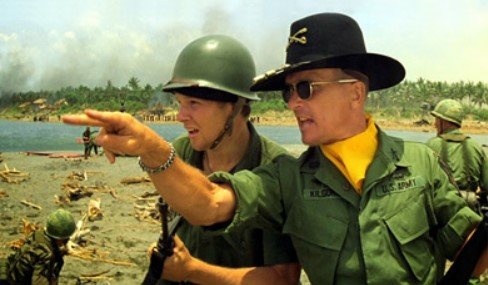
You’ve probably seen the infamous Charles Manson t-shirt with ‘Charlie Don’t Surf’ written at its back or heard of The Clash’s cult classic song of the same title. It’s a phrase that’s inspired countless art, songs, and multimedia references, and has created a huge impact in surfing culture, not only in America but also in Southeast Asia.  But where did this statement really come from, and what’s the meaning behind this iconic phrase?  “Charlie Don’t Surf” is an iconic line from the 1979 war film ‘Apocalypse Now’ — a movie that retells the novel ‘Heart of Darkness’ by Polish writer Joseph Conrad.  Written by John Milius and directed by Francis Ford Coppola, this film tackles about America’s sanguinity, as well as the realities and brutalities of the Vietnam war. ‘Apocalypse Now’ — The Film Where It All Started Viet Cong is the armed communist revolutionary group of North Vietnam, who fought with South Vietnam and troops of the United States during the Vietnam war. Since Viet Cong has the initials of VC as in Victor-Charlie in the NATO phonetic alphabet, the American soldiers also referred to them as ‘Charlie’.  In the movie, “Charlie Don’t Surf!” was said by the lieutenant colonel, William “Bill” Kilgore. He was a good commander according to his men, albeit he sometimes go overboard with his decisions as a surfing afficionado.  A member of his troop, Lance B. Johnson, is a professional surfer who’s also infamous for taking drugs. Perhaps it’s because of overconfidence or impulse, Kilgore instructed one of his officers to get his surfboard because he wanted Lance to surf in Charlie’s Point — a beach that stretches for miles with peaks reaching six feet and good surf breaks all year round.  The problem is, they have to take out a Vietnamese military installation there before they can get to Charlie’s Point. This means engaging in a dangerous battle with a ground they can’t even hold for a long time. For this reason, one of the soldiers said, “Well, I mean it’s pretty hairy in there. It’s Charlie’s Point!” “Charlie don’t surf!”, replied Kilgore. After the helicopter attack of the village where the Viet Cong’s military camp is, Kilgore then ordered Lance and his men to surf the waves, saying, “If I say it’s safe to surf this beach, it’s safe to surf this beach. I’m not afraid to surf this place. I’ll surf this f*ckin’ place.”  The Meaning Behind the Famous Line “Charlie Don’t Surf” doesn’t only imply that the Viet Cong don’t surf, as it goes much deeper than that. When Kilgore shouted this in reply to his officer, he also indirectly hinted that they’re going to take their waves, whatever the means could be.  According to the film’s writer, Millius, the inspiration for the famous line is the Israeli prime minister Ariel Sharon, who after winning the war in Aqaba, went spearfishing and said to one of his crews, “Now, we’re eating their fish”. This line mirrored the “Charlie Don’t Surf” statement in which both of them implied that they’ve conquered the enemy’s ground, and now they’re going to take what’s not theirs as an added insult to the injury. America’s Surfing Culture during the 1970s Surfing, sooner or later, will find its way to ‘Apocalypse Now’ as per Millius. This is because during the seventies, the Californian culture was strongly influencing the world — from the hippies to the nirvana, and surfing to rock and roll.  In the movie, teenage soldiers led the battle in the Vietnam war. It’s a representation of how the Californian culture and power are taking over and assaulting the Asian culture. From how they were hopping down the helicopter and putting flame jobs in their gun pods, mindlessly shooting over the line of napalm trees of the village, to how they surfed the waves after they’ve taken over the local’s land.  After the filming of the movie, Milius retells the story of how some of the actors suffered depression and post-traumatic stress disorders, which is similar to what the Vietnamese veterans suffered when they came back from the actual war. Offscreen Legacy ‘Apocalypse Now’ is a film that shows the savagery and the truth behind civilization; hence why it’s one of the most famous movies of all time. In an interview with Rolling Stone, John was asked about how the viewers and the Vietnamese veterans reacted to the premiere showing of his movie. In which he said,  “When the lights came up, I looked around and saw that people were sitting transfixed. Vietnam vets were there, too, weeping. I was stunned by how good the film was and what Francis had done. I was proud.” Shooting Locations The movie, ‘Apocalypse Now’, gained no support from the US Department of Defense because of its anti-Vietnam theme; therefore the movie was not filmed in Vietnam, as the war was still ongoing there.  Instead, the war movie was filmed in the Philippines, where the current president of that country during that time, Ferdinand Marcos, lent the production crew the helicopters and gunships they needed. Some of the beach surfing scenes were filmed in Baler Bay, which is located in the northeastern part of the Philippines.  During the film shooting, the locals observed the actors and how surfing worked, so when the production crew left their surfboards after filming, the children took over the boards and used them to surf. Today, Baler is one of the surfing attractions of the Philippines, and it’s also hailed as the ‘Surfing Capital’ of the country.  Aside from Baler, the movie was also filmed in other beach locations such as Manhattan Beach Pier, Hermosa Beach, Cannon Beach, Waimea Bay in Hawai’i, and Lake Powell in Utah.  Art and Culture The iconic line “Charlie Don’t Surf” didn’t just add an additional flare to the surfing culture, it also became an inspiration for songs, game themes, and art pieces. The following are just some examples:  A 1980 hit song, ‘Charlie Don’t Surf’ by The … Read more

The Shaka Sign | Surfing’s Famous Hand Gesture

Kitesurfing man on a wave looking up at his kite and throwing a shakka!

It is every famous surfer’s hand gesture – the unmistakable pinky and thumb salute. The famous Shaka sign… but what does the shaka sign mean? The Hawaiian Shaka Sign The famous greeting flashed by surfers and Hawaiian natives, the Shaka sign has been well-adopted by people worldwide. You might even remember that one group picture you had when you were younger when you raised your fist and bent your three middle fingers. While the Shaka sign’s popularity is undisputed, many are still unaware of what it means and where it originated. If you are one of the many who are still clueless, this article will take you back in time to know more about this famous hand gesture. What Does the Shaka Sign Mean? The pinky and thumb salute can mean different things all at once. It can be “Right on,” “Thank you,” “Everything’s great,” or “Take it easy.” But, its most certain meaning is to “hang loose.” Yes, the Shaka sign expresses all these friendly messages and more. How to Do the Shaka Sign? A kamaaina knows that the right Shaka sign is one where the three middle fingers are curled up while the thumb and the pinky finger are extended. But, it doesn’t stop there. You raise your fist by chest level, knuckles facing out. For emphasis, you can quickly turn your hand back and forth, of course, while smiling. Where Did Shaka Sign Originate? Local lore credits the Shaka sign to Hamana Kalili of Laie. Hamana Kalili worked at a sugar mill where his job as a presser needed him to feed the cane through the rollers to squeeze out its juice. One day, his hand got caught in the rollers, and his three middle fingers – index, middle, and ring were left crushed. After the incident, Kalili got a new job as the security officer for the train that used to run between Sunset Beach and Kaaawa. His new job includes keeping kids from jumping on the train and taking joyrides while approaching and departing the train station. In his attempt to warn kids to stay away, Kalili waves his hands with three missing middle fingers while yelling. The kids adopted the strange-looking warning and later became a signal to let other kids know Kalili was not around or wasn’t looking. Another belief relates the origin of the shaka to the Spanish immigrants who bent their middle fingers and took their thumbs to their lips to gesture sharing of drink with the natives. Check out this lovely video that gives a brief history of the modern Shaka and its creative variations.   But, Why Is It Called “Shaka?” The term “Shaka” came not from Kalili’s story but a popular television advertisement in the 1960s. Lippy Espinda, a car salesman, used this hand gesture along with a catchphrase that he claimed he taught himself – “Shaka Bradah!” Later on, it spread among the locals, and the rest is history. Conclusion The Shaka sign is more than just a wave or a thumbs up. This hand gesture is a symbol of the Aloha Spirit, which brings together the mind and spirit to think and display good feelings to others. Saying “Aloha” or giving out the Shaka sign means mutual regard and affection for the other person. It is a respectful (and cool) sign of respect and mutual understanding. Related Resources Surfing Etiquette A Beginner’s Guide to Surfing Best Surfing Tips for Beginners Are Surfboard Protection Plans the New Wave? What To Wear Under A Wetsuit Luke MorrisLuke is an avid athlete and the driving force behind Surfhungry, a vibrant online platform dedicated to sharing the joy and passion of surfing and water sports with enthusiasts around the world. With a deep-rooted love for the ocean and a lifelong commitment to riding waves, Luke’s journey as a surfer has inspired him to create a community where like-minded individuals can come together to celebrate their shared passion.

Best Australian Surf Brands

Australian Surf Brands

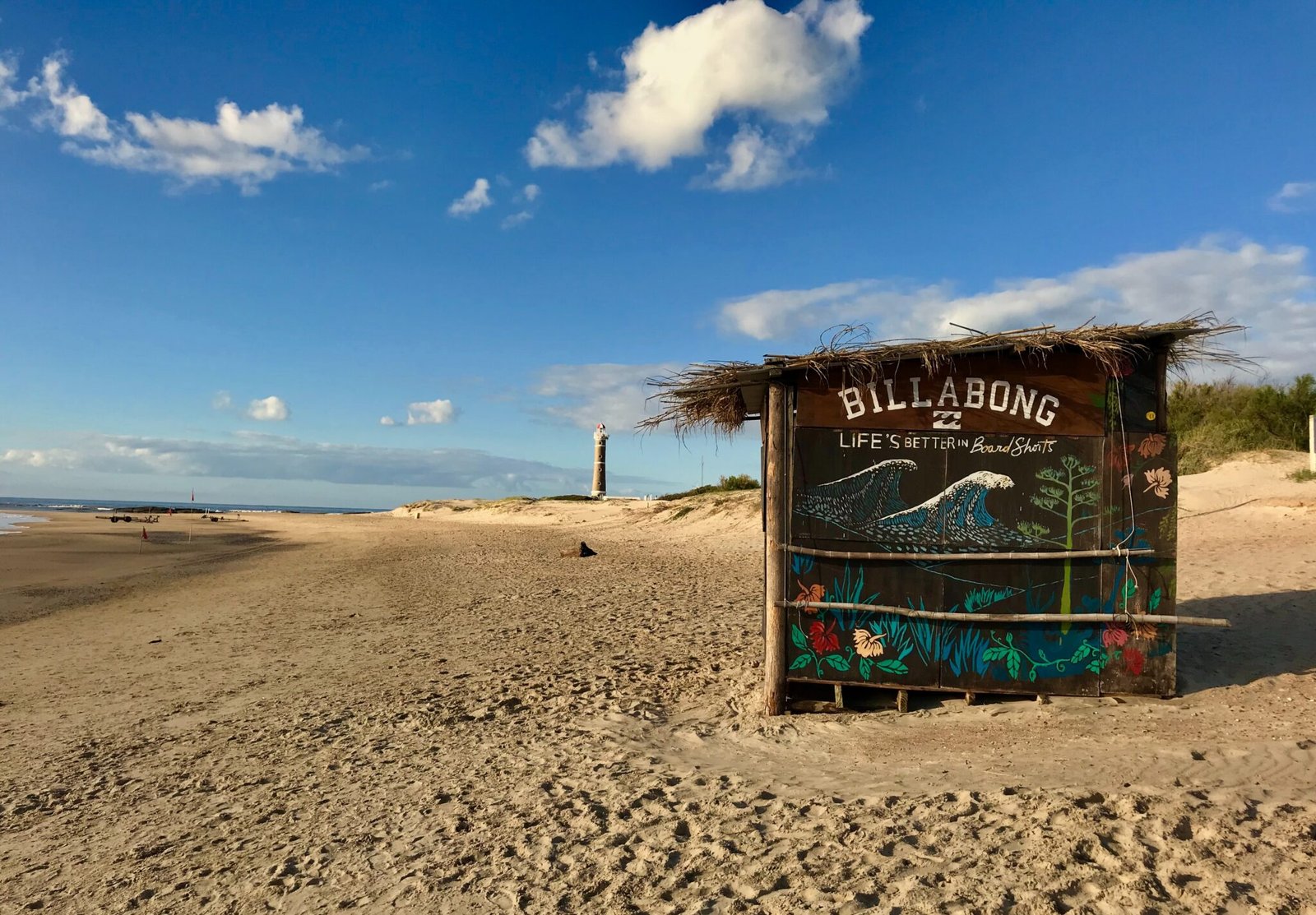
Board shorts. Sandals, Graphic shirts. Bleached hair — These pretty much sum up what a surfer style is like. And with one out of ten Aussies sporting this fashion, the popularity requires surf brands to continuously create products to cater to the high demand.  Australia is one of the largest and greatest surfing countries, that’s why three of the biggest surf brands are established here. For decades, Billabong, Rip Curl, and Quiksilver have been distributing surf products to their customers all over the globe. They are brands that made the most impact when it comes to surfer-style fashion.  In this post, you’ll learn more about them, as well as the other companies that have also made revolutionary surf products. We’ll also let you in on stories of how they achieved success and the causes of their downfall.  What makes Australian-based surf products good? Surfing is a big part of Australian culture. It’s known as the ultimate surfing destination because of the massive swells coming from Antarctica to its coastline.  Approximately, there are 2.5 to 3.5 million active surfers in Australia today. 420,000 of them are professionals and participants in events and competitions. Looking at these numbers, it’s no surprise that there are a lot of Australian-based surf stores. With that much target market, there’s a lot of room for product development and distribution. However, the real reason why the biggest surf brands started in Australia is that this is where surfer-style fashion was practically born. They were the pioneers of the trend, so they already know the needs and wants of their demographic target — the youth.  For the quintessential surfer, fashion is important. But at first glance, you wouldn’t know that because of how their clothes and accessories are often put together. Surfer style started in the ‘90s when surfing became mainstream. This fashion trend focuses more on the basics, the more casual and comfortable, the better. The goal is to look effortless and cool at the same time.  Usually, this consists of tees or hoodies paired with board shorts, sockless Vans (barefoot optional), and a pair of colored sunglasses. To put it bluntly, a basic surf-style outfit is like pieces of clothing that you just randomly pulled out of your closet and then decided to wear one day. In Australia, surfer fashion is a commodity. The brands saw the need, so they expanded their products to create water sports equipment and accessories for surfing, skateboarding, etc. Today, the top three brands also manufacture surfboards, snowboards, wetsuits, leashes, footwear, and many more. The Best Australian Surf Brands The following are brands that surfers worldwide have relied on for many years. Their products have always made people look and perform their best. Here are the Aussie surf-style favorites! (This list is in no particular order.) Quiksilver Billabong Rip Curl Roxy Mambo Graphics Seafolly Ocean and Earth Quiksilver Did you know that a former Rip Curl employee co-started this brand, and he made the first Quiksilver boardshorts in the Rip Curl factory itself? The guy we’re talking about was Alan Green. Along with him are surfers Doug Warbrick and Brian Singer, and they started one of the top brands in the world for surfing and skateboarding outwear — Quiksilver.  This surf brand was established in 1969 in Torquay, Australia, but is now based in Huntington Beach, California. They were initially known for selling wetsuits and boardshorts, but later on, expanded to selling other surf-related accessories like footwear and eyewear.  Quiksilver has a long list of sponsored athletes, but their most notable rider and the one that marked history was their partnership with 11-time World Champion, Kelly Slater. For over two decades, Slater rode with Quiksilver and helped promote the brand. However, they had to part ways when Slater decided to establish his own company, Outerknown. It’s an eco-friendly and sustainable brand that’s in line with his ethical values.  Quiksilver was known as the epitome of beachwear for the longest time — however, in 2015, things started to go down south. The brand’s downfall started in 2005 when they bought the French brand Skis Rossignol for $560 million, but later sold it after three years for only $50 million.  In 2015, Quiksilver filed for bankruptcy in the United States because of too much debt. A year after that, they started to get back on track once again when the company was bought by Oaktree Capital Management. Quiksilver was also able to buy out Billabong, and today they share the same distributor, Boardriders, Inc.  Billabong “Life’s Better in Boardshorts” is the tagline of the surf brand that dominated the Australian market in the 1990s — Billabong.  This company was established in 1973 by ex-Maroubra surfer, Gordon Merchant, and his wife, Rena. Together, they created the most sought-after boardshorts using a special triple-stitching technique.  Because of their boardshorts’ durability, their local sales in Gold Coast, Queensland went up. This ultimately marked their brand, and by the 1980s, they were able to export their products to other countries.  Billabong is one of the best brands in Australia, hence why it was dubbed the “New Nike”. Aside from boardshorts, Gordon also developed a revolutionary surfboard with a tucked-under edge and the first-ever leg rope. They also expanded their brand by distributing skateboarding and snowboarding products.  The success of Billabong went on for many years. They bought out the brands Tigerlily, Kustom, Von Zipper, Xcel, Element, and Plan B Skateboards. They also sponsored the best surfers, like Wayne Bartholomew, Joe Engel, and Taj Burrow. Billabong also hosted the biggest surf competitions, such as the Billabong Pro contest held in Jeffreys Bay, Tahiti, and Teahupo’o.  However, this surf brand’s journey wasn’t always smooth sailing. In 2012, they declared a $300 million net loss when 150 of their stores closed. The following year was worse when they had a net loss of $860 million.  Things started to look up again for Billabong when they started earning their net income of $25.7 million in 2015. Rip Curl Known as ‘The Ultimate … Read more

Top 10 Best Surfing Video Games | (Pro Surfer, True Surf)

Best surfing video games

With the pandemic putting a halt to some of the activities we love — traveling, social gatherings, and sports events — surfers find ways to experience surfing in other forms. And the closest thing they can get to riding the waves without actually leaving their homes?  Video games!  If you’re looking for cool surf games to kill time with, you’re in luck! In this post, we’ll take a trip back to memory lane and look back at the best surfing video games ever released. Some of them are games we used to play as teenagers, while others have more modern simulations that perfectly show how far technology has come since then. Let’s start!  Why are there only a few surfing video games? Surfing is one of the most exhilarating and extreme water sports, but when it comes to gaming, this genre doesn’t sell out much. In the history of surfing video games, not more than 20 titles were released, with only one or two games being developed every few years.  Sure, this sport is well-liked by a lot of people. But the truth is, it’s more fun to surf in the actual water than having to do it virtually — a reason behind surfing games’ lack of appeal. The limited niche also leads to underselling video games, hence why developers choose to move on with other genres instead.  Another reason is the complexity of the game’s development. The animation and simulation of movements, especially the water dynamics, are extremely challenging to digitize. For this reason, developers tend to avoid creating these games.  Top 10 Best Surfing Video Games Although the choices are limited, we’ve compiled the most popular surfing games for surfers (and non-surfers) of all ages. Here they are in no particular order.  Kelly Slater’s Pro Surfer Transworld Surf Sunny Garcia Surfing Championship Surfer California Games Town & Country Surf Designs: Wood and Water Rage Surf Riders Surf World Series True Surf Surf’s Up #1: Kelly Slater’s Pro Surfer The early 2000s can be considered as the peak of surfing video games, and possibly the most popular, if not best during that era, was Kelly Slater’s Pro Surfer. Although it’s not as promoted as other games, Pro Surfer was endorsed by well-known riders like Bruce Irons, Tom Carroll, Lisa Andersen, Nathan Fletcher, and Kalani Robb. Back then, this game was the reason why groms would meet up in their friends’ houses after surfing sessions. Even teenagers who don’t know how to surf enjoyed Pro Surfer because it was a laidback game that could be played for hours on end.  Pro Surfer is a game developed by Neversoft — the same company that also produced Tony Hawk’s Pro Skater (a skateboarding game that also featured Kelly Slater as a shirtless and barefoot surfer). It was first released for Playstation 2 and was made available for Windows PC by 2003.  This game has an overall vibe that perfectly depicts the surfing lifestyle. The sound of the waves, the soft rock music playing in the background, Slater’s short video clips of his travels — it’s all about telling a story, and not just about gaining high scores.  But that doesn’t mean the game won’t keep you at the edge of your seat. Its controls will allow you to combine different tricks in the water. Like the coffin trick wherein the character lays down on the surfboard and watches the barrel tumbling down on him. It also comes with different playing modes, such as career, special events, and surf trips.  The game’s tutorial is located in an indoor pool (which, by the way, is a long way behind Slater’s Surf Ranch today). But the surf trip mode will take you to different hotspots like Tahiti, Spain, Teahupoo, South Africa, Hawaii, and Trestles.  #2: Transworld Surf  Pro Surfer may be endorsed by some of the greatest riders of all time, but Transworld Surf practically put this game genre on the map. Released in 2002, Transworld Surf was developed by the company Namco Bandai for Xbox, Playstation 2, and Gamecube.  This game aimed to connect with kids from different coasts. To influence them how to surf, it featured tutorials and graphics with the most realistic waves the programmers were able to develop during that time.  Transworld Surf also featured real locations, like the famous Huntington Beach in California, Jeffreys Bay in South Africa, Fort Point, and Pipeline in North Shore. The game also includes real-life licensed surfers, such as Christian Fletcher, Tim Curran, Taylor Knox, Andy Irons, and Jason Collins.  Its various levels include multiplayer modes like ‘Shark Attack’, and ‘King of the Wave’, and bonus missions that feature “The Reef Girls. The cherry on top was the best surfing music that consist of 50 tracks to get you vibing.  Transworld Surf also features the ‘Karma Meter’, which sorts out your character’s actions. Bad surfing etiquettes like dropping in on other surfers, spraying people with your wake, or destroying marine life will get your player caught up in similarly bad situations such as being chased by a shark.  On the other hand, good actions will get you to surf in any of the ten surfing locations of the game. Your best moves will also be put on the cover of Transworld Surf magazine.  #3: Sunny Garcia Surfing Sunny Garcia Surfing features the career of Hawaiian surfer, Vincent Sennen “Sunny” Garcia. It was developed in 2001 by Krome Studios and was released for Playstation 2, Xbox, and Gamecube.  This game is one of the fan favorites because of the player’s movements and the setting’s nearly accurate dynamics. The wave motions when pumping are different when the character’s stalling, for instance, and it makes a huge difference to the overall gameplay itself.  Unlike other games on this list, Sunny Garcia Surfing doesn’t include a real surfing location. Instead, the developers created a made-up island located in the east of Fiji. The gameplay allows you to choose your surfing spot. Like if you want to surf in 2-foot … Read more

Most Famous Surf Gangs in the World (Updated)

Most Famous Surf Gangs

According to NOAA, the United States’ shoreline (including coastal states and other territories) is 95,471 miles long. Out of those are hundreds of public beaches. But sadly, only a few of them have sizeable waves that are perfect for surfing.  Because of this, local surfers can be territorial about their surf breaks. Surf gangs are norms in places where great waves are rare. Their members aren’t afraid to use fear and fists to intimidate tourists and surfers visiting their turf.  But surf gangs, apart from their notorious reputations, have an important role in the surfing culture. They maintain order and avoid overpopulation on local surf breaks. In this post, we’ll let you in on the other side of surfing that not a lot of people know of. The worlds of the most famous surf gangs are complicated and dangerous, but we’ll tell you everything you need to know about them.  What are surf gangs? Surfing isn’t all fun and games. It has a dark side, and surf gangs are right at the center of it. As a novice surfer, being caught up in their radar is something you don’t want to experience. A wrong wetsuit or kind of board may put you in a tough spot because these people will not think twice about resorting to verbal and physical threats just to intimidate you.  Surf gangs are the result of localism, or also known as the aggressiveness of locals towards the most crowded surfing spots. It started in Southern California in the 1960s wherein the locals were hostile and belligerent towards the surfers from San Fernando Valley. Over time, the natives formed their own groups consisting of all-local surfers. Their goal: to vandalize, intimidate, stir-up trouble, and incite violence to foreigners. If they don’t like you, they’d ask you to leave the beach even before you get to touch the waters, and if you cause trouble in the lineup, it’s possible that you get into a terrible ‘accident’. Surf gangs have caused gang wars, violence, and even death, but why are the local police not interfering with these crimes? It’s quite known that even the law enforcers fear them because they are known for taking acts of revenge and retributions.  Sure, non-locals view surf gangs as menacing and threatening, but to locals, these people are quite harmless.  The thing is, most gang fights occur because of overcrowded territories and disrespectful surfers. Surf gangs are there to act as reminders for tourists to behave on local beaches. They are there to protect and defend their beach towns and shores.  The Most Famous Surf Gangs in the World Da Hui a.k.a The Black Shorts The Da Hui of the North Shore, or also known as the “Club of Wave Riders” or the “Hui O He’e Nalu” in Hawaiian, sets the bar when it comes to surf gangs. They’re the original and are considered the most dangerous. And as per The Offspring’s song, “I won’t fuck with Da Hui. Because Da Hui will fuck with me.” This surf gang is founded by Eddie Rothman, Clyde Aikau, Bryan Amona, and Kawika Stant Sr. in 1976. Today, Da Hui consists of around 400 members. They’re known for their uniform surf attire that they’ve developed later on into their own clothing brand. Da Hui started as a club to see-through contests, but they turned out to be too aggressive to the non-native contestants. During that time, corporate businesses are slowly taking over the North Shore’s high-quality waves, and in the events being held, Hawaiians were being excluded. In order to protest, the Da Hui members paddled out the beach and refused to leave.  Because of Da Hui’s goal to preserve their beach breaks from outsiders, foreigners have always felt that they’re unwelcome on the North Shore. One incident that this surf gang is famous for is the Busting Down the Door Saga, wherein their members had beaten up an Australian surf team who disrespected their surf customs.  Although this group can be aggressive when they want to get their points across, Da Hui cares for their local community. They organize events, such as the Da Hui Easter egg hunt and the paddle racing that’s held every July 4th. Watch this video below to see how Da Hui has influenced the surfers on the North Shore. Bra Boys The Bra Boys is one of the most violent and notorious surf gangs in the world, with some of their members being charged with murder, assault, rape, and organized crimes among others. Founded in the 1990s, the Bra Boys was formed in the suburbs of Maroubra in Australia. They are known internationally because of the documentary the members themselves have written and directed — ‘Bra Boys: Blood is Thicker Than Water’. This docu-film features their history, from how they grew up in impoverished backgrounds and lived in public housing projects. It also features how their mutual love for surfing and community connections brought them all together.  The Bra Boys’ name came from Maroubra, and ‘bra’, which is slang for ‘brother’. Members of this gang are characterized by their chest tattoos that say, “My Brother’s Keeper”, and the postcode of Maroubra ‘2035’ written at their backs. They’re known for being territorial towards the Sydney reef break ‘Cape Solander’, which they also refer to as ‘Ours’.  The Bra Boys consist of North Maroubra surf riders, professional rugby players, and cage fighters. Among their most famous members are Reni Maitua, John Sutton, Vaculik, Evan Faulke, Mark Matthews, and the renowned Abberton brothers — Sunny, Jai, and Koby.  Koby Abberton is a talented, big-wave surfer who’s won quite an amount of awards in his career. His charm earned him a celebrity status that’s bumped elbows with other famous people like Paris Hilton and Russell Crowe.  However, like the other members, he’s also associated with crimes such as perverting the course of justice wherein he was jailed for it for nine months and assaulting an officer that cost him three days in jail. Meanwhile, his … Read more

What Is A Hawaiian Lei? | The Beckoning Aloha Tradition

What Is A Hawaiian Lei

There’s something about coming to Hawaii that makes us feel overly welcome as we arrive. A greeting so powerful, it starts a sense of place in arriving and even departing from this place. This distinct greeting symbolizes the islands and affection for loved ones. The Hawaiian Lei. Early Polynesian voyagers who traveled on the long and tiring journey from Tahiti to the Hawaiian Islands established the tradition of receiving and gifting a lei. But, what is this tradition, and why is it still widely practiced despite modern times. Find out what is a Hawaiian Lei as this article unfolds the beautiful Aloha tradition and culture that we all love. What Is A Hawaiian Lei? A Hawaiian Lei is a decorative garland worn around the neck or on the head. Lei comes in various materials and lengths (flowers, leaves, nuts, ribbons, candy, money, etc.). In Hawaiian culture, Lei was traditionally offered to symbolize love, friendship, honor, celebration, and greetings. The wearing of Lei in ancient Hawaii symbolized riches, monarchy, and status. It’s also linked to the hula hoop, religion, and geography. The History of Hawaiian Lei Early Polynesian voyagers brought the lei tradition to the Hawaiian Islands, sailing by the stars in sailing canoes from Tahiti. Hawaiian Lei custom began with these early settlers. Flowers, leaves, shells, seeds, nuts, feathers, and even animal bone and teeth were used to make the Hawaiian Lei. According to Hawaiian tradition, ancient Hawaiians used these garlands to beautify themselves and distinguish themselves from others. Perhaps the most important was the Maile lei. It was used to represent a peace accord between rival chiefs, among other holy applications. The leaders would symbolically tie the green Maile vine in a Heiau (temple), and its completion would officially create peace between the two groups. Hawaii is a state made up of eight major islands. Each island has its unique Lei, reflecting a harmonious combination of texture and color. Due to rigorous agricultural rules, most of these Lei cannot be shipped to the mainland. Hawaii (Big Island) – Red or the Ohia Lehua flower Oahu – Yellow with the gold ‘Ilima Maui – Pink and the Lokelani rose Kauiai – purple with the Mokihaa Molokai – Green with Kukui Lanai – Orange with Kauna’oa Niihau – White with Pupu o Ni’ihau (shells) Kaho’olawe – Hinahina Lei And the Custom of Aloha With the introduction of tourism to the islands, the Lei quickly became a symbol of Hawaii for millions of visitors worldwide. Tourists and visitors came to Hawaii by boat before the familiar hum of airline jets could be heard in the sky. Many elderly Hawaiians reminisce about their “boat days” with fondness. As the boat arrived at the port, it was a social party with lei greeters, hula dancers, music, and photographers. Tossing one’s leis into the ocean near Diamond Head Crater was a common custom for departing travelers. This gesture is practiced in beliefs that they’d be safe and sure to return to Hawaii if their Lei drifted to shore. Every May 1st has been designated as Hawaii’s official “Lei Day” since 1928. It’s known as “May Day” in Hawaii. The flower lei is celebrated on May Day with Hula, parades, and music. Most parents request a day off work on May Day so that they may watch their children engage in school-sponsored May Day activities and programs. On May Day, everyone in Hawaii is urged to wear a lei. Hawaiian Lei Flower Meaning and Lei Flowers Used There are several materials used to produce Lei, including raffia, yarn, fish line, or even dental wax for stringing, and the most common flowers used for lei garlands include: Carnations – The Missionaries introduced Ponimo’I to Hawaii, with women wearing white and men wearing red carnations. Plumeria – also known as Melia in Hawaiian or Frangipani, is a five-petal flower with a beautiful tropical aroma and a rainbow of hues ranging from white to yellow to orange to pink to deep red. Arabian Jasmine – This flower, known in Hawaii as Pikake, was brought to Hawaii by Chinese immigrants. It has a mellow and sweet aroma commonly used in weddings and special events. Roses – also known as the Lokelani rose, are a favorite accent flower on Lei and come in various hues to match any event. Orchids – are preferred to be utilized with the white and purple dendrobium kind used for producing an orchid type of Lei because of its sturdiness and beauty. Ginger – traditional Micronesian or Malaysian ginger blossoms have a powerful, enticing scent and are commonly used for anniversaries, birthdays, or other special occasions. Stephanotis – or Pua Male in Hawaiian is called the wedding flower with its sweet-smelling scent. The name Pua Male translates into “Marry Flower,” making it a fitting choice for weddings. Lei Etiquette There are very few rules when it comes to wearing a Hawaiian Lei. There is no need to wait for a special occasion to wear one. It is totally acceptable to buy or manufacture a lei for oneself. Locals keep a nut, seed, or shell lei on hand for special occasions. Flower, fern, and feather lei are frequently used on hats. When getting a Hawaiian Lei for the first time, there are a few “unspoken guidelines” to keep in mind. A Hawaiian Lei should be a joyful expression of one person’s love for another. As a result, always accept a lei and never refuse one. Accept the lei as described above, then discreetly and apologetically slide it off if you are unable to wear it due to allergies or sensitivities. If you are unable to wear the lei, it is appropriate to give it to your significant other. A Hawaiian Lei should be softly wrapped over the shoulders and hung down both in front and behind the wearer. Removing a lei from your neck in front of the person who presented it to you is considered impolite, so if you must, be discreet. Birthdays, anniversaries, marriages, … Read more

Who Are The Hawaiian Gods? | Hawaiian Mythology

who are the hawaiian gods

One of Joseph Campbell’s quotes says that “Myth is the secret opening through which the inexhaustible energies of the cosmos pour into human cultural manifestation.” The connection between humans, myth, and nature is apparent in Hawaii, once called “The Big Island.” Hawaiian mythology isn’t just a piece of history from long ago. It’s a widespread spiritual belief among many of the island’s indigenous people. Hawaiian kahunas’ (or priests) ancient chant – the epic Kumulipo traces humanity’s origins to a cosmic night believed to be the concept of biological evolution. Let’s take a closer look at Hawaiian mythology. We’ll learn who are the Hawaiian Gods and goddesses, and we’ll see how many of the island’s best attractions are linked to old stories. Who Are The Hawaiian Gods? Hawaiians still follow the ancient Hawaiian religion and mythology. Kāne, Kanaloa, Kū, and Lono were the four main Hawaiian gods of the people and the chiefs in the past and present. Each of these Hawaiian gods is different, and each community worships a different version of them. The Four Main Hawaiian Gods Kāne: The God of Creation and the Sky The father of living creatures The highest of the four major gods Kāne was the creator and the god of light in Hawaiian mythology. He was also a significant person in the world. Each time Kane is used in a title, it means the creator god. A lot of places where he lives call him “Tane.” He lives in Tahiti and New Zealand, as well as southeast Polynesia. People prayed to him as the god, gave him Kapa cloth, and gave him small amounts of alcohol. There are a lot of myths about Kāne, who is said to live in a floating cloud between earth and heaven. Kāne is said to live off Kauai’s west coast. Kane-huna-moku, or “hidden land of Kāne,” is the place’s name. It was thought to be the place where the sacred water of life, which has magical properties like making people rise from the dead, was found. In Hawaii, the great white albatross was thought to be a god because it was so white. Some Hawaiian chants were written for Kāne in the 19th century. They seem to have been inspired by early Christians who came to the island. The Hawaiian gods Kāne and Kū, and Lono were thought to be part of a primordial trinity with Kane, where the two Hawaiian gods helped Kane make heaven and earth. In one myth, they made a man and a woman in a land called the marvelous land of Kane. Kū: The God of War The god of war, politics, farming, and fishing The husband of goddess Hina Kū, the Hawaiian god of war, is often called Tu in Polynesia. The words ku and tu mean being stable, standing tall, or rising up. The war god had a high place in the pantheon because there were a lot of fights between tribes and island groups. In fact, King Kamehameha I was very fond of Kū, and he had a wooden statue of him with Kū when he went on many wars. The war god Kū also played a lot of other roles. He was called Kūʻula-kai, which means “Ku of the sea,” and Kū-moku-hāliʻi, which means “Ku of the canoe.” Because of how he spread the forest, he also became known as Kū-moku-hāliʻi, or Ku the island spreader. In Hawaii, Kū was linked to male fertility and the husband of Hina, and he and Hina were called on in rituals to help people have children. Lono: The God of Peace, Rain, and Fertility The god of agriculture Associated with fertility, rainfall, music, and peace Lono was the Hawaiian god of agriculture, and he was linked to fertility and the sky’s clouds, storms, rain, and thunder. When people call him by his full name, they call him Great Lono Dwelling in the Water. His symbol was the akua loa, which is a long staff with a carved human figure on top. Its neck has a crosspiece and is decorated with feathers, ferns, and Kapa cloth. Lord Lono, also known as Rongo or Ro’o in southeastern Polynesia, was also a Hawaiian god who could help people get better. There, he goes by the name of Ono in the islands of the Marquesas. In Hawaii, there were a lot of temples built for him that were used for medical things. The priests also asked Lono for rain and many crops, especially during the rainy season. The makahiki, which is a celebration of the annual harvest, was named after him because of this. Many people on the Hawaiian island thought Captain James Cook was their god Lono when he came to their island in 1778. Even the priests held a ceremony in their temples to honor him. In the end, the people in Hawaii realized that he was just like them. A fight broke out between the British and the Hawaiians, and Cook was killed. Kanaloa: The God of the Ocean The god of the underworld Teacher of magic and ruler of the ocean Kanaloa, Kāne’s younger brother, was the god of the ocean and wind in Hawaii. His name is Tangaroa, and he is one of the most important Hawaiian gods in all of Polynesia and is considered the best. However, his authority and roles vary from one island group to the next one. Even though he didn’t live on the island, Polynesians even thought of him as their creator and main Hawaiian god. Kanaloa was not as important in Hawaii as Kane, Ku, and Lono as the three Hawaiian gods. This is likely because people later arranged their pantheon to look like the Christian triadic pattern. Hawaiians thought of him as the god of squid, or sometimes an octopus that lived deep in the ocean. His own temple was not very common, but he was mentioned in prayers and celebrated during a specific time of the lunar month. People in Polynesia believe … Read more

The Difference Between a Grom and a Kook | How to Spot Them

difference between a grom and a kook

A good friend of mine once said, “There will always be a kook or a grom in a lineup. If you don’t know who they are, maybe you’re it.”   As I think of those words today, I reflect on my actions and wonder about how my peers think of me while surfing. Do I act like a kook in the lineup during my bad days? Did I ever dress like one? Was I ever a grom when I was starting? What exactly is the difference between a kook and a grom, anyway?  Surf slang and terminologies can be confusing if you’re new to the surfing world. That’s why in this article, I’ll be talking about certain factors that may label you as a kook or a grom, how you can spot them at the beach, and the basic etiquettes of surfing you should always follow.  What makes you a kook? Contrary to what others know, surfers are a friendly and welcoming bunch. We don’t just call people kooks for no reason, and matter of fact, we like to encourage people who want to learn surfing. That said, being a newbie surfer doesn’t instantly make you a kook.  Being referred to as a kook isn’t exactly what you want to be associated with in the beach lineup, as surfers often use it to poke fun at someone. It’s a term that’s kind of similar to a poser, but since the latter doesn’t exactly surf as they just ‘pretend’ to know how to, kooks can be considered as a more derogatory term.  Generally, a kook is an inexperienced person who often gets in the way of other experienced surfers. They often interfere with the lineup, causing aggravation to others, at the same time disregarding surfing etiquettes and other surfer’s safety. But while the newbies are often referred to as such, surfers of any skill level can be also called as such if they’re acting like one.  Kooks are people who pose danger and threat to other surfers. Since they don’t know (or maybe they do know, they just don’t follow) the basic rules in surfing, they’d drop in on other surfers without batting an eye or snake their way in the lineup while staring at you. Even if they bail out and their boards hit other surfers because they hate wearing a leash, they simply don’t have a care in the world.  Oftentimes, kooks don’t know that they are, indeed, kooks, because they have a distorted perception of their real abilities. They think they’re good at something, but they’re really not. They’d often claim they can do barrel turns and cutbacks, but ask them to do those things and they’d just look like a drowning buffoon in the water. They are also amateur surfers who pretend to be an expert in surfing slang, but they often use words in the wrong context or they exhaust the terminologies in one sentence to the point that it’s cringey.  How to Spot a Kook Since the obnoxious world of being a kook is vast, there are many ways on how you can be considered as a kook by other surfers. If you’re worried that you’re one of them, it’s time to assess yourself and make some changes in your habits. In the list below, you’ll find some tell-tale signs of being a kook and how to spot them at your local beach area. Have tons of stickers plastered on their surfboard (not sponsored) Performs bizarre warm-up exercises in the boardwalk Paddles with the nose of their surfboard pointing towards the sky Sports a top-of-the-line wetsuit, carries a surfboard that looks like it’s never been used, observes the waves for nearly an hour, then jumps in on the waves last minute and creates splashes Carries their surfboards inside malls Never waxes their surfboard, and if they do, they’d ask for yours and give it back as a thin flake of useless wax Wears full wetsuit during summer Wears board shorts over their wetsuit; fashions a wetsuit inside malls Surfs with the wrong equipment in a hot spot for the pros during a big event Ignores channels; drops in on other surfers Doesn’t wear a leash Shows up in beach lots with a frappuccino Takes videos/photos for Instagram Gets excited over two-footers Doesn’t understand surfer norms Last but not least, if you paddle out in a lineup where everybody seems to know one another, then they probably think of you as the kook. Check out this video complication below of some kooks you wouldn’t want to be around with in the beach lineup.  What makes you a grom? While being referred to as a kook can be taken as an insult, getting called a grom can be considered as a compliment — that is, if you’re under the age of 15.  Grom, grommie, or grommet are terms used to compliment young, precocious surfers who are still learning the ways of surfing. These are kids who are stoked all the time because of the high amounts of energy in their veins fueled by ice cream and donuts. Without the groms, lineups won’t be much fun, and half the stores at the beachfront selling sweet treats will be closed for good.   Grommets are the future of surfing, that’s why experienced surfers teach them all the tricks and techniques that they know. They also try to pass down the shaka culture, so the groms can learn the surfing etiquette sooner than later. This way, they don’t develop into becoming kooks as they get older.  These kids are often accompanied by their grom moms, or mothers who take their kids anywhere, any time because they enjoy seeing them stoked. These moms are always sitting on the cold sand, sipping coffee with a blanket wrapped around them as early as 6 am. Like their moms, the groms usually have a positive outlook and a pretty chill vibe.  History of Grom Where did the term grom come from, you ask? While others will … Read more

Feed Your Stoke. Join the Surf Hungry Crew

Surf tips, gear reviews and travel guides straight to your inbox

"*" indicates required fields

Privacy*
This field is for validation purposes and should be left unchanged.