
Best Family Surf Vacations | Destination Guide

best family surf vacations

Surfing is an activity that the entire family at any age can enjoy. Even if you are a non-surfing family, visiting some of the locations which are ideal for family surf vacations will still make your holiday memorable. Aside from the pristine environment, there are several other features and activities at a typical family surf camp which will ensure the experience is worth every penny. All family surf holidays are in destinations with incredible swells, tailored lessons, boutique hotels, and so on, but finding the best surfing destination can be daunting. In this article we have compiled nine amazing surfing destinations which are ideal if you are considering going with your whole family. 9 Most Family-Friendly Surf Vacations Choosing the right surf spot is vital if you’d like to spend quality time with your family surfing. All the variations of winds, swell, and tides can be downright confusing when looking for a luxury family surf camp. After considering your family’s safety, below are the nine best family surf vacations to consider visiting in 2023. 1. Selina Nosara Surf Camp, Costa Rica Selina Nosara is a laid-back destination suitable for a family surfing holiday. Located 5-minutes from Playa Guiones, Selina Nosara is a co-working and co-living space that offers surf camp packages. At Selina, guests can choose from its custom all-inclusive family surf vacations and packages to suit the needs of different families. Each package includes private or shared accommodation, daily surf lessons, a wetsuit and surfboard hire, a breakfast buffet, and so on. Selina Nosara is a luxury family surf camp for those looking for a warm sunny getaway. It is a popular retreat location renowned for its zen culture and unspoiled beaches. This stunning natural setting strikes the perfect balance between exploration and relaxation. From surging at the Playa Guiones all day long, you can balance out the swells with a yoga session or head to the nearby National Wildlife Refuge to watch the olive ridley sea turtles. The waves are incredible and safe all year round, making it one of the best places to improve your surfing skill or learn for the first time. And the best part is that you can enjoy this location’s amenities for an affordable price. So, if you are looking for a budget-friendly family surf camp in Costa Rica, then Selina Nosara is a great option. 2. Dreamsea Surf Camp, Costa Rica Another great family surf camp Costa Rica has to offer is the Dreamsea surf camp. This surf camp in Tamarindo is the perfect destination to take your family when you want to connect with nature. The Dreamsea surf camp is a destination in the lush jungles that offers a luxurious eco-friendly retreat. Dreamsea surf camp is a retreat designed for nature lovers and surfers alike. It spreads over 10,000 square meters of camp and features glamping tents with several other amenities around the pristine rainforest. The camp’s location is a 10 minutes’ drive from some of the best waves in Tamarindo. And if you don’t want to go surfing with your family right away, you can enjoy the camp’s many other amenities, such as loaner bicycles, table tennis, board games, and slackline. At Dreamsea, you can choose between private and shared accommodation on its all-inclusive family surf vacation 1-week package. The package includes daily surf lessons, a wetsuit and surfboard hire, breakfast buffets, etc. 3. Elementsurf Surfcamp, Spain There are several family surf holidays Europe destinations, but Elemnetsurf is a unique location. At Elementsurf surf camp, you can experience Cantabria’s scenic, social, and cultural diversity. Being the third smallest province in Spain, Cantabria spans an area of only 5000 km2 but offers a true natural paradise with a more than 220 km long coastline. Also, aside from going surfing with your family at Elementsurf surf camp, you can take them to visit the numerous small mountain villages and idyllic coastal towns like San Vicente de la Barquera or Comillas. Elementsurf is a great destination to visit with your family to take your surfing skills to the next level. With private surfing lessons from highly qualified surf instructors to further learning. Necessary surfing equipment, such as wetsuits and surfboards, are provided at Elementsurf throughout the surf course. Elementsurf works with you in small groups and according to your surf level to attend to you individually to ensure maximum safety for you and your family. 4. Sea Natives Surf Camp, Portugal Sea Natives is a small surf camp founded by an international tribe of friends with a mission to create a place to call home. As one of Europe’s unique family holidays, you can trust getting the best holiday experience at Sea Natives. Located in the beautiful little fish town of Praia da Tocha, Sea Natives features uncrowded waves, genuine Portuguese restaurants, live music, and a bar. Sea Natives offer different accommodation options to suit the needs of different families. Its accommodation options include shared tipi tents with up to 4 single beds or private tipi tents for two. The tipi tents are fully equipped with electricity, a storage unit, dishes, cutlery, an optional baby bed, etc. Also, Sea Natives’ all-inclusive packages include a breakfast buffet, lunch, and homemade dinner. When you visit this destination with your family, there are nannies to look after your children during adult surf or yoga lessons. Also, with the kids’ animation throughout the week, your children will stay entertained. At the camp, you can visit the shop to rent surf equipment like surfboards and wetsuits, skateboards, and so on. 5. Four Seasons Surf Resort, Punta Mita Four Seasons is another exquisite spot to consider taking your family for a surf vacation. Set on a 52-acre nature reserve, Four Seasons is a five-star resort that features a long stretch of beach on Mexico’s Pacific Coast. As one of the first big international resorts in Punta Mita, Four Seasons aged well owing to its traditional Mexican-style décor. If you are looking for a luxury family surf camp, the Four Seasons … Read more

The Coldest Surf Spots In The World

The Coldest Surf Spots In The World

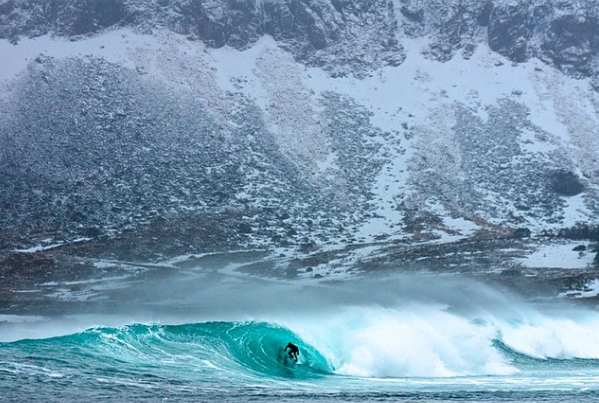
For most people and even some surfers, surfing is done in warm sunny weather, but some of the best surfing spots are in places with fridged waters. Cold-water surfing is popular in many countries, and well-traveled surfers visit these spots to experience their thrilling and icy waves. Canada, Russia, Norway, and Scotland are known for their cold weather and surf spots that challenge surfers worldwide. Oceans in these countries have water temperatures that go as low as 28°F and waves that reach 18 feet, which provide a thrilling experience for many surfers. Surfing in icy water with high winds and enormous waves is something every surfer must consider doing at least once. Surfers all around the globe seek out challenging locations where they can ride massive waves and face harsh weather conditions to take their surfing skills to the next level. Discovering The Thrills Of Surfing In Unforgiving Environments Surfing in frigid waters may seem like a crazy idea and not something any surfer will attempt, but there are beautiful places where the rush and excitement make the cold water an afterthought. If you love surfing and are considering experiencing cold-water surfing, you will love some of these places and why it attracts surfers worldwide. Tofino, Canada Tofino is known for its surfers, who tackle the cold ocean daily. Temperatures in Tofino can drop to as low as 29°F, but typically the water temperature is around 40°F during winter and 50°F during summer. Winter Temperatures outside go from 38°F, and in the summer, as high as 67°F. Like most cold-water surf spots, the summers in Tofino are short, with clouds blocking most of the sun, and the winter is rainy and overcast, with high winds that last most of the year. If you love cold-water surfing, consider visiting Cox Bay and Chesterman Beach in Tofino. Both surfing spots are a favorite of locals and visiting surfers. Cox Bay Cox Bay is the number one surf spot to visit in Tofino and attracts beginners who tackle the waves closer to the shoreline and pro surfers who ride the long and large waves year-round. The swells draw longboard and shortboard surfers from everywhere, and it is the largest surf spot in Tofino. Chesterman Beach Chesterman has a north and south beach, although most surfers prefer North Chesterman Beach, which produces waves throughout the year. Both beaches are in the eyesight of one another, and surfers can easily spot which one has the best waves. Chesterman Beach attracts pros and beginners, although its calmer waters are best suited for those less experienced. Thurso, Scotland Thurso in Scotland is the northernmost town on the island of Great Britain, and the temperature requires wearing everything available to survive the cold waters. With the ocean reaching 43°F in the winter and 57°F in the summer, every surfer is tested by the cold waters and the waves. The big waves that break inside the bay are called “Coldwater Nias” by locals, and it is a big attraction for surfers visiting around the world. If the water temperature does not test your courage, it’s air temperature that goes as low as 35°F in the winter and a maximum of 61°F in the summer defiantly will. The summers in Thurso do not last long, and it is windy and cool. The long winter has high wind conditions, and it rains most of the time with cloudy skies year-round. If cold weather does not faze you, you must consider these local spots in Thurso on your next surf outing: Thurso East Thurso East is located on the coastline of Highland’s Caithness and faces the North Atlantic. Taking on these waters requires wearing a 4,5, or 6mm wetsuit and not forgetting boots, gloves, and a hood. The waves reach heights between ten and twenty feet, producing long walls and excellent tubes. Brimms Ness If you go west, you will find Brimms Ness, the surfing capital of Thurso. Brimms Ness is a Norse meaning “surf point,” the name says it all. Brimms Ness has three surf locations: The Bowl, The Cove, and The Point, providing the best waves from September through May. Lofoten Islands, Norway Lofoten Islands in Norway is more than 500 miles north of Oslo and home to one of the coldest surfing spots in the world. The Norwegian Sea produces large waves and cold temperatures that test the endurance of surfers year-round. In Lofoten Islands, summer temperatures reach between 53°F and 59°F in July and August. The winters, with February as the coldest month, sometimes go as low as 28°F and average a maximum of 34°F. Lofoten Islands waters are warmest in July and August and, at their highest, reach a maximum temperature of 53°F in July. Here are two spots in Lofoten that provide the best cold-water surfing conditions: Eggum Eggum produces great waves, especially when the northwest swells approach the beach and when there is a strong wind from the south. There are no high mountains that make for great scenery, but without protection from the wind, it creates mushy waves that are great fun to ride. Unstad Unstad’s increasable scenery has surfers worldwide buzzing and pros flocking to enjoy the beautiful coastal mountains and shoreline covered with spots of snow. In mid-winter, surfers enjoy swells between five and eight feet, and onlookers visit to see famous surfers battling the icy waters. Kamchatka Peninsula, Russia The Kamchatka Peninsula, located in the far eastern part of Russia, is where the Pacific Ocean and the Sea of Okhotsk meet and is home to one of the best cold-water surfing spots in the world. Surfers can use thin wet suits with the ocean reaching 59°F in the summer. When water temperatures are between 32°F and 36°F in wintertime, having a thicker wetsuit, boots, and gloves is a good idea. The Kamchatka Peninsula has summer days that range between 59°F and 86°F during the day, which makes for good surfing. From November to March, with January, the coldest Kamchatka Peninsula … Read more

The Best Surf Cars For Your Beach Adventure

surf car

A surfer’s gear makes traveling far distances to the beach complicated. That is unless you have the right car. Fortunately, there are several fantastic cars for surfers! However, the struggle is knowing which models make the cut. So if you’re planning your next beach adventure, read this article to discover the best surf cars. The best surf car has sufficient storage to safely accommodate passengers and gear, including a large body or roof racks. These cars must also be affordable and, most importantly, reliable. While Toyota, Jeep, and Volkswagen have fantastic options, surf cars are not limited to specific brands. Unfortunately, most of us do not live within walking distance from the beach. Although most new surfers don’t consider it, having a suitable car is essential. While you might already have a car, it’s no guarantee it’ll be great for surfing! Below we investigate what makes a good surf car and which brands are best. What Makes A Good Surf Car? While any vehicle is better than none (extending to scooters, e-bikes, normal bikes, etc.), a car makes all the difference when transporting your surfing gear. However, not every car is the perfect “surf mobile,” as a good surf car needs to meet some important criteria. For example, larger vehicles provide more space for surfboards and gear but are usually heavier on gas and cost more to service. The ideal surf car is a trade-off between space, comfort, safety, and affordability. A pickup truck meets many of the criteria surfers need in their vehicles; however, they are more expensive to purchase and maintain than smaller vehicles. A van is also practical but equally heavy on the gas. The best method of selecting a good surf car is to get out and test various models. Take your board along and compare it (when possible) to the car’s dimensions to get a better feel for your needs. A Good Surf Car Should Be Big Enough Gear, surfboards, other surfers (we’ve all played lift club), food; there are many things to consider (and find a place for) when packing your car. The worst is if you can’t fit everything you need because your car is too small or doesn’t have enough space. A good surf car needs enough space to safely store and transport everything. A Place For You Board(s) While a truck is ideal for boards thanks to its load body, it’s not the only way to transport surfboards (and stacking a longboard surfboard on the back of a truck is not a guaranteed fit!). A good surf car should accommodate roof racks because they solve your board-carrying problems. Alternatively, a car that pulls a trailer is also practical, as you can fit most of your gear into it. It’ll also make surfing weekends away from home easier (more space to pack tents/sleeping-out equipment). A Good Surf Car Should Be Affordable Surfing is not a cheap hobby. While the stereotype of surfers being “broke beach bums” is not necessarily true, most surfers appreciate saving some money somewhere. A good surf car must be affordable on purchase and when refueled and serviced/fixed. A Good Surf Car Should Be Reliable The essential feature of a good surf car is that it is a reliable vehicle that does not leave you hanging. Imagine going on a road trip/surfing holiday to a remote area. You spend the day surfing up a storm, only to find out that your car (that’s been struggling to start) won’t start. An unreliable car is a nuisance or even an outright safety hazard in many situations. You need a car that operates correctly (starts, brakes, stops, lights, flickers, etc.) to keep you safe on your travels. A Good Surf Car Must Be Compatible With The Terrain While most people surf in areas easily accessible by good roads, there are several places where a normal sedan might not be adequate for getting to your favorite surf spot. While you might not need a four-wheel drive vehicle, you want a surf car with sufficient clearance to get through rougher terrain. While off-roading is not for everyone, it’s important to remember terrain compatibility when traveling to new surf spots. What Are The Best Surf Car Brands? Although certain car manufacturers make better surf cars, no “ultimate” brand exists. Some brands produce more applicable models that fit your criteria better, while others won’t work. The table below lists some popular brands, models, and what type of vehicle they are.   Brand Model Vehicle type Ford Flex SUV Ranger Pickup truck Jeep Wrangler SUV Subaru Crosstrek Compact SUV Forester SUV/Station wagon Suzuki Jimny SUV Volkswagen Beetle Compact car Caddy Van California Van Caravelle Van Golf Compact car Volvo V90 SUV/Station wagon   Thanks to the effort these companies put into their vehicle designs, these brands offer spacious, reliable, practical, and fuel-efficient models which make ideal surf cars. However, not all models these brands produce are suitable for surf cars. Although these are the brands you’ll frequently see in beach parking lots, they are not the only ones. Many other brands produce suitable car models, and personal preference plays an essential role. Which Toyota Models Are Best For Surfing? No list of surf cars would be complete without a healthy Toyota component, so they get an entire entry. For whatever reason, when Toyota set out to make vehicles, they achieved greatness (probably accidentally) in producing some of the best surf cars on the market. Toyotas are some of the most popular surf cars thanks to their space, comfort, reliability, efficiency, and other features. The best Toyota surf car models include: Best Surf Cars: Toyota Prius V What the Prius lacks in storage capacity, it makes up for in fuel economy (average 53 miles/gallon) and affordability. Like most sedans, the Prius is limited in trunk space; however, with a decent pair of roof racks, your Prius will accommodate most boards (although maybe not many of them simultaneously). While not an off-roading vehicle, the Prius is ideal for … Read more

How To Get Better At Paddling For Surfing

How to Get Better at Paddling for Surfing

When you start surfing, the first thing that hits you square between the eyes isn’t a spray of water but rather how difficult it is to paddle. After a first session, you might feel all your shoulder, back, arm, and even finger muscles torn to pieces, indicating that you must practice the skill of paddling continuously. To enhance your paddling skills when surfing, you must apply the correct body position and ensure that your paddling technique is on par when paddling your hands and arms through the water. Regular exercise helps strengthen the muscles used for paddling, instantly improving your paddling skills.  One of the very first surfing skills that you must learn to master is paddling. Even before you dream of basic skills such as the pop-up, bottom turn, and cut back, paddling is the one you need to focus on with all your energy because it’s a skill that saps your energy in the beginning. This article will highlight ways to improve your paddling skills. The Importance Of Paddling In Surfing If you’re contemplating joining the surfing world, it’s essential to know the following from the get-go. Without a strong upper body, which includes arms, back, shoulders, and neck, you will struggle to enjoy surfing to the fullest. Paddling, of all the surfing components, may seem the least important skill to master, but in truth, it’s the skill that elevates the surfing experience to another level. Ask experienced surfers how much paddling they do in a single surf session and wait for the 90%-of-the-time answer. Most of the time you will ever spend on a surfboard will involve paddling. So, it’s in your best interest to become efficient in paddling as quickly as possible for your sake and the surfers around you. Every surfer needs a good paddling technique to help get to the best surfing positions, navigate past other surfers without causing a hindrance, and ultimately catch and surf the waves. Paddling is a skill set that needs to be developed and practiced, as without proper paddling technique and a strong body that ensures paddling endurance, you will struggle to do the following consistently:   Catch a wave: You will only catch waves with a suitable paddle technique. Upskilling your paddle capabilities will allow you to position yourself favorably for an incoming wave. Paddling moves you around in the water as you search for the best spot to sync with the waves. The best surfers are the best paddlers; you only catch the best waves with an efficient paddling technique.   Stay in the water longer: If you can’t paddle, you can’t surf. Floating around on a board at the mercy of the ocean because your arms are sore and you can’t paddle anymore isn’t surfing; it’s more a case of surviving. In the beginning, as you slowly but surely build up your strength and technique, expect shorter surf sessions. Once you have gained paddling endurance, you will find that you can maneuver much better while in the water, and you won’t get so tired so fast.   Distance: Paddling gets you around when in the water. On days when you need to cover a fair distance to get to the gnarliest waves, you will miss out if you can’t paddle efficiently. If your paddling technique is lacking, you will struggle to move to alternative surf spots, as you will get fatigued reasonably quickly when employing the wrong method. How To Improve Your Paddling Technique When you look at any successful surfer or sportsman, all we see is greatness. The ease with how these famous sports stars perform in their designated fields is always astounding and impressive, especially when trying your hand at the respective sport is difficult. We don’t see the hundreds of hours these superstars put in behind the scenes. We don’t see the blood, tears, and sweat. It’s the same with paddling. If you practice and implement what works for the surfers before you, you will indeed become a surfer with a good paddling technique. If you’re serious about surfing and want to improve your paddling technique, then the following tips will help you become a more efficient paddling machine: Focus On Your Body Position When paddling in the water, it’s essential to maintain the correct body position on your surfboard. What’s the correct body position when paddling? The head must always be upright, with your chest pushing forward, creating an arched back with raised shoulders. Your hips should be low in the water, improving your speed by reducing drag. Keep your feet together and out of the water, as feet touching the water creates foot breaks! Your body weight should rest on your sternum. Focus On How You Position Your Body On The Surfboard Align your whole body on the stringer, ensuring no leaning or rolling to one side. When you’re paddling out, your weight can be farther forward compared to when you’re paddling to catch a wave. You’ll struggle to get the surfboard to the plane in the water when you’re too far back. You’ll notice drag in the nose area when you position yourself too far forward. You’ll see how smoothly you glide through the water when you balance your weight perfectly. Focus On The Position Of Your Fingers, Hands, And Arms Push your fingers tightly together as if you’re forming a blade with them or slightly apart. Keep them stiff as you scoop them through the water, fingers pointing forward and palms down. Keep your wrists firm. Keep your shoulders high as your hands enter the water, focusing on slightly bending your arm as you reach forward to stroke through the water. Ensure you stroke past your body; you want long deep strokes, not short, fast ones! Practice your strokes so no surface splashing occurs; dig deep and as far back as possible. The greater the surface area that your hand, forearm, and arm move through, the faster the speed of your board. Focus On Your Breathing Technique Taking … Read more

Kanoa Igarashi: The Rising Surfing Star

Kanoa Igarashi

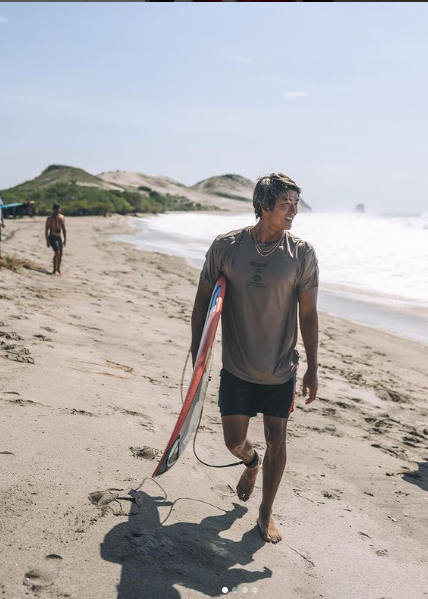
Kanoa Igarashi: A familiar household name in Japan and a name undoubtedly worthy of its growing popularity in the world of surfing, particularly in the western surfing hot spots such as Brazil, Australia, and the USA. This rising surfing star from Japan is destined to reach the top and give it his all to bring home the gold. Kanoa Igarashi is an American surfer from Japanese descent who’s been on the world-surfing scene since 2012. In 2016, at age 18, he entered as the youngest beginner to the World Surf League (WSL) Championship Tour. He is a silver medalist from the 2020 Tokyo Olympics and a 2024 Paris Olympic qualifier. Let’s dive into the life of this rising star. We will explore why Kanoa Igarashi chooses to surf for Japan. We will look at his early life, family, net worth, ranking, multilingual abilities, sponsors, participation in the Olympics and WSL competitions, world title aspirations, and his ever-growing inspirational Instagram account. Kanoa Igarashi: Birthplace And Early Years Kanoa Igarashi was born to parents Tsutomu and Misa on October 1st, 1997, in Huntington Beach, California- dubbed “Surf City.” Kanoa was always destined to surf as Tsutomu, his father, grew up in Japan and was an ardent surfer in the 1960s. Kanoa’s parents quit their jobs and moved from Tokyo to California just before his birth, hoping to raise him to be a competitive surfer. Kanoa was literally born riding a surfboard! At age 3, his father had him hitting the beach and riding the waves as early as 5:45 am each morning so he could still be on time for a day at school. By age 7, Kanoa had already signed his first endorsement deal with a local surf shop and won his first surfing trophy. The Igarashi parents were committed to grooming Kanoa into being one of the youngest and most promising surfers. The sacrifices made by his parents allowed Kanoa to live out his surfing dream and enabled him to qualify for the World Surf League (WSL) Championship Tour in 2015. Kanoa Igarashi made headlines in 2016 when he competed in the WSL for the first time and because he was the first representative surfer for Japan. He may have been the youngest surfer on tour, but he was by no means unskilled. He was about to prove his skills to be on point by surfing those waves with precision. Kanoa At The Olympics And WSL Competitions Kanoa represented Japan in Tokyo’s first-ever Summer Olympic Games in 2020. However, the games were postponed to July 2021 due to the 2019 coronavirus pandemic. Ironically, the chosen beach for the competition was the same beach that Keanu’s father surfed at back in his surfing days. Tsutomu Igarashi and his friends discovered this beach back in the ’60s. The boys climbed through fences and hiked through tall grass to find this wave. It became their little private “secret” beach, and they discovered the perfect wave they nicknamed the “Dojo.” Most of the Japanese competitors learned to surf at this beach. Little did Tsutomu know that his son would compete at this secret little beach spot at the Olympics one day. It must have been an incredibly proud and emotional moment for Kanoa’s father indeed, as the same wave his son was competing at the Olympics for the first time was the same wave that he had discovered. What a unique story, for sure! After being defeated by Brazil’s Italo Ferreira in the men’s final, Kanoa walked away with a silver medal. 2019 is marked as Kanoa’s best year yet, as he was ranked number 6 in the WSL CT World Tour and took the win. Some of Kanoa’s other significant WSL surfing achievements are:   Tournament Name Year 2016 Year 2017 Year 2018 Year 2019 Hurley Pro at Trestles 13th 5th – – Fiji Pro 13th 25th – – Billabong Pipeline Masters 2nd 3rd 13th 17th MEO Rip Curl Pro Portugal 13th 3rd 5th 3rd Quicksilver Pro France 13th 25th 25th 17th Freshwater Pro – – 3rd 9th Billabong Pro Tahiti Teahupoo 13th 13th 9th 17th Corona Open J-Bay 13th 25th 3rd 5th Oi Rio Pro 13th 9th 9th 5th Margaret River Pro 13th 13th 25th 9th Corona Bali Protected – – 25th 1st Rip Curl Pro Bells Beach 13th 25th 25th 9th Quicksilver Pro Gold Coast 9th 25th 9th 9th FINAL RANKING 20th 17th 10th 6th   Kanoa also boasts 2 US Open of Surfing champion wins in 2017 and 2018, and he is an inductee of the Surfers’ Hall of Fame, an imprint collection of legendary surfers in California Huntington Beach. Is Kanoa A World Title Holder? Even with a silver Olympic medal on the shelf and securing a quota spot to participate in the 2024 Olympic games to be held in Paris, Kanoa Igarashi has yet to become a world title holder. He secured his spot by participating in the 2022 ISA World Surfing Games and achieved one of his personal goals when he secured top 5 world status at this competition. He was grateful to have been afforded the opportunity of competing in his first world title event and to have been given a chance to fight for the world champion title holder. At the 2022 Rip Curl WSL Finals held at Lower Trestles, California, last September, Kanoa remained motivated and fixed on achieving his ultimate dream. However, Brazilian surfer Filipe Toledo walked away with his first world title at this event. We are pretty confident that Kanoa won’t give up any time soon. For now, we believe that Kanoa will focus on the qualification spot that Japan won for the men’s event for the 2024 Olympics. Considering that Kanoa won his first gold medal at the 2022 ISA World Surfing Games, we do not doubt that he will bring home a gold medal from the 2024 Olympics. He is currently taking all the steps needed to work towards his ultimate goal, a world title. We suggest you … Read more

Surfing In Australia: The Ultimate Guide

Surfing In Australia

Home to gigantic swells and gentle tides, Australia is a surfing mecca for thrill-seeking pro-surfers and beginners alike with legendary beaches ranging from the iconic Rip Curl Pro Bells Beach with its 16 feet swells to sun-kissed Bondi Beach, with its laidback surfing lifestyle.

Australia is a prime surfing destination due to the island’s massive swells that travel from Antarctica and all-year-round surf-friendly weather. It features world-class beaches like Noosa Heads, Bells Beach, Treachery Beach, Crescent Head, The Pass, Duranbah, and Superbank on the Gold Coast.

 This article covers everything you need about Australia’s surfing history, lifestyle, tournaments, and championships, including excellent surfing spots and surprising hidden gems. So, if you are rearing to go – read on!

Surfing In Australia: Facts You Need To Know

With roughly 2.5 to 3.5 million active surfers in Australia, and a wide range of excellent surf breaks spanning from Sydney to Torquay, surfing is a popular sport with an intriguing past.

Australia’s Colorful Surfing Past

There is much debate about the true origins of surfing in Australia. Hawaiian Duke Kahanamoku is credited for introducing Aussies to surfing Down Under back in 1914 and demonstrated an impressive tandem surf with 15-year-old girl Isabel Letham in 1915.

Thanks to US lifeguards, Malibu boards became trendy in 1956. Australian Bob McTavish designed the first V-bottom surfboard in the 1960s, a game changer in the surfing scene.

The first Quicksilver board shorts were created in 1969 by two Torquay surfers who started making these boards in their garage, and the iconic Gold Coast Billabong brand was launched in 1973.

Australia has produced many ASP world champions like Tom Carroll, Chelsea Georgeson, Wayne Bartholomew, Wendy Botha, and Sally Fitzgibbons. And the likes of Mick Fanning, who won an impressive four Rip Curl Pro surfing titles, to name but a few.

Why Australia Is A Premier Surfing Destination

As the birthplace of iconic brands like Billabong, Quicksilver, and Rip Curl, surfing is an integral aspect of the Australian coastal lifestyle and culture. So, it is a prime surfing destination.

This premier surfing status is underscored by the fact that three World Surf League Championship titles are based in Australia, namely the Rip Curl Pro Bells Beach, the Drug Aware Margaret River Pro, and the Quicksilver Pro Gold Coast events.

Other major surfing tournaments include the Men’s Samsung Galaxy Championship Tour, Breaka Burleigh Pro, Australian Open of Surfing, Australian Boardriders Battle, the Noosa Festival of Surfing, and the Beachley Classic.

Where To Find The Best Surf In Australia

If you are looking for the best surf spots, including some hidden gems – look no further! Here is a run-down on Australia’s best-kept secrets.

Crescent Head, New South Wales

Situated north of Port Macquarie on this 15.5-mile-long coastline, dotted with four excellent right-hand point breaks, and breathtaking rides up to 650ft, Crescent Head is hands down one of the best places to surf Down Under, so expect to jostle for space at this popular surfing spot.

The Gold Coast, Queensland

Even though surfers are spoilt for choice in Queensland, the Gold Coast, home to some of the best suffers in the world, is considered a surfing paradise with its sandy beaches and excellent waves at the likes of Snapper Rocks, Surfers Paradise, Narrow Neck, and Rainbow Bay.

Bells Beach, Victoria

The iconic Bells Beach, with powerful, gigantic swells reaching over 16 feet, is located near Torquay.

Bells Beach is also home to Australia’s oldest and most renowned surfing event, the Rip Curl Pro, which dates to 1962, so it’s clear why it is considered one of the best surfing spots in the world.

Sydney’s Northern Beaches

With a stunning 7.5-mile-long coastline that stretches from Manly to Palm Beach, the Northern Beaches are some of Sydney’s popular surfing spots.

Although the iconic North Narrabeen beach is the busiest, the coastline extends over 1.9 miles, and you can ride some massive waves at the legendary Long Beef Bommie.

Treachery Beach, New South Wales

Located at Seal Rocks, Treachery Beach, which is tucked away from all the crowds, is a hidden gem. And it’s hard to believe that this prime surfing destination with its powerful southerly swells is not well known. So, best keep it that way!

The Pass, Byron Bay

This list of the best Australian surfing spots would be incomplete without mentioning Byron Bay, with an abundance of excellent beaches like The Pass, situated near Clarkes Beach, with some of the best waves in Australia.

Noosa Heads, Queensland

With some of the best longboard breaks in the world for pro-surfers and tranquil spots in between for those new to surfing, Noosa Heads cater to all abilities.

Surfing in Australia

Exploring Australian Surf Culture

Australia’s iconic surf culture started in the ’60s when bohemian surfers like Rip Curl founders; Brian “Sing Ding” Singer and Doug “Claw” Warbrick formed tight-knit surfing communities in Victoria, Torquay, and other coastal towns.

The 60s is considered surfing’s golden age for those who wanted to escape city life and enjoy a laidback lifestyle with cheap communal house rents ($20 per week) and shared vegetarian meals.

Thus, it is no surprise that this entrenched Australian surfing culture reverberates today, with avid surfers prioritizing surfing above all else by moving to coastal areas or traveling up and down the coast looking for the best point breaks.

To illustrate how sought after the surfing lifestyle is in Australia, areas like the Gold Coast in Queensland have more active surfers per capita than any place in the world.

For instance, Coolangatta is home to legendary world-class surfers like Mick Fanning, Joel Parkinson, and Stephanie Gilmore, and the annual Quicksilver Pro Gold Coast surfing competition has been held there since 2002.

However, the Gold Coast also features the renowned Superbank, a partially artificial beach formed in 2007 with a 1.2-mile-long coast and the fastest and longest hollow surfing waves on earth.

The Gold Coast also offers a stellar lineup of competitive events in Duranbah, Superbank, and Burleigh Heads. It’s clearly a surfer’s paradise!

Best Time To Surf In Australia: A Seasonal Guide

Even though Australia’s climate varies dramatically, depending on where you are, the weather is sunny or humid during the summer and mostly dry in the winter.

So, if you are planning a trip to Oz, you will be happy to know that there’s no official surfing season, and it’s an all-year-round surfing destination for stellar waves.

Albeit, we all know that weather conditions can be inconsistent, and this is true for the hot Australian summer season, with average water temperatures reaching 79-82°F from December to February when the cyclone season kicks in with epic waves for at least a week.

However, if you plan on going Down Under during the summer, be prepared for crowded waves and steep tourist prices as it is the peak travel season.

Pro-tip: If you want to enjoy pumping swells, offshore winds, warm water with far fewer crowds, and better prices, book your trip in Autumn between March and May.

Alternatively, consider visiting Australia during the winter months from June to August. Even though the average water temperature is 66-72°F, it’s still a great time to surf. While spring is less consistent weatherwise, it’s still worth a visit.

The Australian east coast water is also far warmer than the south coast, so you can surf there without a wetsuit in the afternoons, even during mid-winter if it’s not a windy day or early on a winter’s morning (when you will need a long sleeve wetsuit).

Surfing in Australia

Top Surf Spots In Australia: Map And Details

While there are so many excellent surf spots Down Under, the following world-class beaches stand out. Here are some of the top surf spots in Oz, including maps to get there.

The Gold Cost

The Gold Coast is a surfer’s paradise, commonly known as Australia’s land of milk in honey, with iconic swell slams on beaches ranging from the legendary Coolangatta and Snapper Rocks to Kirra.

Click here to find a map of the top surf spots on the Gold Coast.

Bells Beach

Home to the annual Rip Curl Pro, Bells Beach, located along the breathtaking Great Ocean Road, and a minute’s drive from Melbourne, thoroughly deserves to be included on this list of the top surf spots in Oz.

Click here to find the legendary Bells Beach.

Byron Bay

This laidback coastal town is a trendy hangout spot for surfers, hippies, and hipsters, with a wide array of beginner-friendly beaches with private and group surfing lessons on the main beach, including Wategos Beach and Tallow Beach.

Click here to explore the top Byron Bay beaches.

Bondi Beach

Sydney’s Bondi Beach and its postcard-perfect beaches and relaxed lifestyle need no introduction. It caters to surfers of all ability levels with beginner-friendly swells and excellent right-handers in areas like South Bondi.

Click here to find the top surf spots in Bondi Beach.

Beginner-Friendly Surfing Destinations In Australia

Australia is ideal if you are looking for beginner-friendly surfing spots with excellent surf- schools, as there are so many to choose from.

If you are first time surfer, avoid beaches with massive swells or vortex barrels, and opt for beaches with lifeguards, white-water waves, and gentle tides like the following beginner-friendly beaches:

  • Anglesea in Victoria
  • West Beach in Western Australia
  • Tathra Beach in New South Wales
  • Middleton Beach in South Australia
  • Clarkes Beach in Byron Bay, New South Wales
  • Dicky Beach on the Sunshine Coast in Queensland
  • Crescent Head in New South Wales (with Kempsey-Crescent Head Surf Club flags)

Australia Surf Camps: What To Expect

Booking a surf camp is the most convenient way to travel to Australia, as the organizers take care of all your basic needs. You don’t have to worry about booking accommodation, transfers, lessons, or hiring surfing gear, or in some instances, airport transfers and meals.

With so many excellent Aussie surf camps, it’s often difficult to choose, so check out their latest reviews to find the right one.

The Best Surf Towns In Australia

Considering that 90% of Australia’s population lives close to the coast, the best surf towns are, depending on your location, a fun road trip away.

If you are planning your trip Down Under, here’s a brief overview of accommodation, dining, getting around, and other vacation activities.

Accommodation

Like most parts of the world, popular Aussie coastal cities are more expensive than small towns, so bear that in mind when shopping for accommodation.

Australia is a prime backpacking destination, so if you are traveling on a tight budget and prepared to “rough” it a little, you can expect to pay roughly 15 USD per night for a dorm room.

You can also stay at a budget-friendly campsite which typically costs 10-20 USD per night.

There are also lots of surfer-friendly hotels, particularly on the Gold Coast, with budget-friendly double room rates.

Food And Dining Out

Food is expensive in Australia, so you can expect to pay roughly 12 USD for fast food and 6-9 USD for a basic sandwich. If you are prepared to cook your own meals, it should cost you roughly 80 USD per week.

Australia also offers world-class restaurants and some of the best fresh seafood on the planet!

Getting Around

Even though taxis and trains are relatively expensive, Australia’s public bus system is affordable. Thus, getting around is easy, particularly on the east coast, where buses run between the major cities.

Another budget-friendly way to get around is by sharing rides with fellow travelers. So, if you plan on staying at a hostel, check the bulletin boards for rideshare posts.

Activities And Upcoming Events

Australia is a massive country that offers many fun activities that cater to adrenaline seekers, with abseiling, shark-cage diving, and river rafting, including wildlife enthusiasts with excursions to koala wildlife sanctuaries.

If you want to make the most of traveling all the way to Australia, check out the following, not to be missed upcoming events.

Conclusion

This ultimate guide to surfing proves that Australia is a dream come true with world-class beaches ranging from the legendary Gold Coast and the iconic Bells Beach to hidden gems like Treachery Beach that cater to beginners and pro-surfers alike with gentle tides and thrilling rides.


Body Surfing: How to Ride the Waves with Your Own Body

Body Surfing

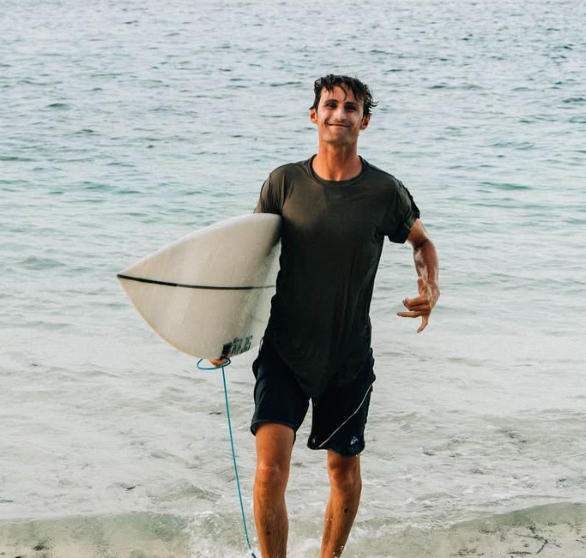
While surfing is commonly accepted as among the world’s most exhilarating and enjoyable extreme water sports, many argue it cannot compete with body surfing. The thrill of catching a wave without using buoyant devices such as bodyboards or surfboards remains unmatched. After some practice, body surfing is relatively easy for anyone to master, as this article will demonstrate.

To bodysurf, find an optimal wave, usually breaking near the shore. Once you have identified an appropriate wave, wait for it to approach before swimming toward it. Allow the wave to lift your body slightly while kicking your legs to maintain balance and extending your arms to direct yourself. 

Over the previous few decades, body surfing has continued to distinguish itself from traditional surfing, developing into a highly competitive global sport. To the inexperienced individual, body surfing can seem intimidating; however, rapidly progressing is not uncommon with the correct understanding, timing, technique, and confidence. However, a few vital factors all beginners must keep in mind.

Body Surfing For Beginners

Body surfing is the same as traditional surfing, except for a surfboard. If you have ever caught and ridden a wave without using a surfboard, you have unknowingly body-surfed.

Despite body surfing being easier to learn than traditional surfing, obtaining the optimal technique, timing, and skills requires several hours of practice. The best waves for bodysurfing are usually between one and three feet high, allowing surfers to ride the wave directly toward the beach.

It is worthwhile noting that most experienced surfers agree that body surfing is easier to learn, advance, and master as it requires no equipment or powerful waves. Instead, body surfing will require you to position your body in front of the wave before it breaks.

Your body position and momentum before the wave reaches you are vital. An incorrect body position will likely result in you missing the wave or being harshly dumped by it. The best way to body surf is to align yourself with an appropriate oncoming wave before gently swimming toward it.

Once your chosen wave gains momentum, you can catch it by pushing off the seabed’s surface and lurching your body in the same direction the wave travels. For inexperienced body surfers, it is recommended to hone the correct technique in shallower waters where you comfortably stand before progressing to deeper waters with significantly more powerful waves.

Body Surfing

How Difficult Is Body Surfing?

Body surfing is considered by many to be easier to learn than traditional surfing, longboarding, or kayaking, as it does not necessitate any equipment.

However, body surfing can be incredibly challenging and frustrating for people without sufficient swimming skills or the ability to accurately read oncoming waves. Yet, with several hours of dedicated practice, body surfing can be easy, enjoyable, and satisfying.

An often-overlooked benefit of learning how to body surf is how it permanently enhances surfing and swimming skills while simultaneously allowing you to thoroughly understand how waves function, build up, and break.

Anyone can learn how to body surf within an hour or two. Once you have mastered catching a wave without using a surfboard or accompanying flotation device, you will rapidly progress due to improved confidence, enhanced ability to read waves accurately, and overall swimming skills.

Health Benefits Associated With Body Surfing

Body surfing is closely associated with numerous health benefits as the water sport is among the best workouts imaginable.

While you may not notice how hard your body is working during your body surfing sessions, the extreme water sport is known to significantly benefit muscular endurance, strength, and cardiovascular fitness.

Furthermore, how the body moves while body surfing will indirectly benefit your overall balance and flexibility, balance and flexibility are crucial to body surfing as the extreme water sports necessitate a specific body position to successfully catch smaller, less powerful waves.

At the same time, if you do not have any of the required physical characteristics associated with body surfing, you will obtain them within the first few hours of practice. Once you can repeatedly catch waves without a flotation device, you will inadvertently and permanently enhance physical and cardiovascular fitness while benefitting your general balance and flexibility.

Body Surfing Vs. Surfing: Similarities And Differences

While there are many similarities between body surfing and traditional surfing, they are considered two separate extreme water sports.

The main and obvious difference between body surfing and traditional surfing is the requirement of a flotation device. Purchasing, maintaining, and utilizing a modern surfboard can be expensive; however, you can body surf without any accompanying equipment, making it appealing to millions of people globally.

Moreover, body surfing usually occurs in shallower waters closer to the shore. This allows extreme water sports to be additionally accessible for anyone, as various forms of surfing equipment are not readily accessible to most beachgoers.

In addition to a pricy surfboard, surfers must buy other equipment such as wax, a wetsuit, and a vehicle big enough to comfortably carry the costly extreme water sports gear. Body surfing can offer a similar experience and thrill to traditional surfing, yet it is usually significantly cheaper for most beginners.

Body Surfing

Body Surfing Tips And Tricks: How To Advance Your Skills

Despite many inexperienced body surfers experiencing some form of frustration during the learning phase, most will rapidly progress once they have the hang of it.

If you are comfortable regularly catching waves without using a flotation device, there are numerous tricks to learn, which will unquestionably make the entire experience more enjoyable. After learning the basics, the best skills to master are known as the dolphin dive, the turtle roll, and the spin.

The best and most advanced body surfing tips and skills to try are:

  • Learn how to bodysurf and navigate bigger beach breaks.
  • Attempt to navigate powerful shore and reef break waves.
  • Learn to let powerful waves dump you while holding your breath and submitting to the water’s movements.
  • Utilize forceful rip currents.
  • Master the duck dive timing technique.
  • Identify, catch, and ride massive beach breakers.
  • For the best and most confident body surfers globally, master the art of riding under the barrel of an enormous wave.

While the mentioned advanced body surfing moves may seem daunting to inexperienced individuals, they are straightforward to master if you put in the required effort. At the same time, body surfing is an incredibly enjoyable water sport, making the learning phase enjoyable.

While you enjoy your time in the water, you will indirectly advance your skills to the point where you can comfortably catch bigger, steeper, and more powerful waves. The bigger, more powerful waves will dramatically enhance your body’s surfing experience, making the process incredibly enjoyable, thrilling, and exhilarating for millions globally.

There is always more to learn regarding body surfing, as those people with creative and adventurous minds will find countless ways to advance their skills, cultivate new tricks, and continuously improve their enjoyment levels while in the water.

Conclusion

Body surfing is among the world’s most popular extreme water sports due to the undoubted thrill, enjoyment, and exhilaration it has always been associated with. Learning how to body surf can be challenging, although it is straightforward to master after practicing for a few hours. If you have never body surfed, take this as a sign to get into the water and experience one of life’s greatest experiences.


Surfing In Costa Rica: A Complete Guide

Surfing in Costa Rica

Surfing in Costa Rica is like riding an exhilarating wave of adventure surrounded by natural bliss! It’s where the majestic Pacific meets tropical shores, creating a paradise for wave riders worldwide. Breathtaking surf spots, and year-round swells, beckons both beginners and seasoned to take the boards and get gnarly. So, what’s there to know about surfing the waves in Costa Rica? Among the most popular spots to surf in Costa Rica include Tamarindo, Witches Rock, and Pavones. Sharing the coasts with the lively surfing culture, you will find that the Pacific Coast offers ideal waves from May to October, while the Caribbean Coast gets more action from November to April. Surfers here know that each spot has its own personality and rhythm. And Costa Rica’s coasts boast an abundance of incredible surf spots waiting to be explored. The country is blessed with two coasts that offer tons of great surf spots to choose from, and this guide will provide you with insider tips to ride awesome waves and make your experience unforgettable. Where To Surf In Costa Rica Being a surfer’s dream, Costa Rica boasts over 800 miles of coastline and countless waves to choose from. So, if you’re looking for a mellow beach break, a hollow reef break, or a long point break, you’ll find it somewhere in this tropical paradise. Here are some awesome tips and recommendations to help you plan your epic surf trip. Costa Rica Surf Map: Top Surf Spots To get a bird’s eye view of the best spots to surf in Costa Rica, check out this handy surf map (Surfline) showing the location and data of the country’s most famous and popular waves. That aside, note that Costa Rica has two main coasts: the Pacific and the Caribbean. The Pacific coast has more surf spots and more consistent waves throughout the year, while the Caribbean coast has fewer spots and more seasonal waves that depend on storms and hurricanes. With the Pacific as the most popular, its coasts can be divided into four regions: North & South Guanacaste, Central Pacific, and South Pacific. Each section has its own vibe, climate, and surf conditions. Here are some of the need-to-know highlights of each area: North Guanacaste: This is where you’ll find some of the most iconic surf sites in Costa Rica, such as Witches Rock, Ollie’s Point, Playa Grande, and Tamarindo. This region is known for its offshore winds, dry weather, and world-class waves ranging from beginner-friendly to expert-only. It’s also a popular tourist destination with many amenities, nightlife, and activities.   South Guanacaste: The south is where you’ll find some of the most attractive and secluded beaches, such as Avellanas, Playa Negra, Marbella, and Mal Pais. This region is known for its laid-back atmosphere, lush vegetation, and uncrowded waves that can be fun for all levels, with a consistent spread that could accommodate a whole army of wave riders.   Central Pacific: This is where you’ll find some of the most accessible and diverse surf spots, such as Playa Jaco, Hermosa (north), Esterillos, and Manuel Antonio. This region is known for its warm water, rainy weather, and consistent waves ranging from small and playful to big and powerful. It’s also a convenient place to stay, with plenty of accommodation options, restaurants, shops, and attractions.   South Pacific: Just south is where you’ll find some of the most remote and adventurous surf spots in Costa Rica, such as Dominical, Uvita, Matapalo, and Pavones. This region is known for its tropical rainforest, abundant wildlife, and epic waves that can be long and perfect. It’s also a challenging place to travel to, with limited infrastructure, services, and crowds. Best Surfing Spots For Beginners In Costa Rica For those eager to hang ten and ride the waves in a safe and stoked atmosphere, Costa Rica’s got your back with a rad lineup of beginner-friendly spots. You’ll be looking for gentle, playful waves that break over a sandy bottom, making them easy to catch and ride. Moreover, you would also find nearby surf schools, camps, shops, and instructors around the area to help you learn the basics or up your surfing game. Check out these epic waves where beginner surfers can paddle out and catch their first epic vibe in Costa Rica:   Tamarindo: Known to be among the most popular surf towns in Costa Rica and a great place to learn how to surf, the main beach has several peaks that offer small and friendly waves for beginners. Also, take a boat trip to nearby spots like Witches Rock or Ollie’s Point if you want to challenge yourself with bigger waves.   Playa Cocles: This is one of the best surf spots on the Caribbean coast and an excellent place to learn how to surf when the swell is small. The beach has a wide sandbar that creates soft waves perfect for beginners. You can also relish the laid-back vibe of the town and the area’s spicy beauty.   Nosara: Among some of the most beautiful surf towns in Costa Rica, it’s a great place to learn how to surf. The main beach, Guiones, has a long stretch of sand that offers multiple peaks that suit different levels of surfers. The waves here are usually smooth and well-formed, thanks to the offshore winds.   Manuel Antonio: This place is stunning and a total hotspot in Costa Rica, making it a terrific choice to kickstart your surfing journey and catch some epic waves surrounded by jaw-dropping beauty. The main beach has a wide and flat sandbar that creates gentle waves ideal for beginners. Little Hawaii: Costa Rica’s World-Class Surfing Destination Prepare for an adrenaline-pumping challenge at Little Hawaii, a world-class reef break in Playa Avellanas. This secluded gem in South Guanacaste demands skill and courage, with long paddles, strong currents, and waves reaching up to 18 feet. But the reward? Unforgettable rides on powerful right-handers. Surrounded by sm epic scenery—think green hills, palm trees, and crystal-clear water—you can … Read more

How Long Does it Take to Get Good At Surfing?

how many hours does it take to get good at surfing

Getting good at surfing doesn’t happen overnight. Ok, maybe for some. But it’s not the case for everyone. If you’ve never been on a surfboard before, it’ll take a few days of intensive practice in the water before you can say you’re good at it. Under the right conditions, learning to surf can take as little as fifteen minutes. However, to be good at surfing, it will take many hours of practice to learn the skills. You can speed up your progress by spending lots of time in the water, staying fit, and hiring a surfing coach. However, not everyone has the right conditions when they decide to learn to surf. For some, it can take a few months or years, especially if there’s no ocean nearby. The truth is, you can only expect to get good at surfing with actual practice. But how long would it take someone with the determination and the right conditions? Is There a Magic Number of Hours to Become a Good Surfer? Unfortunately, there isn’t a magic number of hours to become a good surfer; besides, “good” is a subjective adjective. Learning to surf can take anything from 15 minutes to a few months, but becoming a good surfer takes more practice in the right conditions. For example, imagine you’re on holiday in Hawaii. You’ll learn to surf faster by spending every day in the warm water there than by practicing every other weekend in cooler conditions. The truth is, you will learn to surf and become good at it at your own pace. Check out the following factors that will affect your learning pace. What Are Some Factors That Affect Learning to Surf? Many factors affect someone’s ability to learn how to surf. However, if you’re looking to learn to surf quickly, the following factors will stand in your favor: Adequate Levels of Fitness and Strength Surfing requires a lot of energy, so you must have moderate fitness, strength, and stamina. For example, you need to paddle a lot to get to the right waves, endure swells, and be able to pop up on your board quickly when the time is right. Without adequate fitness, mobility, strength, and stamina, you will tire quickly and need to rest more frequently between surf sessions. Flexibility Surfing requires flexibility for the different stances on the board. You must be able to jump between different riding positions quickly, whether paddling on your belly, popping onto your haunches, or riding in a goofy or natural pose. Being flexible helps to switch between these positions more readily. Try to practice some regualr mobility exercises for surfing, or many surfers swear by yoga! Good Balance Balance is another factor that will influence a person’s ability to learn to surf. A good start is having a strong core, but the ability to balance on a moving object is advantageous. Having a background in skateboarding, snowboarding, or other board sports could be helpful because you need to balance and transfer your weight while on a board. However, remember that the ocean offers more variables than solid ground, so the balance required in surfing is more dynamic. Equipment Learning to surf will be easier if you have equipment suited to your needs. For example, beginner surfers tend to learn faster on longboards. However, your surfboard should be suitable for your weight and height. Additionally, wearing the right wetsuit will help you stay in the water longer, especially on cooler days. Other equipment that could benefit a beginner surfer’s learning include a leash to keep your board close, and even a helmet. Age As with anything, the earlier you learn a skill, the more time you have to master it. People who grew up in a surfing culture are more likely to be good at surfing than someone who only learns in their 30s, for example. There is no age limit on learning how to surf. If you have the willingness, fitness, equipment, and ability to read waves, you stand a good chance of learning to surf. Location Learning to surf is easier when you’re at a beach with smaller, consistent waves . Additionally, it helps if the seabed below you is sandy and not rocky or near a coral reef. Rocky beaches with inconsistent waves aren’t ideal places for people to learn to surf and might slow the learning process. Foresight Foresight usually comes with a bit of practice and experience. For example, it helps to use your energy wisely when paddling. Also, it would help if you had the foresight to help position yourself to catch the waves at the right time. Tips To Help You Progress Faster in Surfing There are ways to help you progress faster through the intermediate surfer phase. Here are some tips to guide you: Regular Practice The more you practice surfing, the better you’ll get. You’ll improve your fitness, wave-reading, and skill through regular practice. If you can practice regularly, try out different surfing spots to expose yourself to various sea conditions. Some aspects of surfing you can focus on during early practice sessions include the following: Your paddling speed and capacity between catching waves and when lining up for a wave. Popping up to a standing position quickly. The faster you can get to an upright position, the better. Your foot positioning. For example, your front foot shouldn’t be positioned straight forward. Instead, it should be at a 45° or less for improved control. Your standing stance. It should be relaxed, with knees slightly bent, unlike the beginner “poo man” stance, which looks like you’re squatting to go to the toilet. Catching waves at an angle before they break so you can ride them for longer. Get Feedback from Experienced Surfers Experienced surfers have a wealth of knowledge and a keen eye for what works and doesn’t work in certain conditions. You can ask more experienced surfers for feedback or advice on an aspect of surfing you’d like to improve. Alternatively, you can sign … Read more

How Fast Do Electric Surfboards Go? Exploring

How Fast Do Electric Surfboards Go

Is there anything worse than wanting to surf but having no waves to do so? Fortunately, you can always use your electric surfboard to get on the water, whether nature wants it or not. Thinking about how fast you’ll go before doing so would be a good idea. So, how fast do electric surfboards go? Electric surfboards can reach a speed of up to 40 miles per hour. Most surfers choose a much slower speed, so they can ride for longer. The average surfboard battery can last from thirty minutes up to six hours. The battery lasts less at higher speeds. Do you want to ride some waves, no matter the weather? Grabbing your electric surfboard and going to the beach may be the perfect answer. If you don’t have one yet, it’s time to do research before buying yours. First, you have to learn what an electric surfboard is. What Are Electric Surfboards? An electric surfboard is a regular surfboard with a small engine. These engines often use lithium batteries to power through, making it safe to go out to open waters and surf with no trouble. The main difference between a regular surfboard and an electric one is its weight (besides having an engine). An e-surfboard weighs 70 pounds on average. In contrast, your average surfboard usually weighs 10 times less, 7 pounds or so. An electric surfboard, in other words, is a 70-pound board that can reach speeds of up to 40 MPH. How Do Electric Surfboards Work? Electric surfboards rely on their engine to power either a propeller or a jetstream. More often than not, these engines rely on lithium batteries to work. You leave your board charging for an hour or two and get up to six hours of fun in return. It may seem like this type of surfboard is simple and straightforward, but it’s a technology that’s been close to a century in the making. These surfboards have come a long way since their first appearance in 1935. They were long and heavy at first and not for commercial use. Manufacturers made them to help lifeguards. It evolved a fair bit throughout the years, but it wasn’t until the 2010s that it caught the people’s attention. If an electric surfboard catches your attention, you should learn a few safety tips. Safety Tips For Electric Surfboards You should always keep your cool when riding an electric surfboard, use protection (e.g., headgear and vest) if you’re a beginner, and never ride in crowded areas. Don’t go too fast at first, and make sure you know how to fall (e.g., fall to the side of the surfboard’s direction and stay away from the propeller). Are you going to store your electric surfboard for a long time? Make sure you keep its battery at 40 to 50%. Charge them a bit every one or two months, but never above that number. Speaking of batteries, never keep your surfboard under the sun because it can overheat them. How Fast Can Electric Surfboards Go? The fastest electric surfboards reach speeds of up to 40 MPH. Some may reach speeds a tiny bit faster than that. Most models on the market will probably take you to speeds of up to 30 to 35 MPH, and they will do so for a short time since batteries will run out of power if you go that fast. Riding on an electric surfboard is not about going as fast as possible. It’s about enjoying the sea and having fun. On that note, it’s important to know you can surf for hours if you’re not trying to top your e-surfboard speed nonstop. Do you want speed? Jet skiing is a great alternative. Will My Electric Surfboard Be As Fast As A Jet Ski? The average jet ski is much faster than the best e-surfboard. A jet ski can travel anywhere between 40 to 70 MPH without trouble. In contrast, an electric surfboard can reach up to 40 MPH. These two products don’t have the same features or goals. A jet ski provides speed. However, an electric surfboard offers something much more interesting. It gives you a different experience when out at sea. You’re much closer to the water and in more control of the board. Simply put, riding on an electric surfboard is an interesting, hands-on experience. Riding a jet ski is all about speed. Both are fun! What Is The World’s Fastest Electric Surfboard? You can find multiple electric surfboards that have top speeds of up to 40 MPH. Most e-boards don’t get anywhere that fast, as they top out at 30 to 35 MPH. Remember, speed is not the name of the game when riding one of these boards, though it’s understandable to want to go fast when you have to spend $5000 to $10000 to get this type of board. Exploring The Speeds Of Hydrofoil Surfboards Are you looking for an electric surfboard alternative? You may want something different or faster than the average e-surfboard. However, hydrofoil alternatives are not faster, though they’re lighter, making them a bit more convenient. These boards usually weigh 10 pounds less. How Fast Can Electric Foil Boards Go? You can go up to 30 MPH when riding an electric foil board. Most people prefer to ride at 12 MPH to make the most out of their board’s battery and have better overall control. Electric surfboards can go much faster than these boards. What Is The Fastest Electric Foil Board? One of the faster electric foil boards (perhaps the fastest) is the Lift Cruiser eFoil. It can go as fast as 34 or 35 MPH. It’s almost 20% faster than the average electric foil board. Conclusion An electric surfboard can reach speeds of up to 40 MPH. Most surfers prefer to go much slower than that to make batteries last for longer. First-time e-surfboard riders should start slow to understand how to use the board. At the same time, both beginner and veteran riders should … Read more

Feed Your Stoke. Join the Surf Hungry Crew

Surf tips, gear reviews and travel guides straight to your inbox

"*" indicates required fields

Privacy*
This field is for validation purposes and should be left unchanged.