7 Best Wakesurf Board Bags | Travel | Protect

wakesurf board bag is needed to protect the wakesurfing board

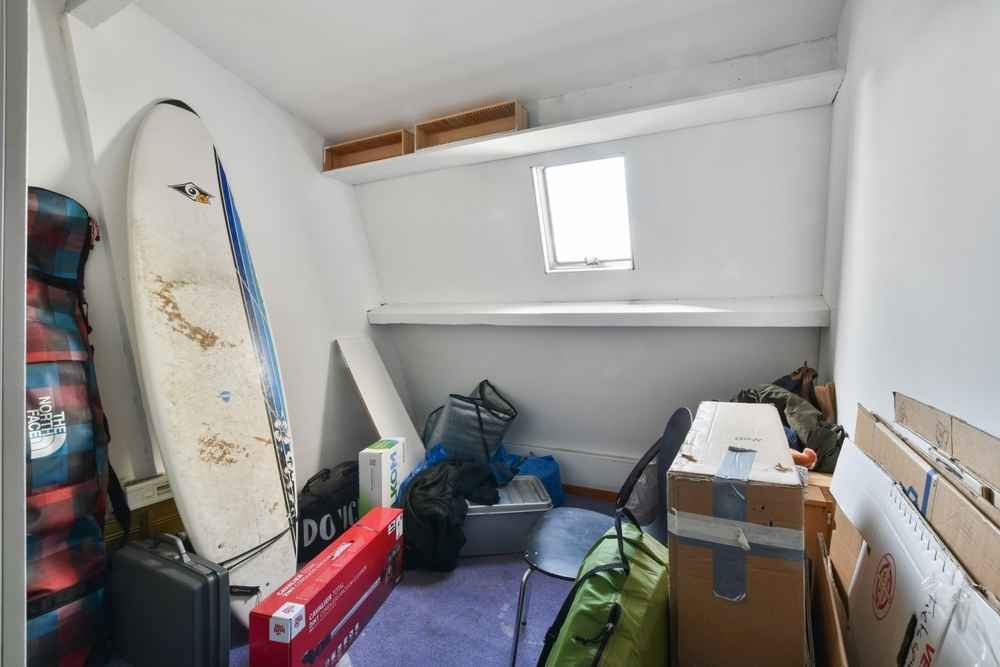
You can consider the wakesurf boards as investments, especially if you are a serious watersports athlete. You probably own a high-end and expensive wakesurf boards, if you are like me, you travel with your boards between sessions. That is why you do not want the money you spent on your investment to go down the drain because of the cracks, mildews, and other damage on your board. For this reason, you need something that will protect it when you’re traveling between your wakesurfing sessions.  You need to select among the best wakesurf board bags. However, there are several products available on the market. You cannot just buy anything that your eyes will see first. These bags seem the same because of the single function they provide, but they differ. That is why you should know how to buy a bag. If you do not know where to purchase, you can also look at the best products as a guide. Top 7 Best Wakesurf Board Bags Reviewed If you are curious to know the best wakesurf board bags in the industry, you can read about the following products that most users love. Hyperlite Wakesurf Board Bag Ronix Sleeping Wakesurf Bag Surf Sock Hyperlite Producer Wakesurf Board Bag Ronix Dempsey Surf Case Mission Boat Gear SOX Wakesurf Surfboard Sock Hyperlite Blunt Nose Wakesurf Sock Liquid Force Skim Day Tripper #1. Hyperlite Wakesurf Board Bag  Specifications: Length (inches): 57.6, 64 Bag type: padded Capacity: one The Hyperlite Wakesurf Board Bag 2020 has ample storage. It has inner and outer pockets that allow you to store wet and dry equipment. It offers several ways to carry it. You can wear it like a backpack, hold it by hand through a reinforced handle, or take it on your shoulder through its padded strap.  #2. Ronix Sleeping Bag Surf Sock Specifications: Length (inches): 50, 61, 72 Bag type: sock Capacity: one The Ronix Sleeping Bag Surf Sock does feel like a sock, and the tip feels like vinyl. This product is economical and compact. It offers a straightforward way to store board to protect it from slight dings and dirt. The Ronix Sleeping Bag Surf Sock is lightweight too. You can also fit in a board easily to its drawstring closure system.  #3. Hyperlite Producer Board Bag Specifications: Bag type: padded The Hyperlite Producer Board Bag is foam padded and has multiple storages. It fully opens so that you can store the board inside easily.  The Hyperlite Producer Board Bag has a padded shoulder strap, and grip and move handle for portability. It also comes with a female variation.  #4. Ronix Dempsey Surf Case Specifications: Length (inches): 62, 69 Bag type: padded Capacity: two boards The Ronix Dempsey Surf Case has a padded shell that makes this bag durable. It also has a shoulder strap that feels comfortable. This product can fit up to two boards. It also has an external pocket and a fin protector. #5. Mission Boat Gear SOX Wakesurf Surfboard Sock Specifications: Length (inches): 54, 55, 57, 64 Bag type: board sock The Mission Boat Gear SOX Wakesurf Surfboard Sock is available in different colors, which the manufacturer describes as green grass, zeeebra, and orange pushup. This product protects the board from impact. It is also lightweight and not thick. The Mission Boat Gear SOX Wakesurf Surfboard Sock fits boards of different sizes and shapes. It protects the board from the sun. Taking the board in and out is easy because of the cord closure system. #6. Hyperlite Blunt Nose Wakesurf Sock Specifications: Length (inches): 56, 64 Bag type: board sock Capacity: one The Hyperlite Blunt Nose Wakesurf Sock 2020 is nylon plush terry cloth fabric-made. It has a drawstring closure system that makes storing the wakeboard easier. It also has a fin pouch. #7. Liquid Force Skim Day Tripper Specifications: Length (inches): 52 Bag construction: padded The Liquid Force Skim Day Tripper protects boards that have 849 D nylon and 420 polyester constructions. Boards with attached fins can fit this board. The Liquid Force Skim Day Tripper has a lining that can keep the board dry. Its silver-colored back helps protect the product from the sun. This wakesurf board bag also has padded shoulder and internal covers. Our Favorite Wakesurf Board Bag There are several good wakesurf board bags on the market. These listed products are among the best that most riders love. What stands out the most among these products is the Hyperlite Wakesurf Board Bag. This board bag provides spacious storage where you can place your watersports paraphernalia. It features inner and outer pockets where you can put your stuff. It is also highly portable because of the several ways that you can carry it. You can wear it like a backpack, hold it by hand, or strap it on your shoulder. This bag is also padded, which means that it protects your board better than the sock type. This product is advisable for short-distance travel to the sea. Why Is There a Need for a Wakesurf Board Bag Although the answer to this question seems familiar, some people believe that board bags are unimportant. They think that it will only be a waste of money. They claim that they can protect their boards by only handling their boards with care. However, accidental impacts and sun’s UV rays are something that a rider cannot protect its board from with just proper handling. Also, you cannot be with your board 24/7. That is why you cannot guarantee its safety. Wakeboards are fragile and prone to damage. Unless your home is at the seashore, you will need to travel with your board to do your watersport passion for the sea. Along the way, your board will be prone to bumps and damages. Even if your home is close to the shore, your boards are not safe from environmental challenges. Mildews, sun, and other factors can damage it. For this reason, you also need a bag to store it. Wakesurf board bags … Read more

Top 14 Best Wave Pools in the World

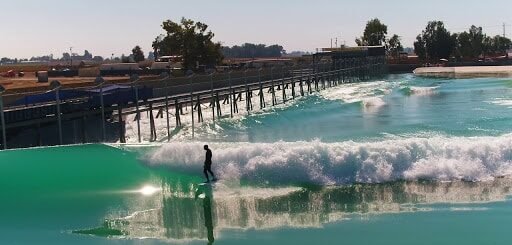
Man surfing at The Wave in Bristol

Surfing may be a sport that is greatly associated with the world’s mighty oceans, but today, it’s no longer an ocean-only activity. In 1934, the first publicly available wave pool in London was constructed. Although it wasn’t made for surfing, this became the seed that eventually produced a few of our modern-day artificial wave technologies. While it will forever be true that nothing can beat the ocean as a surfing teacher, the best wave pools do present some merits. For instance, some avid surfers may live in a landlocked area, with the ocean being at least a few hundred miles away. But, with an accessible wave pool nearby, they now have a chance to hone their surf skills on a more regular basis, even if it’s in a controlled environment. Top 14 Best Wave Pools in the World Are you an ocean purist who’s ready to try the novelty of man-made waves? In this post, we’ll talk about 14 of the best wave pools that the world currently has to offer, and how you can make the most out of them! Note: We’ve arranged this list geographically to make it easy for you to plan your future trips, should you ever be interested in checking them out! BSR Surf Resort (United States) Kelly Slater Surf Ranch (United States) Typhoon Lagoon at Disney World (United States) Praia da Grama (Brazil) The Wave (United Kingdom) Surf Snowdonia (United Kingdom) The Wave Palace at Siam Park (Spain) Eisbach (Germany) Alaïa Bay (Switzerland) Roaring Lagoon at Valley of Waves (South Africa) Wadi Adventure (United Arab Emirates) Wave Park (South Korea) Surf Beach at Sunway Lagoon (Malaysia) URBNSURF (Australia) Americas #1: BSR Surf Resort (Waco, Texas, U.S.A.) Barefoot Ski Ranch, or more popularly known as BSR, is considered as one of the leading water facilities in the United States. The resort was initially known for its cable park, lazy river, and royal flush slide. Eventually, BSR teamed up with American Wave Machines (AWM) to build a 2-acre surf lake that utilizes PerfectSwell® Infinite Ocean™ technology. BSR Surf Resort offers public sessions for beginner, intermediate, and expert surfers. The schedules are typically made available 4-6 weeks in advance. Beginner waves are slow and they’re 1-2 feet high. The fee for the beginner option already includes a soft top board rental. It can accommodate a maximum of 20 surfers per session. Intermediate waves are chest high and each session can accommodate a maximum of 12 surfers. The waves here are similar to those fun sessions you get at your local surf spot. Recommended boards include fishes, funboards, longboards, and mini tankers. Expert-level waves, meanwhile, are head high and are comparable to the famed bowls of Hawaii’s North Shore. Only 9 surfers at a time are allowed during expert sessions. To get the most out of these waves, it’s best to bring high-performance shortboards or bodyboards. To book the wave level of your choice, you can click here. A beach pass is also available for $15 for those who just want to hang out at the beach. If you prefer to have the wave pool all to yourself, BSR Surf Resort entertains private bookings. You can check out the fees here and fill out the form to make your reservation. Address: 5347 Old Mexia Rd, Waco, TX 76705, United States #2: Kelly Slater Surf Ranch (Lemoore, California, U.S.A.) Kelly Slater is an American professional surfer who is widely recognized for his 11 World Titles in the World Surf League (WSL) Championship Tour. As both the youngest and the oldest World Champion in men’s surfing history, it’s no wonder why he’s considered the greatest competitive surfer of all time. His passion for surfing eventually translated to a surfer’s ultimate dream: to recreate the best ocean waves in an artificial environment. Kelly may have ridden the first viral wave of the Kelly Slater Surf Ranch in 2015, but the whole idea was 10 years in the making. To turn his dream into a reality, Kelly teamed up with some of the best minds in the field of fluid dynamics. Kelly and his team, the Kelly Slater Wave Company (KSWC), spent years experimenting with different prototypes until they perfected what is now the patented Kelly Slater Wave Systems. Kelly Slater’s wave pool operates on a simple plow system that is comparable to Wavegarden’s Lagoon. A submerged hydrofoil is pulled down a track beside the 700-meter x 150-meter pool, which creates waves that are 3-8 feet high, depending on the foil’s speed. To date, the KSWC system produces the longest open-barrel artificial waves available to mankind. If you’re able to ride a wave all the way to the end, the whole experience can take up to a minute — which is probably one thing that a wave pool can beat the ocean in. For those who are interested in trying out the Kelly Slater’s Surf Ranch, check out the “How to Get In” section of our article here. Address: 18556 Jackson Ave, Lemoore, CA 93245, United States #3: Typhoon Lagoon at Disney World (Orlando, Florida, U.S.A.) Disney World’s Typhoon Lagoon is Disney’s oldest water park. More importantly, it has a wave pool that is big enough to actually surf in! No wonder it’s the park’s signature attraction. The waves here can go as high as 6 feet. For safety reasons, guests can only surf before the park opens or after it closes. You can either take a beginner or an intermediate surfing lesson, or rent the whole pool privately for 3 hours. Surfing classes are held prior to the park’s opening. The schedules usually vary depending on the season. Interested guests must be at least 8 years old to join. At this point, the lessons cost $199 per student, including tax. Each class is approximately 2.5 hours long and accommodates a maximum of 12 students. It also comes with towels, beginner surfboards, and access to light continental breakfast. To avail of Typhoon Lagoon’s surf lessons, you can contact (407) 939-7529 and … Read more

11 Best Big Wave Spots in the World

Big Wave Spots in the World surfed by kai lenny

Big wave surfing is not for the faint of heart. With waves starting at 20 feet and limited only to the sky, adrenaline junkies and big wave enthusiasts pride themselves on finding and conquering some of the world’s best big waves. With breaks such as Mavericks, Pipeline, Puerto Escondido, and Nazare, the globe is not short of monstrous breaks. The following is a list of a few of the world’s best big wave surf spots, where to find them, and just how raw they can really be. 1. Mavericks Location: Half Moon Bay, California, USA. Type of break: A-frame. Ideal conditions: Incoming low to mid tide with W – NW winds and 16+ second swell period. Best time of the year: November – March. Wave size: 15 – 50 feet. Biggest wave ridden: Approximately 50-foot (Grant “Twiggy” Baker). When surfers think of shark-infested, ice-cold winter waters, with 30-foot waves breaking overhead, Mavericks are often the first break that pops to mind. Just 20 miles south of San Fransisco lies the world-famous, and undeniably dangerous “Mavs”. Working best on a winter swell, Mavericks has become one of the best known, and most dangerous breaks ever surfed. This wave closes out when it reaches approximately 30-foot, but provides more punch than a bus going full speed down a highway. 2. Banzai Pipeline Location: North Shore, O’ahu, Hawaii. Type of break: Reef break. Ideal conditions: Mid tide with a mid-to-long swell period and a WNW – NW swell direction. Best time of the year: October – March. Wave Size: 9 – 20 feet. Biggest wave ridden: N/A. Pipeline is possibly the most dangerous surf break on the planet. Claiming the lives of seven surfers (that are known of) since the 1980s, this raw, hollow wave will send you crashing into a sharp coral reef when you make the slightest error. Typically averaging 6 – 9 feet, this pipeline is not an easy wave to ride. Double the wave size when the correct conditions arrive and you have a beast that’s not easily tamed. Pipeline, although dangerous, is one of the most famous known surf breaks and is constantly overcrowded when it is working, except during competitions such as the Billabong Pipe Masters and the Da Hui Backdoor Shootout. 3. Waimea Bay Location: North Shore, O’ahu, Hawaii. Type of break: Reef break Ideal conditions: NW swells with an ESE wind direction. It’s best surfed on a medium tide. Best time of the year: November – April. Wave size: 30 – 85+ feet. Biggest wave ridden: 85-foot (Ken Bradshaw, 1998). A legendary surf spot located on the Northshore of O’ahu, Waimea Bay is considered by most as the birthplace of big wave surfing. Home to the big waves surf and lifeguard legend Eddie Aikau, Waimea Bay is a tranquil beach paradise with warm water and flat oceans until the winter swell begins to roll in and the conditions are flipped on their head. It is not uncommon to find 20-foot waves at Waimea during the winter months. This spot is incredibly popular and often overcrowded when waves are smaller. As the swell picks up, however, fewer and fewer surfers dare to make the paddle out. Each year the “Eddie” is held at Waimea to honor Eddie Aikau for all he did for the community by doing what Eddie did best, surf big waves. 4. Pe’ahi (Jaws) Location: Pe’ahi, Maui, Hawaii. Type of break: Reef. Ideal conditions: NNW swells with SSW wind direction. Tide does not play a major role. Best time of year: November – March. Wave size: 30 – 80 feet. Biggest wave ridden: Assumed to be approximately 100 feet (Makuakai Rothman, 2021). Possibly the largest, heaviest, and fastest wave in the Pacific Ocean, and without a doubt, the most famous, Jaws is a break that very few surfers have and ever will surf. Jaws is a finicky wave that can turn from a big wave surf paradise to a washing machine of death in a few moments with the smallest wind or swell direction change. Jaws was first surfed in the 1900s and is the birthplace of tow-in surfing, thanks to the legend Laird Hamilton and his crew. 5. Teahupo’o Location: Teahupo’o, Tahiti, French Polynesia. Type of break: Reef. Ideal conditions: SSW swells with a cam NE to ESE wind direction. Works on any tide. Best time of the year: May-August. Wave size: 10 – 30 feet. Biggest wave ridden: 25-foot (Matahi Drollet, 2021). Teahupo’o may not be the biggest big wave spot in the world, but it certainly may be the heaviest, and has, without a doubt the thickest lip around. Teahupo’o was first surfed in 1986 by bodyboarders Mike Stewart and Ben Severson and in 2000 became the location of the heaviest wave ever surfed when Laird Hamilton dropped into a wave now known as the Millennium Wave. Although there has only been a single recorded death at Teahupo’o, it is still listed in Transworld Surf’s list of “Top 10 Deadliest Waves” and pays true homage to its translated name “to sever the head” or “place of skulls.” 6. Nazare Location: Praia do Norte, Nazaré, Portugal. Type of break: Wedge. Ideal conditions: WNW – NW swell with a long swell period. Gentle E – SE winds with a medium incoming tide. Best time of the year: December – February. Wave size: 40 – 100 feet. Biggest wave ridden: 101.4-foot (unofficially) by António Laureano,2020. If you are looking for the biggest surfable waves in the world, then there is nowhere else to look but Nazare, Portugal, specifically Praia do Norte. Breaking over a deep undersea canyon, Nazare is home to the biggest waves to ever be surfed. The current official world record for the biggest ever surfed wave is 80 feet and was conquered by Brazilian big wave surfer, Rodrigo Koxa, although António Laureano claims to have surfed bigger. Strange as it may seem, there have been no surfing-related deaths at Nazare, but this could be because of the incredibly small … Read more

Kelly Slater’s Surf Ranch – Perfect Waves

Kelly Slater's Surf Ranch

“Kelly has created a quintessential, perfect wave. And, to be able to get that over and over again is really going to push the envelope for surfing like it’s never been pushed before.” – Gerry Lopez Kelly Slater only dreamt about a surf ranch. He had it in his thoughts, with all the concepts carefully planned and executed in his mind. Finally, in 2015, the ten-year experiment to create the perfect inland wave happened. Kelly Slater’s Surf Ranch opened the doors of fully functional artificial waves for anyone who wishes to ride a hundred miles of perfect waves. Still, many people ask – how are these magnificent waves formed? Are they rideable? Is it worth it? This article will take a deeper look at Kelly Slater’s Surf Ranch, and we’ll let you decide for yourself. The Kelly Slater Wave Company and the Surf Ranch One of the most famous man-made waves in the world, Kelly Slater’s Surf Ranch, was ten years in the making. The project transformed an abandoned waterski park in Lemoore, California, into an upscale surf ranch. His team at the Kelly Slater Wave Co combined cutting-edge science, engineering, and design to develop the most extended and rideable open-barrel artificial wave in the world. What’s best about this “freak of technology” is that it is powered entirely by solar. The team partnered with PG&E’s (Pacific Gas and Electric) Solar Choice Program that lets clients go 100% solar without installing any solar panel. This technology allowed Kelly Slater’s Surf Ranch to pioneer wave technology that supports sustainable power initiatives. Kelly Slater’s Surf Ranch: How It Works The first thing you need to understand is how the technology used in Kelly Slater’s Surf Ranch is far different from those used in wave pools. Unlike Waco Pool’s Perfect Swell Technology that creates three different wave sets, Surf Ranch gives you a single long open-barrel ride. What the Surf Ranch can compare with is the Wavegarden’s Lagoon and Surf Poel in The Hague. Its system uses a simple plow design where a specially designed submerged foil is pulled down a straight track at high and low velocity. This pulling motion displaces the water to create a wave that breaks along the wave pool’s specially designed bathymetry or depth of the pool. The large and noisy machine gets adjustments that temper the speed of the plow that affects the wave’s steepness and size. What makes it different from the Wavegarden’s Lagoon is how the wave only plows a rideable swell on one side of the track. Yet, the Surf Ranch is bi-directional, and it goes in one direction to create lefts and the other direction to create rights. The Surf Ranch’s pool is 700 meters long and 150 meters wide. It clocks in at 45 seconds, making it the longest of any of the world’s wave pools ever. It generates a wave that ranges from 3 to 6 feet about every two minutes. Then, it takes roughly 3 to 4 minutes for the water to calm between waves. How To Get In? The Surf Ranch is still limited, mainly for regular surfers. You can’t show up at the Ranch without any confirmed booking. But, if you get in, there are three ways to surf the pool as an everyday surfer: VIP experience Hiring the Surf Ranch for the day Friends and Family Day The VIP Experience includes accommodation, merchandise, access to concerts, catering, and two 1-hour surf sessions on the wave pool with all the equipment you need. This all-inclusive deal costs $5,499 and a $182 booking fee. Note that there is no guarantee that you will be the only VIP throughout the day. Thus, you might end up sharing the 1-hr session with other visitors. The Surf Ranch, if rented for the day, will cost you $50,000 during peak season. Off-season costs are at $35,000. While this option is open to everyday surfers, understand that this price tag could be for groups composed of team riders for a brand, national teams, or training camps. That’s roughly $415 per wave during high season and $290 during low season! The costs can be a little intimidating, but you can still surf at the Surf Ranch on special occasions. Kelly Slater, after all, has a good heart and lets staff’s family and friends try out the wave. If you know the right people, you can definitely get in. Facts and Figures About Kelly Slater’s Surf Ranch This wave pool location 200 miles from the coast and surrounded by dairy farms holds many facts you will find interesting. Here are some of them. Kelly Slater was 14 years old when he first experienced riding in an artificial lake. It was a surfing demo he and his brother Sean made in a small surf pool in Texas. It was 2006 when he met up with the British amateur surfer and aerospace engineer Adam Fincham. Adam specialized in geophysical fluid dynamics. He, later on, became the head scientist of Kelly Slater Wave Company. One of the potential names for the Surf Ranch was “Kelly Slater Surf Experience.” The prototype was unveiled in 2015. It pumped 45-second barreling waves. The lake’s contours were designed and perfected with the aid of advanced supercomputers. “The Vehicle,” the 100-ton hydrofoils run down a track with the help of more than 150 truck tires. It goes 18 miles per hour. The Surf Ranch’s depth that reaches 6.5 feet can be adjusted to fit beginner, intermediate, and advanced surfers. The World Surf League bought a significant stake in the Kelly Slater Wave Company in 2016. This move paved the way to the Surf Ranch Pro (later renamed Freshwater Pro), a professional surfing competition held annually at the Surf Ranch. The Surf Ranch address is 18556 Jackson Ave, Lemoore, CA 93245. By 2026, the Surf Ranch will be more than what it is today. It will be a 155-acre structure with an additional public wave pool and various support facilities. The Surf Ranch took … Read more

Top 8 Best Surfboard Socks

best surfboard socks

As a surfing aficionado, you understand that the best surfboard socks are the protective solutions that will keep your piece of surfing equipment in pristine condition for a long time. But if you are new to surfing, you may need information on the most optimal cover for your surfboard. This online discussion is helpful because you will learn about the best surfboard socks available today. These eight products are among the top-rated and leading brands meticulously handpicked from a massive selection of high-quality surfboard covers. The following are the surfboard socks you can discover more about in this article: Top 8 Best Surfboard Socks Reviewed Creatures of Leisure Day Use Shortboard Cover Ho Stevie! Canvas Surfboard Bag Cover Curve Supermodel Longboard Surfboard Bag Single Day Culprit Surf Protective Pocket Surfboard Socks with Round Nose FCS Stretch All-Purpose Cover DaKine Daylight Longboard Bag Pro-Lite Surfboard Sock – Longboard Rogue Iron Sports Surfboard Sock Cover 1. Creatures of Leisure Day Use Shortboard Cover – Best Overall Surfboard Sock Specifications:  Construction: Hydrophobic Diamond-Tech fabric Colors: Black-Black, Charcoal Cyan ’19 Other features: 600D polyester bottom, Air Flow Ventilation System, Ethylene-vinyl acetate or EVA-reinforced padded carry handle,  Marine-grade and corrosion-resistant PK nylon zipper, Shoulder strap that is an ergonomic mesh-lined, 12-month warranty Being a surfing enthusiast, you may always go for premium-quality surfing accessories. If you select the Creatures of Leisure Day Use Shortboard Cover, you will get the best quality that you want. It is one of the best surfboard socks available in the market today. Creatures of Leisure has been in the surfing accessories market for more than 25 years. With its rich history, this firm has engineered the Creatures of Leisure Day Use Shortboard Cover as one of its most optimal and high-quality surfing solutions. With single-board capability, this product is for day-to-day use, and it is the ideal surfboard sock to get you to and from the beach. The Creatures of Leisure Day Use Shortboard Cover features an exclusive top made of Hydrophobic Diamond-Tech fabric. This sophisticated material features impressive stability in high temperatures and resistance to ultraviolet or UV degradation. The Creatures of Leisure Day Use Shortboard Cover’s construction fabric is also a custom-made interwoven dobby material with a hydrophobic coating. It has a 600D polyester bottom as well as a corrosion-resistant and marine-grade PK nylon zipper. Moreover, you will not regret availing of the Creatures of Leisure Day Use Shortboard Cover because it has more advantageous features, such as the Air Flow Ventilation System and the 5-millimeter closed-cell foam padding. You will not have a problem carrying this product because of the comfortable ethylene-vinyl acetate or EVA-reinforced padded carry handle on the surfboard sock’s underside. Plus, you will find the shoulder strap lined with ergonomic mesh and 10-millimeter foam internal padding, adding more convenience. 2. Ho Stevie! Canvas Surfboard Bag Cover Specifications: Sizes Available: 6’0” surfboard socks = 24” wide. 6’6” surfboard socks = 24” wide, 7’0” surfboard socks = 26” wide, 7’6” surfboard socks = 26” wide, 8’0” surfboard socks = 26” wide Construction: Canvas surfboard bag Colors: Surfboard socks feature Black, Gray, and Green canvas Other features: Available in five sizes, Drawstring closure, Durable canvas You do not have to worry about surf wax that melts all over your car. Ho Stevie! Canvas Surfboard Bag Cover is the optimum solution for your concern. The maker of one of the best surfboard socks understands that it is genuinely challenging to nearly impossible to clean up the melted surf wax in your vehicle. Hence, they created Ho Stevie! Canvas Surfboard Bag Cover. This surfboard sock keeps your vehicle tidy by preventing the melted surf wax in your car’s interior from causing hassle. Also, the Ho Stevie! Canvas Surfboard Bag Cover appears simple, but it looks attractive as a canvas surfboard bag with black, gray, and green hues. This surfboard cover is perfectly sturdy so it will not make you worry about snagging or ripping. The Ho Stevie! Canvas Surfboard Bag Cover is also protective against harmful ultraviolet sunlight and unwanted dings. With the drawstring closure, you can feel assured that your surfboard is tucked in the surfboard socks safely. The Ho Stevie! Canvas Surfboard Bag Cover is worth buying. You can remark that it is truly one of the best surfboard socks available today, too. Why? It is because it is wide enough for most longboards. The 8’0″, 7’6″, and 7’0″ surfboard socks are 26 inches wide. Meanwhile, the 6’6″ and 6’0″ versions are 24 inches wide. The manufacturer will make you feel pleased with its 100-percent satisfaction guarantee policy. You can get your complete refund if you do not feel satisfied with the Ho Stevie! Canvas Surfboard Bag Cover you purchased. You simply need to return the product within one month or 30 days. 3. Curve Supermodel Longboard Surfboard Bag Single Day Specifications: Construction: 600D poly canvas Color: Silver Other features: All sizes have the 18-inch Finslot with Velcro closure, 1/8-inch or 3-millimeter foam core, Shoulder strap that is non-removable, extra-large, adjustable, and padded, Side carry handle, Extra-long and super-sturdy big tooth #10 zipper, which features Delrin anti-corrosion slider, Both sides include semi-reflective silver tarpee As a surfer who wants established firms’ quality products and services, you will appreciate the Curve and its offerings. The company has manufactured premium-quality and the best surfboard socks since 2005. With this track record, you will find Curve’s Supermodel Longboard Surfboard Bag Single Day worthy of trying. This surfboard sock offers the most exceptional day protection for your surfing equipment. The Supermodel Longboard Surfboard Bag Single Day by Curve is a surfboard sock made of reinforced 600D poly canvas. It features the 18-inch Finslot, which includes the Velcro closure and lets the unused part of the opening stay closed up to the fin. Besides, the Curve Supermodel Longboard Surfboard Bag Single Day is comfortable to carry, thanks to the side carrying handle and the extra-large and non-removable shoulder strap that is adjustable and padded. They make the surfboard cover and your surfboard … Read more

How to Ship a Surfboard | Travel with Boards

how to ship a surfboard, how to pack a surfboard

When Doug Faulter, a professional photographer and amateur surfer, lost his Lyle Carson Surfboard after getting wiped out in one of his rides in Hawaii.  After diving to look for it, posting on social media, getting help from his friends, his board was never found. In some surf-godly way, the board showed up 5000 miles from where he lost it – the Philippines. Doug showed gratitude by raising money to send the finders some surfing goodies and a surfboard. In his Facebook post, he mentioned a box big enough to ship a couple of surfboards was around $600. But, what does that amount include? More so, if you were in Doug’s position, how would you ship a surfboard? This article will discuss shipping surfboards and making sure it gets to its destination safely. First Things First: Packing We can’t reiterate enough how difficult it is to ship surfboards because they are fragile and bulky. But, as long as they are packaged well, they can withstand the bumps and thumps of shipping. What you need: Surfboard box (should be a couple of inches longer and wider than the board) Packing tape Plastic bag Bubble wrap Packing foam (thin perforated sheets, torn into 12 x 24 inches) Utility knife How to Ship a Surfboard Be sure to detach any removable parts from your surfboard and package them separately.  Slip your surfboard into the plastic bag. This will keep them from getting ugly adhesive residues left by packing tape. Bind both ends of the plastic bag, either with tie wraps or a knot. Wrap both ends with packing tape to keep the board from moving around in the plastic. Fold the 24-inch wide plastic foam sheet in half and tape it to the side of the board that will sit on the bottom of the box. Wrap your surfboard with bubble wrap. Bubble wrapping may not be necessary, but who can say no to extra protection? The extra cushion is another set of best defense around the vulnerable spots on your board. Wrap the rails with your 24-inch wide foam sheet and packing tape. Take another foam sheet and wrap the nose and tail. Box your safely packed surfboard. You may want to stuff both ends of the box with old clothes, jackets, towels, or extra bubble wraps. This keeps your surfboard from moving around inside the box. It can also reduce the impact of bumps on the surfboard.  Seal the box with packing tape. Be sure to stamp it with one of those red fragile and this side up stickers. Or, you may write them with the good old sharpie. Be sure to write your information, like your name, address, and contact number, in case it gets lost in transit. Final Thoughts: Shipping Your Surfboard Now that the surfboard’s packed, you may want to re-inspect the box before signing for the delivery thoroughly. Some surfboard owners get insurance for their board, and honestly, it isn’t such a bad idea.  Anything can happen along the way, and you want to have someone to turn to for help to remedy a bad situation. Check out surfboard shipping rates via UPS, DHL, FedEx, or other logistics companies that cater to shipping surfboards. Often you can type in details of the surfboard, and the website will give you an estimated amount. FAQs (Frequently Asked Questions) Q: Where can I get appropriate boxes for shipping surfboards? A: Retail stores like Green Light Surf Supply offers surfboard shipping boxes. But, they do not sell them online, so you will have to drop by their physical store. You can also make one out of any boxes as long as you know the dimensions of the surfboard. You can resize them to fit your surfboard accordingly. Q: How much does it cost to ship a surfboard? A: Logistics companies like UPS regard surfboards as big and bulky and may require special handling. There is no definite amount for shipping since it depends mainly on the distance between the pick-up and delivery addresses as well as the size and weight of your surfboard. Related Resources How Long Does It Take to Make A Surfboard? A Beginner’s Guide to Surfing How to SUP Surf Surfing Competitions 7 Easy Steps on How to Wax a Surfboard Luke MorrisLuke is an avid athlete and the driving force behind Surfhungry, a vibrant online platform dedicated to sharing the joy and passion of surfing and water sports with enthusiasts around the world. With a deep-rooted love for the ocean and a lifelong commitment to riding waves, Luke’s journey as a surfer has inspired him to create a community where like-minded individuals can come together to celebrate their shared passion.

What Is A Hawaiian Lei? | The Beckoning Aloha Tradition

What Is A Hawaiian Lei

There’s something about coming to Hawaii that makes us feel overly welcome as we arrive. A greeting so powerful, it starts a sense of place in arriving and even departing from this place. This distinct greeting symbolizes the islands and affection for loved ones. The Hawaiian Lei. Early Polynesian voyagers who traveled on the long and tiring journey from Tahiti to the Hawaiian Islands established the tradition of receiving and gifting a lei. But, what is this tradition, and why is it still widely practiced despite modern times. Find out what is a Hawaiian Lei as this article unfolds the beautiful Aloha tradition and culture that we all love. What Is A Hawaiian Lei? A Hawaiian Lei is a decorative garland worn around the neck or on the head. Lei comes in various materials and lengths (flowers, leaves, nuts, ribbons, candy, money, etc.). In Hawaiian culture, Lei was traditionally offered to symbolize love, friendship, honor, celebration, and greetings. The wearing of Lei in ancient Hawaii symbolized riches, monarchy, and status. It’s also linked to the hula hoop, religion, and geography. The History of Hawaiian Lei Early Polynesian voyagers brought the lei tradition to the Hawaiian Islands, sailing by the stars in sailing canoes from Tahiti. Hawaiian Lei custom began with these early settlers. Flowers, leaves, shells, seeds, nuts, feathers, and even animal bone and teeth were used to make the Hawaiian Lei. According to Hawaiian tradition, ancient Hawaiians used these garlands to beautify themselves and distinguish themselves from others. Perhaps the most important was the Maile lei. It was used to represent a peace accord between rival chiefs, among other holy applications. The leaders would symbolically tie the green Maile vine in a Heiau (temple), and its completion would officially create peace between the two groups. Hawaii is a state made up of eight major islands. Each island has its unique Lei, reflecting a harmonious combination of texture and color. Due to rigorous agricultural rules, most of these Lei cannot be shipped to the mainland. Hawaii (Big Island) – Red or the Ohia Lehua flower Oahu – Yellow with the gold ‘Ilima Maui – Pink and the Lokelani rose Kauiai – purple with the Mokihaa Molokai – Green with Kukui Lanai – Orange with Kauna’oa Niihau – White with Pupu o Ni’ihau (shells) Kaho’olawe – Hinahina Lei And the Custom of Aloha With the introduction of tourism to the islands, the Lei quickly became a symbol of Hawaii for millions of visitors worldwide. Tourists and visitors came to Hawaii by boat before the familiar hum of airline jets could be heard in the sky. Many elderly Hawaiians reminisce about their “boat days” with fondness. As the boat arrived at the port, it was a social party with lei greeters, hula dancers, music, and photographers. Tossing one’s leis into the ocean near Diamond Head Crater was a common custom for departing travelers. This gesture is practiced in beliefs that they’d be safe and sure to return to Hawaii if their Lei drifted to shore. Every May 1st has been designated as Hawaii’s official “Lei Day” since 1928. It’s known as “May Day” in Hawaii. The flower lei is celebrated on May Day with Hula, parades, and music. Most parents request a day off work on May Day so that they may watch their children engage in school-sponsored May Day activities and programs. On May Day, everyone in Hawaii is urged to wear a lei. Hawaiian Lei Flower Meaning and Lei Flowers Used There are several materials used to produce Lei, including raffia, yarn, fish line, or even dental wax for stringing, and the most common flowers used for lei garlands include: Carnations – The Missionaries introduced Ponimo’I to Hawaii, with women wearing white and men wearing red carnations. Plumeria – also known as Melia in Hawaiian or Frangipani, is a five-petal flower with a beautiful tropical aroma and a rainbow of hues ranging from white to yellow to orange to pink to deep red. Arabian Jasmine – This flower, known in Hawaii as Pikake, was brought to Hawaii by Chinese immigrants. It has a mellow and sweet aroma commonly used in weddings and special events. Roses – also known as the Lokelani rose, are a favorite accent flower on Lei and come in various hues to match any event. Orchids – are preferred to be utilized with the white and purple dendrobium kind used for producing an orchid type of Lei because of its sturdiness and beauty. Ginger – traditional Micronesian or Malaysian ginger blossoms have a powerful, enticing scent and are commonly used for anniversaries, birthdays, or other special occasions. Stephanotis – or Pua Male in Hawaiian is called the wedding flower with its sweet-smelling scent. The name Pua Male translates into “Marry Flower,” making it a fitting choice for weddings. Lei Etiquette There are very few rules when it comes to wearing a Hawaiian Lei. There is no need to wait for a special occasion to wear one. It is totally acceptable to buy or manufacture a lei for oneself. Locals keep a nut, seed, or shell lei on hand for special occasions. Flower, fern, and feather lei are frequently used on hats. When getting a Hawaiian Lei for the first time, there are a few “unspoken guidelines” to keep in mind. A Hawaiian Lei should be a joyful expression of one person’s love for another. As a result, always accept a lei and never refuse one. Accept the lei as described above, then discreetly and apologetically slide it off if you are unable to wear it due to allergies or sensitivities. If you are unable to wear the lei, it is appropriate to give it to your significant other. A Hawaiian Lei should be softly wrapped over the shoulders and hung down both in front and behind the wearer. Removing a lei from your neck in front of the person who presented it to you is considered impolite, so if you must, be discreet. Birthdays, anniversaries, marriages, … Read more

Who Are The Hawaiian Gods? | Hawaiian Mythology

who are the hawaiian gods

One of Joseph Campbell’s quotes says that “Myth is the secret opening through which the inexhaustible energies of the cosmos pour into human cultural manifestation.” The connection between humans, myth, and nature is apparent in Hawaii, once called “The Big Island.” Hawaiian mythology isn’t just a piece of history from long ago. It’s a widespread spiritual belief among many of the island’s indigenous people. Hawaiian kahunas’ (or priests) ancient chant – the epic Kumulipo traces humanity’s origins to a cosmic night believed to be the concept of biological evolution. Let’s take a closer look at Hawaiian mythology. We’ll learn who are the Hawaiian Gods and goddesses, and we’ll see how many of the island’s best attractions are linked to old stories. Who Are The Hawaiian Gods? Hawaiians still follow the ancient Hawaiian religion and mythology. Kāne, Kanaloa, Kū, and Lono were the four main Hawaiian gods of the people and the chiefs in the past and present. Each of these Hawaiian gods is different, and each community worships a different version of them. The Four Main Hawaiian Gods Kāne: The God of Creation and the Sky The father of living creatures The highest of the four major gods Kāne was the creator and the god of light in Hawaiian mythology. He was also a significant person in the world. Each time Kane is used in a title, it means the creator god. A lot of places where he lives call him “Tane.” He lives in Tahiti and New Zealand, as well as southeast Polynesia. People prayed to him as the god, gave him Kapa cloth, and gave him small amounts of alcohol. There are a lot of myths about Kāne, who is said to live in a floating cloud between earth and heaven. Kāne is said to live off Kauai’s west coast. Kane-huna-moku, or “hidden land of Kāne,” is the place’s name. It was thought to be the place where the sacred water of life, which has magical properties like making people rise from the dead, was found. In Hawaii, the great white albatross was thought to be a god because it was so white. Some Hawaiian chants were written for Kāne in the 19th century. They seem to have been inspired by early Christians who came to the island. The Hawaiian gods Kāne and Kū, and Lono were thought to be part of a primordial trinity with Kane, where the two Hawaiian gods helped Kane make heaven and earth. In one myth, they made a man and a woman in a land called the marvelous land of Kane. Kū: The God of War The god of war, politics, farming, and fishing The husband of goddess Hina Kū, the Hawaiian god of war, is often called Tu in Polynesia. The words ku and tu mean being stable, standing tall, or rising up. The war god had a high place in the pantheon because there were a lot of fights between tribes and island groups. In fact, King Kamehameha I was very fond of Kū, and he had a wooden statue of him with Kū when he went on many wars. The war god Kū also played a lot of other roles. He was called Kūʻula-kai, which means “Ku of the sea,” and Kū-moku-hāliʻi, which means “Ku of the canoe.” Because of how he spread the forest, he also became known as Kū-moku-hāliʻi, or Ku the island spreader. In Hawaii, Kū was linked to male fertility and the husband of Hina, and he and Hina were called on in rituals to help people have children. Lono: The God of Peace, Rain, and Fertility The god of agriculture Associated with fertility, rainfall, music, and peace Lono was the Hawaiian god of agriculture, and he was linked to fertility and the sky’s clouds, storms, rain, and thunder. When people call him by his full name, they call him Great Lono Dwelling in the Water. His symbol was the akua loa, which is a long staff with a carved human figure on top. Its neck has a crosspiece and is decorated with feathers, ferns, and Kapa cloth. Lord Lono, also known as Rongo or Ro’o in southeastern Polynesia, was also a Hawaiian god who could help people get better. There, he goes by the name of Ono in the islands of the Marquesas. In Hawaii, there were a lot of temples built for him that were used for medical things. The priests also asked Lono for rain and many crops, especially during the rainy season. The makahiki, which is a celebration of the annual harvest, was named after him because of this. Many people on the Hawaiian island thought Captain James Cook was their god Lono when he came to their island in 1778. Even the priests held a ceremony in their temples to honor him. In the end, the people in Hawaii realized that he was just like them. A fight broke out between the British and the Hawaiians, and Cook was killed. Kanaloa: The God of the Ocean The god of the underworld Teacher of magic and ruler of the ocean Kanaloa, Kāne’s younger brother, was the god of the ocean and wind in Hawaii. His name is Tangaroa, and he is one of the most important Hawaiian gods in all of Polynesia and is considered the best. However, his authority and roles vary from one island group to the next one. Even though he didn’t live on the island, Polynesians even thought of him as their creator and main Hawaiian god. Kanaloa was not as important in Hawaii as Kane, Ku, and Lono as the three Hawaiian gods. This is likely because people later arranged their pantheon to look like the Christian triadic pattern. Hawaiians thought of him as the god of squid, or sometimes an octopus that lived deep in the ocean. His own temple was not very common, but he was mentioned in prayers and celebrated during a specific time of the lunar month. People in Polynesia believe … Read more

Top 5 Best Kitesurfing Schools in The World

best kitesurfing schools

Kitesurfing isn’t as simple as it seems. It can be perilous. So dangerous that the first rule of kitesurfing is never to try to learn how to fly a kite by yourself. More especially if there is no one with you in case anything goes wrong. What you can do by yourself in learning how to kitesurf is to become familiar with power kites. Traction kites, for one, can help you understand how wind and kites work in partnership to generate speed. Kitesurfing schools are still the best place to learn to kite and get better technically. So, while understanding how power kites work, research kitesurfing camps that can help you learn and hone your skills. This article listed down five of the best kitesurfing schools and what to expect in a kitesurfing school. What Is A Kitesurfing School? As the name suggests, kitesurfing schools are establishments that offer lessons for kitesurfing. Most of the time, these schools offer packages that cover your kitesurfing lessons as well as your accommodation and equipment use. Kitesurfing schools differ from one another. Some of them go further and offer additional inclusions like meals, non-kiting activities, and transport. Others do not have accommodation on-site, and you will find it on your own. But, even if they don’t offer somewhere to stay, they can assist you in finding one. These establishments are primarily about learning how to kitesurf. Your days will be spent on the waters under the guidance of a coach or an instructor. It is far different from kitesurfing holidays, usually leaning towards intermediate and advanced kiters looking for a new place to kitesurf. Best Kitesurfing Schools There are numerous kitesurfing schools worldwide, but not many may offer the accommodations and services you need. We narrowed down five of the exceptional and far-out kitesurfing schools that you may want to consider to learn how to kitesurf. SoCal Kitesurfing (Long Beach, California) School Specifications: Beach: Kite Beach Belmont Shore, CA Wind: 15-20 mph Season: 12 mos (Best months are March to October) Certification: IKO Kite Center Activities: Beginner and advanced lessons Rental gears and wetsuits 2-way radio instruction Downwinders Supervised rentals Hydrofoil lessons and rentals Amenities: Lifeguards boat rescue Free street parking and paid lot Public restrooms Outdoor showers Nearby restaurants The Kite Beach in Belmont Shore, California, is the best place for SoCal Kitesurfing to instruct kitesurfing students. It is the only safe and legal beach in LA and the Orange Counties due to the break wall that blocks the waves. This makes learning fast and safer. SoCal Kitesurfing doesn’t only teach you how to kitesurf. It also educates you about finding the right gear, providing ongoing support tips, and introductions to a community where you can get help, tips, and tricks until you become a confident rider on your own. They offer beginner to advanced lessons, and they consider your comfort level so you can move fast or slow. They take pride in being the only kitesurfing school in California where the instructor joins the student in the water, giving help when needed the most. Signing up to SoCal Kitesurfing includes lesson packages, an IKO Certification card (with worldwide validity), your choice of SoCal Kitesurfing cap or shirt, and a photo of your lesson. All of their lesson packages are facilitated by experienced and certified staff with consistent and proven teaching methods. VKC Kite School IKO Center (Viale Al Lago, Italy) School Specifications: Beach: Lake Santa Croce, North-East Italy Wind: 12-18 mph Season: All year round Certification: IKO Kite Center and UISP Activities: Beginner and advanced lessons (kitesurf, wingsurf, SUP) Rental gears and wetsuits Body-drag Supervised rentals Amenities: Bed and breakfast Restaurants Bars Tennis courts Playground Well-kept beach Tower and lifeguards The primary location of the VKC Kite School is the Lake of Santa Croce. This lake is what the team believes to be the ideal place to start kitesurfing. But, they also have other beaches where they offer courses, including Sottomarina, Boschettona, Levante Beach, and Jesolo. Their staff and highly qualified instructors evaluate you on the spot and determine which course you should be in according to your knowledge of the sport. All of their classes – Start Course, Basic Kitesurf, Advanced Kitesurf, and Independent Kitesurf come with complete equipment and kiter assistance. Bed and breakfast are part of the school’s amenities. If you decide to make these accommodations, you will also experience daily and nightly events held at the beach. These events attract many tourists from all over Italy and neighboring areas. The VKC Kite School is IKO Kite School and UISP certified. After the course, you will be issued an official IKO patent and VKC Shirt. One that can show off the course you took with top-quality equipment for safety and maximized kitesurfing education. Adventure Sports (Noosa, Australia) School Specifications: Beach: Lake Lake Weyba, Noosa Wind: 12-18 mph Season: 10 months from October to July Certification: IKO Certified Training Centre (Level 3) Activities: Beginner and advanced lessons (kitesurf, wingsurf, SUP) Short private kitesurfing lessons Group kitesurfing lessons Rental gears and wetsuits Body-drag Supervised rentals Amenities: Accommodation Restaurants Well-kept beach Headzone radio coaching Tower and lifeguards Adventure Sports believe that kitesurfing is one exciting activity that one should experience at least once in their life. Therefore, it became their mission to make new kitesurfers, and they do that by focusing on teaching each individual what they need to know to get out there in their own way. Their team allows learners to enjoy the sport of kitesurfing by providing only the very best instructors, equipment, and beautiful and accommodating locations to maximize progression, safety, and fun. What’s more, is that they are the only council-approved and permitted kitesurfing school in Noosa. This kitesurfing school’s most popular kitesurfing lesson offers hours of private 1-on-1 instruction using radio coaching helmets. The experienced instructors let you out on the water with the latest gears to guarantee you are confident and competent with all the skills you need. All Adventure Sports kitesurfing lesson … Read more

Top 7 Best Surf Towns in the World

Best Surf Towns

If you eat, sleep, and dream of surfing, immersing yourself in a surf town’s culture will be one of the greatest experiences you’ll ever have. You’ll get to meet friendly locals, ride the same waves with the pros, know about history, eat good food, watch the sunset every day, party every night — the list goes on!  It’s every surfer’s dream to live in a vibing surf town, so if you’re looking for suggestions on where to start your adventure, you’ve come to the right place. This list contains the best surfing communities around the globe, including their must-see attractions and some local tips about surfing, food, and lifestyle.  Top 7 Best Surf Towns in the World Haleiwa, North Shore, Oahu, Hawai’i Santa Teresa, Costa Rica Hossegor, France Siargao, Philippines San Clemente, California Byron Bay, Australia Tofino, Canada 1. Haleiwa, North Shore, Oahu, Hawai’i If you’re looking for an authentic surf town experience, then why not start at the surfing mecca of the world? The town of Haleiwa in North Shore, Oahu is a quaint surf destination that’s popular among surfers and non-surfers alike. It has a coastline that stretches out to seven miles, where you can also find some of the sought-after waves like the Pipeline and Waimea Bay.  Best time to visit The surfing season for Oahu is from October through April. In these months, the beaches here are crowded with tourists and surfers of different skill levels. Expect restaurants, bars, and hostels to be filled to the brim.  The peak months from November to December are when you can find outrageous waves that only the surfing experts and respectable locals have the guts to ride. During this season, surfing competitions are held here, like the Vans Triple Crown of Surfing and the Reef Hawaiian Pro.  Famous surf personalities Decades ago, you might’ve had the chance to surf alongside surfing legends like Duke Kahanamoku and Eddie Aikau on the ‘Seven Mile Miracle’ beach coast. These days, however, you can still get lucky and bump elbows with some of the famous photographers and superstars who live in North Shore, like Laird Hamilton, Billy Kemper, and Jamie O’Brien.  Where to go If you’re keen on trying adrenaline-pumping activities, you can bungee jump with the locals on the Rainbow Bridge. But if you’re looking for a mellower activity, you can try paddleboarding along the Anahulu River right under the same historic bridge instead.  Families looking for relaxation can visit Haleiwa Beach Park. Even during peak months, this area on the North Shore has calm waves and a more relaxed vibe.  Oahu’s got a rich surfing culture and history. If you want to learn more about it, you can visit the Haleiwa Surf Museum a.k.a. ‘House of the Frigate Bird’. The admission here is free, so that’s already a win in our books! Must-eats A trip on the North Shore isn’t complete without trying Matsumoto Shave Ice — a rainbow-colored treat drenched in different kinds of homemade syrups like Lilikoi and Ume. Heads up, though, there’s a long line of tourists waiting to be served here, so you might as well order a couple of bowls to get your time’s worth. Each cup of this dessert is priced at USD 3.50.  Local tips Local surfers here are pretty territorial with their waves, so avoid spots that are already claimed. Another one to keep in mind is don’t paddle and pull back during critical wave conditions.  2. Santa Teresa, Costa Rica Nestled in between the jungles of the Nicoya Peninsula lies the little surf town of Santa Teresa. It’s a locality with a village-like atmosphere because of its rugged and unpaved roads, palm tree-lined beaches, and pristine waters with steady waves all year round. Its community consists of locals and young foreigners that keep a slow-paced and mellow way of life.  Between you and us, we would have chosen Santa Teresa as our top pick — the only issue we have is the travel coming here, which is quite an inconvenience if we must say. Best time to visit To fully enjoy your time in this surf town, we recommend coming here in the ‘green season’ when the trees and plants are at their greenest because of the rains. This lasts from May to December, and during this time, you can expect consistent barrels and large peaks. The peak season for tourists, however, is from July to September, so you may want to avoid that if you hate crowded lineups. Where to go If you’re a mid-level or an experienced surfer looking for some serious waves, head to Playa Carmen. It’s located right at the center of Santa Teresa, a reason why it gets cramped most days. Head-to-shoulder waves and barrels are pretty common here, however, the wave conditions may vary depending on the spot.  For beginners, we suggest going to Playa Hermosa. Although more remote and farther from town, the lineup here is smaller and the waves are calmer.  Must-eats Santa Teresa is located in the remote part of Costa Rica, which is a distance away from airports and other towns. It’s quite an isolated area, so the locals created their own community where everything is within walking distance. As a result, Santa Teresa today is full of shared spaces, Airbnb’s, bars, sunset cafes, and restaurants owned by expats offering different cuisines. Among the bests here are Caracolas Beach Restaurant (seafood fine dining), Earth Cafe (healthy cafe), and Katana (Asian).  Local tips The best time for surfing is between the hours of 4:30 pm to 6:30 pm. This will give you a good view of the sunset before hermit crabs show up at the beaches.  Another local tip is to travel here while the tourists are still manageable. It’s a developing community, so it’s just a matter of time before this place gets too commercialized. 3. Hossegor, France Combine Steamer Lane’s biggest breaks with baguettes and wine and you’ll get Hossegor — a French surf town in Europe with a Californian beach … Read more

Feed Your Stoke. Join the Surf Hungry Crew

Surf tips, gear reviews and travel guides straight to your inbox

"*" indicates required fields

Privacy*
This field is for validation purposes and should be left unchanged.