Can You Travel with an eFoil?

can you travel with an e foil, can you travel with a hyfrofoil surfboard

Nothing spoils a trip like traveling with your eFoil and finding it broken or damaged when you unpack it. So, really, can you travel with an eFoil? eFoils and electric surfboards are expensive, and damaging yours can cost you lots of money to repair. Traveling with your eFoil without damaging it requires proper preparation and knowledge to ensure it gets to the destination in one piece. There are various factors to consider before traveling with an eFoil. A few countries do not allow eFoils, and some states in the U.S. require registration. An eFoil has lithium-ion batteries that require a protective case that adheres to certain regulations before it is allowed on a plane.  Spend the day having fun by taking your eFoil to one of the many beautiful lakes or beaches. There are some important things to think about in advance if you intend to carry your eFoil on a trip. To make sure everything runs without a hitch, let’s go through them. Tips For Traveling with an eFoil If you are considering traveling with your eFoil and wonder if you can, relax! You can. Before taking a flight or hitting the road to your destination, you must consider certain factors. If you’re looking for information on eFoil travel regulations, we can provide practical advice to ensure a hassle-free experience. Regulations for eFoil travel are discussed in this article, which is helpful. It offers pointers for eFoil travel that is hassle-free. The following is a list of these crucial questions and the answers: Can You Travel with an eFoil? Before traveling with your eFoil, you must consider all the steps to protect it. It’s important to prioritize the lithium-ion battery above other factors. Standard traveling with a vehicle, train, or bus does not have strict regulations regarding lithium-ion batteries, but air travel is very strict and will not let you travel with it. Lithium-ion batteries are not allowed on any plane due to the risk of it exploding or causing a fire. Airports have strict policies regarding lithium-ion batteries, and they will only allow an eFoil battery if it is in a specially designed protective case that secures it if it fails during flight. If you travel by air and wish to bring your eFoil, you must ship the battery separately or buy one at your destination. Luckily, a company called Zarges designed the Zarges case, allowing you to take your eFoil’s lithium-ion battery on a plane without hassles. The Zarges case is specifically designed to take large lithium-ion batteries like the eFoil’s with you when you air travel. The Zarges case complies with all the 49CFR, FAA, IATA, and IMDG lithium-ion battery storage requirements for safe air travel. A Zarges case, even if you do not intend to fly, is a good idea to protect your eFoil battery from causing any damage. The Zarges case has a UN HazMat Certification that protects your eFoil battery against moisture, dust, corrosion, and extreme temperatures when you travel or store it. How Do You Pack an eFoil For Travel? eFoil’s are expensive and packing it correctly when you travel is essential to avoid damage. The eFoil is designed to disassemble in four parts to make it easy to fit in its case when traveling. The board, wing, battery, and mast detach to make it compact to fit in its protective carry case. Keeping the lithium-ion battery in a separate, specifically designed protective case is essential, especially when you travel. The rest of the eFoil will fit neatly into an eFoil travel case and in most car trunks or on the back seat. If you fly, it is recommended that you add extra protection around the eFoils carry case to protect the case and the components inside against accidental damage. Most Suitable Transportation for Traveling with An eFoil Traveling with an eFoil requires proper planning, especially when it will be out of sight, like in a baggage compartment of a train, bus, boat, or plane. Not all modes of transport let you take an eFoil as carry-on luggage, and it will travel separately amongst other baggage. The most efficient method of transporting an eFoil is by car, but if you take all the necessary precautions and protection steps, you should have no problem with other traveling options. Legal And Safety Concerns When Traveling with an eFoil Some factors should concern you if you travel with an eFoil, but for the most part, it is small things that you can easily overcome. Besides the lithium-ion battery restrictions on planes, there is almost no reason your eFoil cannot go anywhere with you. As previously stated, the only issue is the limitations placed on lithium-ion batteries by flights, which are easily overcome by using a travel case for lithium-ion batteries that complies with all regulations. It’s important to remember that certain states and countries, such as Canada, have regulations prohibiting the use of eFoils and strict rules for propeller-driven surfboards. Most U.S. states require that you register your eFoil, and one example is Florida, where all vessels must be registered except for non-motor-powered vessels less than 16 feet long. What Gear and Equipment Will You Need Before you travel with your eFoil, pack the registration document if you go to a place or country that requires your eFoil to be registered. Ensure your battery is in a lithium-ion protective case that adheres to all the regulations, especially if you travel by air. A proper eFoil travel case is essential to protect it against damage, and adding extra protection, like baggage rapping, will ensure that your eFoil gets there in one piece. Conclusion Traveling with an Efoil is possible, although factors like the lithium-ion battery must be in a protective case when you fly to consider. Other factors include that eFoils are illegal in some countries, and in most states in the U.S., they must be registered. You will have no problem transporting and enjoying your eFoil if you have all the travel requirements covered.Luke … Read more

Surfing in Indonesia: Is Indo the World’s Best Surf Spot?

Surf Indonesia

Surfing in Indonesia is a dream come true for any wave lover! It boasts over 17,000 islands and thousands of miles of coastline, with endless opportunities for surfing adventures. Whether you want to ride the legendary lefts of Bali, explore the remote and perfect waves of the Mentawai Islands, or discover new and uncrowded spots in Lombok or Sumatra, Indonesia has something for everyone. Indonesia is popular for its famous surfing spots in Bali, Lombok, and the Mentawai Islands. Bali has the Uluwatu wave with five individual surf breaks that crash left and run along the cliffs, Lombok has world-class waves like Desert Point, and the Mentawai Islands boast the iconic Lance’s Right.  Indonesia’s surfing scene is full of opportunities to take it easy on the waves or practice your most daring maneuvers against menacing waves. Let’s dive into the best surfing spots for every skill level, discuss what makes Indonesia such a hotspot for surfing, and see what’s important before you visit. We’ll also cover accommodations, packing tips, and everything you need to know to get started!  Where Are The Best Surfing Spots In Indonesia? Indonesia has thousands of islands with endless waves that suit every level of surfer and make for an unforgettable surfing adventure! Whether you want to ride Bali’s legendary barrels, explore Lombok’s uncrowded breaks, experience the perfection of Mentawai Islands, or challenge yourself in the powerful reefs of Sumbawa, you will find your dream spot in Indonesia. Bali The Island of the Gods has over 100 surf spots, ranging from beginner-friendly beach breaks to challenging reef breaks. Some of the most famous ones are Uluwatu, Padang Padang, Kuta, and Canggu. These spots have hosted many international surf competitions and events, such as the Rip Curl Cup and the WSL Championship Tour. They have also been featured in many surf movies and magazines, inspiring generations of surfers. You can find everything from long point breaks, hollow barrels, mellow longboard waves, and rippable walls. Bali has a year-round surf season, thanks to its position in the Indian Ocean and its exposure to different swells and winds. Lombok Bali’s neighboring island has fewer crowds and more variety. You can find world-class waves like Desert Point, Mawi, and Ekas and beginner-friendly spots like Selong Belanak and Gerupuk. Lombok has fewer crowds and more variety than Bali, offering beginner to professional surfers a more relaxed and authentic surfing experience. You can expect beach or world-class reef breaks, plus thrilling barrels! Lombok has some of Indonesia’s most consistent and perfect waves, such as Desert Point, also known as Bangko-Bangko. This spot is world-famous for having one of the craziest waves on the planet, with a long and fast left-hand wave that can produce unique tubes. It works best on a large swell and a low tide but can also be very challenging and dangerous due to the shallow reef and strong currents. Mentawai Islands The Mentawai Islands host some of the globe’s most untouched and secluded surf breaks. You’ll find these magnificent islands off the coast of Sumatra, in northern Indonesia, and they are only accessible by boat or plane. This makes them the perfect remote and exotic destination for adventurous surfers looking to escape the crowds and enjoy pristine nature. It has some of Indonesia’s most consistent and perfect waves, such as E’bay, Beng-Beng, Nipussi, and Pitstop. The Mentawai Islands have some of Indonesia’s most consistent and perfect waves, thanks to their location in the Indian Ocean and their exposure to powerful swells from the south and southwest. The islands have over 70 different surf spots, ranging from long point breaks to fast walls, from left-handers to right-handers. Sumbawa This island in the Lesser Sunda chain has some of Indonesia’s most powerful and hollow waves. You can surf epic spots like Lakey Peak, Scar Reef, and Super Suck. Be prepared for fast and shallow reef breaks, not for the faint-hearted. Sumbawa’s world-class reputation attracts a number of professional surfers who train and shoot at spots like Lakey Peak ,Yoyo, Super Suck, and Scar Reef. It’s less crowded than Bali or Lombok because Sumbawa is more remote and wider than its neighbors. This means you can find many empty spots to surf on both the west and east side of the island. Hollow and reefy, which makes it more suitable for advanced surfers who can handle fast and powerful waves. Intermediate surfers can also enjoy some head-high waves on good days. Indonesia Surfing Season: When To Go? Maximizing your tail slides, cutbacks, and snaps often means finding that perfect wave at the right time and place! Indonesia’s waves are at their best from April to October. Here’s why:   Indonesia’s dry season runs from April to October, and its wet season from November to March. This means April to October has less rain and more sunshine, making the climate more pleasant and the water clearer for surfing.   During the dry season, the Indian Ocean produces consistent and powerful swells that hit the Indonesian coast at a favorable angle. The result is optimal conditions for many surf spots, especially on the west and south coasts of the islands.   From April to October, the trade winds blow from the east, creating offshore breezes that smooth out the waves and make them more hollow and clean. This enhances the quality and shape of the surf breaks, especially the left-handers.   Surfing Indonesia: From Beginners To Experts Eager to plan your next surfing trip but need help figuring out where to start? Indonesia is full of exhilarating surfing spots that match every surfer’s level and expectation with surprise and enjoyment! Here are the best spots for beginners and experts! Best Surfing Spots For Beginners Kuta Beach, Bali – great beach breaks with soft and gentle waves over a sandy bottom. It has multiple peaks where you can learn and practice on small waves. It is also highly a fantastic destination to enjoy an educational surf lesson with one of the local instructors. … Read more

Stand-Up Paddle Boarding In Oahu

Stand-Up Paddle Boarding In Oahu

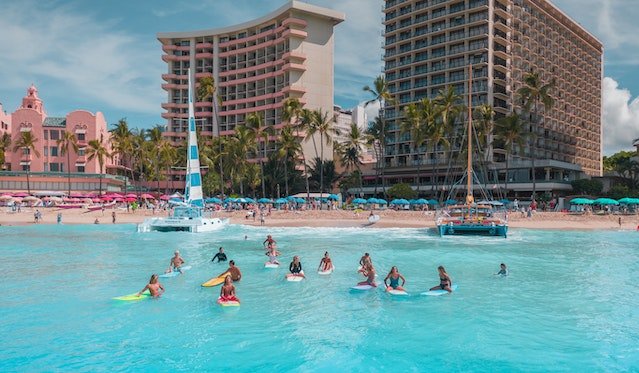
Stand-up paddleboarding has taken the world by storm, and no wonder it’s a fantastic way to explore the coastlines and enjoy a day at the beach. The SUP experience is even better if you have a good destination, and Oahu is one of the premier SUP destinations in the world. Oahu is the ideal SUP destination; it has everything one could want for the ultimate SUP experience. The island has spectacular beaches and fantastic sea life. It’s the perfect setting that allows for river meanders and beach excursions. Oahu has many SUP hire vendors and learn-to-SUP schools. Oahu is a dream destination for SUP boarders; the island offers everything one could want, from waves to rivers and marinas. Great weather and many outlets offer SUPs for hire, lessons, and guided tours, meaning that Oahu is fully set up and ready to help make your SUP experience perfect. What Is Stand-Up Paddleboarding, And Why Is Oahu A Great Destination For It? Although relatively new in the sports scene, stand-up paddle boarding, or SUP, is surprisingly not as new as one might think. In one form or another, SUP has been practiced for millennia by various civilizations as a valuable means of getting about on the water. Using a long flat board to stand or kneel on and a paddle to propel oneself through the water, SUP allows for both exhilaration and relaxation as one can catch a wave surf style or comfortably paddle along in calm waters. SUP boards will range from about 12 to 20 feet long and usually have a width in the region of 20 inches. The weights of the boards will vary from a mere 20 pounds to 40 pounds. Unlike surfboards, SUP boards are wider, and you use a paddle. SUPs can be used kneeling or standing and are an excellent alternative for those who can’t quite manage a surfboard or if you prefer a chill ride through the waves. Oahu makes the perfect SUP destination not only as the birthplace of SUP as we know it today but also thanks to its spectacular beaches, weather, and whole island vibe that make it the perfect SUP destination. There are rivers, bays, the ocean, and marinas on the island to choose from, and the weather is good year-round, although April and May, and September to October, are the times of the year when the weather hits perfection. With the island being a SUP paradise, there are many places to hire SUP, so you needn’t worry about bringing your own. For beginners, many good outfitters offer lessons and tours as well.   Top Stand-Up Paddleboarding Spots In Oahu Oahu is a gem of an island regarding great SUP spots. Let’s look at the top SUP spots in Oahu and some lesser-known areas we highly recommend; after all, one only sometimes wants to be caught in a crowd. The good news is that most Oahu beaches are open to the public, with permits only required for groups larger than 50, for some beaches if you wish to book picnic areas over summer, and for camping.   Ala Moana Beach This is a perfect year-round SUP location and one of the best in winter when the surf starts to get a bit big as it’s well protected so that you can be sure of calm water. The beach is highly accessible, and the Ala Moana shopping center is close by for when you need a break or a snack.   Waikiki The most famed beach in Oahu, Waikiki, is an excellent place for beginner and experienced SUP boarders. The beach is very accessible, although it can get crowded in summer. Waikiki has several hotels and resorts, so refreshment is always close. Newbies should stay shallow, though, as the waves can get bigger further out.   Lanikai One of the most picturesque locations on Oahu, Lanikai is much like its name, a ‘heavenly sea,’ and is a great spot to escape the crowd. However, as it’s more out of the way, you must go prepared as you won’t be able to purchase refreshments at the beach. Public access is via Mokumanu Drive and Kaiolena Drive. Lanikai is close to the Mokulua Islands, and you can SUP to the Northern Island, about a mile away. It’s the perfect way to see sea life. Of note, one should not land on the South Island as this is a bird sanctuary, and access is prohibited.   Sunset Beach Sunset Beach is an excellent SUP spot in summer; the waves get large in winter, and it becomes a surfing haven. Sunset Beach offers superb sunsets and beautiful coral reefs, so snorkeling gear is another thing to take. There is a free public parking area, and we recommend taking your snacks.   Mokoli’i Island Situated just off Kualoa Regional Park, Mokoli’I is a stunning island once part of Oahu but has been cut off from the island through erosion. It makes for a fun paddling expedition and a short wander to the island’s summit once you’re there. Should you opt to hike, make sure your SUP is pulled high enough out of the water so it doesn’t get washed away by the incoming tide. On Oahu, the Kualoa Regional Park offers restrooms, refreshments, and a lovely beach. If you opt to camp, you will need to get a permit from the State Parks division in the Kalanimoku Building in Honolulu.   Tips For Stand-Up Paddleboarding In Oahu If you’re a beginner and need more certainty about SUP, don’t worry. Kneeling helps with getting used to balancing and getting started with paddling. You can start off kneeling. When paddling, you should engage your core for support. Your core will do much of the work; your arms should guide the paddle through the water. When you start standing, make sure you are in at least should deep water, and if you fall, fall to the side. It’s an idea to get used to falling, so give it … Read more

Best Luxury Surf Resorts and Destinations

Best Luxury Surf Travel

Visting some of the best luxury surf resorts around the world is a travel adventure every surfing enthusiast ought to experience, even if just once. From the Caribbean coasts to the pacific and other destinations, there are a variety of different waves you can explore. Some offer a gentle roller, while others are challenging barrels. Going on a luxurious surfing adventure is an experience to add to your bucket list. You can plan a wealth of events before going on a surfing adventure. But most importantly, you must choose the right destination. And in this guide, we will walk you through ten of the best all-inclusive resorts for surfing. 7 Best Luxury Surf Resort Travel deas After working hard for months, you deserve to treat yourself with nothing but the best when it’s time to go on holiday. Going to a luxury surf resort is the perfect get-away plan to lavish yourself on unrivaled comfort, fine dining, exotic cuisine, access to some of the best beach breaks, and so much more. Whether you know how to surf or you are just beginning to learn, finding the perfect destination is vital. If you are unsure where to go to experience that thrilling luxury surfing adventure, below are our top seven best surfing destinations hand-picked by our experts. Maldives Luxury Surf Retreat When you think about the Maldives, you might think about luxury surf resorts Europe due to the Maldives’ relationship with Europe, but be prepared to be awed. Resorts in the Maldives stand out due to their pristine beaches and crystal-clear waters. Maldives is an excellent destination to visit when looking to have a luxurious time. It has a good number of surfing spots and great resorts to visit. So, you can be certain you will be spoiled with choices when you visit the Maldives. The Maldives has 26 atolls, broken down into the North and South Male, Central, and Southern. At each of these atolls are top-notch resorts like the Kandooma Resort, Niyama Resort, Six Sense Laamu, and Ayada Resort. The Kandooma Resort is popular for its luxurious villas, idyllic spa, decadent eateries, and top-notch facilities. It combines the astonishing beauty of South Male with a wide range of both water and land-oriented entertainment. The Niyama Resort is another luxurious hotel in the Maldives in the middle of a tropical paradise. Six Sense Resort, located on the uncharted Laamu Atoll, deep in the Indian Ocean, has white sand, crystal clear waters, and outstanding beaches, making this an eco-friendly destination. While the Ayada Resort is a multi-award-winning luxury resort located in the Southern Atolls of the Maldives. Overall, when you’re in the Maldives, there are so many activities you can indulge in. Private Villa Surf Trip in Bali Like the many luxury surf resorts Central America offers, Bali, known as the Lands of the Gods, appeals to many through its sheer natural beauty of looming volcanoes. At Bali, be prepared to be mesmerized by its lush, terraced rice fields and its serenity and peaceful ambiance. Bali is a destination famous for its surfers’ paradise. Located 8 degrees south of the equator, Bali is a destination also loved for its climate. It has a typical tropical, humid, and warm climate all year round with two main distinctive seasons; the rainy and dry seasons. Bali is a destination to add to your bucket list, as you will surely be enchanted by its luxurious beach resorts, exciting nightlife, dramatic sceneries, and colorful crafts and arts. There are so many activities you can do when you get to Bali, but planning your travel to its private villa is a great way to explore the beauty of this destination. Many of Bali’s starred hotels are located near the beach, making this destination a great place for those looking to enjoy a wonderful moment at sea. Some private villas in Bali have private spots at certain beaches where you can splurge on exclusive privileges. You can find this private villa at surf spots like Canggu, Uluwatu, Kuta, and Seminyak. Surf and Safari in South Africa South Africa is another destination with a diverse landscape and coastline, offering travelers looking for adventure and outdoor activities a range of options. South Africa has over 1600 miles or 2500 kilometers of coastline, which spoils surfers with several surfing spots. Its beaches combine the rugged Atlantic coast with the balmy shores of the Indian Ocean. You can explore several world-class surfing spots and bays when you visit South Africa. These spots attract thousands of surfers worldwide as it has some of the best wave breaks. Jeffrey’s Bay is a typical example of what South Africa offers. This small town on the Eastern Cape is popular for hosting the annual J-Bay Open surfing competition. Muizenberg and Durban are other destinations to consider visiting in South Africa, as they feature some of the best waves for beginners and intermediate surfers. South Africa is also a popular destination for exploring wildlife and safari. South Africa is home to wildlife like lions, rhinos, elephants, buffalo, etc. As such, while you plan a trip to South Africa to surf, you can also visit places like the Kruger National Park, Addo Elephant National Park, and the Sabi Sands Game Reserve. Luxury Surf Yacht Charter in Indonesia With up to 61567 miles of coastline spread across 17508 archipelago islands, Indonesia is one of the best places to surf. Many archipelago islands are fringed by volcanic reefs, which further help raise the barrels and tubes to create the perfect wedge waves. The Indonesian beaches are a perfect combination of War and Peace surfing destinations. If you consider a destination allowing you to go on a yacht cruise and surf simultaneously, Indonesia is the destination. If you seek a unique and memorable experience, one of Indonesia’s popular luxury surf yacht charters is the Ratu Motu. This popular luxury yacht is a 164-foot yacht specializing in surf charters in the Mentawai islands. Similarly, the Blue Horizon is another luxury surf yacht … Read more

How to Pack a Surfboard for Travel

how to pack a surfboard for travel

Imagine it, you think you know how to pack a surfboard for travel, right? Now envisage yourself planning your ultimate surf trip, rocking up at the picture-perfect location, warm blue waters, the tropical sun beating down, 3-4ft a-frames peeling down the reef in front of your room. It’s the stuff of dreams, right? You scramble to get your stuff together for the first session, slapping on sunscreen and pulling on your boardies. Only you get to your board bag, open it and pull out your two brand-new sticks to find both noses crunched. It’s a nightmare.   Unfortunately, this situation is all too common for the avid surf traveler. Whether it’s down to lousy board bag packing or, more likely, mishandling from airport workers, our boards get put through it when we travel. It’s always nerve-racking when you open a board bag, and the further you travel, the bigger the worry.  While nothing can guarantee a damage-free trip, there are many ways you can pack your beloved surfboards and equipment to reduce the chances of rocking up in paradise with broken sticks. Here, we dive into everything you need to know about packing surfboards for travel, from choosing the right board bag, how to pack them correctly, and how to protect your nose and tail. We have a bit to get through, so let’s get down to it.  Choosing The Right Surfboard Bag  First, choose a board bag appropriate to your surf travel needs. This will come down to how much travel you plan to do, where you’re going, and how many boards you want to bring. Whatever board bag you choose, you want to avoid having excess space in your bag. Extra room creates space where things can slide around, meaning boards are more likely to get damaged. Instead, you want a compact, tightly packed bag to ensure everything is snug and protected.  If you’re only traveling to the beach and back, a day bag will be perfect, which gives you a little protection for carrying one board to the beach and back. If you’re going on an overseas trip and traveling by air, you’ll want a proper board bag with great padding and pockets to keep fins and other surf accessories stashed away nicely. If you plan to travel long-term or want to take 3-4 boards or more, you’ll need a coffin board bag. These are heavy-duty surfboard bags, fit 4+ boards, and have room to carry other things such as clothes and surf accessories.  How to Pack Your Surfboard Bag?  Packing your surfboard bag is an art form. You can’t simply chuck your boards in with a bundle of clothes and hope for the best. Instead, you need to prepare and pack to ensure your boards are packed in one solid, ding-proof package.  Preparing Your Surfboard for Air Travel  First, you’ll need to prep your boards. I always like to de-wax and clean up my boards before I travel so that I can arrive with a clean board and new wax job before the first session. A clean board when you pack can mean you don’t get your board socks and bag all waxy. However, this is just an added luxury and not essential. What is essential is protecting your board in a board sock, which provides some extra padding from scratches and dings within the bag.  Surfboard Protection  I use clothes and towels as a layer of padding for my boards, but if you’ve got the room, you can also use bubble wrap. Bubble wrap or cutting the long pool floats in half can protect the rails. The most critical areas of your boards to protect are the nose and tail. I usually stuff a towel or large jacket around the nose and tail. I then pack clothes down the rails to protect them. Anything you can do to protect the essential parts of the board serves as protection.  Surfboard Layout/Order When packing your boards, always pack them in hierarchical order. This means always pack your largest board at the bottom and stack pyramid style from your largest to the smallest. This prevents noses from being crushed.  Packing & Padding  Ensure your boards are packed neatly; use towels and clothes to add cushion between each one while making sure the nose and tails have even more padding, using thicker clothing items or bubble wrap. Essentially, you want to ensure the bag is packed as tightly as possible, so the weight is spread evenly throughout the bag.  Making sure the weight even helps protect your boards, as when the (usually careless) baggage handlers throw your board around, it won’t land with all the weight at the nose or tail. While we all hope our boards get treated well on flights, it’s unfortunately not always the case. Trust me, I’ve seen my boards thrown on a pile of bags before!  Alternative Surfboard Transport Options  Without a Bag  If you’re just traveling to the beach for a beach day, you won’t need the faff of lugging a huge board bag around, so just purchase a board sock or day bag. These still give some protection and can also prevent the board from getting discolored from being left in direct sunlight. Oh, and from your wax melting.  Shipping a Surfboard  Sometimes shipping a surfboard is a good idea. For instance, if you’re going to Hawaii and ordering boards specifically for North Shore waves or have a custom board order from a different country, there would be no point in ordering your boards home, then flying out with them.  Instead, you can order them to your accommodation in your planned destination. You can ship surfboards with all the most renowned shipping companies in the world. I’ve never done this personally, and although it will cost more than flying boards out yourself, it will save you the hassle of traveling with boards, oh, and any unexpected surfboard baggage fees at the airport.  Final Thoughts  So there, we have everything you need to … Read more

Surfing Travel Insurance | Protecting Your Trip & Gear

Surfing Travel Insurance

The list of surf trip costs is endless, from flight tickets to accommodation, transport, food, travel gear, and a new board or two if we’re lucky, and that’s not to mention any coaching and extra activities. But one thing often overlooked, particularly on a budget surf trip, is surf travel insurance—an annoying additional cost but one that is just as essential as your plane ticket.  We’re all guilty of it, right? “Ahhh, it’ll be fine; I won’t need insurance; that would be a waste if nothing goes wrong.” On surf trips, everything is, and hopefully will be, fine until it isn’t. Surf trips, by nature, are unpredictable, and there are countless opportunities for things to go awry.  But when things go to sh*t, they go to sh*t very quickly, and paradisical dreams can turn into life-threatening nightmares in seconds. If you’ve got no cover to back yourself up in emergencies, then you not only put yourself in a dangerous (and potentially life-threatening) situation but under a mountain of debt you’ll be paying back for years to come.  However, with a small pre-trip payment, you can prevent such situations and give yourself the peace of mind you won’t finish the trip with a $10,000 medical bill, injured or stranded. Surf travel insurance can also cover you for other surf trip mishaps, such as delayed flights and lost or stolen baggage. In this article, we dive into everything you need to know about surf travel insurance, from what to look for, the essential criteria, why you need it, and the best companies to buy policies from. We have a heap to get through, so let’s dive in.  Why Do You Need Surf Travel Insurance?  If you’ve been on a surf trip, you won’t need me to tell you how many things can and inevitably will go wrong. From severe injuries and emergency evacuations to stolen boards and delayed flights, surf travel insurance helps you in countless ways:  Serious Injury Death  Minor surf accidents  Traffic collisions (Bali mopeds)  Delayed flights  Broken surf equipment  Lost or stolen baggage  Natural disaster  But while the list of potential surf travel mishaps is long, not all surf travel insurance companies cover these things. Instead, you’ll have to look at specific policies to see what is and isn’t covered on your respective policy. Always check your policy wording carefully, and no matter what insurance you get, here are the essential criteria for any surf travel insurance policy.  Essential Surf Travel Insurance Criteria  Medical Expenses  This is the big one. Medical expense coverage is crucial for any surf trip. Whether going on a mellow longboarding vacation to Sri Lanka or chasing slabs deep in the Australian desert, medical expenses cover your medical bill should you get injured.  For example, if you’ve fallen off and hit the reef at Ulutwau, gotten cut up, and potentially broken a bone, you need to go to the hospital to get checked out and have a cast put on. That doesn’t come free for foreigners in Indonesia. With medical expenses covered by your policy, you can get the care you need without worrying about paying for it immediately.  To hammer the importance of this home, I was once on a surf trip to Lakey Peak, Sumabwa, a relatively remote Indonesian surf paradise. One day we were eating lunch, and a surfer was being paddled in from the surf, having badly broken his leg and needing urgent medical attention and pain relief. His friends informed us, and everyone else at the camp, he was an American with no travel insurance!  They did a whip round to get as much money together as possible, which I’m sure didn’t completely cover the cost of his hospital transfer and treatment. This is exactly the situation you want to avoid, and for the sake of a few extra dollars, it’s stupid not to get insurance.  Medical Evacuation  For serious injuries and life-threatening situations, medical evacuation insurance is needed. Hopefully, you’ll never need this, but when you do, you’ll be super thankful you had it! Let’s say you’re on a surf trip to the Mentawaiis (if you’ve been there, you’ll know how frickin remote it is). You get a head or spinal injury from hitting the shallow reef and need urgent care.  The closest hospital is Padang–usually a 4-hour boat trip, but you need a helicopter to airlift you to the hospital in Padang. Padang isn’t the biggest city, and if the hospital there isn’t equipped to deal with your injury, you’ll need to be transferred to Singapore or Kuala Lumpur! Yep, that’s a lot of flying, and costs soon rack up. Medical evacuation covers these costs essential.  Personal Liability  Another vital aspect of your surf travel insurance coverage is personal liability. In short, this means an injury you cause to someone else. It doesn’t matter how good a surfer you are in crowded line-ups; it only takes a misread of an oncoming section to run over someone. Personal liability coverage helps cover their medical expenses if you injure or seriously hurt them. This is essential for helping them get the care they need (regardless of their insurance) and gives you the peace of mind of not having to pay for their medical expenses.   What Does Surf Insurance Typically Cover?  What’s covered in your insurance policy will depend on who you purchase cover with, and not all policies will cover the same thing. For example, you’ll want to cover bases such as medical expenses, evacuation, and personal liability, but often things such as baggage delays, damage to equipment, trip cancellations, etc., are things you buy as extras on top of your policy. Well worth considering.    Types of Surf Travel Insurance  For surf travel insurance, there isn’t a specific company that operates as a sole surf travel insurance provider. Therefore, you must look for extreme sport and adventure travel companies that offer surfing insurance. These companies provide travel insurance for backpackers traveling long term (6 months +), extreme sports … Read more

Best Beginner Surf Spots USA | Ultimate Guide

The Best Beginner Surf Spots USA | Ultimate Guide

Surfing, often termed as the “sport of kings,” has gained immense popularity over the years. The rush of catching a wave and riding it with finesse is an experience like no other. Whether you’re a seasoned pro or just dipping your toes into the world of surfing, choosing the right spot to catch your first wave is crucial. In this ultimate guide, we’ll explore some of the best beginner surf spots in the USA, Intro to Surf It’s tricky learning how to surf. It’s one of the most challenging sports to master, and if you’ve already begun your surfing journey, you’ll know this firsthand. But even the best surfers never truly master the ocean and always try to improve their surfing or challenge themselves in new waves. It’s a never-ending process. While that may sound intimidating if you’re just starting, don’t stress. You have to take it one step at a time. But rather than grabbing any old board and heading out to the next beach you see, there are some important factors you need to consider first. One of the most important things is the location, as learning to surf requires specific conditions. When those variables come together can create an awesome, safe, and enjoyable first surf experience. So no, your first surf session doesn’t have to involve tumbling around in the whitewater and dragging a huge foamy behind you by the leg rope. Your first surf should be safe and fun and make you want to come back for more; after all, you want to become addicted like me, right? Before we dive into the best beginner surf destinations in the USA, let’s discover why choosing the right spot is crucial and the most important factors you must consider when choosing a spot. We have a ton to get through, so let’s dive right in. Why is Choosing The Right Spot Important for Beginners? Learning & Progression Nothing puts a beginner off more than bad conditions. 99% of the time, it leads to a horrible first experience and can put some people off for life. Conditions make the difference between spending your first surf lesson mostly underwater and frustrated or having the time of your life! As you progress, the right conditions are crucial in allowing you to practice specific things, for example, going from riding the whitewater to surfing the unbroken wave. You’ll need the right waves to do this. Safe Environment Surfing can be dangerous. After all, you’re in the ocean, which is unpredictable and infinitely more powerful than even the best surfers. All of which are humbled by it at some stage. As a beginner, you want calm, clean waves breaking over sand–conditions that make surfing as easy as possible. Enjoyment The right spot/conditions are make or break for beginner surf enjoyment. If you’re surfing a powerful reef break with huge waves, you’ll probably hate it and want to quit surfing forever. Whereas if you head to a lovely beach break with small waves, you’ll have a great time. So what should you consider when choosing a spot? Key Factors to Consider When Choosing A Beginner Surf Spot Wave Type In Surfing, there are several types of waves, well actually, there are countless, but most of them fit into four categories: Beachbreak – Waves breaking over sand Reef break – Waves breaking over coral or rock reef Rivermouth – Waves breaking into or across the mouth of a river Pointbreak – Waves breaking down the edge of a headland or outcrop of land While some of the world’s best surf spots are reef and pointbreaks, due to the predictability of how they break, as a beginner, aim for a beach break as sand is much softer than the reef (duh), and the waves are generally more forgiving. Wave Height As a beginner, the smaller the waves, the better. You want waves with enough power to push you along in the whitewater but with minimal consequence if you fall. It also makes walking/paddling and handling your board significantly easier as less water moves around. Wave Consistency/Swell Exposure There are beginner and advanced surf spots in surfing, and one of the most notable factors that separate the two is the exposure to swell. The more exposed a break is to swell (meaning it faces directly toward the prominent swell direction), the less suitable it is for beginners, as the waves are bigger and more powerful more often. Instead, you want a sheltered break, less exposed to swell. Crowds At some spots, crowds play a major role in your surf experience. The more people in the lineup (the area where surfers position themselves to catch waves), the fewer waves there are for you. And, of course, you want to maximize your wave count and the time spent on your feet. Local Surf Culture Having a friendly vibe in and around the water is essential when learning to surf. Despite their laid-back reputation, surfers are far from it in some spots! Local surfers can be hostile and even aggressive toward novice riders at some locations. Thankfully, the best beginner surf spots in the USA don’t have this issue. Accessibility & Facilities You need great facilities around you to make surfing easy and enjoyable. Rocking up to an empty windswept beach on your lonesome to surf isn’t that appealing. Instead, you want to choose a beach with a car park, easy access, surf school, showers, changing rooms, and a cafe for a cuppa, never goes a miss. These small things combine to make that first surf experience all the better. Best Beginner Surf Spots in the USA While there are hundreds of places to learn surfing in the States, we’ve narrowed things down to only the best. Spots with infrastructure and combine conditions and accessibility to make your first surf experience as best as possible. From Florida to California and Hawaii, here are the best beginner surf spots in the USA. Best Beginner Spots in California Malibu A wave … Read more

Cheapest Surf Destinations: Budget-friendly Surf Towns & Destinations

cheapest surf destinations

Despite what many think, surf travel doesn’t have to break the bank if you go to the cheapest surf destination. In fact, many of the world’s best waves are located in some of the world’s cheapest travel destinations. This is just as well because surf travel costs add up if you’re not budget savvy. From your accommodation, plane ticket, surf coaching, food, transport, surf equipment, and non-surfing excursions, not to mention any annoying added costs like the dreaded airline surfboard baggage fees!  However, don’t let all these costs make you think you better give your next trip a miss. But don’t stress; I’m not going to tell you the only way to score waves on a shoestring is to sleep on the beach, live off Mie Goreng noodles and take 12-hour night buses. While this will all help you afford your next trip (trust me, I’ve done my fair share of them), there’s a much better way to afford your next surf trip.  By choosing your destination strategically and utilizing some budget surf travel best practices, you can travel and score waves in the world’s cheapest surf trip destinations for just a few hundred bucks! In this post, we dive into the world’s cheapest surf towns, from where to go, where to stay, the waves you’ll be surfing, and the typical costs involved. A lot goes into making cheap surf trips happen, so let’s get down to it.  The Most Affordable Surf Towns in The World  As a budget surf traveler, you must avoid expensive surf destinations such as Taihiti, the Mentawais, and the Maldives. While these are all dreamy surf trips, they’ll cost you an arm and a leg. However, there are several affordable surf destinations across the globe where you can core world-class waves without getting into debt. Here are the very best and cheapest surf destinations.  Taghazout, Morocco  Just a short flight from Europe, you can tap into a whole new world: a unique culture and a coastline with several world-class points. If you’re a fan of endless right points, warm sunny skies, great food, friendly locals, and low living costs, Morocco is for you. In the small town of Tagazhout, you can stay for $15-20usd and eat for $5 per meal. Pretty cool, right?  In town, there are countless restaurants, hostels, and Airbnbs where you can walk to a couple of waves in town or hitchhike further up the coast. Taghazout is famous for the incredible Anchor Point, a super long right point with lucious walls and sessions for turns and tubes. Taghazout is one of the best places to score epic waves on a shoestring, especially if you’re coming from Europe!  Popoyo, Nicaragua  Popoyo is a budget surf travelers’ paradise—a wave-rich stretch of coast in southern Nicaragua and a spot attracting surfers for decades. Here, the wind blows offshore 300+ days per year, and the spot variety is insane. From beginner-friendly bays, super fun A-frame reef breaks, and thumping hollow beachies–Popoyo has it all! Oh, and you’ll be able to stay a stone’s throw from some of the best breaks for less than $20 per night. When it comes to affordable surf towns, you’ll be hard-pushed to find a better option than Popoyo, particularly if you’re coming from North America.  Puerto Escondido, Mexico  Known for its thumping beach break of Playa Zicatela, Puerto Escondido is famous in the surfing world for hosting one of the heaviest beach breaks in the world, and even on small days, the beachie here packs a punch! Seriously, I surfed it last year and have never been so scared in 3-foot waves! What many people don’t know, however, is that Puerto is an affordable surf town with vibrant nightlife and an epic backpacker scene. So if you’re looking for great waves and a party vibe, Puerto is excellent when your bank balance is less than favorable. In town (Centro), there are several hostel accommodations with dorm rooms for less than $15 per night. Not bad for putting yourself in the heart of one of the world’s best surf towns. You can grab a plate of Tacos for less than $5, and beers are only $1-2 a bottle. Not bad, huh? Whether looking for the barrel of your life or learning surfing for the first time, you can do it in Puerto.  Cheapest Surf Destinations in Europe  Europe, while not synonymous with budgets urf travel, there are a few areas where you can score world-class waves on a shoestring with some planning and budget surf travel skills.  Peniche, Portugal   Arguably the capital of European surfing, Peniche is known for the barreling beach break of Supertubos. Supertubos is a fantastic wave and hosts the WSL CT every March. However, there are countless other waves in the vicinity, perfect for beginners and intermediates. Baleal is a long crescent-shaped bay with peaks the length of it. Baleal boasts surf schools, cafes, and a large car park to hang out and watch the waves between surfs.  The perfect spot to chill, sip coffee and eat pastels. In town, check out Selina Hostel for a cheap but wicked palace to stay. You can find shared rooms for less than  $20 per night, and you can make home-cooked meals for less than $5.  Biarritz, France   Biarttiz is a wicked surf town located in France’s South West. And while France is generally more expensive than most surf towns on our list, if you stay in a hostel and eat at the local bakeries (boulangeries), you can stay and surf excellent waves for less than $20 per day. The town is wicked, offering culture, mellow waves, and a relaxed vibe. If you’re after an epic place to soak up some European culture, surf easy waves, and drink fine wine–head to Biarritz, and you won’t be disappointed!  Fuerteventura, Canary Islands   While technically part of Europe, The Canary Islands sit just off the coast of Africa and are perfectly positioned to receive the large and frequent North Atlantic winter swells. … Read more

Top 5 Best Indoor Surfing Venues and Wave Pools in the USA

Top 5 Best Indoor Surfing Venues and Wave Pools in the USA

When the Beach Boys released their massive hit “Surfin’ USA” in March of 1963, they could have never imagined a day when the lyrics “everybody’s going surfing” could be followed by “in an indoor surfing venue in the USA!” It only makes sense that we can replicate ocean surfing in indoor venues now since we do the same for activities from rock climbing to hitting golf balls to target practice and more. Indoor surfing venues offer a way for nervous first-timers to try their luck at surfing in a controlled environment and for seasoned surfers to practice when they cannot make it to the beach. We have all the information you need on how to surf in wave pools, and our roundup of the top 5 best indoor surfing and wave pool venues in the USA below. Can You Learn to Surf Indoors? Some skeptics might wonder if you can learn to surf indoors, especially those who have never dipped their toe in a wave pool. But the answer is “absolutely! You can learn to surf indoors!” Learning to surf indoors may prove easier for you for a variety of reasons. The first and most obvious reason is location. If you do not live anywhere near a coastline, surfing seems out of reach as a hobby. Even if you travel to the beach for an annual summer vacation with your family, one week is a short time to conquer the waves or build your skills. Wave pools offer a way for those who are landlocked to experience the same thrill as those who are fortunate enough to live near salt water and sand. For others, indoor surf venues and wave pools also offer a controlled environment where nervous first-timers may be more confident about trying to surf. Rather than paddling out into the unknown, newbie surfers can try out some consistent waves they feel comfortable with instead of wondering what sort of swell might lie ahead. Staff members and instructors at wave pools can also guide nervous beginners with important safety tips and tricks for getting up on the board. By practicing in a controlled environment first, surfers can master some important skills before testing their luck in ocean waves. Additionally, wave pools give experienced surfers another avenue for training and working on stance, balance, and more. What Is Indoor Surfing Called? If you have spent time at any wave pools or water parks, you might be familiar with the terms “Flowriding” or “Flowboarding” and think they are synonymous with indoor surfing. Any ocean surfer will quickly tell you there are some distinct differences between the two. Indoor surfing is ultimately the same as outdoor or ocean surfing. Flowriding, on the other hand, is a popular activity that incorporates some elements of surfing along with skills used in bodyboarding, wakeboarding, skimboarding, snowboarding, and skateboarding. There has always been a considerable amount of overlap among these sports, especially considering the many crossovers between surf culture and skateboard culture. A FlowRider produces a consistent “sheet wave” that does not move forward, so the rider can perform carving and jumping tricks over the water as it consistently flows over a stationary surface. Flowriding is now so popular that it has its own league (Flowriding League of the World, or “FLOW”) and a world championship for its top competitors. Indoor Surfing and Wave Pool Locations: The Best in the US Wave pools are popular destinations all across the globe, giving thrill seekers worldwide a chance to jump on a surfboard no matter how far they live from the beach. Thankfully there are numerous choices in the US, making it fairly easy for any American to experience that “surf’s up” feeling. If you are ready to give indoor surfing (or outdoor wave pools) a try, check out some of our favorite venues below. Kelly Slater Surf Ranch Website: kswaveco.com/surf-ranch/ Location: 18556 Jackson Avenue, Lemoore, California, 93245 Schedule: Limited availability (learn more here) Few names are as synonymous with surfing as Kelly Slater’s, and his surf ranch in Central California is one of the most sought-after experiences for surfers thanks to an incredible system that produces the longest open-barrel artificial waves anywhere. The waves at the Surf Ranch measure between 3 and 8 feet in a pool that operates on a simple plow system. Surfers can bring their own boards or choose from an outstanding selection of boards onsite. In addition to surfing, visitors can take advantage of outstanding accommodations and amenities, hanging with other surfers around the fire pit, relaxing in the hot tub, or enjoying local, organic dishes prepared by an onsite chef. The only downside of the Surf Ranch is its limited availability to the public, but if you are one of the lucky few who gets a chance to ride the waves here, it will be an experience unlike any other. Skudin Surf at American Dream Website: skudinsurfamericandream.com Location: 1 American Dream Way, East Rutherford, NJ 07073 Schedule: Open year-round, with surf sessions available from 7:00 a.m. to 11:00 a.m. and from 8:00 p.m. to midnight Located just 15 minutes away from New York City, Skudin Surf at American Dream gives urban dwellers a chance to get out of cramped apartments, cold winter temperatures, or boring office cubicles and transport themselves to far-flung places like the North Shore, all thanks to an indoor wave pool where everyone from beginners to seasoned surfers can catch some incredible waves. Private or public sessions are available to surfers, and the park also offers more than 50 different boards that can be used on a first-come, first-serve basis. The water temperature is 80 degrees year-round, so visitors can surf comfortably even when the temperatures outside are frigid. Waves are as small as one foot for beginners and up to four feet for more advanced surfers. Splash House Indiana Website: cityofmarion.in.gov/government/departments/parks-recreation/splash-house Location: 2601 S. Adams Street, Marion, Indiana, Schedule: Memorial Day through Labor Day, closed Mondays, open weekends after August This seasonal Indiana park is home … Read more

Top 6 Best Places to Surf Without Sharks

best places to surf without sharks

One of the biggest worries that cross a surfer’s mind is sharks. These supposed mean, bloodthirsty, killing machines are often seen as the ultimate danger to ocean goers. But this is not entirely true. There are approximately 35 million surfers in the world. If each person only surfed once that year, there is a 0.0003% chance of a shark attack on each person. That being said, no surfer wants to see a big gray fin sticking out the water next to them while they surf, which is why it is best to surf in places such as Madagascar, El Salvador, Chile, Costa Rica, and even Indonesia, all of which report less than 14 shark attacks since 1900 . If you are ready to dive into the world of surfing but the sharks are giving you second thoughts, then this list of the best places to surf without sharks may be the encouragement you need. What Do Sharks Like? Before you know how to avoid sharks it is important to learn what it is that sharks like. Some sharks spend their time in the deep oceanic waters, while others prefer the warmer shallow waters of oceanic shelves and coral reefs. These are known as pelagic sharks, and it is these sharks that surfers come across. Examples of pelagic sharks include the Great White and the Basking shark. Pelagic sharks tend to spend time in the shallows of river mouths or in areas where there is a lot of bacteria in the water. The bacteria and microbes create a feeding ground for smaller sea life, thus attracting bigger fish, and so on. This dark and dirty water also gives the shark an advantage of not being seen, which is why more shark attacks tend to occur in cloudy waters. Some sharks, such as the great white, hunt in areas where there is a steep shelf. This shelf allows them to attack from depths, catching their prey with speed and by surprise.   All of that being said, there are approximately 500 species of sharks in the ocean, all of whom have their own habits, habitats, and feeding patterns. 6 Best Places to Surf Without Sharks As the world is filled with shark-free surf destinations it is difficult to name them all. This is why we have taken some of the most popular surf locations worldwide that do not experience many shark attacks. The list below, with data from the shark attack data website, may surprise you, but on the flip side, it may present some new surf locations that had not yet crossed your mind. 1. Indonesia The Indonesian archipelago’s 17,000 islands are home to some of the world’s best waves, with arguably more waves than can be found anywhere else on earth. Located in the warm Indian Ocean, Indonesia has countless dream-like reef breaks, point breaks, and even a few shore breaks. The dry season (April – October) is the best time to find surf in the famous “Indo” but waves can still be found year-round. Last reported shark attack: 2016 Total unprovoked shark attacks since 1900: 14 Best places to surf Dessert Point, Lombok (Advanced). Uluwatu, Bali (Intermediate/ Advanced). Dylan’s Right, Simeulue (Intermediate). Tuba, Bali (Beginner) 2. Costa Rica  With consistent surf year-round and a water temperature that averages 80*F (26*C) it is no surprise that Costa Rica has quickly become one of Central America’s most popular surf destinations. Creating a home for world-class surf breaks to beginner beach breaks, no matter what your surfing level is, you will always find a wave to ride. Last reported shark attack: 2011 Total unprovoked shark attacks since 1900: 10 Best places to surf: Playa Naranjo (Witch’s Rock), Santa Rosa National Park, Guanacaste (Intermediate/ Advanced). Playa Negra, Nosara, Guanacaste (Intermediate).  Playa Avellanas, Tamarindo, Guanacaste (Beginner/ Intermediate/ Advanced). Playa Grande, Tamarindo, Guanacaste (Beginner/ Intermediate). 3. France  France is possibly the heart of surfing in Europe, but with the world-class waves that hit its coast, it is not really a question why. The southwest coast is home to sandbanks that produce powerful barrels which brings the Quicksilver Pro world series to Hossegor each autumn. Last reported shark attack: 2014 Total unprovoked shark attacks since 1900: 8 Best places to surf: La Gravière, Hossegor (Advanced). Anglet, Basque coast (Intermediate). La Torche, Brittany (Beginner/ Intermediate/ Advanced). Hendaye, Basque coast (Beginner). 4. Chile  4,000 miles (6,435 km) of raw Pacific Ocean swell, Chile has often been referred to as the Goofy footers paradise. With smaller waves and warmer water in the north to icy behemoths in the south, the waves in Chile can be surfed all year round. That is if you are willing to face the giants that the winter swell brings in. Last reported shark attack: 1994 Total unprovoked shark attacks since 1900: 7 Best places to surf: Punta de Lobos (Advanced). Totoralillo, Coquimbo (Beginner/ Intermediate/ Advanced). Ritoque, Santiago (Beginner/ Intermediate). La Puntilla, Pichilemu (Beginner). 4. Madagascar  Only 740 miles east of Mozambique, Madagascar is a surf paradise like no other.  With an open exposure to the Indian Ocean and an incredibly small surf population, you can expect to find world-class breaks and keep them all to yourself. Although traveling in Madagascar can be tricky, and moving between breaks can be a challenge, the isolation and shark-free waters of Madagascar make it the perfect destination for a surf trip. Last reported sark attack: 2010 Total unprovoked shark attacks since 1900: 5 Best places to surf: Concussion Bowls (Advanced or Kamikaze surfers). Ankaninoof (Intermediate). Ambila Lamentsa (Beginner/ Intermediate). Safari Vezo housebreak (Beginner). 5. El Salvador  Famous for hosting some of the longest point breaks in South America, El Salvador, although not commonly thought of as a surf destination, will surprise you with its numerous breaks and surprisingly small crowds. The surf areas are separated into La Liberated (the most popular), and “Wild East” which is quickly gaining a name for itself. Last reported shark attack: 1993 Total unprovoked shark attacks since 1900: 2 Best places to surf: … Read more

Feed Your Stoke. Join the Surf Hungry Crew

Surf tips, gear reviews and travel guides straight to your inbox

"*" indicates required fields

Privacy*
This field is for validation purposes and should be left unchanged.