Best Family Surf Vacations | Destination Guide

best family surf vacations

Surfing is an activity that the entire family at any age can enjoy. Even if you are a non-surfing family, visiting some of the locations which are ideal for family surf vacations will still make your holiday memorable. Aside from the pristine environment, there are several other features and activities at a typical family surf camp which will ensure the experience is worth every penny. All family surf holidays are in destinations with incredible swells, tailored lessons, boutique hotels, and so on, but finding the best surfing destination can be daunting. In this article we have compiled nine amazing surfing destinations which are ideal if you are considering going with your whole family. 9 Most Family-Friendly Surf Vacations Choosing the right surf spot is vital if you’d like to spend quality time with your family surfing. All the variations of winds, swell, and tides can be downright confusing when looking for a luxury family surf camp. After considering your family’s safety, below are the nine best family surf vacations to consider visiting in 2023. 1. Selina Nosara Surf Camp, Costa Rica Selina Nosara is a laid-back destination suitable for a family surfing holiday. Located 5-minutes from Playa Guiones, Selina Nosara is a co-working and co-living space that offers surf camp packages. At Selina, guests can choose from its custom all-inclusive family surf vacations and packages to suit the needs of different families. Each package includes private or shared accommodation, daily surf lessons, a wetsuit and surfboard hire, a breakfast buffet, and so on. Selina Nosara is a luxury family surf camp for those looking for a warm sunny getaway. It is a popular retreat location renowned for its zen culture and unspoiled beaches. This stunning natural setting strikes the perfect balance between exploration and relaxation. From surging at the Playa Guiones all day long, you can balance out the swells with a yoga session or head to the nearby National Wildlife Refuge to watch the olive ridley sea turtles. The waves are incredible and safe all year round, making it one of the best places to improve your surfing skill or learn for the first time. And the best part is that you can enjoy this location’s amenities for an affordable price. So, if you are looking for a budget-friendly family surf camp in Costa Rica, then Selina Nosara is a great option. 2. Dreamsea Surf Camp, Costa Rica Another great family surf camp Costa Rica has to offer is the Dreamsea surf camp. This surf camp in Tamarindo is the perfect destination to take your family when you want to connect with nature. The Dreamsea surf camp is a destination in the lush jungles that offers a luxurious eco-friendly retreat. Dreamsea surf camp is a retreat designed for nature lovers and surfers alike. It spreads over 10,000 square meters of camp and features glamping tents with several other amenities around the pristine rainforest. The camp’s location is a 10 minutes’ drive from some of the best waves in Tamarindo. And if you don’t want to go surfing with your family right away, you can enjoy the camp’s many other amenities, such as loaner bicycles, table tennis, board games, and slackline. At Dreamsea, you can choose between private and shared accommodation on its all-inclusive family surf vacation 1-week package. The package includes daily surf lessons, a wetsuit and surfboard hire, breakfast buffets, etc. 3. Elementsurf Surfcamp, Spain There are several family surf holidays Europe destinations, but Elemnetsurf is a unique location. At Elementsurf surf camp, you can experience Cantabria’s scenic, social, and cultural diversity. Being the third smallest province in Spain, Cantabria spans an area of only 5000 km2 but offers a true natural paradise with a more than 220 km long coastline. Also, aside from going surfing with your family at Elementsurf surf camp, you can take them to visit the numerous small mountain villages and idyllic coastal towns like San Vicente de la Barquera or Comillas. Elementsurf is a great destination to visit with your family to take your surfing skills to the next level. With private surfing lessons from highly qualified surf instructors to further learning. Necessary surfing equipment, such as wetsuits and surfboards, are provided at Elementsurf throughout the surf course. Elementsurf works with you in small groups and according to your surf level to attend to you individually to ensure maximum safety for you and your family. 4. Sea Natives Surf Camp, Portugal Sea Natives is a small surf camp founded by an international tribe of friends with a mission to create a place to call home. As one of Europe’s unique family holidays, you can trust getting the best holiday experience at Sea Natives. Located in the beautiful little fish town of Praia da Tocha, Sea Natives features uncrowded waves, genuine Portuguese restaurants, live music, and a bar. Sea Natives offer different accommodation options to suit the needs of different families. Its accommodation options include shared tipi tents with up to 4 single beds or private tipi tents for two. The tipi tents are fully equipped with electricity, a storage unit, dishes, cutlery, an optional baby bed, etc. Also, Sea Natives’ all-inclusive packages include a breakfast buffet, lunch, and homemade dinner. When you visit this destination with your family, there are nannies to look after your children during adult surf or yoga lessons. Also, with the kids’ animation throughout the week, your children will stay entertained. At the camp, you can visit the shop to rent surf equipment like surfboards and wetsuits, skateboards, and so on. 5. Four Seasons Surf Resort, Punta Mita Four Seasons is another exquisite spot to consider taking your family for a surf vacation. Set on a 52-acre nature reserve, Four Seasons is a five-star resort that features a long stretch of beach on Mexico’s Pacific Coast. As one of the first big international resorts in Punta Mita, Four Seasons aged well owing to its traditional Mexican-style décor. If you are looking for a luxury family surf camp, the Four Seasons … Read more

The Coldest Surf Spots In The World

The Coldest Surf Spots In The World

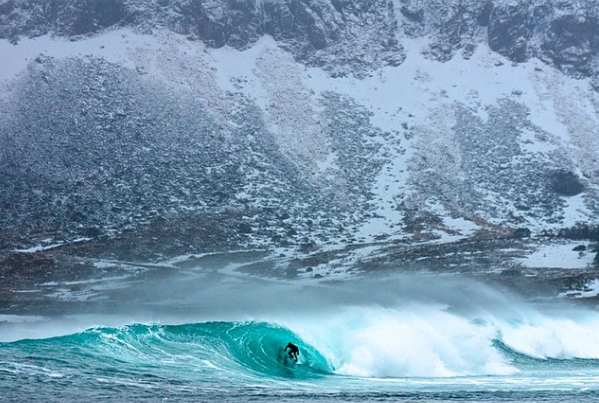
For most people and even some surfers, surfing is done in warm sunny weather, but some of the best surfing spots are in places with fridged waters. Cold-water surfing is popular in many countries, and well-traveled surfers visit these spots to experience their thrilling and icy waves. Canada, Russia, Norway, and Scotland are known for their cold weather and surf spots that challenge surfers worldwide. Oceans in these countries have water temperatures that go as low as 28°F and waves that reach 18 feet, which provide a thrilling experience for many surfers. Surfing in icy water with high winds and enormous waves is something every surfer must consider doing at least once. Surfers all around the globe seek out challenging locations where they can ride massive waves and face harsh weather conditions to take their surfing skills to the next level. Discovering The Thrills Of Surfing In Unforgiving Environments Surfing in frigid waters may seem like a crazy idea and not something any surfer will attempt, but there are beautiful places where the rush and excitement make the cold water an afterthought. If you love surfing and are considering experiencing cold-water surfing, you will love some of these places and why it attracts surfers worldwide. Tofino, Canada Tofino is known for its surfers, who tackle the cold ocean daily. Temperatures in Tofino can drop to as low as 29°F, but typically the water temperature is around 40°F during winter and 50°F during summer. Winter Temperatures outside go from 38°F, and in the summer, as high as 67°F. Like most cold-water surf spots, the summers in Tofino are short, with clouds blocking most of the sun, and the winter is rainy and overcast, with high winds that last most of the year. If you love cold-water surfing, consider visiting Cox Bay and Chesterman Beach in Tofino. Both surfing spots are a favorite of locals and visiting surfers. Cox Bay Cox Bay is the number one surf spot to visit in Tofino and attracts beginners who tackle the waves closer to the shoreline and pro surfers who ride the long and large waves year-round. The swells draw longboard and shortboard surfers from everywhere, and it is the largest surf spot in Tofino. Chesterman Beach Chesterman has a north and south beach, although most surfers prefer North Chesterman Beach, which produces waves throughout the year. Both beaches are in the eyesight of one another, and surfers can easily spot which one has the best waves. Chesterman Beach attracts pros and beginners, although its calmer waters are best suited for those less experienced. Thurso, Scotland Thurso in Scotland is the northernmost town on the island of Great Britain, and the temperature requires wearing everything available to survive the cold waters. With the ocean reaching 43°F in the winter and 57°F in the summer, every surfer is tested by the cold waters and the waves. The big waves that break inside the bay are called “Coldwater Nias” by locals, and it is a big attraction for surfers visiting around the world. If the water temperature does not test your courage, it’s air temperature that goes as low as 35°F in the winter and a maximum of 61°F in the summer defiantly will. The summers in Thurso do not last long, and it is windy and cool. The long winter has high wind conditions, and it rains most of the time with cloudy skies year-round. If cold weather does not faze you, you must consider these local spots in Thurso on your next surf outing: Thurso East Thurso East is located on the coastline of Highland’s Caithness and faces the North Atlantic. Taking on these waters requires wearing a 4,5, or 6mm wetsuit and not forgetting boots, gloves, and a hood. The waves reach heights between ten and twenty feet, producing long walls and excellent tubes. Brimms Ness If you go west, you will find Brimms Ness, the surfing capital of Thurso. Brimms Ness is a Norse meaning “surf point,” the name says it all. Brimms Ness has three surf locations: The Bowl, The Cove, and The Point, providing the best waves from September through May. Lofoten Islands, Norway Lofoten Islands in Norway is more than 500 miles north of Oslo and home to one of the coldest surfing spots in the world. The Norwegian Sea produces large waves and cold temperatures that test the endurance of surfers year-round. In Lofoten Islands, summer temperatures reach between 53°F and 59°F in July and August. The winters, with February as the coldest month, sometimes go as low as 28°F and average a maximum of 34°F. Lofoten Islands waters are warmest in July and August and, at their highest, reach a maximum temperature of 53°F in July. Here are two spots in Lofoten that provide the best cold-water surfing conditions: Eggum Eggum produces great waves, especially when the northwest swells approach the beach and when there is a strong wind from the south. There are no high mountains that make for great scenery, but without protection from the wind, it creates mushy waves that are great fun to ride. Unstad Unstad’s increasable scenery has surfers worldwide buzzing and pros flocking to enjoy the beautiful coastal mountains and shoreline covered with spots of snow. In mid-winter, surfers enjoy swells between five and eight feet, and onlookers visit to see famous surfers battling the icy waters. Kamchatka Peninsula, Russia The Kamchatka Peninsula, located in the far eastern part of Russia, is where the Pacific Ocean and the Sea of Okhotsk meet and is home to one of the best cold-water surfing spots in the world. Surfers can use thin wet suits with the ocean reaching 59°F in the summer. When water temperatures are between 32°F and 36°F in wintertime, having a thicker wetsuit, boots, and gloves is a good idea. The Kamchatka Peninsula has summer days that range between 59°F and 86°F during the day, which makes for good surfing. From November to March, with January, the coldest Kamchatka Peninsula … Read more

Surfing In Australia: The Ultimate Guide

Surfing In Australia

Home to gigantic swells and gentle tides, Australia is a surfing mecca for thrill-seeking pro-surfers and beginners alike with legendary beaches ranging from the iconic Rip Curl Pro Bells Beach with its 16 feet swells to sun-kissed Bondi Beach, with its laidback surfing lifestyle.

Australia is a prime surfing destination due to the island’s massive swells that travel from Antarctica and all-year-round surf-friendly weather. It features world-class beaches like Noosa Heads, Bells Beach, Treachery Beach, Crescent Head, The Pass, Duranbah, and Superbank on the Gold Coast.

 This article covers everything you need about Australia’s surfing history, lifestyle, tournaments, and championships, including excellent surfing spots and surprising hidden gems. So, if you are rearing to go – read on!

Surfing In Australia: Facts You Need To Know

With roughly 2.5 to 3.5 million active surfers in Australia, and a wide range of excellent surf breaks spanning from Sydney to Torquay, surfing is a popular sport with an intriguing past.

Australia’s Colorful Surfing Past

There is much debate about the true origins of surfing in Australia. Hawaiian Duke Kahanamoku is credited for introducing Aussies to surfing Down Under back in 1914 and demonstrated an impressive tandem surf with 15-year-old girl Isabel Letham in 1915.

Thanks to US lifeguards, Malibu boards became trendy in 1956. Australian Bob McTavish designed the first V-bottom surfboard in the 1960s, a game changer in the surfing scene.

The first Quicksilver board shorts were created in 1969 by two Torquay surfers who started making these boards in their garage, and the iconic Gold Coast Billabong brand was launched in 1973.

Australia has produced many ASP world champions like Tom Carroll, Chelsea Georgeson, Wayne Bartholomew, Wendy Botha, and Sally Fitzgibbons. And the likes of Mick Fanning, who won an impressive four Rip Curl Pro surfing titles, to name but a few.

Why Australia Is A Premier Surfing Destination

As the birthplace of iconic brands like Billabong, Quicksilver, and Rip Curl, surfing is an integral aspect of the Australian coastal lifestyle and culture. So, it is a prime surfing destination.

This premier surfing status is underscored by the fact that three World Surf League Championship titles are based in Australia, namely the Rip Curl Pro Bells Beach, the Drug Aware Margaret River Pro, and the Quicksilver Pro Gold Coast events.

Other major surfing tournaments include the Men’s Samsung Galaxy Championship Tour, Breaka Burleigh Pro, Australian Open of Surfing, Australian Boardriders Battle, the Noosa Festival of Surfing, and the Beachley Classic.

Where To Find The Best Surf In Australia

If you are looking for the best surf spots, including some hidden gems – look no further! Here is a run-down on Australia’s best-kept secrets.

Crescent Head, New South Wales

Situated north of Port Macquarie on this 15.5-mile-long coastline, dotted with four excellent right-hand point breaks, and breathtaking rides up to 650ft, Crescent Head is hands down one of the best places to surf Down Under, so expect to jostle for space at this popular surfing spot.

The Gold Coast, Queensland

Even though surfers are spoilt for choice in Queensland, the Gold Coast, home to some of the best suffers in the world, is considered a surfing paradise with its sandy beaches and excellent waves at the likes of Snapper Rocks, Surfers Paradise, Narrow Neck, and Rainbow Bay.

Bells Beach, Victoria

The iconic Bells Beach, with powerful, gigantic swells reaching over 16 feet, is located near Torquay.

Bells Beach is also home to Australia’s oldest and most renowned surfing event, the Rip Curl Pro, which dates to 1962, so it’s clear why it is considered one of the best surfing spots in the world.

Sydney’s Northern Beaches

With a stunning 7.5-mile-long coastline that stretches from Manly to Palm Beach, the Northern Beaches are some of Sydney’s popular surfing spots.

Although the iconic North Narrabeen beach is the busiest, the coastline extends over 1.9 miles, and you can ride some massive waves at the legendary Long Beef Bommie.

Treachery Beach, New South Wales

Located at Seal Rocks, Treachery Beach, which is tucked away from all the crowds, is a hidden gem. And it’s hard to believe that this prime surfing destination with its powerful southerly swells is not well known. So, best keep it that way!

The Pass, Byron Bay

This list of the best Australian surfing spots would be incomplete without mentioning Byron Bay, with an abundance of excellent beaches like The Pass, situated near Clarkes Beach, with some of the best waves in Australia.

Noosa Heads, Queensland

With some of the best longboard breaks in the world for pro-surfers and tranquil spots in between for those new to surfing, Noosa Heads cater to all abilities.

Surfing in Australia

Exploring Australian Surf Culture

Australia’s iconic surf culture started in the ’60s when bohemian surfers like Rip Curl founders; Brian “Sing Ding” Singer and Doug “Claw” Warbrick formed tight-knit surfing communities in Victoria, Torquay, and other coastal towns.

The 60s is considered surfing’s golden age for those who wanted to escape city life and enjoy a laidback lifestyle with cheap communal house rents ($20 per week) and shared vegetarian meals.

Thus, it is no surprise that this entrenched Australian surfing culture reverberates today, with avid surfers prioritizing surfing above all else by moving to coastal areas or traveling up and down the coast looking for the best point breaks.

To illustrate how sought after the surfing lifestyle is in Australia, areas like the Gold Coast in Queensland have more active surfers per capita than any place in the world.

For instance, Coolangatta is home to legendary world-class surfers like Mick Fanning, Joel Parkinson, and Stephanie Gilmore, and the annual Quicksilver Pro Gold Coast surfing competition has been held there since 2002.

However, the Gold Coast also features the renowned Superbank, a partially artificial beach formed in 2007 with a 1.2-mile-long coast and the fastest and longest hollow surfing waves on earth.

The Gold Coast also offers a stellar lineup of competitive events in Duranbah, Superbank, and Burleigh Heads. It’s clearly a surfer’s paradise!

Best Time To Surf In Australia: A Seasonal Guide

Even though Australia’s climate varies dramatically, depending on where you are, the weather is sunny or humid during the summer and mostly dry in the winter.

So, if you are planning a trip to Oz, you will be happy to know that there’s no official surfing season, and it’s an all-year-round surfing destination for stellar waves.

Albeit, we all know that weather conditions can be inconsistent, and this is true for the hot Australian summer season, with average water temperatures reaching 79-82°F from December to February when the cyclone season kicks in with epic waves for at least a week.

However, if you plan on going Down Under during the summer, be prepared for crowded waves and steep tourist prices as it is the peak travel season.

Pro-tip: If you want to enjoy pumping swells, offshore winds, warm water with far fewer crowds, and better prices, book your trip in Autumn between March and May.

Alternatively, consider visiting Australia during the winter months from June to August. Even though the average water temperature is 66-72°F, it’s still a great time to surf. While spring is less consistent weatherwise, it’s still worth a visit.

The Australian east coast water is also far warmer than the south coast, so you can surf there without a wetsuit in the afternoons, even during mid-winter if it’s not a windy day or early on a winter’s morning (when you will need a long sleeve wetsuit).

Surfing in Australia

Top Surf Spots In Australia: Map And Details

While there are so many excellent surf spots Down Under, the following world-class beaches stand out. Here are some of the top surf spots in Oz, including maps to get there.

The Gold Cost

The Gold Coast is a surfer’s paradise, commonly known as Australia’s land of milk in honey, with iconic swell slams on beaches ranging from the legendary Coolangatta and Snapper Rocks to Kirra.

Click here to find a map of the top surf spots on the Gold Coast.

Bells Beach

Home to the annual Rip Curl Pro, Bells Beach, located along the breathtaking Great Ocean Road, and a minute’s drive from Melbourne, thoroughly deserves to be included on this list of the top surf spots in Oz.

Click here to find the legendary Bells Beach.

Byron Bay

This laidback coastal town is a trendy hangout spot for surfers, hippies, and hipsters, with a wide array of beginner-friendly beaches with private and group surfing lessons on the main beach, including Wategos Beach and Tallow Beach.

Click here to explore the top Byron Bay beaches.

Bondi Beach

Sydney’s Bondi Beach and its postcard-perfect beaches and relaxed lifestyle need no introduction. It caters to surfers of all ability levels with beginner-friendly swells and excellent right-handers in areas like South Bondi.

Click here to find the top surf spots in Bondi Beach.

Beginner-Friendly Surfing Destinations In Australia

Australia is ideal if you are looking for beginner-friendly surfing spots with excellent surf- schools, as there are so many to choose from.

If you are first time surfer, avoid beaches with massive swells or vortex barrels, and opt for beaches with lifeguards, white-water waves, and gentle tides like the following beginner-friendly beaches:

  • Anglesea in Victoria
  • West Beach in Western Australia
  • Tathra Beach in New South Wales
  • Middleton Beach in South Australia
  • Clarkes Beach in Byron Bay, New South Wales
  • Dicky Beach on the Sunshine Coast in Queensland
  • Crescent Head in New South Wales (with Kempsey-Crescent Head Surf Club flags)

Australia Surf Camps: What To Expect

Booking a surf camp is the most convenient way to travel to Australia, as the organizers take care of all your basic needs. You don’t have to worry about booking accommodation, transfers, lessons, or hiring surfing gear, or in some instances, airport transfers and meals.

With so many excellent Aussie surf camps, it’s often difficult to choose, so check out their latest reviews to find the right one.

The Best Surf Towns In Australia

Considering that 90% of Australia’s population lives close to the coast, the best surf towns are, depending on your location, a fun road trip away.

If you are planning your trip Down Under, here’s a brief overview of accommodation, dining, getting around, and other vacation activities.

Accommodation

Like most parts of the world, popular Aussie coastal cities are more expensive than small towns, so bear that in mind when shopping for accommodation.

Australia is a prime backpacking destination, so if you are traveling on a tight budget and prepared to “rough” it a little, you can expect to pay roughly 15 USD per night for a dorm room.

You can also stay at a budget-friendly campsite which typically costs 10-20 USD per night.

There are also lots of surfer-friendly hotels, particularly on the Gold Coast, with budget-friendly double room rates.

Food And Dining Out

Food is expensive in Australia, so you can expect to pay roughly 12 USD for fast food and 6-9 USD for a basic sandwich. If you are prepared to cook your own meals, it should cost you roughly 80 USD per week.

Australia also offers world-class restaurants and some of the best fresh seafood on the planet!

Getting Around

Even though taxis and trains are relatively expensive, Australia’s public bus system is affordable. Thus, getting around is easy, particularly on the east coast, where buses run between the major cities.

Another budget-friendly way to get around is by sharing rides with fellow travelers. So, if you plan on staying at a hostel, check the bulletin boards for rideshare posts.

Activities And Upcoming Events

Australia is a massive country that offers many fun activities that cater to adrenaline seekers, with abseiling, shark-cage diving, and river rafting, including wildlife enthusiasts with excursions to koala wildlife sanctuaries.

If you want to make the most of traveling all the way to Australia, check out the following, not to be missed upcoming events.

Conclusion

This ultimate guide to surfing proves that Australia is a dream come true with world-class beaches ranging from the legendary Gold Coast and the iconic Bells Beach to hidden gems like Treachery Beach that cater to beginners and pro-surfers alike with gentle tides and thrilling rides.


Surfing In Costa Rica: A Complete Guide

Surfing in Costa Rica

Surfing in Costa Rica is like riding an exhilarating wave of adventure surrounded by natural bliss! It’s where the majestic Pacific meets tropical shores, creating a paradise for wave riders worldwide. Breathtaking surf spots, and year-round swells, beckons both beginners and seasoned to take the boards and get gnarly. So, what’s there to know about surfing the waves in Costa Rica? Among the most popular spots to surf in Costa Rica include Tamarindo, Witches Rock, and Pavones. Sharing the coasts with the lively surfing culture, you will find that the Pacific Coast offers ideal waves from May to October, while the Caribbean Coast gets more action from November to April. Surfers here know that each spot has its own personality and rhythm. And Costa Rica’s coasts boast an abundance of incredible surf spots waiting to be explored. The country is blessed with two coasts that offer tons of great surf spots to choose from, and this guide will provide you with insider tips to ride awesome waves and make your experience unforgettable. Where To Surf In Costa Rica Being a surfer’s dream, Costa Rica boasts over 800 miles of coastline and countless waves to choose from. So, if you’re looking for a mellow beach break, a hollow reef break, or a long point break, you’ll find it somewhere in this tropical paradise. Here are some awesome tips and recommendations to help you plan your epic surf trip. Costa Rica Surf Map: Top Surf Spots To get a bird’s eye view of the best spots to surf in Costa Rica, check out this handy surf map (Surfline) showing the location and data of the country’s most famous and popular waves. That aside, note that Costa Rica has two main coasts: the Pacific and the Caribbean. The Pacific coast has more surf spots and more consistent waves throughout the year, while the Caribbean coast has fewer spots and more seasonal waves that depend on storms and hurricanes. With the Pacific as the most popular, its coasts can be divided into four regions: North & South Guanacaste, Central Pacific, and South Pacific. Each section has its own vibe, climate, and surf conditions. Here are some of the need-to-know highlights of each area: North Guanacaste: This is where you’ll find some of the most iconic surf sites in Costa Rica, such as Witches Rock, Ollie’s Point, Playa Grande, and Tamarindo. This region is known for its offshore winds, dry weather, and world-class waves ranging from beginner-friendly to expert-only. It’s also a popular tourist destination with many amenities, nightlife, and activities.   South Guanacaste: The south is where you’ll find some of the most attractive and secluded beaches, such as Avellanas, Playa Negra, Marbella, and Mal Pais. This region is known for its laid-back atmosphere, lush vegetation, and uncrowded waves that can be fun for all levels, with a consistent spread that could accommodate a whole army of wave riders.   Central Pacific: This is where you’ll find some of the most accessible and diverse surf spots, such as Playa Jaco, Hermosa (north), Esterillos, and Manuel Antonio. This region is known for its warm water, rainy weather, and consistent waves ranging from small and playful to big and powerful. It’s also a convenient place to stay, with plenty of accommodation options, restaurants, shops, and attractions.   South Pacific: Just south is where you’ll find some of the most remote and adventurous surf spots in Costa Rica, such as Dominical, Uvita, Matapalo, and Pavones. This region is known for its tropical rainforest, abundant wildlife, and epic waves that can be long and perfect. It’s also a challenging place to travel to, with limited infrastructure, services, and crowds. Best Surfing Spots For Beginners In Costa Rica For those eager to hang ten and ride the waves in a safe and stoked atmosphere, Costa Rica’s got your back with a rad lineup of beginner-friendly spots. You’ll be looking for gentle, playful waves that break over a sandy bottom, making them easy to catch and ride. Moreover, you would also find nearby surf schools, camps, shops, and instructors around the area to help you learn the basics or up your surfing game. Check out these epic waves where beginner surfers can paddle out and catch their first epic vibe in Costa Rica:   Tamarindo: Known to be among the most popular surf towns in Costa Rica and a great place to learn how to surf, the main beach has several peaks that offer small and friendly waves for beginners. Also, take a boat trip to nearby spots like Witches Rock or Ollie’s Point if you want to challenge yourself with bigger waves.   Playa Cocles: This is one of the best surf spots on the Caribbean coast and an excellent place to learn how to surf when the swell is small. The beach has a wide sandbar that creates soft waves perfect for beginners. You can also relish the laid-back vibe of the town and the area’s spicy beauty.   Nosara: Among some of the most beautiful surf towns in Costa Rica, it’s a great place to learn how to surf. The main beach, Guiones, has a long stretch of sand that offers multiple peaks that suit different levels of surfers. The waves here are usually smooth and well-formed, thanks to the offshore winds.   Manuel Antonio: This place is stunning and a total hotspot in Costa Rica, making it a terrific choice to kickstart your surfing journey and catch some epic waves surrounded by jaw-dropping beauty. The main beach has a wide and flat sandbar that creates gentle waves ideal for beginners. Little Hawaii: Costa Rica’s World-Class Surfing Destination Prepare for an adrenaline-pumping challenge at Little Hawaii, a world-class reef break in Playa Avellanas. This secluded gem in South Guanacaste demands skill and courage, with long paddles, strong currents, and waves reaching up to 18 feet. But the reward? Unforgettable rides on powerful right-handers. Surrounded by sm epic scenery—think green hills, palm trees, and crystal-clear water—you can … Read more

Traveling With Wakeboard Gear | Pro Tips

Traveling with Wakeboard Gear

Wakeboarding can be a lot of fun, and part of that fun is taking it with you when you travel. There are so many great wakeboarding spots around the world that it wouldn’t be right not to take it with you. But there are many risks involved, like the possibility that it could get stolen or damaged in transit. So, how can you travel and keep the wakeboard gear you store so beautifully at home, safe on the road? Airlines have different rules about transporting wakeboard gear, and it could incur additional costs in some cases. You should check the airline’s baggage policy before you travel and, if possible, take it as carry-on baggage to keep it safe. You can also put it in a regular bag to protect it. Navigating through airline policies and ensuring your gear arrives intact can improve your overall traveling experience. Let’s look at some tips and guidelines for traveling with wakeboard gear, specifically when taking your wakeboard on a plane. Can I Bring a Wakeboard on a Plane? Most airlines will permit you to take your wakeboard on a plane, but you shouldn’t just assume that would be the case. There are a few reasons why it could be risky: Some airlines charge an additional fee for sporting gear. There are a few that could charge $100 or even more as a special baggage fee, which could increase your travel costs significantly. It’s possible that your wakeboard could get damaged by the baggage handlers if you don’t pack it properly (and sometimes even if you do). Wakeboards are expensive pieces of sporting equipment, so theft isn’t out of the question either. So, how can you avoid these issues? Here are a few tips.   Check The Airline’s Policies If you plan to travel with your wakeboard, check with the airline first. Before you pay for your ticket, go through the baggage policies or ask your travel agent about it. Some will charge an additional fee to transport your wakeboard or may have special packing requirements. Many wakeboarders get past the additional fee by declaring the wakeboard as a waterski since surfboards tend to cost more to take on board a plane than waterskis. There are even users in online forums who declared their wakeboards as golf clubs to save a few dollars. This is not recommended, though, as many airline officials can be pretty strict about their baggage rules.   Use A Special Wakeboard Bag Transporting your wakeboard is much easier (and safer) with a proper wakeboard bag. There are various kinds, but when it’s for traveling, you should opt for a suitable bag with sturdy handles and plenty of padding. Whether you’re carrying it with you or checking it, the board can easily get damaged. A robust and padded bag will help avoid the scratches, dents, and dings that can occur on planes. Pack Your Wakeboard Strategically When packing your wakeboard gear, take care to place your wakeboard, bindings, and other accessories strategically. You can add padding by placing towels or clothing around your kit to create a cushioning layer, reducing the risk of damage caused by shifting during transport. Distribute the weight evenly to prevent unnecessary strain on any particular part of the wakeboard bag. You can also use this technique in another type of carry case. For example, if you have a suitcase that’s large enough, you can easily add padding with pillows, clothing, or towels to protect it. Just don’t try to hide the wakeboard this way since it will be clearly visible to security staff.   Consider Carrying Your Wakeboard with You It’s an unfortunate fact that airlines don’t always take care of our luggage as we expect them to. We don’t see what happens after we check our bags, and mistakes can happen. Even though less than 1% of baggage gets lost or damaged by airlines, you don’t want your wakeboard to be part of that statistic. A simple mistake can cause someone to drop your wakeboard or place another heavy item next to it in just the wrong position, causing damage. Even worse, prying eyes could notice your wakeboard and decide that it could fetch them a few spare dollars at the local pawn shop. That’s why it’s a good idea to carry your wakeboard gear with you if it’s at all possible. Not all airlines allow this and require you to check any sporting goods, so look closely at the airline’s baggage policies. You can also ask the baggage clerk if it would be possible to carry it on the plane with you, and it’s surprising how many of them will allow it.   The Alternative: Don’t Travel with Your Wakeboard Gear As we can see, there are ways to take your wakeboard and gear on a plane, but it can be quite a hassle. Yes, we tend to be attached to our sporting equipment, and a wakeboard is no exception. It just feels better to use your own board. But is carrying your wakeboard with you really worth the risk? The additional costs and possibility of damage or theft aren’t always justifiable. Most wakeboarding hotspots allow you to rent boards and gear, often at a fraction of the price of transporting the equipment on a plane and without the risks. It might be worth searching the web for wakeboard rental options at your destination and finding out if it would be viable. It’s also a good idea to read some reviews of the establishments to find out if they take proper care of their equipment before you make your final decision. You don’t want to leave your gear at home just to find that the rentals are low quality or damaged, which will tarnish your travel experience considerably.   Conclusion It’s always risky to travel with your wakeboard gear, and it requires careful planning and strategic thinking. You should seriously consider simply renting equipment at your destination rather than traveling with it. Still, if … Read more

Surfing In Peru: Discovering The Best Waves

Surfing In Peru

While most people are familiar with Hawaii, Bali, or even South Africa, most people don’t know about the surfing treasure that is Peru. So, when planning your next big surf expedition, if you’ve experienced the “usual” spots, why not consider surfing in Peru and discover the best waves in South America, Peru’s coastline stretches roughly 1500 miles along the Pacific Ocean, producing some of the longest waves in South America. While most of the coastline is great for surfing, the top surf spots in Peru are Mancora, Playa Chicama, Waikiki, and Punta Hermosa -provided you’re an advanced surfer. Peru is most famous for its incredible archeological treasures. However, Peru is a wondrous surfing destination thanks to the local currents and rugged coastlines. Below we’ll look at the best surfing spots, when the surfing season starts, surfing’s history in Peru, and how the surf culture looks. Peru Surfing Season: When To Catch The Biggest Waves Peru is good for surfing throughout the year. Providing visitors with a choice of summer or winter. Most visitors to the Peruvian shores prefer the summer months, December through February (remember, Peru is in the Southern Hemisphere), as these months guarantee warmer water and air temperatures. However, surf conditions are adequate from October to March (spring until early fall). Consequently, those interested in surfing the biggest of the big waves in Peru should head to southern Peru during the colder months (March to August), when Pico Alto rears its (up to) 35-foot face! These waves are only for experienced big-wave surfers, as many well-surfed individuals have broken bones here. Another perspective is that Peru experiences two surfing seasons. The south swell season is between March and November (winter), producing consistent, larger waves. The north swell season is from November to March (summer months). Although the waves are less consistent, the water is warmer.   Surfing Events And Competitions In Peru Although Peru is not yet world number 1 for surfing, it has had some recognition from the global surfing community over the years. Peru has hosted several surfing competitions, including: Peru International Surfing Championships This annual surfing event ran in February or March between 1956 and 1974. The competition took place in Lima and was a tremendous success (with many international surfers) thanks to the likes of Carlos Dogny. The World Championships In 1965, Peru hosted this competition organized by the International Surfing Federation. Peru’s Felipe Pomar claimed gold in some tricky water. ISA World Longboard Surfing Championship Although the longboard surfing event is usually part of the ISA World Events, in 2013, it was a separate competition hosted in Peru. World Surfing League In 2017, Peru hosted two qualifying events:   Rip Curl Pro San Bartolo Peru Men’s QS 1,000 Jeep Pro San Bartolo Peru Women’s QS 1,000   Where more than 100 athletes from different countries competed for a qualifying spot, Peru also hosted qualifiers in 2012. The Pan American Games in Lima Peru hosted these games in 2019, where surfing was one of many events. Peru took home (or kept) 7 medals. The Peru National Surf Circuit Peru’s surfing events are not only tied to international competitions. This national event is held annually and showcases the best surfers in Peru. There are various events, including longboarding, regular surfing, and stand-up paddle boarding across the most popular of Peru’s beaches. Peru Surfing History: From Ancient Origins To Modern-Day Destinations While many hold that the origins of surfing trace back to Polynesia (and eventually Hawaii), significant evidence points to ancient Peruvian surfing long before the Hawaiians and probably the Polynesians. Historians believe that the early peoples of the area (roughly 4000 years ago) rode on “caballitos de totora” (little reed horses), which predates the Incas in the area (part of the Mochica and Chimu cultures, or potentially the 1000 BC Viru culture). As their name suggests, these flotation devices are constructed from reeds tied together. There are two variations, a fishing boat (with a storage area) and a wave riding/surfing model. Riders of these “reed horses” stand up or kneel and use a cut bamboo pole to move around on the ocean (like stand-up paddleboarding) or catch the waves. Although less popular than a few millennia ago, some Peruvian anglers build and surf on their “caballitos.” Although related, these reed boats are considerably different from modern surfboards. The modern iteration of surfing arrived in Peru from Hawaii in 1942, when Carlos Dodgy established the Waikiki Club in Miraflores. A unique feature of Dodgy’s club was that it catered to the rich and opulent demographic. Butlers, attendants, board carriers, and luxurious accommodations were commonplace at the club. Since its re-introduction, surfing has become a popular pastime for many Peruvians, surfing alongside traditional reed horses (especially in Huanchaco). Peruvian Surfers’ Contribution To The Sport Although Peru’s coastline lends itself to fantastic surfing, the sport’s popularity and global interest in Peru relate to the impact Peruvian surfers have, showcasing to the world. 2004 Sofía Mulanovich put Peru back on the surfing map when she won the World Title (coming first in 3 out of 6 events). Although Sofia is one of the most famous Peruvian surfers, she’s not the only one contributing to the sport. Others include:   Felipe Pomar – 1965 World Surfing Champion and surfing legend.   Joaquin Mirá – Quesada, Francisco Aramburu, and Miguel Plaza – were the first to ride the Pico Alto (Tall Peak) in 1965.   Cristobal de Col – in 2016 earned his Guinness Book of Records spot thanks to the 34 carved turns he made while riding the longest wave in Peru at Chicama.   How Peru’s Coastline Affects Surf Conditions Peru’s surf conditions are created through the workings of the Humnbolt (or Peru) current, bringing cold water from the Antarctic. With the colder water come cold southwest winds, which whip up the waves. The roughly 1500-mile coastline experiences mostly tropical-dry and subtropical-desert climates. The coastline creates many point breaks, producing wonderful left-handed waves. Thanks to offshore reefs, Peru … Read more

Discovering The Best Kitesurfing Camps

The Best Kitesurfing Camps

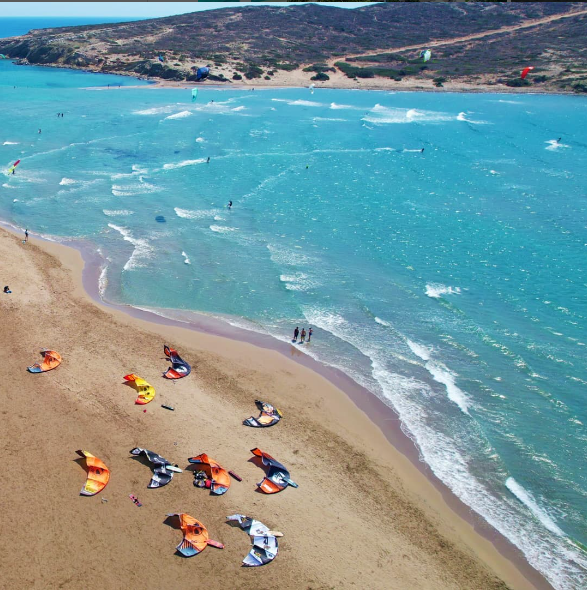
Kitesurfing camps are everywhere, and joining one is the quickest way to learn the exhilarating sport that merges flying with surfing. Joining a kitesurfing camp is recommended for beginners as the sport of kitesurfing can be difficult to learn without an experienced guide showing you the ropes. The best kitesurfing camps around the world include many exotic and beautiful locations, such as Cabarete in the Dominican Republic, Tarifa in Spain, and El Gouna in Egypt. The best kitesurfing camps include accommodation, meals, kitesurfing lessons, and non-kiting activities for the overall price. Joining a kitesurfing camp is easier than ever before, with a host of high-quality camps popping up in favorable locations for kitesurfing. You’ll find them in Ecuador, Morocco, Sri Lanka, Greece, and Down Under. Let’s explore where you will find some of the best kitesurfing camps around the world. Why Joining A Kitesurfing Camp Is The Best Way To Learn Kitesurfing, also referred to as kiteboarding, is a difficult activity to master, especially when starting. The sport of kitesurfing can be described as a combination of the following:   Wakeboarding Windsurfing Surfing Paragliding Skateboarding Gymnastics   Kitesurfing is an extreme sport involving certain elements of other extreme sports while you’re strapped to a harness pulled by a power kite…strapped to a board in the ocean at the mercy of the wind. Joining a kitesurfing camp is a wise decision if you want to enter the flying-over-the-ocean world inhabited by numerous adrenaline seekers. At a kitesurfing camp, an experienced instructor will guide you through how to use kitesurfing equipment, how to read the conditions, all the relevant safety procedures, and ultimately how to kitesurf confidently. Joining a kitesurfing camp is the quickest and most fun way to learn the ropes and confidently surf the wind. It’s estimated that it takes between 6-8 hours of one-on-one instruction to get to a level where you are comfortable to continue your kitesurfing journey without the aid of a kitesurfing coach. Top Kitesurfing Camp Destinations There are many excellent kitesurfing destinations around the world. From the sandy dunes of Morocco to the challenging Australian coast, we are blessed with high-quality kitesurfing camps and beautiful destinations. When looking for the best kitesurfing camps in the most exotic locations, look no further than the following destinations:   Caribbean – Dominican Republic, Aruba, and Curaçao Americas – Brazil, Mexico, and Peru Europe – Spain, Italy, Greece, and Portugal North America – Florida, California, North Carolina Africa – Morocco, Egypt, and South Africa Asia – Sri Lanka, Maldives, and Thailand What Does It Cost To Learn To Kitesurf? Good kitesurfing camps cater to all skill levels, solo travelers, or group bookings, and their prices depend on the service they offer. The more expensive kitesurfing camps are the ones that include the following, above and beyond the kitesurfing lessons and equipment:   Accommodation Meals Flights Transfers Extra activities such as sightseeing trips or additional adventure excursions in the area, such as SUP tours, horse riding, or bike and whale-watching tours A combination camp, such as a yoga-kitesurfing camp or a scuba-kitesurfing camp Alternative therapies or holistic ceremonies will also hike up the total cost of the camp   On average, you can expect to pay the following for kitesurfing lessons:   $100 for a 90-minute introductory lesson $150 for a supervised rental $200 for a 2-hour Private Any-Level VIP training session $300 for a 3-hour Private Any-Level VIP training session $500+ for a 3-day kitesurfing camp (excluding accommodation, transfer costs, and additional activities) $850 for a 5-day kitesurfing camp (excluding accommodation, transfer costs, and additional activities) One-on-one private lessons will always be more expensive than a two-person per-instructor lesson. $600 for a Private Half-Day training session (one student per coach) $1,000 for Full-Day Offsite Coaching (coach travels to your destination) $1,200 for a Private Full-Day training session (one student per coach)   Kitesurfing camp costs range from $200 to $2,000, depending on the camp inclusions and the actual hours of training lessons per day. Most kitesurfing lessons cost around $100 per hour. If you’re joining a local kitesurfing camp, you will only pay for the lessons themselves (hours), whereas a tourist will pay for lessons, accommodation, and other inclusive services. What Is A Kitesurfing Camp? A kitesurfing camp typically consists of a structured training program, ranging from a couple of training hours per day, spread over a couple of days to a week, with the sole aim of helping participants to improve their kitesurfing skills. Kitesurfing camps provide the following:   Kitesurfing lessons (specially designed according to skill levels which include beginner to advanced) Equipment rental Personalized training program provided by an experienced kitesurfing instructor or coach Accommodation   Some kitesurfing camps include travel arrangements such as flights and transfers and extra non-kiting activities in the itinerary package. What Are The Benefits Of Joining A Kitesurfing Camp? The benefits of joining a kitesurfing camp are numerous. If you’re uncertain of why a kitesurfing camp is beneficial, besides learning how to kitesurf, here are a few benefits of joining a kitesurfing camp:   Learning how to kitesurf with professional kitesurfing equipment and a personal kitesurfing instructor Learning how to read wind and water conditions Learning about kitesurfing safety regulations and emergency procedures Meeting new people and forming part of a community of fellow kitesurfing enthusiasts Discovering new destinations and experiencing different cultures, cuisines, customs, and natural beauty. Getting to explore the area of life outside of your comfort zone   Kitesurfing is a sport that challenges you on all levels. Getting actively involved in the sport of kitesurfing is a brilliant way to challenge yourself physically and mentally. It’s good exercise and great fun, but it can take hours of one-on-one tuition to master. What Skills Can You Learn From A Kitesurfing Camp? You need a certain skill set when kitesurfing. The skillset includes balance, strength, and the ability to read weather conditions. Being able to swim and having a body in relatively good health is also recommended. When … Read more

Top Surf Yoga Retreat | Travel Guide

surf yoga retreat

Yoga and surfing have become increasingly popular among people who want a healthy lifestyle. Also, it is a way to connect with nature, a major encouragement for many. Suppose you are seeing a combination of these two practices. In that case, a surf yoga retreat is the best place for you as it allows you to immerse yourself in a week-long experience of yoga, surfing, and relaxation in nature. You can visit many surf yoga retreats, making it easy to get confused. But if you are looking for a place in a charming coastal town that offers the setting for surfing, and a picturesque ambiance, you’ve come to the right place. Our experts have handpicked the best all-inclusive surf and yoga vacations to visit. Best 8 Surf Yoga Retreats to Visit If surfing with the best boards or a yoga vacation seems pleasing, know you can find incredible yoga and surf retreats worldwide. Here are the eight best yoga and surf retreat to visit. Bodhi Surf Yoga Located in the Bahia Ballena-Uvita, Bodhi surf yoga was founded in 2010 by three surfer enthusiasts from different corners of the world. The mission of this retreat in Costa Rica was to educate, inspire, and empower visitors to live more sustainably through yoga, surfing, nature immersion, and community engagement. This retreat hosts three different modalities of camp; the Bodhi Awaken, a two-week long bodysurfing ocean awareness of surfing and yoga. The Bodhi Family is a one-week camp for families passionate about surfing. In contrast, the Bodhi Sessions is a one-week camp for adults who want to surf and engage in yoga sessions. At each of the camps, surfing is taught theoretically and practically to help you understand the fundamentals of surfing. The accommodation is also decent, with options for four and a maximum of 10 guests per week in either bungalows or rooms. The bungalow has a kitchenette, and the rooms have a shared kitchen. Overall, this surf yoga retreat is affordable for everyone. Surf Simply – Surf Yoga Retreat The surf is another surf & yoga retreat in Costa Rica in the Playa Guiones, Nosara. Founded in 2007 by Rupert Hill, Surf has since grown to be one of the most renowned retreats in Costa Rica. As a high-end coasting resort with luxurious buildings and professional coast, it makes sense why it books visitors all year long. This resort in Costa Rica runs coaching courses in Peru, the UK, and parts of Indonesia and France. So, if you want to take your surfing skills to the next level, the surf is a destination located on the edge of the nature reserve. The course includes a seven-day session from Saturday until next Saturday. The accommodations at surf hold awards for minimizing the environmental impact on its construction and everyday operation. It has ten bedrooms with king-size beds, an air conditioner, Wi-Fi, shared living space, a pool, a hot tub, and many more. Surf Simply’s approach to increasing the quality by limiting its visits to only 12 surfers a week makes it a competitive destination. Sansara Surf and Yoga Retreat Created to share space to encourage surfers to tap into their potential, Sansara surf and yoga resort is perfect for all surfers. At Sansara, it helps surfers restore their balance and draw energy from the community, whether through inspiring yoga or surf retreats, healing exercises, and creative dining experiences. Sansara retreat is a destination for every surfer, irrespective of your skill level. As an eco-resort, it is surrounded by lush tropical forests and pristine beaches where you can practice catching waves in real time. The unique experience with yogis and suffering helps you build a community of like minds. Visitors at Sansara can choose from various accommodations, such as oceanfront villas, cozy garden cabanas, and so on, all designed to provide relaxation and comfort. The retreat features a beautiful infinity pool, delicious restaurants, and a range of wellness activities such as meditation, hiking, massages, etc. Don Jon’s Surf and Yoga Lodge Located in Santa Teresa, Costa Rica, Don Jon’s surf and yoga lodge is a world-class sport with beautiful waves. Its white sand beaches and picturesque sunsets make this destination perfect for connecting with nature. It is a laid-back destination known globally for its stunning natural setting. Guests who want to experience the authentic and comfortable Costa Rican experience can do so at Don Jon’s surf and yoga lodge. The retreat features a beautiful outdoor yoga shala, a refreshing saltwater pool, and a healthy and delicious restaurant for refreshing and international cuisines. Don Jon’s Surf and Yoga Retreat are dedicated to providing guests with a holistic experience that nourishes the mind, body, and soul. In addition to surfing and yoga, guests can enjoy various wellness activities such as massages, acupuncture, and Reiki. With its focus on community and sustainability, Don Jon’s Surf and Yoga Retreat is the perfect destination for those seeking a transformative and rejuvenating experience in the heart of Costa Rica. The Salty Pelican Retreat The Salty Pelican Retreat, a surf & yoga retreat in Sri Lanka, is a laid-back and charming destination in Portugal. This retreat is a place that offers its visitors a balance of relaxation, surfing, and yoga. And its proximity to the beach makes it a place to get the best surfing classes and yoga sessions for those looking to refresh their mind. The Salty Pelican also offers comfortable and cozy accommodations to its visitors, all of which are designed with bohemian and rustic style. Its accommodations reflect its laid-back vibe, where guests can enjoy the beautiful ambiance of the outdoors from the terrace or converse with like-minded surfers at the cozy indoor lounge. Also, this destination offers guests several wellness activities they can engage in, such as massage, hiking, and so on. Guests can also take their time to visit nearby attractions in Lisbon and Sintra to boost their experience at this retreat. Adventure Yogi Cornwall Retreat The Adventure Yogi Cornwall Retreat is a unique and … Read more

Traveling With Your SUP: You Need To Know

Traveling With Your SUP

Are you going somewhere with a stellar SUP location? Taking your stand-up paddleboard with you might feel like a tricky task, but you won’t regret bringing it along if you’re an avid paddler. You’ll be thrilled to know that you are able to bring your SUP anywhere you go! If you want to travel with a SUP, you’ll benefit more from an inflatable one, especially if you’re taking a flight. Flight costs with a regular SUP might be as expensive as a new inflatable one. Inflatable paddleboards are easy to carry in a high-quality SUP backpack.  Traveling with an inflatable paddleboard is in your best interest, as a hard SUP might be too large for flights and public transport. Whether flying, traveling by car, or taking public transport, here’s everything you need to know about traveling with your beloved SUP. Flying With An Inflatable SUP The world has an endless supply of stunning SUP spots, and not all of them have a SUP rental shop. Taking your paddleboard along is easier than you think! You’ll want an inflatable SUP, especially if you often travel, because a non-inflatable is much more challenging and will cost you more than an entry-level inflatable. Inflatable paddleboards range from $200 to $1500, but you can easily find a decent one in the $250 to $400 range. Considering that you’ll pay at least $100 one way on a flight and need to spend extra on a rental car for a solid SUP, you’ll thank yourself for purchasing a new one that’s travel friendly. Can You Take Your SUP On A Plane? Yes, you can take your paddleboard on a flight! Inflatable SUPs shrink down enough to make them portable. Many SUP enthusiasts have traveled successfully with their boards – both inflatable and solid, but your best bet, as mentioned, is an inflatable one. You’ll also need a 3-piece paddle to make packing easier. You’ll need to pay extra to transport your paddleboard, but many have been lucky enough to pass through luggage control for free. If your paddleboard and gear fit within your carry-on weight limit, you won’t face too much of a hassle; otherwise, you’ll pay extra. American Airlines has a 70 lbs. weight limit for your gear, while other airlines max out at 100 lbs. Fees range from $50 to $150 per flight. United and U.S Airways are the most expensive airlines to transport your SUP, with fees of $200. If you have an epoxy SUP, you’ll want to ensure your SUP length is no longer than 9.6 feet. Airlines classify SUPs under surfboards if you want to call the airline for information. How To Pack An Inflatable SUP For Air Travel You should purchase an inflatable SUP travel bag for maximum protection and ease of transport. You should choose a bag with heavy-duty zips, padded straps, and grab handles, and if you can find one with wheels, you’re in for a much easier time walking through the airport! You should also find a bag that has extra space so that you can pack in other gear. When you roll up your SUP, you should wrap it around your paddle and pump to protect them from the rough handling that airport luggage goes through. It will be a grand idea if you wrap your bag with an extra layer of protection by using the airport luggage wrapping service. This will ensure your gear sits snug and lessens the chance of damage. Inflating Your SUP After Arriving At Your Destination You’ll need a pump to take with you to your destination; otherwise, it’s a pointless exercise lugging it on the plane! You can unwrap your pump, assemble it, and blow up your SUP at your paddleboarding location. It’s best only to inflate your SUP when you’re using it and then deflate it once you’re done to make transit easier. Tips For Flying With An Inflatable SUP Just in case you’re still a little lost on going airborne with your SUP, these tips should help: Contact your airline to find out their luggage policy, especially if you’re transporting an epoxy SUP. Wrapping your bag with an extra layer helps with additional protection. If you’ve wrapped your bag, write your name and address with a permanent marker in case your travel tags fall off. Wrap your pump hose on the outside of your SUP. Lock your zips or cable ties with a lock so nothing falls out. It would help if you arrived earlier for check-in, as it might take extra time to get your SUP through. Only mention that you’re transporting a SUP if necessary to avoid extra costs; instead, get by with paying for luggage weight. Transporting Your SUP By Car Securing your epoxy paddleboard to your car is essential for your SUP adventures! Not everyone needs to catch a flight to their SUP location, so if you’re using an inflatable paddleboard, you can use a bag, but you won’t need to wrap your pump and paddle in the middle of the board because the transit isn’t rough. Epoxy and already-inflated SUPs need a roof rack if you’re traveling by car because, as you know – they’re huge! If your car doesn’t have a roof rack already, you’ll need to install one, preferably one designed for a SUP. If you’re transporting via a pickup truck, you can transport it in the back, with the deck facing down and the nose supported by the tailgate, with padding underneath. You’ll also need to secure it with ropes. How To Secure Your SUP To Your Car Roof You’ll need a few things to attach your SUP to the roof rack: Crossbar: If you don’t have a SUP rack, you’ll need a bar that runs across the roof for stability. Rack padding: Your racks need padding to prevent damaging your SUP. You can use foam blocks or pool noodles. Cam straps: Cam straps are the most convenient, sturdy type of straps. You’ll need two 12-foot-length straps. Extra rope: … Read more

Traveling with Windsurfing Gear: Tips

If you enjoy windsurfing, it is only natural that you will want to explore the world and ensure you always have your kit with you. If you do not want to rent equipment from a local shop in the area, the tips and tricks we mention below may be able to help you ensure your kit is safe and arrives the way it should.   When you want to travel with your windsurfing board and equipment, the most important thing to consider is that you will need enough padding to keep your gear in good condition. Other things to consider include air travel regulations and the best ways to pack your sails to ensure minimal damage.   If you have spent a while building up your equipment and getting comfortable with everything, you’ll want to keep everything in the best possible condition. The tips below are essential to ensure your gear gets packed safely and that you won’t need to replace anything on your travels.   How To Travel With Windsurfing Equipment Though you may have carted your windsurfing gear to the beach a few times, traveling with that gear over long distances can be challenging. With this in mind, we discuss a few significant considerations below and tips and tricks for traveling with all your gear.   The best way to transport your gear: Since windsurfing requires quite a lot of equipment, some of which can be pretty big even after folding or dismantling, the best way to haul your gear around is by using a trailer. The trailer will help fit all of your equipment and keep it safe. However, you can use a roof rack for some of your gear if you do not have a trailer. Can you fly with windsurfing gear: Though not all airlines allow you to travel with windsurfing equipment, many do if you are willing to pay the additional fees of around $150 to $200. Some airlines require you to send your windsurfing gear as cargo instead of allowing it on your passenger plane, though this may also cost considerably more. How to pack your sails: In windsurfing, the sails are one of the most critical parts of your gear, so packing them the best way is essential. Before you can pack your sail, you must remove your boom and mast, after which you can roll up your sail relatively tightly. Once your sail is rolled up and secured with straps, you can slide it into the bag sleeve first; for more help, watch this video. Packing your mast and boom: Both your boom and mast have individual bags you can buy to house them and keep them safe while traveling. However, if you want to travel with your gear packed in one bag, a quiver bag may be your best option and can house almost all your equipment. The best windsurfing travel bags: If you want to buy some windsurfing gear bags, Unifiber is one of the best brands to consider and has a variety of bags you can use. However, other brands, like Starboard, sell bags for windsurfing gear, which can hold multiple boards and equipment.   Can you rent gear at your destination: Though many of us would prefer to use the equipment we are used to and own, plenty of shops are willing to rent gear if you cannot bring yours. With this in mind, some rental shops you can use may even have equipment better suited to the area where you want to windsurf since they likely know the area.   Tips to ensure your equipment arrives safely: The best advice for traveling with windsurfing gear is to buy a bag with enough padding or add some extra to be safe. One of the main reasons why equipment gets damaged during travel is because of bumping or moving around. You can use cloth or cardboard as an easy way to pad your gear and ensure it is extra safe. How To Travel With A Windsurf Board Since your board is arguably the most critical part of your windsurfing gear, discussing how to travel with your board is best to do separately. Below we look at some details you should remember the next time you travel with your windsurfing board.   The dimensions of your board (air travel): Though many airlines allow you to travel with windsurfing gear and boards, the dimensions of the boards can determine the cost and whether it qualifies to fly with you or has to get sent separately. The general rule is that a windsurfing board should not be larger than 115 inches by 24 inches to qualify for flights.In addition, your windsurfing board should not weigh more than 70 lbs., but if it weighs less than 50 lbs., you may be able to pass it off as a surfboard and not need to pay the fees. How to pack your board: Though there are ways to fit all of your equipment and your board in the same bag, if you want to use air travel, it may be better to split your things into more bags that weigh less. Using extra board bags to store your boom and other equipment may be helpful since some airlines prefer not to take heavier loads and may require splitting it up.With this in mind, airlines are notoriously bad at keeping fragile things in one piece, so it may be best to wrap your board in a few layers of bubble wrap, cardboard, or other padding materials. Windsurfing board bag materials: There are a few different materials manufacturers use to make windsurfing board bags, some of the most common being nylon and neoprene. With this in mind, the best of these two is usually neoprene which is more durable and gives better overall protection for your board.When you buy a board bag, it is best to look at how much padding it comes with. Some bags have minimal padding, while others have rubber or foam … Read more

Feed Your Stoke. Join the Surf Hungry Crew

Surf tips, gear reviews and travel guides straight to your inbox

"*" indicates required fields

Privacy*
This field is for validation purposes and should be left unchanged.