The Best Longboard Surfing Waves in the World

best longboard surfing waves in the world

There is something magical about giant waves that seem as tall as mountains and the surfers who dare challenge them. Some surfers spend their lives seeking out the best longboard surfing waves in the world.   The best longboard surfing waves in the world are Waikiki Beach in Hawaii, Noosa Heads in Australia, Malibu in California, Jeffreys Bay in South Africa, Scorpion Bay in Baja California Mexico, San Onofre in California, Mahala Warf in Maui, Ditch Plains in Montauk, New York and Sunset Beach in Oahu.   Before setting out on an expedition, you should know as much as possible about each area and what to expect from the waves. Being well prepared is crucial as it could be dangerous going in blind. The Best Longboard Surfing Waves in the World When using a longboard, it offers perfect stability and balance of speed, causing them to be the ideal board for use on more giant waves. Longboards are a traditional style of surfboard and are used more commonly.   Longer boards are better for beginner surfers who prefer that surfing style. Longboards are much more stable, allowing beginners the stability needed to learn how to balance while being on a surfboard, and learning to paddle out through the break.   Longboards make paddling and catching waves easier because of their length and volume. The longer the board, the better it is for dropping into big waves and swells. Choosing The Right Wave as a Beginner Choosing the right wave when you’re a beginner longboarder is essential for your safety. Initially, it may be hard to distinguish. Still, only some waves are safe for beginner longboarders.   The best waves for when you’re just beginning will have a gentle slope. It will give you much time to paddle to and catch the wave before it breaks on the shore. Look for waves that break at least 100 meters from shore.   Waikiki Beach, Hawaii Surfing is an ancient sport. It is so old that its beginning cant be found. There was no written language in ancient Polynesia since history and legend were handed down by word from parents to their kids. This interchange was in the form of chants called Meles in Hawaii.   There is plenty of evidence from the references in these chants. The art of surf riding was the most common Polynesian sport. It was practiced in different forms, from New Zealand to Hawaii, the Pacific region, and Easter Island to New Guinea.   Why Are Hawaiian Waves Good for Longboards If you are at North Shore and the weather is reasonable, you may see some giant waves. These waves during winter can reach up to twenty feet tall or two stories high. Big waves are what you want to see since they are perfect for longboards. In Hawaii, they measure the height of the wave from the back, meaning the surfers of north shore surf waves that have forty-foot faces or higher. Noosa Heads, Australia Noosa Points in Australia are popular for waves that always break in the same line and speed. It has sandy bottoms, 100m breaks, and long rocky points, which makes these s few of the best point breaks. The points are Little Cove, First Point, Granite Bay, Boiling Pot, and Tea Tree Bay.   You should take advantage of these spots when the surf is up. Noosa is famous due to its clean waves and sheltered water.   Longboarding at Noosa Heads Noosa Heads is a beautiful beach that will have you surfing 200 meters on a wave, giving you sufficient time to enjoy your surroundings and longboard rides. The best time to take out your longboard and head there is from December to April since it’s summertime. Tips For Surfing Learning how to surf with a longboard is the primary step to being able to surf like a pro. You must learn longboard surfing basics before surfing big waves like at Noosa Heads. These are essential things to know before longboarding:   Fading – Using this move will add style to your techniques. Leash Selection – It is ideal to avoid a leash. Still, if you are not secure enough to longboard without a leash, it is better to get a leash attached to your upper calf. Trimming – Trimming will save you from slowing down and suddenly stopping. It will also keep the longboard’s nose above the waves rather than under them. Cross-Stepping – Before you can cross-step, you need to be able to perform trimming. Nose Riding – Cross-stepping will bring you closer to the nose of the board. When five or ten of your toes are hanging off the nose of the board, you are nose riding.   Why Is Noosa So Popular for Longboarding Noosa’s reputation as a world-class longboarding area is backed up by its status as a World Surfing Reserve. Regarding natural beauty, Noosa’s Natural Park also has four thousand hectares of bushland. The Waves are practically in a league on their own.   Since the waves at Noosa are high, it makes it perfect for longboarding. The bigger the wave, the better it is to longboard. The best place to surf in Noosa is by Double Island Point. Here you can surf some of the most manageable waves but still get a decently high wave.   Malibu, California The almost perfect longboard wave can be encountered at First Point in Malibu, California. The wave is formed perfectly, which offers a great ride. The right-point break has three various takeoff sectors that work with all tides.   Surfing in polluted water may lead to skin rashes, ear and eye infections, and breathing problems, damaging the surfing reputation in Malibu: Malibu and many other islands off the southern coast of California.   The culture of Malibu has always been based on longboards. In the 1940s, longboards were just called surfboards. In the 1950s, surfboards were easier to buy. Dale Velzy, Bob Simmons, and other surfers invented … Read more

Can Longboards Surf Big Waves?

Can Longboards Surf Big Waves

The global prevalence of longboards has exploded over the previous decade, mainly due to their practicality, functionality, and ease of use when surfing over slower and smaller waves. Modern longboards are typically wider, longer, heavier, and more cumbersome than traditional shortboards. Longboards can technically be used to surf big waves, but it is not recommended. While longboards can be used for surfing big waves, their lengthy, functional, and passive design makes them difficult to maneuver, increasing the chance of severe injury. Longboards are intended to function optimally when traversing smaller, slower waves found in calmer waters. are an inexperienced surfer or longboarder, experts recommend using one of the traditional shorter surfboards when surfing big, fast, and powerful waves. However, you can safely use your longboard to surf bigger waves in an unexpected emergency. To guarantee your safety and enjoyment, it is vital to use the correct equipment when surfing, as this article will detail. Are Longboards Practical For Surfing Big Waves? Longboards are not practical for surfing bigger, faster, and more powerful waves as they were originally designed to operate effortlessly in slower, smaller, and less forceful waves. While longboards can occasionally handle bigger waves, modern iterations were not intended to continuously traverse the power, speed, or gradient associated with larger waves. However, longboards measuring between nine and ten feet in length can be utilized by experienced surfers to surf in big wave conditions, although this is not recommended for their inexperienced counterparts. It is said that with the correct equipment and technique, longboards can be an optimal tool to handle some of the largest and most powerful waves imaginable. At the same time, before you attempt to surf big, fast, and powerful waves with a longboard, there are several important considerations to initially account for. It is incredibly challenging to duck under waves, paddle out, and glide down steep inclines using a traditional longboard. In addition, you must master the fundamentals of big wave and nose-ride surfing before attempting to take your longboard out into larger, more powerful waters. It is worthwhile noting that modern longboards function optimally in waves of between one and four feet. Most operational longboards can be found in locations such as Hawaii and California, with their notable lull between more forceful swells being ideal. Since longboards have more volume, are longer, and are significantly heavier compared to shorter surfboards, they offer users unparalleled stability and forgiveness in calmer waters. Moreover, longboards are usually easier to operate and become accustomed to, making it perfect for inexperienced people to learn how to surf. Are Longboards Or Shortboards Better For Big Wave Surfing? Short surfboards are the better option for most people concerning big-wave surfing as they offer significantly enhanced control, maneuverability, and agility compared to modern longboards. Traditionally, shorter surfboards are manufactured in a narrower, more streamlined, and shorter shape. The designs typically associated with shortboards enable them to maneuver instantly in any direction, ideal for having as much control as possible during critical moments while surfing big, steep, and powerful waves. At the same time, big-wave surfers prefer highly specialized surfboards known as tow boards or gun boards. Generally, these surfboards are considered shortboards as their unique shaping allows them to handle the unmatched intense forces associated with rapidly moving big waves. It should be noted that while shortboards are usually preferred when surfing bigger, faster waves, longboards can be utilized if necessary. Despite being impractical for high-velocity big-wave surfing, longboards can technically handle big waves if utilized correctly by an experienced surfer. Additionally, the likelihood of experiencing severe injury while big wave surfing is significantly increased when using longboards. Longboards are not considered unsafe; however, they are substantially more difficult to maneuver quickly, which makes control at crucial moments during the big wave surfing near impossible for most surfers. While shortboards are accepted as being more practical regarding big-wave surfing, the ultimate decision should be taken per your current surfing skill level, confidence, and state of mind. Taking risks during big-wave surfing can quickly lead to unnecessary disasters, severe injury, and even death. Tips For Using A Longboard To Surf Big Waves Safety is the most important aspect of using a longboard to surf big waves. The sheer size, weight, and volume associated with modern longboards make them hazardous projectiles for inexperienced surfers. There are numerous tips for using a longboard to surf big waves, depending on your skill and experience levels. However, there are five fundamental aspects every longboard surfer should remember while attempting to catch big, powerful, and fast waves:   Remember to wear a certified, high-quality leash, which is commonly thought of as the most vital piece of safety equipment for kite surfers while on the waves. Always maintain an appropriate distance from any crowded peaks or fellow swimmers, as the volume, weight, and length associated with modern longboards render them a significant safety risk. Maintain perfect situational awareness while watching your back to ensure the safety of surrounding surfers. Give preference to shortboard surfers when big waves are hard to come by. You should never kick out in a flashy, stylish, or reckless manner, as the longboard’s weight could easily cause severe injury or even death.   While catching and riding big waves using a longboard is more challenging, it is possible with relatively little practice. When using a longboard to ride big and powerful waves, it is vital to catch the wave as early as possible before it breaks. If the wave breaks while attempting to catch it, you will be thrown over the front, as longboards cannot safely surf down steep wave faces. Catching big waves early, maintaining a knee-bent position, and staying relaxed is the best approach when using longboards, as they will allow you to pinpoint the optimal portion of the board for your feet to be placed for enhanced maneuverability. Once you are comfortable catching larger, steeper, and more powerful waves, you can implement the drop knee technique, cross-stepping, and riding the nose to make … Read more

Longboard Surfing Tricks: How to Step Up

Longboard Surfing Tricks

Longboard surfing connects you with the ocean and lets you express yourself on the waves. Still, you’ll have to learn exciting skills and tricks to stand out from the crowd besides just riding out the wave. And this guide shows you how to rock the longboard like a pro, from the basics to the advanced moves. So, how can you step up your longboarding game? You must learn different maneuvers to elevate your longboard surfing skills, such as turns, cutbacks, re-entries, and nose rides. You also need to try some tricks that involve spinning, rolling, flying, and shuvits while practicing regularly, watching other surfers, and keeping a positive mindset. You’re about to enter the extraordinary world of longboard surfing, where you’ll learn how to nail the basic moves and the coolest tricks while remembering that it’s not all about technique. We’ll also give you some killer tips that will change your game and bring out the best surfer in you. So, don’t miss this chance to boost your skills and have a blast on the longboard. Let’s get started! Mastering The Basic Longboard Surfing Maneuvers So, getting to the basics – Longboarding surfing is a relaxed and laid-back style that requires a longboard, usually about three feet longer than your height. Different types of longboards, such as the nose rider, the performance, and the hybrid, suit various preferences and conditions. And starting longboarding surfing requires practicing your balance on a static board on grass or a rug and looking for waves breaking far from the shore. It would be best to include basic equipment, such as a swimsuit or wetsuit (optional), a fin, surf wax, a leg leash, and sunscreen. But before you can attempt any fancy tricks on your longboard, you need to master some essential skills and maneuvers that will help you control your board and ride the waves easily and in style. These are the basic longboard surfing maneuvers that every surfer should know: Bottom Turn Known as your first turn after catching a wave, it sets you up for the rest of the ride by positioning you on the face of the wave. Performing a bottom turn requires you to shift your weight to your rear foot and lean in your desired direction. Then, as you reach the lower end of the wave, you need to shift your weight to your front foot and look up at where you want to go next. Vision is essential for this role, allowing your body to respond and plan ahead on what you see rather than what you feel. And to top that up, Cross-stepping (mentioned below) can be extremely challenging without a proper bottom turn and board setup. Top Turn This is the turn you make at the top of the wave, allowing you to change direction and generate speed by using the power of the wave. Top turning is best approaching the lip of the wave with speed and angle your board towards it. Then, as you reach the lip, you must push hard on your back foot and twist your upper body in the opposite direction. It will make your board carve around and spray some water, and you’ll need to look down at where you want to go next and follow through with your board. Cutback A Cutback, or Front/Backside cutback, is the turn you make when you want to get back to the pocket, or power source, of the wave, allowing you to maintain speed and will help you stay on the wave for much longer. Among surfers, the common saying is “When fat, cutback!” which requires you to ride along the face of the wave until you feel like you are losing speed or getting too far ahead of the breaking section. You must shift your weight to your back foot and turn your board towards the whitewater. As you reach the whitewater, you need to shift a good portion of your weight to your front foot and turn your board back towards the face of the wave, making your board do a roundhouse arc and get back into position. It can be a slight learning curve for new surfers to get the hang of, but keep at it – and once you have it, it’s hard to forget the feeling! Re-Entry Re-entry is when you want to hit the lip of the wave with power and style, allowing you to show off your moves and impress other surfers. Every surfer’s arsenal must include a re-entry, which can take various forms, from a simple straight up and down to an explosive re-entry with no fins. The maneuver aims to ride the lip back to the flats after rebounding from the lip. To do a re-entry, you need to approach the lip of the wave with speed and angle your board slightly towards it. Then, as you reach the lip, you need to push hard on your back foot and lift your front foot up. This will make your board go vertical and hit the lip with force, where you will need to bring your front foot down and lean forward to land back on the face of the wave. Cross Step The Cross-stepping technique is used when you want to walk along your longboard and change your position on it. It allows you to adjust your trim and balance according to the size and shape of the wave. Cross-stepping also helps you adjust your position on the board and stay in the wave’s sweet spot. Start with your feet together near the middle of your board to do a cross-step – then, you need to move one foot forward by crossing it over or behind the other foot. Then, move the other foot forward by crossing it over or behind the first foot. You need to repeat this method until you reach your desired spot on your board – and sometimes, you’ll find that you do not need to go to the … Read more

Longboard Surfing Vs Shortboard Surfing

Longboard Surfing Vs Shortboard Surfing

An unabating feud has long existed between long- and shortboard surfers ever since shortboards entered the surf scene in the late 1960s. While both have strong arguments supporting their side, we are all essentially doing the same thing – riding the tides! If you’re an aspiring surfer, you may wonder which is right for you. Longboards are more buoyant, stable, and easier to ride. They are ideal for beginners and surfers looking for a laidback surfing experience. Shortboards are designed for high-performance and powerful waves. They are difficult to ride, making them better suited for intermediate and expert riders. Although both longboard and shortboard surfboards belong on the waves, an extra three or four feet of foam can make all the difference. Let’s compare the difference between the two surfboard styles to discover which suits you best. Difference Between Longboard Surfing And Shortboard Surfing The primary difference between a longboard and a shortboard include the length, shape, foam volume, fin setup, surf level, and the wave type they’re intended for. If you want to skip the reading, take a quick scan through the seven main differences:   Longboard Surfboard Shortboard Surfboard Length 9ft + 5ft to 7ft Shape Wide, curved outline (rounded nose) Pointer, upturned tip (rocker nose) Foam Volume High Low Fin Setup ·        A large single central fin ·        Central fin and two smaller trailer fins on each side Smaller fins with various setups ·        Twin-fin ·        Thruster ·        Quad ·        Bonza (five fins) Surf Level Beginner + Intermediate + Maneuverability Slow Very Responsive Wave Type ·        Any wave ·        The ideal is 1 to 3ft green wave ·        Large range, but better suited in larger surf ·        The ideal wave is 2ft+   Now, for those looking for a bit more detail, let’s look at each board. Traditionally, longboards have a height upwards of 9 feet – they should measure at least three feet taller than the surfer’s height. These surfboards feature wide decks, large, rounded noses, and thick foam rails for increased volume. They are typically set up with a single fin but occasionally feature two smaller trailer fins on each side. Shortboards range between 5 to 7 feet in height. They are low volume and feature a pointier shape and thinner foam rails. Shortboards have much smaller fins available in various setups, including twin-fin, thruster, quad, and bonza. Longboard surfboards offer a more laid-back cruising experience. They are easy to paddle, stable, and guarantee to catch more waves and ride them for longer. Longboards are suitable for a range of surfers, from beginners to professionals and avid longboarders. Logging – a common surf term for riding a longboard – has experienced a revival since the shortboard revolution. If you are collecting a quiver of surfboards, adding a classic longboard to your collection is a must! Shortboards are specially designed for speed and high maneuverability; their high turn response makes them ideal for larger, more powerful waves. However, their small size makes them much harder to paddle and balance – they are better suited for intermediate to advanced surfers. Advantages And Disadvantages Of Shortboard Surfing Shortboard surfboards range onto the high-performance spectrum of surfing. The better you understand the surf, the better you can channel the power and speed of a shortboard. Here’s a rundown of a shortboard’s advantages and disadvantages. Advantages Of Shortboard Surfing Here are the top advantages of a shortboard: Performance:It is specially designed for speed, high maneuverability, and high-performance surfing. Size:The small size and light weight make the surfboard easy to transport and store. Duck diving:The shortboard is the easiest to duck dive and get “out the back.” Hollow waves:The shortboard has a more prominent rocker in its nose, making it perfect for steep drop-ins and hollow, barrelling waves. Durability:Shortboards are mostly from epoxy or EPS blanks, making them highly durable. Versatile:They have a wide variety of fin setups – twin-fin, thruster, quad, and bonza. Disadvantages Of Shortboard Surfing Here are the disadvantages of a shortboard: Advanced: Shortboards are the most challenging to surf. They are better suited for intermediate to professional surfers with solid technique. Usability: Shortboards are built for optimal performance. They do not perform well in small, mellow waves. Paddling: The lack of volume makes it harder to paddle. Choosing Between Longboard Surfing And Shortboard Surfing: Factors To Consider From skill level to wave shape and board style, there are various factors that you need to consider when choosing between a longboard and a shortboard. 1. Skill Level What is your skill level? If you’re a beginner, you’ll want to opt for a longboard. It’s easier to ride and more forgiving than a shortboard thanks to its wider, more stable shape. If you’re an advanced surfer, consider getting a more performance-orientated shortboard to help push your limits and grow your skill. 2. Fitness Level You’ll be surprised how big of a role fitness plays in choosing the correct surfboard for the best surfing experience. You don’t want to compromise your wave count on account of your surfing fitness (or rather, your lack thereof). A high-volume longboard adds buoyancy to your surfboard, making it easier to paddle into the lineup. Remember, you still want enough paddle power to catch those waves! As you gain stamina, your paddling and endurance will improve. Stronger paddles allow you to consider switching to a thinner, less buoyant shortboard to enjoy a more performance-based ride. 3. Wave Type What wave type do you enjoy surfing most? Naturally, your skill level will impact the wave types you’re riding. Here’s the best surfboard based on the wave type: Small waves: Longboards with a high volume are best for small, slow waves and for cruising around those ankle biters. Medium waves: You can still have a blast riding a medium wave on a longboard, but you can also consider busting out your performance shortboard. Big waves: Intermediate and advanced surfers should use their shortboards to challenge bigger, hollow waves and to catch a barrel. Most surfers have a … Read more

How To Get Past the Break On A Longboard

How To Get Past the Break On A Longboard

Longboarding is both thrilling and graceful, often appearing as if you’re dancing on the waves! If you have trouble dealing with the break, you might end up wiping out or missing the best part of the wave! Here are the best techniques and tips for beginners and pros to get past the break on a longboard. You can get past the break on a longboard by using the push-up technique to lift your torso off your board and allow the water to pass between you and the board. Then, use the rocket ship technique, where you use your weight to launch yourself over the wave, and turtle rolling to roll under the wave.  A lot goes into getting past the break on a longboard; you need to consider the volume of your board and the width and keep a constant speed. We’ll cover all the crucial factors and follow a detailed step-by-step guide using the push-up, rocket ship, and turtle roll techniques. We’ll cover tips pros use and examine the differences between paddling with longboards and shortboards. Paddling Out In Big Surf On A Longboard You might really enjoy using your 6’6 Foamie board with 44L of volume – its superior buoyancy and stability are unparalleled, making riding the waves much more enjoyable! While this is true, these factors also make it more challenging to negotiate the waves when you paddle out. Duck diving is a handy technique that you can use to dive under an oncoming wave to avoid getting pushed back. It requires you to push your surfboard under the water, which can be difficult with a longboard board with a high volume (buoyancy) and stubbornly refuses to sink. So, how do you get past the whitewater on your longboard? Getting Past Whitewater On A Longboard: Step-By-Step Guide While you can’t completely stop oncoming waves from pushing you back, you can control by how much. You can use a few methods to help you get past the whitewater and paddle out comfortably at a good pace. We’ll examine the raised method, the rocket ship, and turtle rolling.  The Push-Up Technique Increase your paddling speed toward the approaching whitewater or the lip of the wave. Speed is vital to help you build momentum and maximize the chances of the technique working. When the whitewater is about to hit you, use your arms to lift your torso up and off the board. This will ensure the whitewater passes between you and your surfboard, significantly reducing the resistance you feel from the wave. If you want to take the push-up technique further, you can also perform a hop motion to lift your feet into the air and off the board. The less water hits your body, the less resistance you’ll experience. This method is ideal for moderate-sized whitewater because if the whitewater is taller than you, it will lift you and push you backward. The Rocket Ship When you see the approaching whitewater, sit up and move to the back of your board, raising your board‘s nose into the air. This is important for gaining the necessary momentum for the next step. As the whitewater is about to hit you, reach your arms as high up your board as you can, and pull your weight toward your board’s nose. Watch your timing; if you don’t have enough weight at the nose of your board when the wave hits, you’ll flip backward. Shooting yourself forward with your weight will help you to propel yourself up, out of the water, and over the wave. The rocket ship is excellent for dealing with smaller waves or when the waves are too big for the push-up technique, but more powerful waves will lift you up and possibly turn you on your back, so be careful! Turtle Rolling Accelerate into the oncoming whitewater, keeping your board perpendicular to the wave (facing the wave). Use both hands and grab the rails of your surfboard. Shift your body off your board and into the water, turning your board upside down so that you are underneath it and holding it with both hands. When the whitewater hits you, jab it with your board to reduce resistance. Once the wave passes, climb back onto your board and continue paddling out. Turtle rolling is ideal if there’s a wave breaking right in front of or on top of you. Rip Currents: How To Use Them To Your Advantage If you’ve spent time in the ocean or have experience with surf lifesaving, you’ve probably heard about rip currents. While they do carry a negative connotation due to their safety risks, experienced surfers often use them to make it back to the lineup much quicker. A rip current results from water rushing back into the ocean after hitting the shoreline. When this process happens for long periods, small-scale erosion forms channels that allow the water to return to the sea. These channels are often deeper than the sand around them, which means that waves don’t break in the rip current itself. Here’s how to spot a rip current:   Dark patches of water deep-colored water Fewer breaking waves Rippled surface surrounded by a smooth surface Anything floating beyond the waves (foamy, discolored sandwater) Rip currents are dangerous, so practice safety first, and if there’s a lifeguard on duty, swim where they can see you and between the allocated flags. Longboarding Vs. Shortboarding: Which Is Easier To Paddle? Longboards and shortboards are loads of fun and excitement in their own right, but when it comes to paddling, longboards are easier to paddle than shortboards. Let’s look at the facts:   Length – longboards are longer than shortboards, which means they have more glide and momentum on the water. This makes them easier to paddle and catch waves with. Shortboards are shorter and require more effort and speed to paddle and catch waves with.   Width – shortboards are narrower and require more skill and agility to paddle and maneuver. Longboards are wider than … Read more

Top 15 Best Surfboards For Every Surfer | [Review]

best surfboards

Every surfer knows – surf holidays need one crucial thing – the surfboard.  Maybe you have been out on a few surf trips, and you are thinking of bringing a new board to your next adventure. While you keep a close relationship with the one you currently have, it would not be such a bad idea to look for another one. One that will work for the type of water condition you will ride next.  The options we have in the surfing world may overwhelm and drown you. It shouldn’t. Surely, there is a board for every kind of surfer and every type of wave. Whether you are a progressing ripper or an expert big wave rider, a particular surfboard will get you and inspire you. To find out which one, we’ve prepared everything you need to know about the best surfboards.  Top 15 Best Surfboards Reviewed There are other factors you need to take into consideration aside from what has been mentioned already. But, let us get into the list of the best surfboards we picked before stepping into that topic.  Best for Beginners Giantex 6’ Surfboard Catch Surf Beater Wavestorm 8′ Classic Pinline Surfboard Best for All-day, Everyday Surfing – Softech Eric Geiselman Flash Best for Weak Water Conditions – Lib Tech x Lost Freak Flag Bean Bag Best For Transitioning from Longboard to Shortboard – Wave Bandit 6’6” Performer (Tri Fin) Best for Lady Surfers – Haydenshapes Hypto Krypto Best Hybrid Surfboard – South Bay Board Co. Huevo Best Foam Surfboard – California Board Company Cal Bear Series Surfboard Best Performance Surfboard – BIC Sport Magnum 7’ Surfboard Best for Kids – North Gear 6ft Surfing Thruster Surfboard Ocean Beach Foamie Best Surfboard Against Delamination – THURSO SURF Aero 7 ft Soft Top Surfboard Best Budget – Liquid Shredder 6ft EZ Slider Foamie Soft Surfboard Best Shortboard – Lost Quiver Killer Best Longboard – Wavestorm 9FT Classic Surfboard Giantex 6’ Surfboard – Best for Beginners Specifications: Color:  Red & Blue  Yellow & Blue White & Blue Dimension: 72” x 20” x 3” Material:  Deck: EPE (Expanded Polyethylene) Core: EPS (Expanded Polystyrene) Bottom: PP (polypropylene) Unit Weight: 10 lbs Weight Capacity: 200 lbs The affordable surfboard that is best for beginners, groms, and anyone who wants to try out surfing is what Giantex 6’ Surfboard is. This stick features durable top foam and a slick HDPE (High-Density Polyethylene) high-speed bottom.  It has a robust and responsive bottom skin that enhances rigidity while maximizing board speed. This board is strategically designed with a free leash and traction pad, which is both comfortable and convenient at the same time.  Giantex 6’ Surfboard showcases detachable fins for easy transport. The package comes with a complete instruction set for you to assemble it with ease. These features, plus the fresh and fashionable appearance, all come at a competitive price that starts at $76.  Catch Surf Beater – Best for Beginners  Specifications: Dimension:  48” x 20” x 2.5” 54” x 20” x 2.5” Material:  Deck: PE (Polyurethane) Core: Dual-composite  Bottom: HDPE (High-Density Polyethylene) Unit Weight:  48” – 8.8 lbs 54” – 11 lbs Weight Capacity: 220 lbs Aside from being made famous by internet surf sensation Jamie O’Brien, Catch Surf Beater made its own name by being the ultimate utility surfboard. The hype from when this surfboard first time it came out continues to be relentless until now.  There is no scarcity of vanity for Catch Surf Beater with deck designs that range from groovy 80s inspired patters, full prints, and everything in between. Fun fact! The name Beater was actually inspired as a way to beat the blackball or the yellow flag raised in Southern California beaches every summer. Beater beats the system by being a surfboard that hides being a surfboard.  Wavestorm 8′ Classic Pinline Surfboard – Best for Beginners Specifications: Color:  Blue-green Rasta fade Dimension:  96” x 22.5” x 3.25” Material:  Deck: PE (Polyurethane) Core: Strong EPS (Expanded Polystyrene) Bottom: HDPE (High-Density Polyethylene) Unit Weight: 11.5 lbs Weight Capacity: up to 200 lbs One of the most recognized foam surfboards – Wavestorm Classic Pinline Surfboard is lightweight, soft, and easy to handle. Your best friend as a beginner, this surfboard guarantees to provide you with a secure and enjoyable surfing experience.  It has a traction pad and a set of removable fins, making you free to ride the waves in the wild and not worry too much about standing firmly for the board. It may look big and buoyant, but that is because it is specifically designed to be a board that will stay afloat while effortlessly gliding through waters as you paddle.  The materials used for construction – Elastomer Barrier Skin, HDPE (High-Density Polyethylene) High Impact Bottom, and Superior Grade EPS Core (Expanded Polystyrene), all contribute to the board being able to take all the beating.  Softech Eric Geiselman Flash – Best for All-day, Everyday Surfing Specifications: Color:  White marble Grey marble Green marble Dimension:  5’ – 60” x 20” x 2.6” 5’7” – 67” x 20.5” x 2.6” 6’ – 72” x 21.25” x 2.6” 6’6” – 78” x 21.6” x 2.6” Material:  Deck: Ultralight Double Sided Slick  Core: 100% Waterproof X-Density EPS (Expanded Polystyrene) Bottom: HDPE (High-Density Polyethylene) Unit Weight: 11.5 lbs Weight Capacity: up to 190 lbs One of the hidden gems in surfing – Softech Eric Geiselman Flash is a top-notch surfer motivator. Its soft-top design doesn’t fail to let you feel the board even in the water – something only hard-top surfboards provide. This feature gives surfers a more performance-centric ride.  A performance surfboard with a critical injection of fun, Eric Geiselman Flash is built to withstand the harshest treatment in and out of water. This board instantly became the all-rounder choice for being the shortboard with superb performance.  As with most surfboards from Softech lineup, this stick can go above and beyond with executing turns and tricks.  Lib Tech x Lost Freak Flag Bean Bag – Best for Weak Water Conditions Specifications: Color:  White Dimension:  … Read more

Pyzel Surfboards Review: Epic or Rip Off?

pyzel surfboards review

The best surfers from around the world have used Pyzel surfboards, hoarding numerous awards and prizes on multiple occasions. Starting from an individual addicted to surfing and board shaping, the Pyzel brand ended with some of the most innovative and advanced surfboards for all surfing levels and loved by the best surfers around the globe. Pyzel surfboards are loved because of their high performance and strength, and the wide variety of surfboards to choose from. Whether you are looking for a beginner surfboard or for serious competitions, Pyzel has something to offer. Here are some of the favorite Pyzel surfboards. Top 10 Best Surfboards From Pyzel Ghost Slab Pyzalien 2 Pinball Wizard Astro Pop Gremlin Happy Twin Grom Shadow Log Tank #1. Ghost A high-performance surfboard, the Ghost is good for intermediates and advanced surfers. It is a one-board quiver- be it the bigger waves that you want to paddle in or the small ones, it works excellently well in any surf conditions. While designing, they knew that these boards are a perfect company for the hollower. But to everyone’s amazement, they are classic performers in the reef breaks as well. Moving further, they even do not hesitate to play with dumpy beaches and love to offer their surfers the most exciting experience of the pointed waves. #2. Slab The Ghost added with more performance on the wave and a wider tail & a nose at the shaper’s bay is the Phantom. If you have surfed on the Ghost and now get a view of the Phantom you can’t avoid being nostalgic and with a pleasant feeling of all-round enhancement. The nose rocker remains there with the flattening at the center by adding more concaves. And what you get as a result is more velocity and flow. #3. Pyzel Pyzalien 2 The Pyzalien is a sweet memory for all the passionate experienced surfers. They have loved it all through its existence till now. New Pyzalien 2 is a wonderful improvisation of the older version. A great performer in any surf condition, the Pyzalien 2 can work in the pointed waves as wonderfully as on the beach break. Despite having a simple-to-use design, the surfboard is a high-performing rocker. The neat and smooth board offers great ease in the turning- thanks to the single concave in the bottom that runs under the front foot after starting from the nose. Moving forward the single concave blends into the double concave and finally converges into a VEE in the last half a foot on the tail. #4. Pinball Wizard The Pinball Wizard short board is sturdy. The stiff surfboard absorbs all the thrust and still remains flexible enough not to distort. The dual stringers give strength to the board that the wide carbon tape supports well on the deck and also on the bottom. The fin boxes, both of them, are designed to anchor the dual stringers with the I-beam and to make the entire board strong, stiff and sturdy. The concave deck offers great comfort while offering a highly convenient holding. The super-flat bottom rocker ensures high-speed paddling. Besides, the easy release is what the kick tail along with the beveled rails deliver in style. #5. Astro Pop It is really fun riding on the Astro. The shortboard is fast and brings performance into action with some fascinating design features. The tail outline is ultra-wide. It blends with the modern rocker design to create speed with the concave bottom supporting it with super ease. Not that it would sell on the water like a boat but for sure the surfboard glides over it to face any type of wave and steer its way through even in the shortest of turns like a knife through butter. #6. Gremlin If you want a surfboard more on the bulkier side to feel the joy of surfing small waves, the Gremlin perfectly fits your choice of board. It has the basic characteristics of the Ghost and is a shorter and wider version of the Phantom. With much more volume the surfboard has a high torque to allow for quicker acceleration. The design also supports maintaining the speed for long distances and offers more paddle power to the board. #7. Happy Twin The Happy Twin lives perfectly to its name. It’s a fun and enjoyable ride with the Happy Twin all through surfing. The supersonic fast turns coupled with smooth paddling offer a unique experience to the surfer. It has a flatter rocker and full outline having the wide point forward. The fin behind the front fins pivots well for not-so-smooth turns. The bottom is designed with a double concave meeting the tail VEE offering a super smooth transition from rail to rail. #8. Grom Shadow The Grom Shadow is a refined version of the Phantom. The redesigning has created a high-performance surfboard without compromising the characteristic flow and smooth gliding of the Phantom. You have a wide selection of surf conditions to choose from. The Grom Shadow is capable of gliding through any wave of any size. #9. Log The most convenient option for a beginner, Log is a modern model of classical longboards with a single fin. It offers good maneuverability and control on small waves. The board also showcases the creative expression of the glasses in the pigment work over the surface. #10. Tank The Tank has all the design features exactly where you need them on a surfboard. For instance, the extra volume under the chest that gives you maximum paddle power and allows you to enter the waves early. It also enables you to get out of the wave impact much more quicker. It has a lot of added rocker to glide through bigger and stronger waves while offering great maneuverability. Buyer’s Guide to Pyzel Surfboards Knowing about the features of the top 10 Pyzel surfboards would have helped you in shortlisting 2-3 boards fitting your purpose. We recommend you go through the buyer’s guide before finalizing the best one for … Read more

Top 6 Best Mini Mal Surfboards (Gold Coast, Torq)

best mini mal surfboards

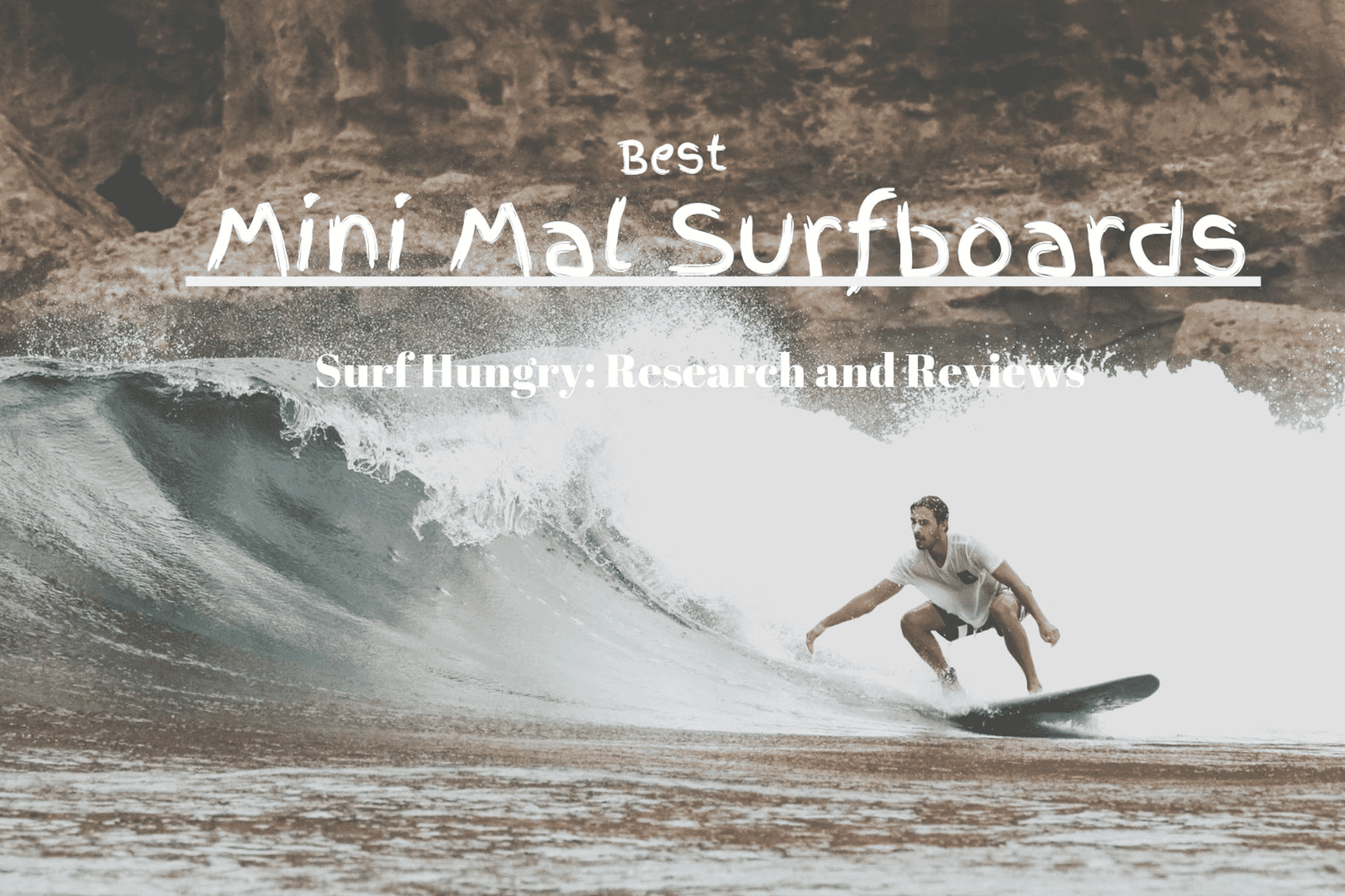
Surfing feels like a tough hobby to pursue at first, but once you master it, it is more like a drug. You cannot resist yourself from jumping into the waves again. One of the most difficult decisions to take after making up your mind to explore surfing is: which surfboard should I invest as a beginner? A Mini Mal is your answer. However, they are not limited to just beginners, even as an experienced surfer one should own at least one Mini Mal. They are not called funboards just for fun, as an expert surfer mini mals can give you unlimited fun. Mini mals, also referred to as hybrid boards, make an excellent universal surfboard. This versatile surfboard gets its name from Malibu, the initial surfboard. They work for different kinds of surfers in a wide variety of circumstances. Mini mal is a shorter longboard with length varying typically between 7’0 and 8’6. They are suitable when you want to surf on smaller waves and are known as ideal surfboards for beginners. They have qualities from both longboards and shortboards. To be precise, their nose is wide like a longboard. This is combined with a 3-fin set up like a shortboard. This combination gives the beginner surfers a lot of buoyancy and maneuverability to some extent. The 6 Best Mini Mal Surfboards in the Market 8’0 Verve by South Bay Board Co.  Liquid Shredder 7’0 FSE BIC Dura tec Malibu Surfboard Maluku Flying Frog 5 Fin Surfboard Torq Mod Fun 7’6 Surfboard Hold Fast Mini Mal Foam Surfboard 8’0 #1. 8’0 Verve by South Bay Board Co (formerly Gold Coast) This is an 8’ hybrid fun board that is a good option for surfers who have just started. It has a foam top, and when you buy its package, you get fins, a traction pad, and a carrying case. It gives you the buoyancy to catch waves between 1’ and 3’ very conveniently. They make an ideal surfboard to perfect your surfing and popup skills. It also provides you the stability that is needed in surfing. This board has a rounded nose and a squash tail that comes with a rubber guard. It helps in easier and looser turns between the waves. The core of this surfboard is made of an EPS core with a cross-hatched mesh bottom and slick HDPE. The entire surfboard is vacuum molded with fiberglass or epoxy. There are three stringers two double reinforced marine wood and one fiberglass rod. The fin system in this board is the FSCII 3fin thruster. They are the Gold coast screw-in fins and screws convenient to attach. It comes with the Gold coast 8’ leash and a leash plug screw. The dimensions of this board are 23”x 3.7” and 8’ in length. If you want to learn surfing on a medium-sized fun board that is easy to maneuver and paddle then this Gold Coast 8’ Verve is a great option. Surfing level: Beginner Volume: 74 liters Riders:  70 to 180 lbs for beginners and up to 230 lbs for experienced Surfing Conditions: Waves from 1ft to 3ft Construction: EPS foam core with a cross-hatched mesh bottom and slick HDPE Dimensions: 8’ x 23 x 3.7 Fin System: FSCII 3 fin thruster Available Colors: Blue, green, gray This 7’ foam top funboard sticks with the classic shape of a Malibu for riding waves in any condition. It combines the aspects of a long and shortboard in a single board just as a beginner would want it. It gives perfect stability to the surfer in both fast and slow waves. The dimensions of this board are 20”x 2.75” and 7’ in length. The nose of this soft board is between a full round one and a pointed nose. It really helps when trying to maintain balance while catching waves. Its similarity with longer boards makes it harder to maneuver if you are not on the tail. On the other hand, its similarity with the shortboard is its squash tail, which makes it responsive and lets the surfer take looser sharper turns. The tail is edgy, wider, and angular that gives the advantage to lift more, maintain speed and convenient while facing slower waves. Plus, it keeps the surfer in control of bigger and steeper waves. All these advantages make this surfboard an excellent choice for a beginner as well as an expert surfer. This board is made of an EPE deck, PP hard-slick bottom, and EPS core which is laminated together using heat. The surface does not get scratched easily, and the material of the deck decreases the friction while in water and is also anti-slip. The surfboard comes with a Tri-fin thruster and dual wooden stringer. The fins are stiff and firm, just the right amount to work well yet soft enough to not hurt. Surfing level: Beginner/Intermediate/Expert Volume: 46 liters Riders:  140 lbs for beginners and more for experienced Surfing Conditions: Waves from 1ft to 3ft Construction: EPE deck, PP hard slick bottom, EPS core Dimensions: 7’ x 20 x 2.75 Fin System: Tri fin thruster Available Colors: Blue, yellow #3. BIC Dura tec Malibu Surfboard This everlasting hybrid surfboard combines the perfect stability of a longboard with just the required length of a shortboard. It is among the most versatile surfboards from BIC’s Dura tec range. This 7 ft 9-inch board with the dimensions exacting 22 x 2.9 is easily maneuverable and provides a good amount of floatation in head high waves. The board is an excellent choice for beginners and intermediates to have down-the-line fun but is also a good board for experienced surfers who want to transition from longboard to a shortboard.  As a smaller and lightweight surfer, one can confidently carry this stable and durable board around as it gives the feeling of a big board to first-timers. This board is known for its versatility, affordability, and lasting qualities. The board has a very complimentary design on the surface, and its volume gives an added … Read more

Salt Gypsy Surfboards Review | Epic Boards or Rip Off?

salt-gypsy surfboards

It is sad but true that surfing is a male-dominated sport. According to the New York Times’s “Surfing: a History” article, only three to five percent of women were into surfing during the 1990s. After a decade, 10 to 15 percent of the up to 27 million surfers worldwide are women, and most are younger. Although men rule the surfing industry when it comes to numbers, it does not mean that women cannot do what men can. Thankfully, there are brands like Salt Gypsy that support and empower women who love surfing. In this Salt Gypsy surfboards review, you will find some of the company’s best products. You will also learn more about this brand and buy the best board for your use. Top 3 Best Salt Gypsy Surfboards Reviewed If you are here to search for a good-quality Salt Gypsy product, you need to learn the different considerations of buying a surfboard. It will also help to learn more about Salt Gypsy so that you can assure that this is a reliable brand. First of all, find out some of the best Salt Gypsy surfboards that you can buy on the market, so you will know which product to look more into for your next trip to the store. It is also a helpful tip if you feel lazy to read the buying guide and only want to know the surfboard choices. Salt Gypsy Dusty Surfboards  Salt Gypsy Shorebird Surfboards Salt Gypsy Mid Tide Punch Surfboards #1. Salt Gypsy Dusty The Salt Gypsy surfboard is a polyester construction. To create this board, the manufacturer used traditional laminating methods and material to design this board and make it durable. It uses some materials, such as Silmar resin, Hexcel fiberglass, and Bennett foam, for the Salt Gypsy Dusty’s hand lamination. It is the kind of surfboard that you can trust because of the sturdy feel it provides due to its timber stringer-controlled flex pattern. The manufacturer claims that you can use this board in almost all water conditions because of its construction. Additionally, whether you are a beginner, intermediate, or advanced-level surfer, you can use this surfboard. You can use it to surf waves that are zero to four feet high. According to the company, using the Salt Gypsy Dusty will make you feel like you are riding an old Cadillac. You will feel as if you are gliding and floating in the waters. This longboard has 60/40 rails with a nose concave board contour that maximizes the benefits of the longboard. This product is a performance board that requires you to get into the position early to surf at your best. The Dusty has a length of 8’6 to 9’0. It also has a width of 22 inches to 22 ½ inches and a volume of 61 liters and 69 liters. What is even more incredible about this board is that it can support you no matter how much your weight is. #2. Salt Gypsy Shorebird Like Dusty, the Shorebird also uses polyester for its construction. It also used hand lamination using materials such as Bennett foam, Hexcel fiberglass, and Silmar resin. The board contour is vee to single concave, and the rail ranges from medium to full. Beginners should look for other boards this time because it is for intermediate and advanced-level users. That is why it is understandable that it can handle waves two to six feet tall. What makes the Salt Gypsy Shorebird unique among the other boards, is its twin fin. This fin setup allows the board to perform fast with lots of power. This setup is also excellent for women because of reducing the drag that makes turning smooth and effortless when you surf on up to medium-size waves. Aside from the impressive twin-fin setup, the Shorebird has a fast rocker and a vee to single concave that enhances the board’s maneuverability. Its nose looks like the beak on traditional surfboards that adds to the volume of it. This feature makes catching waves easier. The Shorebird is available in three sizes, from 5’5 to 5’11 in length. It has a width of 20 inches up to 20 ½ inches, and the volume is 28 to 34 liters. #3. Salt Gypsy Mid Tide Punch The Salt Gypsy Mid Tide Punch is a must-have if you are looking for a versatile surfboard that is reliable and impressive in almost any kind of waves. As its name implies, the Mid Tide is a mid-length surfboard type, which is in-between the sizes of the shortboard and the longboard. The company advises that this surfboard is for petite girls who love surfing. Like the previously mentioned products, the Mid Tide is polyester-made and consists of high-quality materials that make this product durable and comfortable. Like the Shorebird, the Mid Tide also has a medium to full rail. This surfboard’s contour is rolled-vee to double concave. Whether you are a new surfer or an expert, you can use this surfboard. You can use it for one to five feet waves. The company claims that the Mid Tide is versatile because it is a mid-length surfboard. Like most mid-lengths, it has some of the shortboard qualities and the longboard that make it an adaptable board to almost any kind of wave. This surfboard is available in four sizes, from 6’4 to 7’4 in length, 21 inches to 21 ¾ widths, and 37 to 51 liters of volume. No matter how light or heavy you are, there is the right Mid Tide size for you. About Salt Gypsy Now that you know some of the products you can buy from Salt Gypsy, it is time to learn more about it to find out if it is a reliable brand. Salt Gypsy started not as a shop but as a personal blog in 2012. Since then, this brand has been testing and developing products focusing on women’s surfing needs. According to the company, it celebrates women’s diversity, athleticism, and style. Although it has … Read more

California Board Company Boards Review | Review

california board company boards review

With all the available boards in the market today, it’s not easy to look for a board that will suit your skill level or the water sport where you prefer to use it. On the bright side, California Board Company or CBC has your back. CBC offers a collection of different surfboards that you can use for surfing, bodyboarding, and skimboarding. Surfers admire this brand because every board’s quality always meets the expectation of its customers. Top 8 California Board Company  Boards Reviewed There are several brands in the market, and finding the best one can be challenging. If you’re considering this brand, regardless if you’re surfing, bodyboarding or skimboarding, here’s a California Board Company review to help you decide what to purchase. CBC Cal Bear Series 8′ Soft Top Surfboard CBC Wood Skimmer Skimboard CBC 6’2 Sushi Surfboard CBC Gerry Lopez 8′ Soft Surfboard CBC Foot Grabber 41″ Skimboard CBC Clutch 33″ Slick Bodyboard CBC Slasher 54″ Blackball Surfboard CBC Cal Bear Series 7′ Soft Surfboard #1. CBC Cal Bear Series 8′ Soft Top Surfboard Every aspiring surfer needs a reliable surfboard that can mold them to be a pro. If you’re looking for an exceptional one, you should check out what CBC has to offer. One of the best boards is the Cal Bear Series 8′ Soft Top Surfboard. It measures 96 inches long, 23 inches wide, and 3.75 inches thick. Beginners enjoy riding this surfboard because it’s easy to control during any wave condition. Plus, it can hold up to 240 pounds. It features a premium-quality of EPS foam core, which provides comfort as you ride it. Surfers love it more because it’s waterproof. Also, it comes with three wood stringers. When it comes to quality, you can guarantee that it’s very sturdy. The deck comes with IXPE/XPE skin. Plus, the hard bottom-part comes from an HD polyethylene material, which is damage-resistant. Aside from that, you’ll also love its bottom and top graphics, making it look appealing. Maneuvering the board is convenient because it comes with a traction pad. It provides the grip you need in executing tricks. It’s also speedy, thanks to its tri-fin system. Plus, you can use up to three fins, which comes with this set. #2. CBC Wood Skimmer Skimboard Aside from soft-top surfboards, CBC also offers a collection of skimboards for surfers who want challenges. If you can’t find a reliable one to purchase, you should check the CBC Wood Skimmer Skimboard. This board features an exceptional graphic style, which suits the color of the sea. It also assures durability as the board comes from an excellent quality of wood. Also, the construction features a multi-layered lamination to make it long-lasting despite frequent usage. It’s not disappointing when it comes to performance because of its board-shape and rocker. It keeps “nose digging,” making it favorable to intermediate to professional surfers to control. Plus, the rocker adds agility as you glide on a smooth surface by the shore. Another feature that surfers admire is the resin-coated bottom, which makes it more durable and quicker. You’ll find ease in driving it in any direction, especially when there’s an approaching wave. It’s available in two sizes, which are 39.5 inches and 37.5 inches. Both sizes are suitable for any surfing-level. #3. CBC 6’2 Sushi Surfboard CBC is also famous for offering exceptional fish surfboards to intermediate to pro surfers. It’s ideal for training and competition, especially if you need a performing one. Plus, it features an exceptional design in different shades of blue. This board only weighs 7.5 pounds, yet it can hold up to 175 pounds. Controlling is not a hassle at all because it only measures 74 inches long, 22 inches wide, and 3 inches thick. Plus, its fish-shaped tail makes it speedier than other board-types, making it ideal for executing tricks. Surfers also admire this surfboard because of its traction pad. It’s responsible for providing exceptional grip, letting you control the board with full convenience. It also comes with a durable PU surf leash to secure it with you as you fall while surfing. Speed is the main advantage of this board since it’s a fish-type. Aside from its shape, this surfboard is quicker once you install its tri-fin system. Users consider this set because it comes with three blue-colored surf fins, making these a perfect match for the board. You can never go wrong with its sturdiness since the deck comes with skin from IXPE/XPE material. The bottom part of the board uses HD polyethylene material. Plus, the core comes from an excellent quality of EPS foam that’s waterproof. #4. CBC Gerry Lopez 8′ Soft Surfboard Performance is crucial when it comes to surfboards. If you’re an aspiring pro, you should invest in a reliable board, and CBC is where you should check. One of the top boards for soft-top surfboards is the Gerry Lopez 8′ Soft Surfboard. Other surfers call it “Costco.” This set comes with a sturdy PU surf leash with a dual swivel and an ankle strap. You don’t have to worry about lost surfboards because it will secure it in your ankle. It measures 96 inches long, 22 inches wide, and 3.25 inches thick, and it has the right size for beginners. However, intermediate and pro can also use it for practice or casual surfing. Also, it can hold up to 200 pounds despite weighing 13.5 pounds. This surfboard is exceptional as it features a shape designed by Gerry Lopez. It even has its logo-graphic and signature on the top deck. Plus, the board-deck uses an IXPE/XPE skin to preserve its style even if you surf most of the time. You can expect optimum stability from this surfboard because it’s longer than typical shortboards. Even when you ride it on big or small waves, you can guarantee its steadiness. Also, it comes with a traction pad to help you control the board. #5. CBC Foot Grabber 41″ Skimboard Skimboarding is becoming popular these days, and if … Read more

Feed Your Stoke. Join the Surf Hungry Crew

Surf tips, gear reviews and travel guides straight to your inbox

"*" indicates required fields

Privacy*
This field is for validation purposes and should be left unchanged.