
Best Australian Surf Brands

Australian Surf Brands

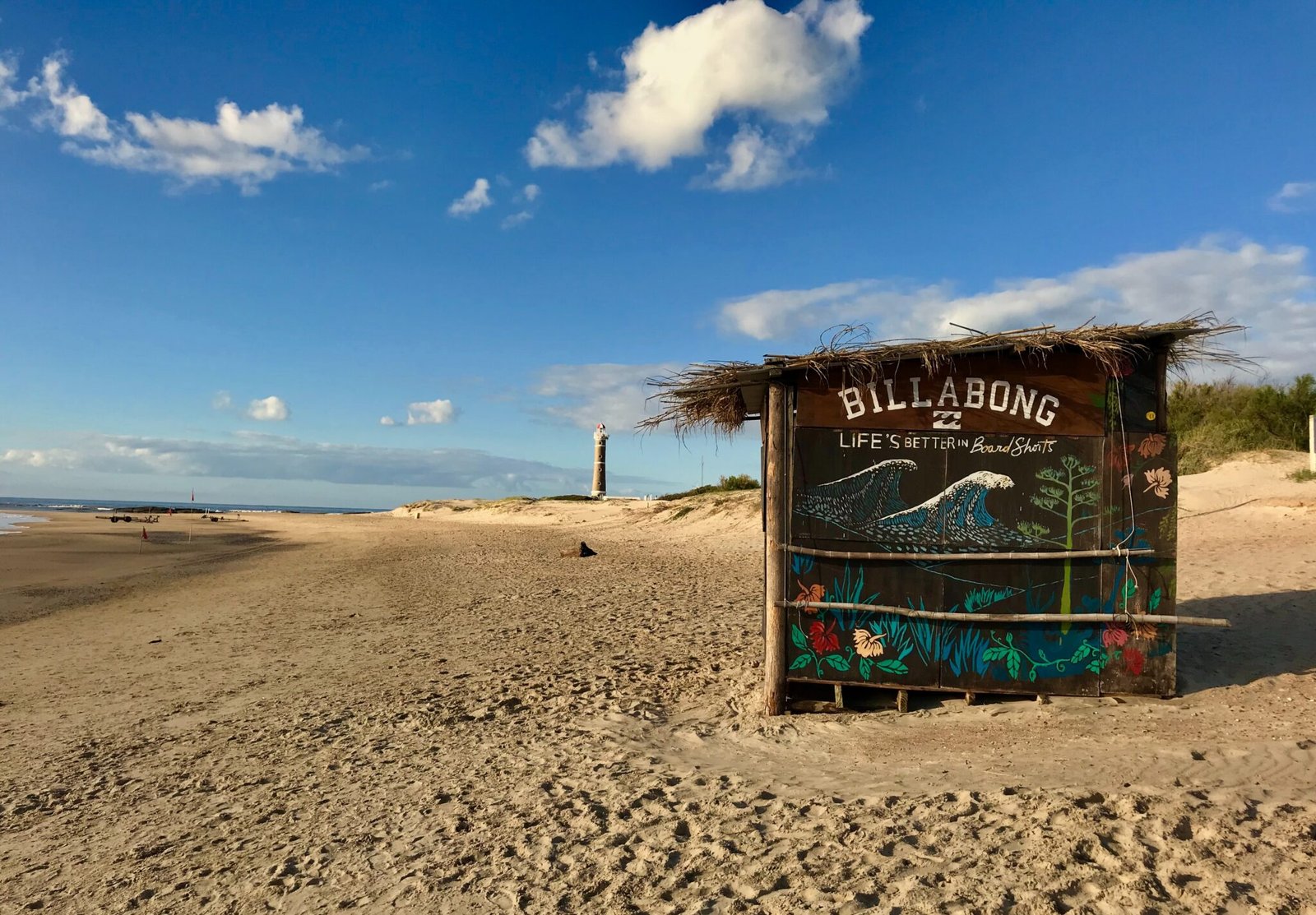
Board shorts. Sandals, Graphic shirts. Bleached hair — These pretty much sum up what a surfer style is like. And with one out of ten Aussies sporting this fashion, the popularity requires surf brands to continuously create products to cater to the high demand.  Australia is one of the largest and greatest surfing countries, that’s why three of the biggest surf brands are established here. For decades, Billabong, Rip Curl, and Quiksilver have been distributing surf products to their customers all over the globe. They are brands that made the most impact when it comes to surfer-style fashion.  In this post, you’ll learn more about them, as well as the other companies that have also made revolutionary surf products. We’ll also let you in on stories of how they achieved success and the causes of their downfall.  What makes Australian-based surf products good? Surfing is a big part of Australian culture. It’s known as the ultimate surfing destination because of the massive swells coming from Antarctica to its coastline.  Approximately, there are 2.5 to 3.5 million active surfers in Australia today. 420,000 of them are professionals and participants in events and competitions. Looking at these numbers, it’s no surprise that there are a lot of Australian-based surf stores. With that much target market, there’s a lot of room for product development and distribution. However, the real reason why the biggest surf brands started in Australia is that this is where surfer-style fashion was practically born. They were the pioneers of the trend, so they already know the needs and wants of their demographic target — the youth.  For the quintessential surfer, fashion is important. But at first glance, you wouldn’t know that because of how their clothes and accessories are often put together. Surfer style started in the ‘90s when surfing became mainstream. This fashion trend focuses more on the basics, the more casual and comfortable, the better. The goal is to look effortless and cool at the same time.  Usually, this consists of tees or hoodies paired with board shorts, sockless Vans (barefoot optional), and a pair of colored sunglasses. To put it bluntly, a basic surf-style outfit is like pieces of clothing that you just randomly pulled out of your closet and then decided to wear one day. In Australia, surfer fashion is a commodity. The brands saw the need, so they expanded their products to create water sports equipment and accessories for surfing, skateboarding, etc. Today, the top three brands also manufacture surfboards, snowboards, wetsuits, leashes, footwear, and many more. The Best Australian Surf Brands The following are brands that surfers worldwide have relied on for many years. Their products have always made people look and perform their best. Here are the Aussie surf-style favorites! (This list is in no particular order.) Quiksilver Billabong Rip Curl Roxy Mambo Graphics Seafolly Ocean and Earth Quiksilver Did you know that a former Rip Curl employee co-started this brand, and he made the first Quiksilver boardshorts in the Rip Curl factory itself? The guy we’re talking about was Alan Green. Along with him are surfers Doug Warbrick and Brian Singer, and they started one of the top brands in the world for surfing and skateboarding outwear — Quiksilver.  This surf brand was established in 1969 in Torquay, Australia, but is now based in Huntington Beach, California. They were initially known for selling wetsuits and boardshorts, but later on, expanded to selling other surf-related accessories like footwear and eyewear.  Quiksilver has a long list of sponsored athletes, but their most notable rider and the one that marked history was their partnership with 11-time World Champion, Kelly Slater. For over two decades, Slater rode with Quiksilver and helped promote the brand. However, they had to part ways when Slater decided to establish his own company, Outerknown. It’s an eco-friendly and sustainable brand that’s in line with his ethical values.  Quiksilver was known as the epitome of beachwear for the longest time — however, in 2015, things started to go down south. The brand’s downfall started in 2005 when they bought the French brand Skis Rossignol for $560 million, but later sold it after three years for only $50 million.  In 2015, Quiksilver filed for bankruptcy in the United States because of too much debt. A year after that, they started to get back on track once again when the company was bought by Oaktree Capital Management. Quiksilver was also able to buy out Billabong, and today they share the same distributor, Boardriders, Inc.  Billabong “Life’s Better in Boardshorts” is the tagline of the surf brand that dominated the Australian market in the 1990s — Billabong.  This company was established in 1973 by ex-Maroubra surfer, Gordon Merchant, and his wife, Rena. Together, they created the most sought-after boardshorts using a special triple-stitching technique.  Because of their boardshorts’ durability, their local sales in Gold Coast, Queensland went up. This ultimately marked their brand, and by the 1980s, they were able to export their products to other countries.  Billabong is one of the best brands in Australia, hence why it was dubbed the “New Nike”. Aside from boardshorts, Gordon also developed a revolutionary surfboard with a tucked-under edge and the first-ever leg rope. They also expanded their brand by distributing skateboarding and snowboarding products.  The success of Billabong went on for many years. They bought out the brands Tigerlily, Kustom, Von Zipper, Xcel, Element, and Plan B Skateboards. They also sponsored the best surfers, like Wayne Bartholomew, Joe Engel, and Taj Burrow. Billabong also hosted the biggest surf competitions, such as the Billabong Pro contest held in Jeffreys Bay, Tahiti, and Teahupo’o.  However, this surf brand’s journey wasn’t always smooth sailing. In 2012, they declared a $300 million net loss when 150 of their stores closed. The following year was worse when they had a net loss of $860 million.  Things started to look up again for Billabong when they started earning their net income of $25.7 million in 2015. Rip Curl Known as ‘The Ultimate … Read more

Can You Surf a Tsunami? | Risks and Dangers of These Waves

Can you surf a tsunami

In October 2009, Chris Nel and his friends were able to ride a series of tsunami waves in Samoa. For about 45 minutes, they clutched onto their board so they don’t get smacked underwater by the turbulent waves. Luckily, all of them survived.  Now, you might have wondered if it’s also possible for you to surf a tsunami wave — however, the answer to this is a little more complicated than you think!  Yes, there are surfers who have successfully surfed a tsunami wave. But no, you shouldn’t surf against a tsunami because it’s dangerous and deadly.  Try to imagine getting rag-dolled by waves back and forth from the coast to the sea. And while you’re at it, you’re also smashing through houses, garbage, and other floating debris. Not the most ideal situation you want to be in, eh? In this post, we’ll tell you all the things you should know about tsunamis, including the many reasons why you shouldn’t surf them. Let’s start! What is a tsunami? A common misconception about a tsunami is that it only consists of a single massive wave that crashes into the shore destroying everything on its way — but this is wrong.  On the contrary, a tsunami is a series of waves that can reach a height of 100 ft or more. It comes in successive sets, with the second or third waves much stronger than the first one. Once they start, the waves will keep on coming for at least an hour.  The common causes of tsunami waves are earthquakes, volcanic eruptions, landslides, certain weather conditions, and comets or asteroids impacting Earth. The sudden displacement in the water causes ripples in the water that then generates into powerful series of waves. This natural disaster often occurs in places where there are active earthquake zones and volcanic belts such as the Pacific Ocean’s ‘Ring of Fire’. Tsunamis are also prone to several places in the United States, like Alaska, Hawaii, California, and Oregon.  Risks and Dangers The energy of the strongest swell can’t even compare to a tsunami’s force, hence why its impact zones are usually left with a huge number of fatalities and damaged properties. The highest tsunami ever recorded occurred in Lituya Bay, Alaska in 1958, wherein a landslide created a megatsunami that reached a wave height of 1,700 ft. Surprisingly, only two people died when this wave crashed against the bay’s shoreline.  In 2004, however, an earthquake with an energy force equivalent to 23,000 atomic bombs caused a series of tsunami waves in 11 countries. This left a total of 283,000 people dead.  Can you survive a tsunami? Yes, depending on the circumstance. The best way to live through a tsunami is by going to high ground or far inland where the water can’t reach you. If you are ever caught in one, you shouldn’t try to dive underneath or swim against it. Instead, grab a large piece of floating debris you can hold on to or climb on top of houses’ roofs. Can You Surf a Tsunami? Daredevils and the most hardcore surfers ride Hawaii’s monster waves, but when it comes to tsunamis, is it also possible to surf one and survive it? Before thinking about it, first, you should know these massive waves are unlike those in Waimea or Pipeline. In Hawaii, a tsunami occurs once every year, while a severe one happens approximately every 7 years. The worst tsunami that hit this surfing destination happened on April 1, 1946, when a 30-foot wave traveling at 500 mph killed 159 people. Since the waves move fast, it’s nearly impossible to catch a tsunami wave, much more surf on it.  Tsunamis are more of a strong tide that’s coming towards the shore, and not an actual surfing wave. They don’t have crests and they are not breaking waves. They also don’t have shoulders and faces, which means they won’t provide grips for your surfboard. Usually, they’re parallel to the beach, with only a part of it that stacks up tall.  These waves are often 100 miles long, and they travel at a maximum speed of 500 mph. They’re like an entire water column that’s continuously moving towards you, however, it provides no exit. As a tsunami approaches land, it’s more comparable to a wall of whitewater. It’s already hard for surfers to control their boards in whitewater. So can you imagine how hard it is to actually ride these waves when they have pressure that can capsize a ship? The first waves of tsunamis are slow and choppy, so there’s a small chance that you do get to paddle out and surf it. But as it comes towards the shore, you’ll need to ride it towards the streets, avoid cars, and find your way through houses and infrastructures.  Tsunamis also carry garbage, stuff from the seafloor like corals, and dead animals (and sometimes, even people), which makes it even harder to surf and paddle on. Sure, you might be able to surf on a tsunami wave, but chances are, you won’t be able to survive it.  Surfing a Tsunami Attempting to surf tsunamis is highly dangerous and can be life-threatening, so you should avoid doing this at all costs. But if you do get caught in a tsunami while you are surfing, then riding it may be your best chance at survival. Aside from Chris Nel, Felipe Pomar and his mate Pitti Block also experienced the same fate of surfing a tsunami. However, their ride was intentional. Despite the risks, both of them agreed to ride a tsunami wave that was coming after an 8-magnitude earthquake hit Peru in 1974.  According to Pomar, the wave they surfed on had a face, which further adds to the proof that tsunami waves can be surfable, considering they have the right angle and shape.  You might be able to successfully ride the first tsunami waves coming towards the shore, but not the ones on the ocean as they’re faster, larger, and more … Read more

Top 10 Best Surfing Video Games | (Pro Surfer, True Surf)

Best surfing video games

With the pandemic putting a halt to some of the activities we love — traveling, social gatherings, and sports events — surfers find ways to experience surfing in other forms. And the closest thing they can get to riding the waves without actually leaving their homes?  Video games!  If you’re looking for cool surf games to kill time with, you’re in luck! In this post, we’ll take a trip back to memory lane and look back at the best surfing video games ever released. Some of them are games we used to play as teenagers, while others have more modern simulations that perfectly show how far technology has come since then. Let’s start!  Why are there only a few surfing video games? Surfing is one of the most exhilarating and extreme water sports, but when it comes to gaming, this genre doesn’t sell out much. In the history of surfing video games, not more than 20 titles were released, with only one or two games being developed every few years.  Sure, this sport is well-liked by a lot of people. But the truth is, it’s more fun to surf in the actual water than having to do it virtually — a reason behind surfing games’ lack of appeal. The limited niche also leads to underselling video games, hence why developers choose to move on with other genres instead.  Another reason is the complexity of the game’s development. The animation and simulation of movements, especially the water dynamics, are extremely challenging to digitize. For this reason, developers tend to avoid creating these games.  Top 10 Best Surfing Video Games Although the choices are limited, we’ve compiled the most popular surfing games for surfers (and non-surfers) of all ages. Here they are in no particular order.  Kelly Slater’s Pro Surfer Transworld Surf Sunny Garcia Surfing Championship Surfer California Games Town & Country Surf Designs: Wood and Water Rage Surf Riders Surf World Series True Surf Surf’s Up #1: Kelly Slater’s Pro Surfer The early 2000s can be considered as the peak of surfing video games, and possibly the most popular, if not best during that era, was Kelly Slater’s Pro Surfer. Although it’s not as promoted as other games, Pro Surfer was endorsed by well-known riders like Bruce Irons, Tom Carroll, Lisa Andersen, Nathan Fletcher, and Kalani Robb. Back then, this game was the reason why groms would meet up in their friends’ houses after surfing sessions. Even teenagers who don’t know how to surf enjoyed Pro Surfer because it was a laidback game that could be played for hours on end.  Pro Surfer is a game developed by Neversoft — the same company that also produced Tony Hawk’s Pro Skater (a skateboarding game that also featured Kelly Slater as a shirtless and barefoot surfer). It was first released for Playstation 2 and was made available for Windows PC by 2003.  This game has an overall vibe that perfectly depicts the surfing lifestyle. The sound of the waves, the soft rock music playing in the background, Slater’s short video clips of his travels — it’s all about telling a story, and not just about gaining high scores.  But that doesn’t mean the game won’t keep you at the edge of your seat. Its controls will allow you to combine different tricks in the water. Like the coffin trick wherein the character lays down on the surfboard and watches the barrel tumbling down on him. It also comes with different playing modes, such as career, special events, and surf trips.  The game’s tutorial is located in an indoor pool (which, by the way, is a long way behind Slater’s Surf Ranch today). But the surf trip mode will take you to different hotspots like Tahiti, Spain, Teahupoo, South Africa, Hawaii, and Trestles.  #2: Transworld Surf  Pro Surfer may be endorsed by some of the greatest riders of all time, but Transworld Surf practically put this game genre on the map. Released in 2002, Transworld Surf was developed by the company Namco Bandai for Xbox, Playstation 2, and Gamecube.  This game aimed to connect with kids from different coasts. To influence them how to surf, it featured tutorials and graphics with the most realistic waves the programmers were able to develop during that time.  Transworld Surf also featured real locations, like the famous Huntington Beach in California, Jeffreys Bay in South Africa, Fort Point, and Pipeline in North Shore. The game also includes real-life licensed surfers, such as Christian Fletcher, Tim Curran, Taylor Knox, Andy Irons, and Jason Collins.  Its various levels include multiplayer modes like ‘Shark Attack’, and ‘King of the Wave’, and bonus missions that feature “The Reef Girls. The cherry on top was the best surfing music that consist of 50 tracks to get you vibing.  Transworld Surf also features the ‘Karma Meter’, which sorts out your character’s actions. Bad surfing etiquettes like dropping in on other surfers, spraying people with your wake, or destroying marine life will get your player caught up in similarly bad situations such as being chased by a shark.  On the other hand, good actions will get you to surf in any of the ten surfing locations of the game. Your best moves will also be put on the cover of Transworld Surf magazine.  #3: Sunny Garcia Surfing Sunny Garcia Surfing features the career of Hawaiian surfer, Vincent Sennen “Sunny” Garcia. It was developed in 2001 by Krome Studios and was released for Playstation 2, Xbox, and Gamecube.  This game is one of the fan favorites because of the player’s movements and the setting’s nearly accurate dynamics. The wave motions when pumping are different when the character’s stalling, for instance, and it makes a huge difference to the overall gameplay itself.  Unlike other games on this list, Sunny Garcia Surfing doesn’t include a real surfing location. Instead, the developers created a made-up island located in the east of Fiji. The gameplay allows you to choose your surfing spot. Like if you want to surf in 2-foot … Read more

How Much of the Ocean Have We Discovered?

How Much of the Ocean Have We Discovered

Researchers publish millions of scientific discoveries every year. But did you know that even though we’ve been sailing the oceans for centuries, and exploring space for only decades, we know more about the universe than the deep earth? Based on NOAA’s studies, only 5% of our oceans are mapped, and 95% of them remain uncharted until this day. The reasons why the ocean remains a mystery are its depth and pressure that makes it nearly impossible to explore. But over the years, however, oceanographers have developed modern technologies that have made amazing discoveries beneath the ocean’s surface. In this article, we’ll tell you all about it.  The Ocean Exploration Technology Modern oceanographic research relies heavily on cutting-edge technology. Remotely operated vehicles (ROVs) and autonomous underwater vehicles (AUVs) equipped with state-of-the-art sensors allow researchers to explore the ocean floor with unparalleled precision. These tools have facilitated significant discoveries and advancements in our understanding of the marine environment. The Ocean’s Most Amazing Discoveries  What experts like most about exploring the deep oceans are the stories they tell others about what they’ve discovered. To help them expose their discoveries are advanced technologies that enable them to dive into the deep. Among those are sonar mappings, scientific buoys, ocean satellites, deep-sea submarines, and undersea exploration vehicles (human-occupied, remote-controlled, and hybrid).  So how much of the ocean have we really discovered over the years? Here are the most significant events and discoveries about life in the deep.  The Ocean’s Deepest Point The ocean contains trenches, forms that are similar to mountain ranges and canyons beneath the water. They are long depressions in the seafloor as the result of tectonic activities, such as when tectonic plates slide under another plate. Two of the deepest trenches in the world are the Mariana Trench located in the western part of the Pacific Ocean, and the Philippine Trench in the west of the North Pacific Ocean. Meanwhile, the shallowest trench can be found in the Atlantic Ocean because of its seafloor that consists of continental shelves.  The deepest part of the Mariana Trench is known as the Challenger Deep, a crescent-shaped trench that consists of active volcanoes and openings that vent out liquid sulfur and carbon dioxide. According to records from submersibles and bathymetry, this point has a measured depth of 35,768 to 35,856 meters or 6.7 to 6.79 miles.  To give you a ballpark of how deep Challenger Deep is, let’s compare it with Mount Everest, the tallest mountain in the world.  In theory, if Mount Everest is put in the deepest part of the ocean, it wouldn’t even see the light of day. Towering at 8.84 km or 5.49 miles high, this Himalayan mountain will be submerged in the 11 km or 7-mile long Challenger Deep. With this kind of depth, do you think it’s possible for humans to reach its bottom? Actually, yes. The first person to ever go on solo deep diving in Challenger Deep was the renowned film director James Cameron, who also happens to be an avid deep-ocean explorer. According to him, what surprised him the most about this exploration was when he found plastics and candy wrappers at the bottom of the Challenger Deep.  In 2019, Cameron’s record was topped by Victor Vescovo, Guinness World Record holder and the first person to successfully dive into the deepest parts of all five oceans. This amazing feat was brought by the expedition known as Five Deeps.  Thriving Ecosystems  Deep in the waters where the sun’s rays can’t penetrate, researchers first believed that life in the ocean’s deepest part is impossible. But as it turned out, they couldn’t be more wrong.  Life thrives when there’s food available, and this is true when it comes to underwater ecosystems. Although food is scarce, marine organisms are able to live off minimal food by having slow metabolisms and consuming minerals from the seafloor. They also rely on what experts call the ‘marine snow’, or the shower of organic matter, remains of decaying animals, and feces that fall from the shallow waters.  The deepest parts of the ocean also have hydrothermal vents that emit water that’s hot enough to melt metal. Surprisingly, researchers found a teeming ecosystem surrounding these vents consisting of flea-like creatures, snailfish, amphipods, and tubeworms. A lot of organisms can adapt to deep-sea environments, even with their most extreme conditions. Most fishes in deep zones can withstand depth pressure that comes with massive force because they don’t have air sacs. Instead, they have piezolytes to protect their molecules from getting crushed by high pressure. Ninety percent of deep-dwelling organisms are also bioluminescent in able to adapt to their pitch-black habitat. Some of them become luminescent because they consume bacteria with light-emitting cells called photophores.  Unusual Creatures of the Deep The deeper the ocean is, the weirder the creatures become. The following are some of the marine organisms caught on footage by oceanographers. They are animals that don’t require sunlight and some of them are also known to exist for millions of years.  Bristlemouth fish This species is the most abundant vertebrate on the whole planet. In numbers, these fishes can take trillions — maybe even quadrillions! Bristlemouth fishes are often found in the Melosopelagic zones of oceans in tropical regions.  Like some worms and butterflies, this species is characterized by a male-first hermaphrodite attribute known as protandrous, a phenomenon wherein some bristlemouth fish start as male, then switch to female as they grow.  Kitefin sharks Next, we have the largest bioluminescent vertebrate that’s known today and also the slowest moving shark — the kitefin shark. This fish is characterized by its lobed fins, thick lips, blunt snout, and large eyes that allow it to see in deep seas. They’re often caught by fishermen because of their sizable oil-rich liver, skin, and flesh.  Chimaera (Ghost sharks) Known for their ghost-like features and unusual body parts, chimaeras are cartilaginous fishes that are known to exist before dinosaurs. They have the slowest evolving genome, hence why they appear … Read more

Deep Sea Ghost Shark: A Peculiar Creature of the Deep

Deep Sea Ghost Shark

The most bizarre life forms are found in the deepest part of the ocean. According to NOAA, humans have only explored 20% of the sea — the other percentage remains unmapped and uncharted until this day.  Among the elusive and mysterious creatures that lurk deep beneath its waters are ghost sharks, or also known as chimaeras — species that are believed to be one of the oldest fishes in the ocean.  There are only a few human encounters with deep-sea ghost sharks. In 2009, their very first footage was caught by a group of researchers miles beneath the coasts of California. There we see how ghost sharks look and how they behave in their natural habitat. If you want to learn more about them, this post contains curious and amazing facts about this peculiar creature. What are deep-sea ghost sharks? Chimaeras or ghost sharks (scientific name: Callorhincus milii) are fishes from species that are relative to sharks and rays. They’re known in many different names such as “King of Herring”, “rat fish”, and “elephant fish”.  All over the globe, there are over 50 known species of ghost sharks that vary from their elongated noses and tails. They are also divided into three groups — plow-nose, short-nose, and long-nose.  Surprisingly, the species of chimaeras already exist even before there were dinosaurs. They’re known to have emerged after the Devonian extinction, which is approximately 420 million years ago. The earliest evidence of this species is the skull found in South Africa in the 1980s that researchers claim to be 280 million years old.  Habitat Deep-sea ghost sharks live 8,500 feet or 2,600 meters under the water and are thought to only exist in the Southern Hemisphere. Since they’re deep-dwelling in the ocean, they’re rarely seen alive. Their first sighting was from footage caught by an ROV where a pointy nose blue chimaera was filmed. Other variations of this species can be spotted going to inshore bays during their mating season;  however, Chimaeras are confined to the deep sea since they live in rocky habitats such as the ocean floor. They also prefer cold water; thus why they’re seen in places like New Celadonia, Australia, and New Zealand (not including the Antarctic).  Similar to other living organisms in the deepest part of the oceans, chimaeras also have what experts refer to as ‘Deep-Sea Gigantism’. It’s an occurrence wherein deep-sea dwelling animals are larger than their shallow-water relatives because of certain environmental factors such as:  Food scarcity Low predation Increased oxygen concentration  Extremely low water temperature That said, ghost sharks or chimaeras can grow up to 4.1 feet (125 cm) to 4.9 feet (150 cm), with a maximum size that can reach 6 feet. They also have a life span of 15 years.  Characteristics  Chimaeras have a morphology that’s is unlike any other animals in this world. Similar to the Greek legendary monster of the same name, ghost sharks appear as if their parts come from different kinds of animals. For one, they have teeth that resemble that of rodents. These consist of three pairs that continuously grow instead of falling off like sharks’ teeth do. Chimaeras are opportunistic feeders, and their teeth are made of mineralized tooth plates that they use to crush and munch on molluscs and worms.  Depending on the variety of their species, some Chimaeras also have snouts similar to elephants, as well as nostrils that are very much alike to what mammals have. Unlike sharks that use their tails to propel themselves in the water, ghost sharks make use of their large dorsal fins to glide in the water — similar to how birds flap their wings. Their name also fits their odd and creepy appearance. Ghost sharks are known to have the slowest evolving genome in any of the vertebrates, a reason why they don’t look like any of the modern-day species. When inspected closely, it’s noticeable that chimaeras have strong resemblances with the animals from the Devonian period.  Chimaeras are fishes that don’t have scales. Their colours vary from greyish-blue to brown. And instead of having multiple gills, they only have one external gill on each part of their body that also acts as their means of locomotion.  Chimaeras’ skeletons are also a cross between cartilaginous and bony (like sharks), so they’re nearly impossible to fossilize. For this reason, there are only little known facts about this species until today. The only documented pieces of evidence about them are several video footage, dead carcasses washed ashore or caught by nets, and the fossilized skull found in the Karoo region, South Africa.  How they adapt  The eerie features of ghost sharks allow them to adapt to living in deep waters where the sun’s rays can’t penetrate. Their large eyes consist of reflective tissues called tapetum lucidum that glow underwater. These tissues also enable them to absorb as much light as they can.  Ghost sharks have upper jaws that are connected to their skulls. Similar to sharks, they also have protruding snouts that are sensitive to electromagnetic fields and movements that help them when they’re hunting for prey. As their defence mechanism, chimaeras have venomous spines located on their first dorsal fins to protect themselves from other predators’ attacks.  Chimaeras also have ghost-like movements that are quite hypnotic to look at. Typically, most animals who live in the deepest parts of the sea move slow because of the high pressure and cold extremity. However, in their case, they are able to move faster than others because of their large fins that allow them to cover more distance while using less energy.  The lateral line canals of the chimaeras are another one of its many curious features. The dots, as well as the stitch-like looking lines that run on their entire body (more so in their head), are part of their sensory organs. Like their snouts, these are able to detect vibrations and movements in the water.  Reproduction Chimaeras are considered solitary animals based on how they’re always alone … Read more

How to Become a Surf Instructor | Turn Your Passion Into a Career

How to Become a Surf Instructor

Becoming a surf instructor is a great choice if you want to turn your surfing passion into a professional career. This job will allow you to earn, while at the same time giving you the chance to travel to the best surfing locations in the world.  Teaching surfing means living in surf towns where you’ll get to meet and interact with different kinds of people who share the same stoke. It’s about being an inspiration to groms and beginner riders and loving to see how they develop and improve their skills. Are you up for this job? In this post, you’ll learn the basic requirements and qualifications of becoming a surf instructor. We’ll also share with you some tips when applying and the basic skills surf schools look for in their applicants.  What is a surf instructor? The primary role of a surf instructor is to introduce surfing to people who want to learn this water sport. Surf instructors must also be able to create a fun and engaging environment for their students.  Good surf instructors or coaches allow their students to expand their limits safely by monitoring them constantly and assisting in their surfing lessons. They should possess the basic skills needed for first-aids such as CPR in case of any unfortunate events like drowning. Surf Instructor’s Salary According to Glassdoor, the annual salary of a surf instructor in the United States is USD 58,036. However, this varies depending on the experience, the location, and the employer. In other parts of the world, specifically the ones in Southeast Asia, surf instructors are paid around USD 150 a month, including free food and accommodations.  If you’re looking for a higher wage, then you’ll need to apply somewhere in Australia, Europe, or America. But if you’re in it for fun and adventure, then go for the vibing exotic and tropical surf towns.  How to Become a Surf Instructor  Becoming a surf instructor is a dream job for a lot of people; however, not everyone can be one. It’s a lifestyle career choice wherein employments are seasonal, and you’ll have to travel to places that are often unfamiliar. Dedication to teaching is important, but surf instructors should also be able to endure this job’s physical demands. Like being under the sun’s heat or wearing a wetsuit that’s soaked in wettie warmer all day when the lesson’s pumping.  If you’re physically and mentally ready to take on this career, then take a look at the following requirements and qualifications of being a surf instructor.  Skill level assessment The question most people ask about surf instructor applications is — how well do you have to be at surfing before you can actually become an instructor? First, you should know that there are different levels of being a surf instructor.  Level 1 surf instructors don’t have to shred like Kelly Slater or rip the waves like Mick Fanning. Knowing the basics and being able how to properly surf in unbroken waves is enough to get you through the initial assessments of some surf schools.  Meanwhile, Level 2 instructors are the elite and club-level coaches that require intermediate surfing skills. They must be knowledgeable about video analysis, fitness improvement, and the long-term development of their clients.  If you’re aiming for a beginner surf instructor, most surf camps and schools will first evaluate your surfing skills such as:  How you take off when you’re at the peak of the wave and how you ride it for at least 1 to 1.5 meters; How you surf green waves, including how you trim both left and right; How you control your board when paddling out in high waves; How you paddle out back by duck diving or turtle rolling; How you perform basic top and bottom turns; How you maintain your position in the lineup; They may also test your level of understanding when it comes to surfing etiquette, such as not dropping in on someone and not bailing out on your board. Depending on the employer and position you’re applying for, these assessments shouldn’t take longer than an hour. After that, your qualifications will be reviewed.  Qualifications  A surf instructor is a professional, similar to how engineers and lawyers. Before you become one, you will need to acquire one or two certifications from any of the following programs:  ISA (International Surfing Association) ASI (Academy of Surfing Instructors) Surf Rescue Certificate Zero to Hero course International Surfing Association Over its 25 years of service, the ISA has certified over 10,500 surf instructors and coaches worldwide. Their ISA Coaching and Instructing Program Level 1 is the most popular course for aspiring surf instructors because this certification is internationally recognized — hence why it’s best taken if you plan to coach surfing in other countries.  This course includes learning basic classroom theories, first aid, CPR training, and drills, as well as physical and written assessments. You will also have to undergo 20 hours of supervised coaching or internship. This can be accomplished either by teaching at surf schools or camps or volunteering in surf clinics. Depending on certain conditions, this course lasts 7 up to 14 days.  Academy of Surfing Instructors Another internationally recognized certification you could acquire is the Level 1 Surfing Instructor course of the ASI. Similar to ISA, this one’s also available in various places all over the globe. If you want to check out the list of locations where you can enroll in this course, you can go to their website.  The ASI basic course includes theory and beach practicals like learning instruction and coaching methods, evaluating surf lessons, communication skills for the surf environment, as well as creating lesson plans. You will also be required to complete 25 hours of work or internship in a surf school recognized by the ASI.   Surf Rescue Certificate Being a lifeguard isn’t a requirement to becoming a surf instructor. The only important thing is you know the basic rescue operations and procedures.  That said, having the Surf Rescue Certificate, Surf … Read more

Top 6 Best Springsuits for Men and Women

Best Springsuits

As the snow melts, surfers shed their full, hooded wetsuits and transition into more comfortable and versatile surf clothing — springsuits. Springsuits are wetsuits that don’t give full coverage. They’re great for mobility as they give your knees and elbow freedom to move, while at the same time they keep your body core warm. These wetsuits are best worn at water temperatures ranging from 68 °F (20°C) or higher. And since springsuits come with tons of variety and styles, it may be hard to choose which one is best for you. In this article, we’ve listed down the top 6 best springsuits that you can find online today. We’ve also included a buyer’s guide so you know the things you should look for before buying.  What makes a good springsuit? Springsuits, from the word itself, are best worn during the spring or warmer weather when the water temperature’s not too cold and not too hot. They’re made of neoprene material that’s at least 2mm in thickness so that they can provide the right amount of insulation.  Springies can also be short-sleeved or short-legged. Hence why they’re also referred to as shorty wetsuits. Compared to full suits, springsuits are much easier to put on. They’re also more comfortable to wear because they don’t constrict the legs or the arms when paddling.  A good springsuit allows flexibility in movements. It should almost act as your second skin wherein paddling and stretching. Springsuits that are also made from high-quality neoprene material shouldn’t cause any rashing on your neck and inner thigh areas.  Not just for surfing, good springsuits can also be used for other water sports such as paddling, kayaking, diving, and swimming. Since they’re more suitable for everyday sessions, their fabrics should be lightweight and durable at the same time.  Top 6 Best Springsuits  For Men:  Seaskin Men’s 3mm Shorty Wetsuit Rip Curl Dawn Patrol 2mm Back Zip Springsuit O’Neill Men’s Reactor-2 2mm Back Zip Springsuit For Women:  Axesea Women’s One Piece Shorty Wetsuit Patagonia’s R1 Spring Juanita Sirensong Dahlia Longsleeve Springsuit #1: Seaskin Mens 3mm Shorty Wetsuit Specifications:  Price: $46.99 – $74.99 Sizes: XS to 4XL Material: 100% Neoprene, Nylon lining For our top pick for the men’s category, we’ve chosen this 3mm shorty springsuit from Seaskin that costs around $50. Since 2014, this brand has been manufacturing affordable and high-quality wetsuits for water sports enthusiasts all over the globe.  The Seaskin springsuit is made for men who are more sensitive to cold water temperatures. It’s made with three layers of fabric, starting with the imported nylon for its outside lining, neoprene for the middle, and soft, heat-insulator fabric that helps preserve body warmth.  The Seaskin’s springsuit’s 3mm fabric is also integrated with UV protection to protect your skin against the sun’s harmful rays. Since the neoprene is thick and durable enough, it can also protect you against sea irritants, sea lice, jellyfish, and reef rash. Meanwhile, the front full zip enclosure makes for easy entries and much easier take-offs. However, front-entry zip enclosures come with downsides, like minimal water getting inside the wetsuit. The good news is, springsuits like this are much more comfortable to wear than those with back zips that constrict the neck area. It has wide arm openings, and its fabric also has a good stretch. Since it’s also buoyant, it allows you to float easier and swim faster in cold pools. For this reason, this springsuit is also suitable for water aerobics.  We also like how versatile this springsuit is. It’s minimal in design, so it will also look good on women. A bit of a warning, though. Seaskin recommends taking the correct body measurements before ordering. According to some reviews, the wetsuit loosens up when submerged in water, so make sure to order one that’ll fit you like a glove.  #2: Rip Curl Dawn Patrol 2mm Back Zip Springsuit Specifications:  Price: $139.95 Sizes: S to 3XL Material: E5 Neoprene The Dawn Patrol Springsuit is from one of the most recognized brands in the surfing industry — Rip Curl. Founded in 1969, this company has been organizing events and making products for thousands of surfers worldwide, a reason why they’re also dubbed as ‘The Ultimate Surfing Company’.  The 2mm fabric material of the Dawn Patrol features the all-new E5 Neoprene. It’s a premium type of neoprene fabric, and it’s proven to be 30% more stretchable, 20% more lightweight, 10% warmer than its predecessor, the E4 Neoprene.  This springsuit is engineered for performance and warmth. Its E4 Thermoflex technology combines neoprene and Thermo lining for strength, while the E5 Flash lining is the warmest, fastest-drying, and most comfortable lining ever. To reinforce it, the lining is glued and blind-stitched into this wetsuit.  Aside from the Thermoflex, this springy also includes high-stretch seams with a mesh skin panel that absorbs heat to keep you warm. The added thickness also reduces wind chill so you can stay longer in colder waters. As a bonus, the mesh panel has an internal key pocket so you don’t lose your keys or wax while surfing. Now, we know that there are surfers who get intimidated with back zips, but the Dawn Patrol springsuit has an easy entry system that makes putting on as easy as pie. It features a batwing that has an internal water flush barrier to keep the water from coming inside the wetsuit, while the E5 Handtape acts as the seal. Along with Dawn Patrol’s back zip is an adjustable smooth skin collar that gives you a customized fit around the neck. Since you can adjust it accordingly, there are fewer risks of rashes. It’s also more comfortable to wear. #3: O’Neill Men’s Reactor-2 2mm Back Zip Springsuit Specifications:  Price: $69.95 – $198.71 Sizes: XS to 3XL Material: Neoprene O’Neill brand is the standard when it comes to surf clothing and surfboards. They were the first ones to design and manufacture wetsuits in the 1950s, and today they continue to improve and develop their flagship products. For this list, … Read more

Most Famous Surf Gangs in the World (Updated)

Most Famous Surf Gangs

According to NOAA, the United States’ shoreline (including coastal states and other territories) is 95,471 miles long. Out of those are hundreds of public beaches. But sadly, only a few of them have sizeable waves that are perfect for surfing.  Because of this, local surfers can be territorial about their surf breaks. Surf gangs are norms in places where great waves are rare. Their members aren’t afraid to use fear and fists to intimidate tourists and surfers visiting their turf.  But surf gangs, apart from their notorious reputations, have an important role in the surfing culture. They maintain order and avoid overpopulation on local surf breaks. In this post, we’ll let you in on the other side of surfing that not a lot of people know of. The worlds of the most famous surf gangs are complicated and dangerous, but we’ll tell you everything you need to know about them.  What are surf gangs? Surfing isn’t all fun and games. It has a dark side, and surf gangs are right at the center of it. As a novice surfer, being caught up in their radar is something you don’t want to experience. A wrong wetsuit or kind of board may put you in a tough spot because these people will not think twice about resorting to verbal and physical threats just to intimidate you.  Surf gangs are the result of localism, or also known as the aggressiveness of locals towards the most crowded surfing spots. It started in Southern California in the 1960s wherein the locals were hostile and belligerent towards the surfers from San Fernando Valley. Over time, the natives formed their own groups consisting of all-local surfers. Their goal: to vandalize, intimidate, stir-up trouble, and incite violence to foreigners. If they don’t like you, they’d ask you to leave the beach even before you get to touch the waters, and if you cause trouble in the lineup, it’s possible that you get into a terrible ‘accident’. Surf gangs have caused gang wars, violence, and even death, but why are the local police not interfering with these crimes? It’s quite known that even the law enforcers fear them because they are known for taking acts of revenge and retributions.  Sure, non-locals view surf gangs as menacing and threatening, but to locals, these people are quite harmless.  The thing is, most gang fights occur because of overcrowded territories and disrespectful surfers. Surf gangs are there to act as reminders for tourists to behave on local beaches. They are there to protect and defend their beach towns and shores.  The Most Famous Surf Gangs in the World Da Hui a.k.a The Black Shorts The Da Hui of the North Shore, or also known as the “Club of Wave Riders” or the “Hui O He’e Nalu” in Hawaiian, sets the bar when it comes to surf gangs. They’re the original and are considered the most dangerous. And as per The Offspring’s song, “I won’t fuck with Da Hui. Because Da Hui will fuck with me.” This surf gang is founded by Eddie Rothman, Clyde Aikau, Bryan Amona, and Kawika Stant Sr. in 1976. Today, Da Hui consists of around 400 members. They’re known for their uniform surf attire that they’ve developed later on into their own clothing brand. Da Hui started as a club to see-through contests, but they turned out to be too aggressive to the non-native contestants. During that time, corporate businesses are slowly taking over the North Shore’s high-quality waves, and in the events being held, Hawaiians were being excluded. In order to protest, the Da Hui members paddled out the beach and refused to leave.  Because of Da Hui’s goal to preserve their beach breaks from outsiders, foreigners have always felt that they’re unwelcome on the North Shore. One incident that this surf gang is famous for is the Busting Down the Door Saga, wherein their members had beaten up an Australian surf team who disrespected their surf customs.  Although this group can be aggressive when they want to get their points across, Da Hui cares for their local community. They organize events, such as the Da Hui Easter egg hunt and the paddle racing that’s held every July 4th. Watch this video below to see how Da Hui has influenced the surfers on the North Shore. Bra Boys The Bra Boys is one of the most violent and notorious surf gangs in the world, with some of their members being charged with murder, assault, rape, and organized crimes among others. Founded in the 1990s, the Bra Boys was formed in the suburbs of Maroubra in Australia. They are known internationally because of the documentary the members themselves have written and directed — ‘Bra Boys: Blood is Thicker Than Water’. This docu-film features their history, from how they grew up in impoverished backgrounds and lived in public housing projects. It also features how their mutual love for surfing and community connections brought them all together.  The Bra Boys’ name came from Maroubra, and ‘bra’, which is slang for ‘brother’. Members of this gang are characterized by their chest tattoos that say, “My Brother’s Keeper”, and the postcode of Maroubra ‘2035’ written at their backs. They’re known for being territorial towards the Sydney reef break ‘Cape Solander’, which they also refer to as ‘Ours’.  The Bra Boys consist of North Maroubra surf riders, professional rugby players, and cage fighters. Among their most famous members are Reni Maitua, John Sutton, Vaculik, Evan Faulke, Mark Matthews, and the renowned Abberton brothers — Sunny, Jai, and Koby.  Koby Abberton is a talented, big-wave surfer who’s won quite an amount of awards in his career. His charm earned him a celebrity status that’s bumped elbows with other famous people like Paris Hilton and Russell Crowe.  However, like the other members, he’s also associated with crimes such as perverting the course of justice wherein he was jailed for it for nine months and assaulting an officer that cost him three days in jail. Meanwhile, his … Read more

8 signs you might be a Thalassophile

what is a thalassophile

In a world where the allure of the ocean captivates the hearts of many, some individuals find themselves deeply drawn to its mesmerizing depths. These individuals, known as thalassophiles, share a profound connection with the sea that goes beyond mere fascination—it’s an intrinsic part of their being. But what exactly does it mean to be a thalassophile? Are you one of them?  Join us as we explore the depths of this unique affinity and uncover the signs that signify a deep bond with the ocean. What does ‘thalassophile’ mean? The word thalassophile is the combination of the ancient Greek words, ‘θάλασσα’ (thalassa), which means sea, and ‘φίλος’ (philos) for dear or beloved. Other poetic terms that are similar to its meaning include oceanophile, aquaphile, or aquanic, but thalassophile is the most popular term for the specific fondness of a person towards the ocean. Have you also felt a special connection with the deep blue waters? You may find certain online theories that state the reason why thalassophiles are interconnected with the ocean, but how true are they?  There are some who romanticize an evolution theory wherein the human blood and seawater have the same components, however, a study proves that it isn’t true.  Seawater has three times more sodium content than human blood. Meanwhile, minerals like zinc, copper, magnesium, and iron content of human blood are also more significant in number compared to seawater.  The Ocean’s Benefits While you may not be connected with the ocean in terms of mineral components, you and the ocean have a more complex relationship than you might think. The ocean affects the climate and the oxygen you breathe. It’s also where you get food and other energy resources.  The ocean affects your physical and mental health. A lot of people find the seawater’s shades of deep blue and turquoise naturally calming and rejuvenating. It’s a place where you can meditate and feel connected with yourself and the things that surround you.  In 1904, René Quinton, a French biologist, published a book, “Eau de Mer, Milieu Organique”, (Seawater: An Organic Milieu), regarding how seawater can be beneficial and a source of treatment to humans.  But even before René published his book, age-old civilizations have already been using seawater as a form of healing tradition. Ancient Romans and Arabians were among the firsts who introduced sacred sea baths for spiritual cleansing to the Europeans between 710 and 1492 A.C.  When its first facility was established in France in 1778, thalassotherapy became well-known. It became a therapy that made use of seawater, muds, and seaweeds to improve blood circulation, tone the muscles, and rejuvenate the skin.  Nowadays, there are various thalasso centers scattered around the globe. The famous ones are located in France (Hotel Thalasso & Spa chain) and Spain (Elba Estepona Gran Hotel & Thalasso Spa). Meanwhile, the Gurney’s Montauk Resort & Seawater Spa in New York is one of the most popular clinics in the United States.  The ocean’s natural, constant calming rhythm can also improve a person’s mental health. By getting in touch with its relaxing properties, thalassophiles are able to meditate by simply looking at the views of its horizon. Their brains and senses are also stimulated by the ocean’s scents and sounds.  The reduced noise also gives you a break from the city’s overstimulation. It allows you to think and become aware of your mindful state. It’s impossible to be unhappy when you’re in the ocean. Being in the waters helps release feel-good hormones such as oxytocin and dopamine. Perhaps it’s the reason why Hawaii is hailed as the happiest state in the United States for 6 years. The Hawaiians are born-thalassophiles who grew up next to the most beautiful beaches in the world.   The water’s healing property is not only for the body but also for the heart. This is a reason why the most memorable moments are held near the sea when people are gathered around watching sunsets — like engagements and honeymoons.  “We are tied to the ocean. And when we go back to the sea whether it is to sail or watch, we are going back from whence we came.” — John F. Kennedy Are You a Thalassophile? Here Are 8 Signs. Being a thalassophile doesn’t just mean you’re in love with the ocean, because it’s natural for a person to be captivated by it. It’s much more than wanting to visit the beach every summer, or taking a dip now and then to clear your mind. Here are some signs of a true thalassophile. #1: You want to settle down by the sea Having a thalassic love affair with the waters means you have the overwhelming desire to be close to it always. It’s setting your heart on the goal of eventually living by the seaside. It’s your retirement plan, or maybe you’re willing to have a change in your career so you can live the life everybody dreams of. The tropics are your home, and one of your life goals is to have a house near the sea. You don’t mind living in a shack or beach cottage, as long as you spend your days witnessing glorious sunsets.  #2: You take interest in the beach culture There’s no way you want to be friends with people who despise the beach. You want to meet like-minded people who share the same love for the ocean. You’re want to know their different life stories, their culture, and how their daily lives are like. Since you spend most of your time at the beach, the locals also see you as one of them. #3: You love the ocean’s simple pleasures  Being a thalassophile is understanding how life by the beach means — the joy and the simplicity of it. It’s living for the smallest things that make you happy, like the smell of the ocean air and the salt in your hair.  You also enjoy walking barefoot and digging your toes in the sand. You can lie on a … Read more

Top 8 Best Cheap Surf Watches

cheap surf watches

The longest recorded non-stop surf session is 30 hours and 11 minutes, made by the South African surfer, Josh Enslin. Although most of us will not surf anywhere close to as long as this, we all know the feeling of losing track of time while in the water. Whether we have time obligations, are waiting for the best tide, or simply like to keep track of how long we’ve been surfing, a good quality surf watch is essential. High-quality sports watches can be expensive, but finding a sturdy reliable surf watch does not need to break the bank. 8 Best Cheap Surf Watches Nixon Base Tide Pro Watch – Our Top Pick Casio G-Shock Gbx100Ns-1D G-Glide Tide Watch – Best Top End Quiksilver Addictive Pro Tide Watch – Best Budget Rip Curl Brasher (Best for Kids) Nixon The Time Teller – Best Formal for Men Rosefield The West Village – Best Formal for Women Nixon Siren Casio G-Shock Dw9052Gbx-1A #1. Nixon Base Tide Pro Watch – Our Top Pick Nixon is a watchmaker that everyone knows. Not only does Nixon make high-quality watches, but they are stylish and stand the test of time. The Base Tide Pro is an ideal surf watch as it falls on the cheaper side but does not sacrifice quality or function. The watch comes pre-programmed with 550 tides charts, as well as sunrise and sunset times for various beaches around the world. The Base Tide Pro is capable of withstanding pressures of 10 ATM/ 100m and includes an alarm, countdown timer, LED backlight, and water-resistant PC pushers. Pros: Includes 550 pre-programmed tides and sunset/ sunrise times. Water resistant up to 100m. Includes a wave counter. Possible to set 3 alarms simultaneously. Makes use of Nixon’s patented double locking looper. Large buttons make programming easier. Cons: Local tides need to be recalibrated every 2 – 3 days. The watch is on the large side. Programmed locations may not suit where you live. #2. Casio G-Shock Gbx100Ns-1D G-Glide Tide Watch – Best Top End Watches have traditionally been on the precious side, and can’t withstand much of an impact. The G-shock series, on the other hand, is durable and can stand a hit from any angle. The G-Glide tide watch takes all the durability of the Casio G-shock series and combines it with state-of-the-art tide watching technology so that you never miss a surf again. This watch is water-resistant up to 200m, can connect to your mobile via Bluetooth, keeps a lifelog, and is programmed to display the moon cycle. If you are looking for a sturdy, reliable watch for surfing that includes all the tides and moon charts you will ever need, then the G-Glide tide watch could be your perfect choice. Pros: Includes tide charts and moon cycles. Includes training function (speed, distance, pace, acceleration, and target alerting such as calories burnt. Connects to mobile via Bluetooth. Highly shock resistant. Phone finder function. Cons: On the expensive side. Doesn’t include a thermometer. Stopwatch does not break down into milliseconds. Can be tricky to set. #3. Quiksilver Addictive Pro Tide Watch – Best Budget Quiksilver, being a leader in the surf industry, is well known for its wetsuits, surfboards, and surf apparel. Although they’ve not made a name for themselves as watch producers, the Addictiv Pro will surprise you with its slick design and functionality. The Addictiv Pro is water-resistant up to 100m, includes tide chart technology, and a soft UV-resistant strap to prevent breakage from the sun. Pros: A Neat slick design. 2 – 3 years battery life. Includes preset surfing spots. Cons: Can be difficult to set without the use of the manual. Some complaints about the watch leaking have been found, but the producers are quick to fix the problem. #4. Rip Curl Brasher (Best for Kids) If you have kids that surf, it is likely they will want a watch they can surf with (especially if you own one). The Brasher by Rip Curl is perfect for young kids who spend a lot of time in the water.  The watch is suited for both girls and boys, is water-resistant up to 100m, and will not break the bank. Pros: Suited for all genders. High-quality watch that is simply downsized. Japanese quartz is used for movement. Cons: No tide or moon charts. No alarm or stopwatch. #5. Nixon The Time Teller – Best Formal for Men Surf watches are great for when we are surfing or taking part in other sports, but they tend to be bulky and somewhat unappealing to the eye. If you are after a watch that you can use throughout your everyday life, but will also suit you when you head to the ocean, then the Time Teller could be a good option. Although this watch does not have a tide chart, moon cycles, or training settings, it is water-resistant up to 100m and will perfectly suit a surf session before or after work. Pros: Water resistant up to 100m. Smart, slick, and formal design. Cons: No tide or moon cycle charts. No training settings (stopwatch, countdown timer, alarm, etc.). #6. Rosefield The West Village – Best Formal for Women Just as the above Nixon is perfect for men who are looking for a more formal-looking surf watch, the West Village from Rosefield is ideal for women. Water-resistant up to 30m, interchangeable straps, and a smart, slick design allow this watch to be both neat and functional. Pros: Water resistant up to 30m. Small, neat, formal design. Interchangeable straps. Available in multiple colors. Cons: No tide or moon charts. Doesn’t support training functions. Durability may be an issue if you surf rougher breaks. #7. Nixon Siren As a surfer, the ocean is our playground, and because of this, we should strive to keep it clean and safe. Nixon is playing their part with the Siren surf watch, made from plastics recovered from the ocean. Not only does this watch make use of recycled plastics, but is water-resistant up … Read more

Feed Your Stoke. Join the Surf Hungry Crew

Surf tips, gear reviews and travel guides straight to your inbox

"*" indicates required fields

Privacy*
This field is for validation purposes and should be left unchanged.