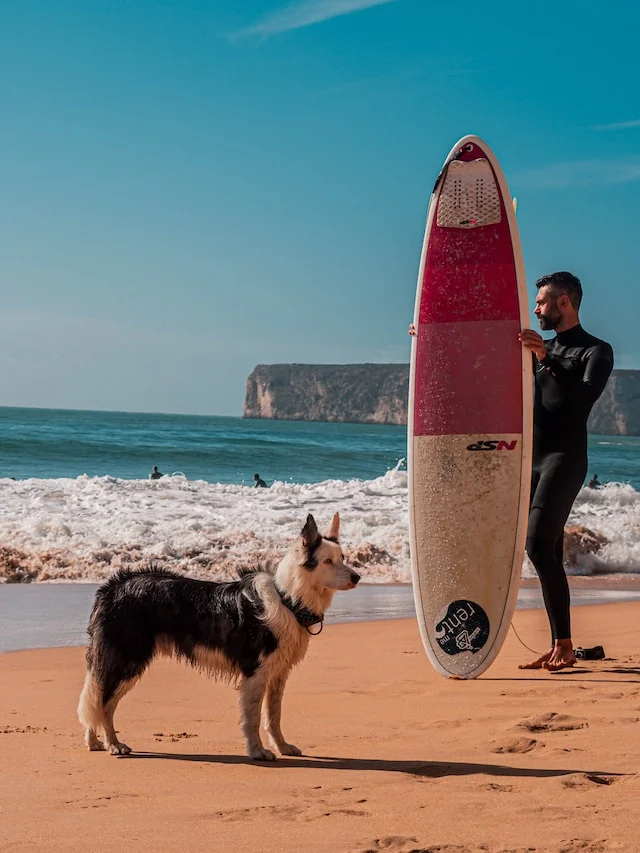
How Do Surfboard Rentals Work? | What To Know

How Do Surfboard Rentals Work?

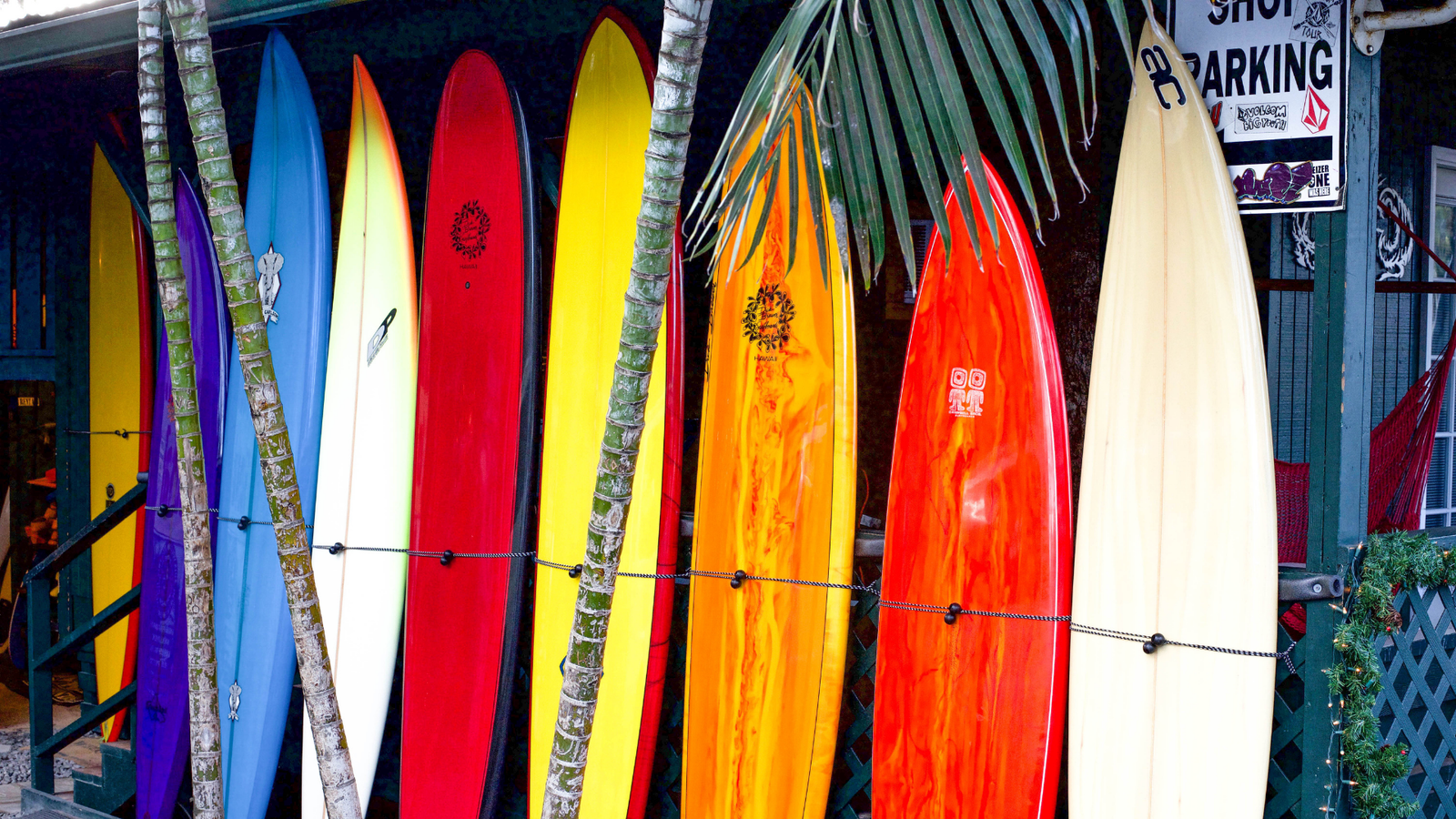
With a growing population of 12% per year, the surfing community is expanding faster than ever. With a combination of this and a slowly dying economy, fewer people are willing to front the average of USD 640 to get into a new sport. This, along with the ever more popular surf tourism industry, has made surfboard rentals more popular than ever. Renting a surfboard is, in theory, as simple as things get. You walk into a surf store, choose the board that is best suited for you and the current conditions, pay the rental and deposit, and you are off to catch some waves for the day. If you are planning to go on a surf trip but want to avoid lugging your surfboard travel bag with all your gear along with you, then renting a surfboard may be the answer you are looking for. Pros and Cons of Renting a Surfboard Before diving into how to rent a surfboard and what to expect, it is worth understanding the pros and cons of doing so.  This will allow you to make the best decision on whether renting a surfboard is right for you. Pros  Cheaper than buying a board. Large choice of different surfboards. All surfboard gear is included. Easy advice if you are new to surfing. No need to carry your surfboards around the globe. No need to clean and store your own surfboard. Cons Breakage fines are often high. Renting a board multiple times can be more expensive than buying. Rental boards are often low quality. You may not be able to find a board that suits you. You will be limited to surfing in spots that have surf and rental shops. Things to Keep In Mind When Renting a Surfboard Before running into the first surfboard rental shop you see and grabbing any old hunk of junk, you should keep in mind the following. Although renting a surfboard is easy, it is also easy to get screwed over by high prices, low-quality surfboards, and unfair deals. Choose the Shops Location Wisely The location of your surf shop will make a big difference to your day’s activities. Choosing a surf store on the beach, right in front of the break you want to surf is always better than needing to drive to a rental store, hire a board, and then drive back to the break. That being said, surfboard rentals close to the beach are often more expensive than those further away as there is often more competition. Look at the Surf First Before you even consider stepping foot into a rental shop you should spend some time watching the waves. This is true whether you are planning to rent a board or if you have brought your own. Without watching the waves, it is impossible to know what surfboard you will need, where you will paddle out, and if the conditions suit you and your abilities. Slow down, take a breath, watch a couple of sets roll in, and then make your decision on what type of surfboard you would like to ride for the day. Compare Prices and Rental Times Once you have a good idea of how the waves are breaking you should take some time to consider which rental shop you will use. There will likely be fierce competition between rental stores at popular surf beaches, which means you will be able to find an array of different deals. It is worth popping into a few and asking about their prices and rental times. Surfboards are usually rented for 1-hour, half-day, and full-day periods, although weekly rentals are sometimes possible. Surfboard rental prices average around the following, although prices always differ depending on the country and even location within a country: 1 – 2 hour rental: $10 – $20 Half day rental: $20 – $30 Full day rental: $30 – $50 Decide how long you will need the surfboard, and choose a price range that suits your budget. It may also be worth finding a deal that allows you to swap out your board at any time. This is especially helpful when you rent a surfboard for a long time as the wave conditions are likely to change. Look For a Full Setup If you walk into a rental store to find that fins, leashes, or wax are rented separately, then kindly give the owner your middle finger and walk out. Surfboards for rent should always be ready for pick up and include all the necessary accessories. Some shop owners will try to take advantage of those who are new to an area or when they look like a tourist. Never accept a rented board that is not ready to walk straight into the water. Deposits and Restrictions As with most things in the world, it is unlikely you will be able to rent a surfboard if you are not 18. This might be an annoyance, but it is simply the way things are. If you are under 18 then ask your parents, guardians, or older friends to rent the board for you. Furthermore, you should be prepared to pay a deposit. These deposits can be as little as simply paying for your rental upfront to leave a larger sum of money to cover any damages that may occur to the board. Although this is common, do not allow a shop to charge an extremely high deposit or to keep any of your essential travel documents such as your passport. Choose Your Surfboard Wisely Once you have assessed the waves and have chosen a rental store with good deals, it is time to choose a surfboard. When you choose a board you should pay attention to how big the board is, what size board you are comfortable using, and the quality of the board. Choosing the incorrect surfboard for the waves will not provide the most amount of fun. Similarly, choosing a damaged or low-quality board could leave you with problems in the … Read more

The Short and Impactful Life of Jay Moriarity

Life of Jay Moriarity

A Californian legend and focus point of the unforgettable surf film “Chasing Mavericks”, Jay Moriarity is a name that every surf lover has heard of and come to respect. During his short life of only 22 years, Jay made a name for himself as the youngest person to surf Mavericks at the time, and a spirit that everyone in the community welcomed with open arms. Jay was not only loved for his confidence and skill in the water but was said to always be happy, stoked, and considerate to everyone around him. The Early Life of Jay Moriarity Born on June 16, 1978, in Augusta, Georgia, James Michael Moriarity became the first son of Doug and Christy. Shortly after his birth, Jay and his parents moved to Santa Cruz, California, but little did they know about how much of an effect it would have on the future of Jay’s life. Living in the home of some of the world’s best surf, Jay quickly picked up the sport and surfed his first wave at the age of nine at the well-known break, Sewer Peak. Jay became a well-established longboarder and a well-versed shortboard rider. Not only was Jay skilled when riding a board, but was known to be a strong paddler and swimmer. Introduction to Big Wave Surfing Jay recalled a conversation between Frosty (Richard Hesson) and Terry Simms.  They were talking about big waves, and Frosty was talking about Mavericks. From that day forward, I just pretty much went berserk about it.”  “I was always trying to figure where it was. Every day that’s all I could talk about, and I hadn’t even surfed the place or seen it.” It was clear that Jay had become obsessed. Rick “Frosty” Hesson, the Mentor to Madness When Jay was only 13 he embarked on a life-changing, physical, and mental journey with his newfound mentor, and future dear friend, Frosty. This unlikely duo of a 13-year-old Moriarity and 45-year-old Frosty would spend the next two years training for Jay’s first ride at Mavericks. Frosty not only taught Jay how to ride large waves, but put him through an extensive training program where Jay would need to study waves, breaks, and currents, write multiple essays on each topic, do nothing more than paddle for hours on end, and practice visualization techniques. Frosty made it his biggest priority to ensure that Jay had all the possible training before facing the challenge that is Mavericks. Chasing Mavericks It was in April 1994, two years after they began their training that Jay and Frosty made their history together. At the age of 15, Jay faced his first paddle out at Mavericks and dropped in on his first wave. Riding a wave between 15 and 18 feet, Jay said “It felt like I had climbed Mount Everest or won a gold medal at the Olympics.” Jay further tried to explain the way it made him feel by saying “You really can’t explain it. The two years before that, I’d been working up to it, and it was kind of a dream come true. You just want to scream. It’s the best feeling ever.” A Mavericks Legend Although Jay had already defeated the odds by not only being one of the only people alive to have surfed Mavericks, but also the youngest, his true moment of fame did not come until December 19, 1994, only eight months after his first wave at Mavericks. When arriving at the break, the waves were monstrous, the wind was fierce, and there were photographers everywhere. Being the fearless character that he was, Jay paddled out and dropped in on a monster wave. Unluckily, Jay was caught in the lip and free fell 40 feet. This massive wipeout was caught on camera and later nicknamed “The Iron Cross.” This iconic wipeout made the cover of Surfer magazine’s May 1995 issue and truly brought Jay to the limelight of the surf community. Final Years Jay married his long-time girlfriend Kim, in 2000. Kim and Jay had been together since Jay was being mentored by Frosty, and stuck with him, showing support until the end. A year after being Married Jay Moriarity would surf his last wave at Mavericks. According to Jeff Clark (a big wave surfing pioneer), Jay’s last wave was one of his best. Jay dropped into a deep, dark, behemoth of a tube, showing why he was and remains at “legend” status. Jay was preparing to become a firefighter and had recently finished his EMT Entrance Examination at Cabrillo College when everything changed. The End of a Much Too Short Era Jay Moriarity’s short, but influential life ended on June 15, 2001, a single day before his 23rd birthday. No one knows exactly what happened to Jay, but it is believed that he experienced a shallow water blackout (a common danger faced by freedivers where the diver loses consciousness after a long breath-hold). When Jay did not come home for dinner after his breath-holding training, a search party was sent to the beach on Lohifushi Island, where he was last seen. Jay was supposedly found at the bottom of the ocean sitting with his eyes closed in complete peace, almost as if he had simply chosen not to go up. As expected, Jay’s death came as a shock to his friends, family, and the entire surfing community. Although Jay was no longer alive, local surfers made an effort to maintain his name. Live Like Jay “Live like Jay” was painted on a wall in Santa Cruz by local surfers after Jay’s passing. Jay was an inspiration in the Californian waters as surfers tended to be cold, unfriendly, and serious, but this was not who Jay was. It is said that Jay was always smiling in the lineup, cracking jokes, and spreading both stoke and love. “Live like Jay” is a reminder to appreciate all the wonders of the world, charge life like Jay charged Mavericks, and that it is through connections with … Read more

20 Vintage Bodyboards that Helped Shape the Sport

vintage bodyboards

Archaeological evidence suggests that riding waves have always existed since humans gained the courage to swim the ocean for fishing and recreation. In this sense, archaeologists agree bodysurfing is the oldest type of wave-catching that continued to develop into modern wave-catching practices like surfing and bodyboarding. The first humans in recorded history to bodyboard were the ancient indigenous Polynesians who rode “Alaia” (pronounced ah-lie-ah) boards on either their bellies, knees, or feet. Alaia boards were generally made from the wood of Acacia koa trees that were native to the Polynesian Islands. Since then, bodyboarding has come a long way and for over five decades, different iterations of bodyboards have graced the ocean waves. Today, we even have electric bodyboards available! Looking back on the past years, it’s amazing to see how these bodyboards reflected the era in their fun, unique, and compact design. 20 Iconic Vintage Bodyboards If you’re interested in getting into the world of bodyboard collecting, or simply just curious about the history itself, check out the vintage bodyboards that we consider helped shape bodyboarding into what it is today! #1. Morey Boogie Board Photo from http://www.vintagebodyboards.com/ Year: 1972 Features: Flexible, 70/30 rails It’s obvious that the most influential bodyboard of all time is the one that started it all. After he made his very first bodyboard in 1971 by cutting a 9-foot piece of polyethylene foam board in half, Tom Morey began tinkering with the design and shape to improve the feel. He settled on a shape that still looks primitive when compared to its modern-day counterparts. Yet, in many ways, the size and rails of modern boards are still fairly similar to Morey’s original concept. This board in particular was acquired personally from Tom Morey by Rus Calisch, an advertising director for the International Surfing Magazine back in 1972. Watch Tom Morey and Marchia Morey celebrate International Bodyboarding Day, held every year on the first Saturday of November. #2. Morey Boogie 132 Photo from http://www.vintagebodyboards.com/ Year: 1975 Features: Square tail After he rode his first invention, Tom Morey thought to himself, “This thing turns, it’s durable, it can be made cheaply, it’s lightweight, it’s impenetrable. God, this could be a really big thing!’”. As it turns out, he was right.  Thanks to his love for the boogie-woogie music genre, he called it Morey Boogie Boards. The first generation of Morey Boogie hit the market in 1975. The model number of early Morey Boogies corresponds with the board’s production year following the Baha’i calendar—132 BE = 1975.  Boogie boards were sold way cheaper than regular surfboards because of their compact shape. The feeling was different, too. Thus, people became curious to try the newest type of surfing. #3. Morey Boogie Pro-Line Red Edge Photo from http://www.vintagebodyboards.com/ Year: 1979 Features: “Red Edge” rail stiffener, High Density Polyethylene bottom The first professional bodyboarding competition ever was the 1979 Morey/Gap Pro. It was held in Huntington Beach, California, and Tom Morey’s Morey Boogie, a brand that was already selling thousands of bodyboards per month, sponsored the entire event. Boogie boards needed an upgrade dedicated to high-skilled surfers, and the Morey Boogie Pro-Line Red Edge delivered. Back when it was introduced, it was the most state-of-the-art bodyboard because of its newest concept, an HDPE bottom skin.  The “Red Edge” rail stiffener was a layer of HDPE that was sandwiched between the blue bottom and the core, showing a visible red line down the length of the rail, resulting in being the stiffest board available at that time. #4. Sure Craft North Shore Photo from http://www.vintagebodyboards.com/ Year: 1980 Features: Built-in handle, tunnel bottom The Sure Craft North Shore Bodyboard is historically significant for two reasons: One, it was used in the first professional bodyboard contest held at Pipeline, Hawaii. Second, it is the first bodyboard competition to document a maneuver Pat Caldwell performed called “El Rollo”—one of the most iconic bodyboarding tricks. Designed by bodyboarding pioneer, Jack  “The Ripper” Lindholm, the North Shore featured a tunnel bottom that redirected water flow for better tracking. It also was one of the more advanced boards featuring a built-in handle, skegs, and leash. #5. Bronzed Aussie Photo from http://www.vintagebodyboards.com/ Year: 1984 Features: Double skin construction After winning the World Pro Surfing Championships, Australian surfers Ian Cairns and Peter Towned developed a new board to compete against Morey’s boogie boards.  The Bronzed Aussie featured a double skin construction for greater rigidity, better performance, and quick response which was akin to Morey’s original series. #6. Morey Boogie Mach 10 Photo from http://www.vintagebodyboards.com/ Year: 1984 Features: No wingers, three stringers When surfers hear the words “Mach 10 bodyboard”, contoured wingers will come to mind. It’s true that Morey’s Mach 10 series are known for their winger rail designs, but wingers didn’t appear until the second generation.  This first generation’s greatest contribution to bodyboarding was introducing three stringer flat strips of fibreglass and graphite. These materials were embedded into the core to increase rigidity and durability. The concept of stringers was later duplicated by several bodyboard iterations until eventually becoming a common component in modern bodyboards. #7. Turbo Surf Designs Super Turbo Photo from http://www.vintagebodyboards.com/ Year: 1985 Features: Long scale, narrow nose Morey Boogie led the bodyboarding market in the early 80s until Russ Brown—better known as Captain Turbo—introduced their SE series, which gave the bodyboarding goliath a run for its money. Brown’s Company, Turbo Surf, then developed a bodyboard similar to a longboard. The Super Turbo was the longest bodyboard at that time. It was built with knee riding in mind and featured a full plastic plate for durability, plus additional padding to cushion the knees and chest for comfort. The flat nose design was called Turbo 1 and a later narrow nose design was called Turbo 2. #8. Airwaves J.P. Model Photo from http://www.vintagebodyboards.com/ Year: 1986 Features: Channel bottom, slick skin rails Airwaves J.P. Model was ahead of its time due to its similar shape to most modern bodyboards with a crescent tail. To increase control … Read more

Top 12 Best Swim Flippers for Kids

Best Swim Flippers for Kids

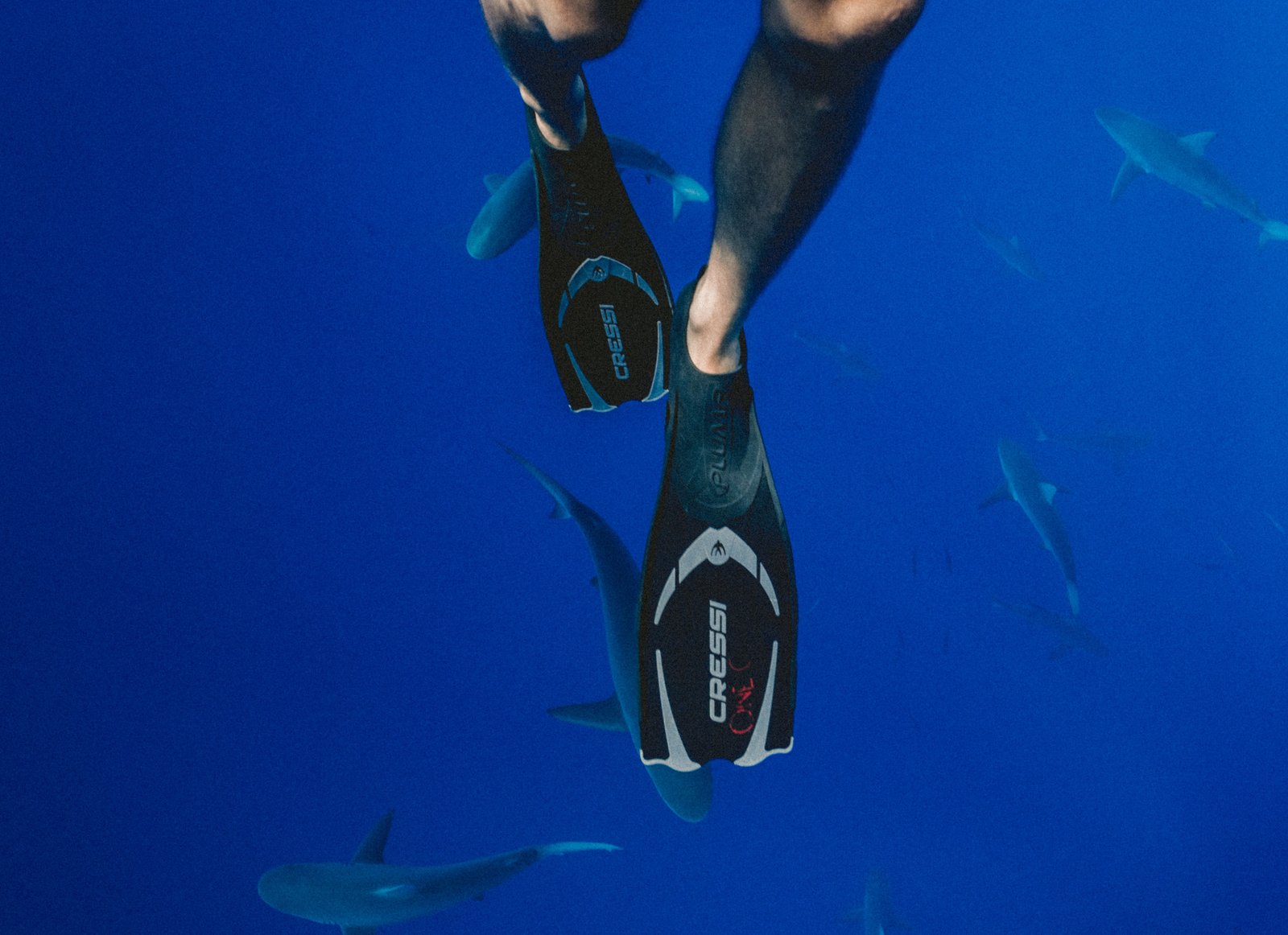
Kids learning how to swim also learn life skills that aren’t limited to the pool or sea. Swimming promotes teamwork, harbors trust in others and strengthen bonds. Every time a child celebrates their swimming progress and success, they’ll gain a confidence boost within themselves that stretches into other aspects of their lives. In addition, research has shown that there are many great lifelong benefits to childhood swimming: Improved socialization among different peers Improved cognitive behavior Enhanced gross motor skill development and coordination Lead greater happiness, health, and development of a child’s personality If your child hasn’t organically developed the ability to tread water properly, learning how to kick with swim flippers is a great way for them to get more comfortable with it. Top 12 Best Swim Flippers for Kids The younger the kid, the more challenging it is to learn how to kick with a fin. A great tip is to encourage pointed toes and straighten legs when paddling. Of course, the legs aren’t totally straight for the entire kick. There is a little bend at the knee when first starting the kick, which then finishes straight. These details are a bit too complicated to explain to a child. That’s why it’s best to encourage them to have their legs straight. They’ll eventually get it by instinct. There is a lot of kid swim flippers to choose from. We narrowed it down to twelve, so you don’t have to. Amberbaby Kid Swim Flippers — Our Top Pick WPYYI Swim Flippers — Best High End A Point Diving Swim Flippers — Best Budget LKXSWZQ Kid Swim Flippers Carols Kid Swim Flippers CZYPF Kid Swim Flippers Olaffi Kid Swim Flippers Comfecto Kid Swim Flippers Finis Kid Swim Flippers Amazqi Kid Swim Flippers Capas Kid Swim Flippers Cressi Kid Swim Flippers 1. Amberbaby Kid Swim Flippers — Our Top Pick Specifications: Heel type: Open heel Fin type: Paddle fin Fin size: Longfin Amberbaby fins each come with an open-heel design to accommodate a wide range of sizes. This is cost-effective since your kids will not outgrow their fins for a few years. Kids can easily put on and remove the fins with its Quick and Easy technology heel straps with large thumb loops for adjustment ease. Built with high-quality custom material, the Amberbaby fins offer a soft foot pocket and barefoot flexibility. The flippers are designed to also be worn with fin socks or dive booties which help protect diver’s feet from cold and blisters.  Amberbaby also boasts a compact design without compromising speed that’s ideal for packing during travels. 2. WPYYI Swim Flippers — Best High End Specifications: Heel type: Open heel Fin type: Paddle fin Fin size: Longfin WPYYI fins provide both tightness and comfort at the same time, which is usually a problem for kids’ swim flippers. This is possible due to two things: its anti-slip adjustable strap technology and superior construction.  The strap allows adjustment for proper tightness for easy wear and removal of the fins. The construction is tough and flexible, that’s neither too hard nor too soft. The fins also come with dual-channel drain hole outlets to reduce water resistance, giving the diver free action underwater. 3. A Point Diving Swim Flippers — Best Budget Specifications: Heel type: Close heel Fin type: Paddle fin Fin size: Shortfin A Point Diving fins are not only the cheapest on this list, but they are carefully designed to compete against high-end kids’ swim flippers. The soft areas of the fins are made of high-quality thermoplastic rubber and the hard areas are polypropylene material. This mix results in a durable but lightweight set that provides excellent performance underwater without tiring your feet as fast. The flexible foot pocket automatically adjusts its shape to give a perfect fit. Perfect for kids with underdeveloped motor skills to wear the fins easily. A common problem for cheap fins is slippage, especially when walking around the beach. A Point Diving fixes this problem with its non-slip design, and drain holes add breathability and comfort with protection from slippage. 4. LKXSWZQ Kid Swim Flippers Specifications: Heel type: Close heel Fin type: Paddle fin Fin size: Longfin LKXSWZQ fins are made of a custom mix of thermoplastic elastomer and polypropylene material that gives it high flexibility without the risk of tearing.  The non-slip convex bottom design increases friction to increase the efficiency of every kick. Being more efficient results in more power, increasing the distance per kick. The fin’s palm frame concentrates water pressure providing better stability underwater. Coupled with its dual channel draining to reduce water resistance, divers gain more freedom of movement underwater and improved diving swimming speed. 5. Carols Kid Swim Flippers Specifications: Heel type: Open heel Fin type: Paddle fin Fin size: Shortfin Carols claim that their fins are bent 1,500 times to check for deformation and cracking. Only high-quality construction materials can survive that kind of stress test. The fins use adjustable side buckles to get the correct tightness for the diver’s feet. They’re made of high-quality polypropylene and thermoplastic rubber that’s non-toxic and wear-resistant.  The bottom of each fin adopts a pattern design that adds better friction with the ground, providing more safety against skidding. Additionally, they’re designed with drainage holes that reduce water resistance by adding a speed perk kick. 6. CZYPF Kid Swim Flippers Specifications: Heel type: Close heel Fin type: Paddle fin Fin size: Shortfin CZYPF fins have a closed-heel design. This sacrifices adjustability for a better fit while being more secured. This design choice inhibits hyperflexion—a common injury where a joint flexes beyond its normal range of motion—and foot cramps. The fins use an open-toe and flame-shaped mesh instep design that reduces water resistance and adds breathability, minimizing paddle fatigue. They’re made of custom thermoplastic rubber material that’s deformation-proof, corrosion-resistant, and sturdy. It comes with hard plastic inserts to maintain a flipper shape when not in use and a mesh bag to keep them dry. 7. Olaffi Kid Swim Flippers Specifications: Heel type: Open heel … Read more

Top 6 Best Inflatable Boogie Boards | Guide (Driftsun)

Best Inflatable Boogie Board

In 1971, Tom Morey built a board to ride waves in Hawaii. Tom was a huge fan of the boogie-woogie music genre that he even named the board the Morey Boogie. His later products became popular in the following years until the Boogie Board became a household name. The Morey Boogie board was later sold to a toy company that trademarked the term “boogie board.” Given that the name got trademarked, other companies could not borrow it, which led to the new term “bodyboard” being used. There is no difference between a boogie board and bodyboard and it’s common for people to refer to both interchangeably. Top 6 Best Inflatable Boogie Boards Bodyboarding isn’t restricted by age. As long as beginners have a good grasp on swimming and are healthy, anyone can learn how to! If it’s your first time out in the water, the best thing to do is to play around shallow waters to get used to the concept of catching a wave.  An inflatable boogie board is perfect for this stage since it’s lightweight and easier to maneuver. You don’t need to deflate it every after a surf session. You can store it in a bodyboard bag and add some air every now and then. But not all inflatable boogie boards are durable and safe to use. That’s why we listed eight boogie boards that’s worth checking out. South Bay Board Co. Squid (Our Top Pick) Driftsun Mako Omouboi Boogie Board VWMYQ Boogie Board FiGoal 2 Pack Boogie Board Polama Boogie Board #1. South Bay Board Co. Squid — (Our Top Pick) Specifications: Size: 48 in x 23 in x 4 in Material: Military Grade PVC Tail: Crescent Tail Fin Setup: Twin Fin South Bay Board Co. (SBBC) humbly started with a few custom beginner surfboards and inflatable paddle boards. They continue to take great pride in their custom designs, materials, and shapes that’s worthy to compete against leading brands. SBBC Squid’s shape is designed for a surfer’s performance with its classic dynamic squared nose and nose rocker. It comes with twin fins giving it more acceleration. The overall shape allows the surfer to cutback easier than most inflatable boogie boards without the risk of nose-diving.  The secret to its durability is its Military Grade thick PVC plastic shell frame that’s rigid due to its Drop Stitch Core technology. The smooth IXPE padded foam top deck and Double Stitched Handles prevent the surfer from sliding out on steep waves.  #2. Driftsun Mako Specifications: Size: 42 in x 25 in x 4 in Material: High Density PVC Tail: Square tail Fin Setup: Twin Fin In 2014, Watersports enthusiasts from lakes of Northern California started their own company, called Driftsun. Their products stem from surfing on lakes, which makes it worth getting, especially if you plan to surf on fresh waters. Driftsun Mako’s leading trait is its unsnappable durability. It’s implemented with Driftsun’s RigidAir drop stitch technology and quadruple overlap seams that prevent dents or dings from usage.  Since it’s inflatable, it’s super lightweight and will fit in most backpacks when fully rolled up. Mako can be inflated in less than five minutes with a hand pump and you won’t have to worry about leaking air due to its high pressure Sure-Lock Valve. Riders have an easier time on the board because of the comfort grip handles and XPE foam pad that comes with the inflatable boogie board. #3. Omouboi Boogie Board Specifications: Size: 30 in x 16.5 in x 3 in Material: High Quality PVC Tail: Crescent Tail Fin Setup: None Omouboi is made of custom PVC material that’s soft for comfort but durable for use. It comes with firmly stitched grip handles, which provides secure gripping when surfing. The inflatable boogie board is easier to maneuver than other boards in its category due to its concave-convex shaped front side. This shape fits the human chest better, making the body to board contact ratio high, which is important especially when you just started bodyboarding. The double-layer special fabric and high-pressure stitched edges helps the board become wear and water-resistant, ensuring that it’s built to last. #4. VWMYQ Boogie Board Specifications: Size: 30 in x 20 in x 6 in Material: High Denstiy Fabric Tail: Crescent Tail Fin Setup: None VWMYQ inflatable boogie board is great for young kids that’s learning how to bodyboard. It is made of high-density fabric that’s soft on children’s skin. This gives the proper buoyancy for kids that’s not too high and not too low. Deflating accidents that’s common in cheap products won’t happen because of its double anti-leakage nozzles. The board comes with a non-slip material and woven handle strap design that secures gripping during a surf session. Kids can easily fold or roll the inflatable boogie board, which weighs less than one lb, taking up much less space in their backpack. Overall, it’s an inflatable boogie board that’s designed more for fun and safety rather than performance and maneuverability. #5. FiGoal 2 Pack Boogie Board Specifications: Size: 41.7 in x 20.4 in x 6 in Material: High-Quality Phthalates-Free Material Tail: Square Tail Fin Setup: None Get two for the price of one boogie board. What makes FiGoal boards standout is its vivid watermelon kiwi and pineapple skin designs that scream “Summer Fun.” This is perfect if you are looking for an inflatable boogie board that’s designed for outdoor family water fun. Its simple semioval shape allows you to either sit or lie down on the board to relax and float. The set is made of high-quality Phthalates-free materials that’s non-toxic and safe for children.  Keep in mind that it’s inadvisable to use it for bodyboarding on erratic and large waves since it wasn’t designed to use on those types of waves.  #6. Polama Boogie Board Specifications: Size: 29.53 in x 20.47 in x 5.9 in Material:  High Density Fabric Tail: Crescent Tail Fin Setup: None A cheaper alternative for the VWMYQ inflatable boogie board. Both Polama and VWMYQ have the same … Read more

Top 13 Best Swimsuits for Tweens (Moon Tree)

Best Swimsuits for Tweens

Being (or having) a tween is pretty tough. The transition from being a child to becoming a teenager comes with a lot of changes in the social, emotional and especially physical departments. For this reason, pre-teens face a challenge in choosing swimwear that’s appropriate for their age, since most bathing suits in the market are either too revealing or childlike.  But there’s no need to panic — hope is finally here. In this article, we’ll tackle 13 swimsuits that will fit young ladies’ fashion needs so they feel less conscious about their bodies. They’re modest, comfortable, and made with beautiful designs girls of all ages will surely adore! Top 13 Best Swimsuits for Tweens In choosing the right swimsuit for girls who are 8-12 years old, you must consider coverage, practicality, and versatility. It must fit them just right to avoid accidents like wardrobe malfunction and is versatile enough so it can match other swimming pieces like cover-ups.  Check out the brief summary of our lineup:  Moon Tree Two-Piece Rash Guard Swimsuit with UPF 50+ Sun Protection Kabety Two-Piece Boyshort Tankini Roxy Girls’ Love is Big Flutter Swim Set Arshiner Girls’ 3-Pcs Floral Tankini Swimwear Xunyu Falbala High-Waisted Halter Neck Bathing Suit Kanu Surf Daisy Beach Sport Two-Piece Swimsuit Tommy Bahama Girls’ Two-Piece Rashguard Swimsuit Talgat One-Piece Swimsuits for Big Girls Speedo Girls Swimsuit Two-Piece Tankini Moon Tree Girls One-Piece Hawaiian Ruffle Swimwear Billabong Girls’ Lil Love Palms One-Piece Swimsuit Kanu Surf Girls’ Alania Flounce Bikini Hurley Girls’ Long Sleeve Rash Guard Two-Piece Swimsuit #1: Moon Tree Two-Piece Rash Guard Swimsuit with UPF 50+ Sun Protection Specifications:  Price: $20.99 – $26.99 Material: 82% Nylon and 18% Spandex Sizes: 5 to 16 Years Features: UPF 50+ protection, Fully-lined, Removable bra paddings Developing girls need to have extra support in their chest areas. That’s why their swimwear needs to have bra cups or paddings for extra layers and protection in case they get wet.  Thankfully, Moon Tree is way ahead of its game and has already thought of this feature for its pre-teen swimwear. Their two-piece swimsuit includes removable bra pads for girls ages 12-16. It also features a rash guard top and modest bottom (that isn’t too cheeky) so the girls will feel comfortable wearing and moving around with it.  This swimsuit is made by combining spandex, polyester, and nylon material to create a thick and durable fabric that’s breathable and stretchable at the same time. It’s also fully stitched to the seams so it won’t tear or rip when swimming or doing other water activities. By integrating this swimsuit with UPF 50+, their skin is protected for longer days in the sun.  Lastly, it has aesthetically pleasing patterns and colours, so it’s great to give as a present for young ladies this summer!  #2: Kabety Two-Piece Boyshort Tankini Specifications:  Price: $21.99 Material: 82% Nylon and 18% Spandex Sizes: 3T to 15 Years Features: Shelf bra with removable paddings Pre-teen girls often feel conscious about the changes in their bodies. That’s why they need swimsuits with good coverage in both upper and lower areas so they can enjoy their time in the water to the fullest. The problem is, some stores offer skimpy bathing suits for girls this age. For this reason, we searched high and low for this next swimsuit the parents will surely approve of and tweens will feel comfortable wearing. The Kabety Tankini is a two-piece swimsuit that has a tank top and boy shorts bottom. Its top offers a full-frontal cover that doesn’t rile up when worn, with sewn bra shelves where pads can be inserted for added bust support. The bottom provides a sporty look that’s not too tight and constrictive. It’s made with durable and non-fading fabric, so it can endure days of swimming in a chlorine-treated pool or saltwater beaches. Since this swimsuit looks like regular clothes and is fast-drying, too, it’s perfect for quick runs at the store or restaurants post-swim. The best part is there’s no need for a cover-up with this modest swimsuit because it doesn’t show too much skin in the belly, bum, and chest area! #3: Roxy Girls’ Love is Big Flutter Swim Set Specifications:  Price: $30.81 – $45.00 Material: 82% Polyester, 18% Elastane Sizes: 7 to 16 Years Features: Removable bra paddings, Fixed straps and closure Roxy has been making girls’ and women’s clothing and accessories since 1990, but did you know that this brand is also from Quiksilver? Based on this fact, it isn’t surprising that their swimsuit line for tweens is all pretty and functional!  The Love is a Big Flutter bikini set may not be for everyone (especially conservative parents), because this swimsuit shows some skin; however, it’s flattering for all body types without being too revealing. It features a top with a ruffled hemline for a ladylike touch, with removable bra pads to give that extra coverage for developing girls. The bottom, on the other hand, is fully lined; therefore it doesn’t become sheer or transparent when wet. To prevent accidents like unclasping, this swimsuit has non-adjustable straps and zero hook closures. It’s also comfortable to wear and it doesn’t scratch the skin.  The Love is a Big Flutter is a refined mix of cute and feminine designs — ideal for little ladies looking for swimsuits that’ll boost their confidence!  #4: Arshiner Girls’ 3-Pcs Floral Tankini Swimwear Specifications:  Price: $20.99 – $22.99 Material: 85% Polyester,15% Spandex Sizes: 5 to 14 Years Features: Removable bra paddings, Adjustable straps, UPF 50+ protection If you’re looking for real value for money, we recommend going for the Arshiner three-piece tankini swimwear. This versatile swimsuit comes with a bikini set and a flowy skirt cover-up — ideal for both swimming at the beach or lounging by the poolside.  It’s made with a stain-resistant and stretchable fabric that’s easy to put on and gives a snug fit. It also features removable bra pads without underwires to provide sufficient support on the bust area, with adjustable straps for a secure fit.  … Read more

Top 10 Best Surfing Accessories for Your Car

best surfing accessories for your car

Having a car changes everything for a surfer. It is like a small portable home that allows you to get to the places you want while storing all your necessary goods. As your car is like a mobile suitcase, it makes sense to store all your surfing accessories that you might need when out on a mission inside it. From keeping your seats dry, your keys safe, and your wetsuit clean, to securing your boards and locating that hidden away break, there are some surf accessories that your car can’t do without. The following are some of the best accessories that a surfer should consider keeping in their car every time they head out to catch some waves. 10 Best Surfing Accessories for Your Car HEYTRIP Universal Soft Roof Rack Lusso Gear Waterproof Car Seat Cover ORIA Key Lock Box Rinsekit Portable Shower Parallaxx Wetsuit Changing Mat/ Dry Bag Northcore Hook Up Magnetic Hanger COWVIE Foldable Roof Access Peddle Garmin Drive Smart GPS Clear Ding Tape Professional First Aid Kit #1. HEYTRIP Universal Soft Roof Rack If you can’t get your surfboards to the beach then there is no chance that you will be going surfing. Although you could get away with squeezing a small surfboard into your car, this will likely limit you to a single board and put your surfboard’s safety at risk as it bounces around on top of your seats. The Heytrip soft roof rack is ideal for transporting multiple boards around town. With a maximum weight of 80Kg and 15ft cords, this roof rack is easy to install and even easier to remove. Soft roof racks are perfect for those of us that only need racks for particular situations and prefer to remove them after. Pros: Easy to install and remove. Can hold up to 3 boards. EVA foam pads Cons: Leaks through the windows when used in heavy rain. Straps flap in the wind and cause a lot of noise. #2. Lusso Gear Waterproof Car Seat Cover As an ocean lover, you have likely experienced driving home in your wetsuit or swimming costume, only to get into your car the next day to find that your seat is still wet. The Lusso waterproof seat covers are easy to install and fit almost any car seat. The neoprene in the covers prevents odors and stains from making their way to the upholstery while ensuring that your seats remain dry. Pros: Easy to install and remove. One size fits all. Odor and stain-resistant. Cons: The covers are not fitted which produces an imperfect fit. Cover moves as straps loosen over time. #3. ORIA Key Lock Box Many of us surf to escape our daily troubles and find some peace of mind. This blissful state is, however, difficult to come across when we are constantly worrying about losing our car keys in the water. The Oria lockbox makes it possible for you to lock your car keys in a combination box and secure them to your car door handle. Made from zinc alloy and stainless steel, this waterproof lockbox will keep your keys secure for when you return to your car.  Just don’t forget the code! Pros: Includes removable chain for securing around loops and handles. Waterproof and constructed with highly durable materials. 4 digit code for added protection. Cons: The box could be too small for larger keys such as smart car keys. #4. Rinsekit Portable Shower The ocean is a messy place. Filled with sand, salt, bacteria, and decaying plant and animal matter, it is always recommended to rinse yourself and your equipment every time you leave the water. This is not a problem when there are showers at the beach, but what if you are surfing in a remote area and will not get the chance to go home for a shower before you continue your day? Portable showers are an amazing way to overcome this problem, and the Rinskit portable shower is one of the best on the market. This portable rinse kit can hold up to 2 gallons of water and produce a pressurized spray for up to 5 minutes, not to mention that it will keep your water hot for you. Pros: Holds up to 2 gallons of water. Pressurized spray with spray nozzle. Take a hot water shower anywhere. Cons: The internal bladder may break over time. Loses pressure when water becomes low. Doesn’t retain heat for long periods of time. #5. Parallaxx Wetsuit Changing Mat/ Dry Bag Taking off your wetsuit on the beach or in the car park after a surf is always a tricky task and it is made harder when we try to avoid getting sand all over it. Wetsuit changing mats are a perfect solution to this problem as it creates a barrier between you and the sandy ground. Not only will the Parallaxx wetsuit changing mat protect your wetsuit, but it folds into a waterproof wetsuit bag for easy transport once you have managed to escape the grasps of your wetsuit. At 65cm wide this waterproof polyester bag will keep your car dry and your wetsuit sand-free. Pros: 100% waterproof. Doubles up as a wetsuit bag. Includes shoulder strap for easy transport Cons: The shoulder strap does not have padding. Sand is difficult to clean out if it gets inside the bag. Bag size is limited to a single wetsuit and a few small items.   #6. Northcore Hook Up Magnetic Hanger A wetsuit hook that hangs on the outside of your car, allowing you to hang up your wetsuit away from the sand while you have some lunch before hitting the waves again sounds like an amazing idea. The Northcore magnetic hanger does exactly that. Leaving your wetsuit hanging over your car or side-view mirror will prevent it from drying while slowly allowing the salt to eat away at your car’s paint. This magnetic hook is small and can hold up to 20kg and is small enough to store in your glove … Read more

How Does a Surfing Lineup Work? | What You Should Know

How Does a Surfing Lineup Work?

Surfing has often been seen as a sport for rebels, outcasts, and the slightly insane, which is why it is often surprising to find that there are many unofficial rules when it comes to how a surfing lineup should work. There are approximately 35 million surfers in the world, and without a “rule book,” a break can become incredibly dangerous. Although there are numerous surfing etiquette rules that all surfers should know, there are six main rules that apply to the lineup and involve who has right of way, dropping in, snaking, where to paddle, and board control. To help keep yourself and others safe in the water, you would be wise to learn how a surfing lineup works and to stick to the rules. 6 Golden Rules of a Surf Lineup The closest to the peak gets the wave. Don’t drop in on other surfers. Wait your turn. Don’t snake other surfers. Paddle around the lineup. Don’t throw away your board. 1. The closest to the peak gets the wave If you do not understand who has the right of way on a wave, it is near impossible to follow correct surfing etiquette. In a way, all of the lineup rules stem from this single rule: the surfer closest to the peak of the wave has the right of way. In other words, the surfer who is closest to the breaking section of the wave, or the surfer that has the longest potential ride has the right to the wave. 2. Don’t Drop In on Other Surfers Dropping in on another surfers wave is one of the most disrespectful things you could do while surfing, and ironically, one of the most common mistakes that new surfers make. If a surfer is riding a wave from the peak and another surfer drops in on the wave in front of them, it is known as dropping in. Doing this will cut off the other surfer, therefore ruining their wave. This is why it is important to be aware of who is closest to the peak. If it is not you, then it is not your wave. 3. Wait Your Turn Just because you can paddle for every wave, does not mean you should. This is especially true in a busy lineup. A surf lineup should work as a circular system. If you are at the peak and catch a wave, once you have paddled back to the lineup you should join the queue from the back and wait your turn. If you constantly skip the line and paddle straight to the peak you will very quickly annoy other surfers in the water, which in some cases will get you kicked out of the lineup altogether. 4. Don’t Snake Other Surfers As a surfer needs to be at the peak of a wave to claim it, some surfers choose to jump the line and sneak their way into the peak like a snake. Snaking is a way of paddling around other surfers so that you are closest to the peak of the wave, and therefore technically have right of way. This is closely tied to waiting your turn after catching a wave. If you have just made it back to the lineup then do not paddle to the peak and steal the wave from someone else. You, technically you will be in a position to “claim” the wave, but through the eyes of other surfers, all you are is a thief. 5. Paddle Around the Lineup When paddling out to the back of the break, you should never paddle straight to the peak. Doing this will put you in the way of surfers riding the waves. The last thing you want is to wait in a lineup for your wave, finally, take off on it, only to have to bail from your ride because a disrespectful surfer is paddling directly through the break and straight toward you. This is something that would surely piss you off, so don’t do it to others. Instead of paddling directly to the peak, you should paddle around the break.  This can be done by riding a rip current, simply paddling around the main break, or by taking a walk down the beach and then paddling back to the lineup once you have passed the backline. 6. Don’t Throw Away Your Board Surfboards are hard, sharp, and can cause some serious damage. If you cannot control your surfboard in the conditions that are presented, then you have no right to paddle out. If you are the type of person to ditch their board the second a large set comes in, only to swim down and avoid being tumbled, then you need to reconsider your actions. Although doing this does not directly affect the lineup, it is seen as a dangerous and careless act when done around other surfers. If you cannot make it to the backline without ditching your surfboard then it is best to come back another day and put some effort into improving your duck diving. Tips to Improve Surfing Lineups Now that you are aware of the rules of a surfing lineup it is up to you to learn, remember, and follow them. The following tips are great ways in which you can improve how you act in a surfing lineup and will make following the above lineup rules easier. Greet Other Surfers at the Lineup Putting a little effort into greeting other surfers when you first arrive at a lineup will take you a long way. Getting to know the other surfers in the water, or at the least, being friendly will reduce the chances of them dropping in on, or snaking you. This will also make it more likely that if you make a mistake someone will politely correct you, instead of getting angry. Call Your Wave and Direction Communication is key when in a surfing lineup, especially when it is crowded and the waves are breaking in multiple directions. Even … Read more

Top 8 Best Underwater Sea Scooters (Yamaha)

best underwater sea scooters

Advancements in technology brought convenience to our daily lives and added excitement to our activities inland and on the waters. Diving is no longer just limited to snorkeling nor surfing with the standard surfboards. Speedy divers like underwater sea scooters let you skim the water’s surface and fully immerse yourself at faster speeds, adding action to our already exciting aquatic activities. One of the fast becoming hot properties in the diving world, underwater sea scooters let divers go further and explore more of the ocean. This innovation is an excellent tool for anyone wanting to delve into the deeper depths of the waters. Underwater sea scooters have a wide variability. Thus, we reviewed five of the best underwater sea scooters for you to get a good idea of what’s available. What is an underwater scooter How do underwater sea scooters work Buying guide What Is An Underwater Sea Scooter? Diver Propulsion Vehicle (DPV), more commonly known as an underwater sea scooter, is a diving equipment used by scuba divers to increase range underwater. It consists of a pressure-resistant watertight casing that contains a battery-powered electric motor that drives a propeller. Underwater sea scooters are designed with high regard for the diver’s safety. This means these scooters have their propellers positioned strategically, so as to not harm the diver, diving equipment, or any marine life. DPVs are designed not accidentally to start or run away from the diver. In addition, these underwater sea scooters are intended to remain neutrally buoyant while in use. Top 8 Best Underwater Sea Scooters Reviewed Underwater Sea Scooters bring an end to long and tiring swims. Their convenient means of propelling yourself underwater make them a valuable addition to your diving gears or even as a surfboard accessory. Yamaha RDS250 Seascooter WINDEK SUBLUE WhiteShark Mix Underwater Scooter Sublue WhiteShark Mix Underwater Scooter  Aquarobotman MagicJet ROBOSEA Seaflyer G GENEINNO S1-Pro Underwater Sea Scooter TUSA SAV-7 EVO3 Apollo DPV Scooter AV2 Evolution Best Budget Underwater Sea Scooters 1. Yamaha RDS250 Seascooter Battery Life/Run Time: 120 minutes Max Speed: 4 kph (2.5 mph) Max Depth: 30 m (100 ft) Weight: 18 lbs (8.2 kg) With its price tag, the Yamaha RDS250 Seascooter will surprise you with its whole host of features ready for you to use. One of the cheapest in the market, you can hook it up and get out into the water, and, in no time, you are at the most exciting depths of the ocean. This underwater sea scooter hits up to 2.5 mph when in use and will propel you effortlessly to your destination. It doesn’t only make your diving faster, but it also keeps your energy levels up to let you explore the sea for more extended periods. Having said that, the Yamaha RDS250 is powered by a SLAB battery that lasts up to two hours of continual use when underwater. But, since it has become a logical habit to turn the scooter off when stopping and looking at something, you can expect it to last longer than two hours. It is lightweight at 18 lbs making it easy to lift and transport between the water and your storage. This weight also adds to how easy it is to go down as deep as we dare – up to 100 ft. The overall weight includes the battery leaving you no surprises with additional mass from a massive battery. Of course, it would be nice to look back at the things you saw underwater. This isn’t impossible with its integrated camera mount where you can affix your action cameras fit and snug. Safety-wise, this underwater scooter includes a removable buoyancy chamber that lets you manage your saltwater dive more effectively. 2. WINDEK SUBLUE WhiteShark Mix Underwater Scooter”/] Battery Life/Run Time: 30 minutes Max Speed: 3.36 kph (1.5 mph) Max Depth: 40 m (131 ft) Weight: 1.96 lbs (.89 kg) One of the highest-rated underwater sea scooters in Amazon, the WINDEK SUBLUE WhiteShark Mix Underwater Scooter is the world’s first two-engine underwater scooter. But, don’t get it wrong. Despite sounding too powerful, it is temperate enough to accommodate kids, too. This underwater sea scooter boasts an innovative design that features the perfect combination of propulsion and stability. WINDEK Underwater Scooter’s two powerful propellers sit on either side, thrusting divers through the water at speeds of 3.3 kph. It also does not weigh too much. Thus it renders a compact and portable design. Its replaceable battery pack holds up to 30 minutes of continuous run time, letting divers explore beneath the sea surface for a fairly decent amount of time before charging. Most underwater sea scooters come in one single color. But, not WINDEK Underwater Scooter. This DPV offers three different colors to choose from to accord the user’s degree of personality. You can take this colorful underwater scooter to depths of up to 130 feet. You won’t miss out on the most colorful sights to see considering, the depth limits of the habitats of most types of marine life are around the same depth. 3. Sublue WhiteShark Mix Underwater Scooter Battery Life/Run Time: 30 minutes Max Speed: 3.36 kph (1.5 mph) Max Depth: 40 m (131 ft) Weight: 5.75 lbs (9 kg) If you are looking for a game-changer underwater sea scooter without breaking your bank, the Sublue WhiteShark Mix Underwater Scooter is what you need. This DPV is a fairly new name in the sea scooter industry but has made some commercially intelligent underwater equipment. They are one of the few DPVs to run two motors. These powerful engines conform well with the design to create greater thrust while using less power. Divers particularly love such designs and prefer them over the traditional sizeable single motor units because the arms are more comprehensive and more natural. In addition, divers also find two-motor underwater scooters to be more responsive than the conventional DPVs. It rates at 130 feet or the maximum depth of recreational scuba diving. Plus, it can also go as fast as Yamaha … Read more

Top 10 Best Surfing YouTube Channels

best surfing YouTube channels

More than being a video-sharing service, YouTube is now the perfect avenue for just about anyone to showcase themselves. That includes surfers – young and old, pros and newbies, or simple enthusiasts. All of which are worthy of hitting the follow button. YouTube allowed surfers to share their adventures, wins, and mishaps. Since surfing year-round isn’t easy for most of us, their YouTube channels become a great way to get a buzz and feel waves are coming to you. If you’re checking out YouTube channels that will fill you in with all things surfing, you’ve come to the right place. We listed down some of the best surfing YouTube channels you should subscribe to so you won’t miss the waves as much. Top 10 Best Surfing YouTube Channels To Subscribe To Surfing YouTube channels are more than just entertainment. You can turn to them when you need to get a buzz on days when the waves aren’t so perfect or when the nights are dark. They are also excellent sources of tips and advice on surfing. These surfing channels we gathered will offer you everything from surf training videos to surf-spot guides. And, you’ll also get a chance to experience what it’s like to be a professional surfer from those “a day in the life” videos. Jamie O’Brien Koa Rothman Ben Gravy Beefs T.V. Kai Lenny John John Florence SURFER How To Rip Brett Barley World Surf League 1. Jamie O’Brien Joined: December 2, 2012 Subscribers (as of September 2021): 762K Jamie O’Brien’s Channel: https://www.youtube.com/c/JamieOBrienJOB When he’s not riding waves, Jamie O’Brien is either making cameos in surf films or making his own vlogs for his YouTube channel. Born on June 9, 1983, in Kahuku, Hawaii, O’Brien is an American professional surfer who holds multiple awards, including the 2009 Rip Curl International. The Pro Surfer turned video star has one of the best surfing channels on YouTube. Backed with his surfing crew, he and his group take on gnarly waves, dive into extreme challenges, and experiment with all kinds of crazy and fun stuff. Jamie O’Brien’s unique glimpse of his crazy life – from his slip ‘n slides at Waimea Bay to taking massive pipeline swells on a soft-top surfboard are all professionally filmed and edited by his equally skilled filmmakers. 2. Koa Rothman Joined: January 4, 2013 Subscribers (as of September 2021): 126K Koa Rothman’s Channel: https://www.youtube.com/c/KoaRothman Earlier this year, Rothman made a buzz after riding the biggest wave ever ridden in Hawaii. It was estimated to be 100 feet tall at Jaws on the island of Maui. If you are his subscriber, you’d know just how he’d take on waves like that, especially if you’ve seen his January 21, 2021 video. Rothman’s surfing YouTube channel tagged “This Is Livin’” shows the most beautiful footage of Tahiti, Indonesia, Fiji, California, Europe, and his hometown in Hawaii. No wonder he’s got nothing but the absolute beauty of the seas captured in videos. It helps that Koa is an engaging and genuine host. His fun personality tells a lot about his experiences as a pro surfer, filmmaker, and musician, too. These are some of the great surf vlogs for a beginner’s inspiration and source of fun. 3. Ben Gravy Joined: April 26, 2007 Subscribers (as of September 2021): 145K Ben Gravy’s Channel: https://www.youtube.com/c/BenGravyy/ In late February of 2021, Ben Gravy’s surfing YouTube channel was suspended indefinitely after traveling to Puerto Rico. For some reason, because he was connected thru Wi-Fi, YouTube thought his account was compromised. Fortunately, it’s back online with many cool and exciting videos that his fans sure took time to watch. His surfing YouTube channel is one of the earliest surfing channels on YouTube. This surfing channel has documented not just his everyday life but how he surfed in every single US state. His most viewed video was uploaded in 2018 with 798K views. It was the DIY conversion of his cargo van into an off-the-grid camper. The 10-day camper van project turned out pretty well that you’d see the same van in some of his other videos. 4. BEEFS T.V. Joined: May 19, 2015 Subscribers (as of September 2021): 146K BEEFS T.V.’s Channel: https://www.youtube.com/c/BEEFSOFFICIAL/ BEEFS T.V. describes itself as amateur broadcasting for documenting everything from surfing, making friends, waves, soft boarding, skimboarding, boogie boarding, eating, and almost everything that goes around the beaches of Southern California. Chris Monroe is behind the surfing YouTube channel BEEFS T.V. Its content revolves around Blairk Conklin, Kalani Robb, and almost everyone from the Catch Surf team. If you like loads of Palm Springs Surf Club scenes, you will love watching videos from this surfing channel. Monroe is the one-person show behind this surfing YouTube channel. When asked whether it is challenging to document surfing, he says it is pretty easy for him. His excellent video footages are all punctuated with humor and rough filming, making them highly addicting. 5. Kai Lenny Joined: February 25, 2010 Subscribers (as of September 2021): 88.5K Kai Lenny’s Channel: https://www.youtube.com/c/KaiLenny98/ Kai Lenny lives life like no one else. This is pretty obvious in most of his videos on his surfing YouTube channel. His footages are always fun and exciting, and it isn’t so surprising. After all, he’s that pro water athlete that can take on just about anything – surfing, windsurfing, wing surfing, kiteboarding, and more. Known for his big beach clean-ups in Hawaii, this big-wave surfer from Hawaii is a true waterman who has a habit of setting new boundaries for what’s possible. His surfing YouTube channel shows just how innovative he is when it comes to his gear and how he rides. Follow Kai as he pushes his limits while on a tow-board, shortboard, or even a foil-board. There’s almost nothing this guy can do. His talent makes most people think he is the new Laird Hamilton of this generation. 6. John John Florence Joined: January 23, 2019 Subscribers (as of September 2021): 142K John John Florence’s Channel: https://www.youtube.com/c/JJF/ The two-time world champion … Read more

Feed Your Stoke. Join the Surf Hungry Crew

Surf tips, gear reviews and travel guides straight to your inbox

"*" indicates required fields

Privacy*
This field is for validation purposes and should be left unchanged.