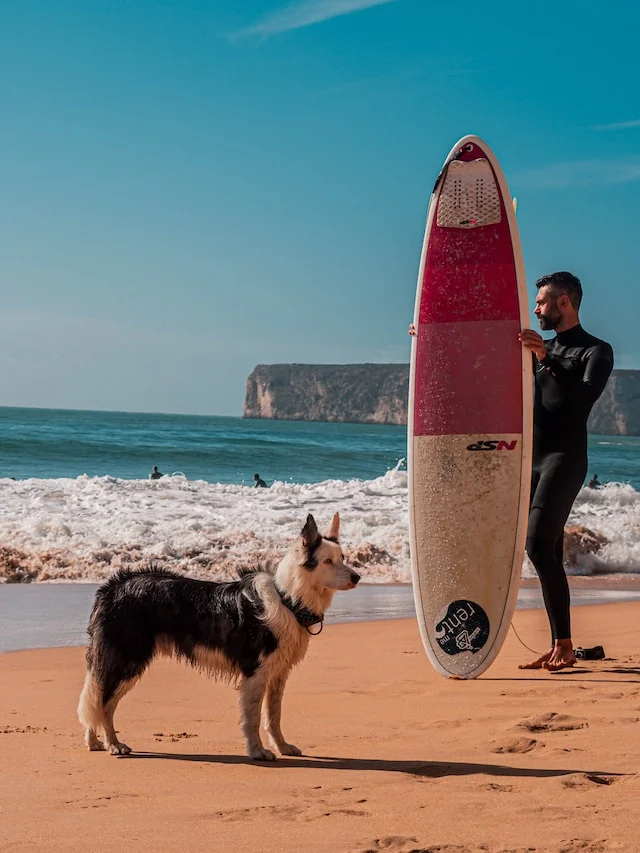
Mastering SUP Surfing: Techniques

In Stand-Up Paddle (SUP) surfing, water and gravity conspire to create the perfect playground between water, paddle, and board. Even though it’s much easier than typical prone surfing, there is still a booty of tips and tricks to keep you out of Davy Jones’ Locker and mastering some sick shredding. With that in mind, how do you master SUP surfing and take your skills to the next level? The key to mastering SUP surfing is to read the ever-changing conditions, conquer the whitewash, position yourself perfectly to catch waves and navigate the lineup appropriately. It includes knowing the proper paddling form, board positioning, and reading and navigating through the waves. SUP surfing is climbing the charts as a popular must-do sport combining exhilarating versatility and stability when riding waves. As soon as you have the nitty-gritty down to master the art, you’ll shred your masterpiece, using the ocean as your canvas. Read on as we help you get ready to level up your skills and climb into the thrilling world of SUP surfing. SUP Surfing Technique 1: Proper Paddling Form Paddling is the foundation of SUP surfing. It’s how you get from points A-B, catch waves, and maneuver on the board. Without proper paddling form, you’ll waste energy, lose speed, and miss out on the fun. Here are some tips to improve your paddling form and power: How To Hold The Paddle: Tips & Tricks The paddle is your trusty companion in the water, so make sure you hold it with finesse. Grip the handle with your top hand and place the other hand halfway down the shaft. Remember, the blade should face forward, not backward, like a rebellious rookie. This forward-facing position gives you stability and the power to slice through the water and embrace the wider-arm stance for extra control and leverage – it’s the secret sauce to keeping your SUP surfing journey steady. Paddling is it’s a full-body symphony and not just an arm workout. Engage your core muscles and let them serenade the water as you paddle. Keep those legs slightly bent and springy, ready to absorb any wild waves that come your way. To execute the perfect paddle stroke: Reach forward, extending your paddle without compromising your balance. Immerse the blade into the water, close to the board, and feel the connection with the current. Pull back with conviction, using your core and torso to rotate as if you’re harmonizing with the ocean’s rhythm. Lift the blade when it reaches your feet, ready to repeat the symphony on the other side. Using Your Legs To Generate Power Ah, the hidden treasure of SUP surfing – your legs, which are not just for standing; they hold the key to unlocking the wave’s potential. The more comfortable you become using your legs, the easier the process becomes. Here are some steps to follow when embracing your leg power: Hold the bend in your knees, the spring in your step, and let your legs become the driving force behind your paddling prowess. As you reach forward with your paddle, push down with your front leg like a surfer ready to launch into the unknown (try to stay on the board, of course). As you pull back, feel the power of your back leg pulling up, propelling you forward with a surge of energy. Switch legs, ensuring each stroke is a synchronized masterpiece. Proper paddling form is the gateway to SUP surfing greatness. It will elevate your speed, increase your wave-catching prowess, and unlock a world of endless fun. Remember these tips the next time you’re paddling it out, and you’ll begin to notice the effect. Practice with passion, and soon you’ll be gliding effortlessly on the water, leaving a vibrant trail in your wake! SUP Surfing Technique 2: Positioning On The Board Positioning on the board is like finding your groove, setting the stage for balance, speed, and maneuverability. To navigate the waves tactfully, you must master the art of finding the proper stance, adjusting your weight for balance, and positioning yourself on the wave. Here are some tips to enhance your positioning on the board: Finding The Right Stance Almost like a performance, your stance on the board is everything. Stand with feet fairly wider than shoulder-width apart, slightly putting one foot in front of the other. Point your toes outward, embracing the surfer’s swagger. Remember to keep your knees bent, back straight, head up, and eyes locked forward. And to help you find your sweet spot, place a foot in front of the carry handle (which is located dead-center of your board if it has one) and the other about two feet behind it, allowing your weight to flow almost effortlessly over the board’s center, providing control and stability. Adjusting Your Weight For Balance As the waves sway beneath you, your weight becomes your ally in maintaining balance. Let your feet, hips, and core muscles be your guides. A few steps to finesse your weight adjustments include: Shifting your weight to your toes or heels to move frontward or backward on the board will help you catch waves or stylishly dodge a nose-dive. To carve left or right, gently shift your weight to your left or right foot, allowing the wave to become the momentum to move forward. To maintain balance, expand your stance or lower your center of gravity by holding the bend in your knees. This move absorbs the water’s surprises and keeps you in control. Knowing Where To Position Yourself On The Wave The wave becomes your rhythm, and your positioning sets the pace. To flow with the waves, keep the following in mind. To catch a wave, paddle with gusto, matching its speed and direction. Position yourself at the wave’s peak, where it first breaks. This prime spot grants you enough time and space to ride the wave like a maestro. To ride the wave’s rhythm, angle your board slightly toward the desired direction. Position yourself on the face of the … Read more