
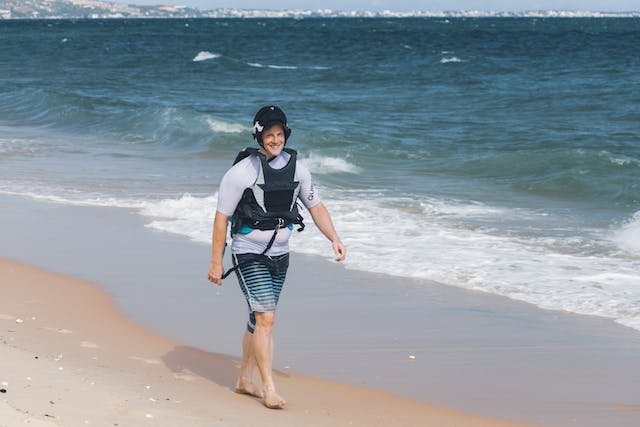
Everything You Need To Know About Kitesurfing Impact Vests And Helmets
Kitesurfing is a free-spirited action watersport born from surfing and windsurfing culture. Even the most proficient water sports enthusiasts need to wear appropriate safety gear to prevent serious injuries, especially when pushing their limits on the water. Kitesurfing impact vests and helmets protect riders against serious injuries.
Impact vests and helmets protect the body from hard impacts while kitesurfing. An impact vest should provide protection, buoyancy, comfort, and warmth. A helmet should provide safety, comfort, and ventilation. Ensure you invest in quality gear from reputable brands and apply proper maintenance care.
Impact vests and helmets are two essential pieces of equipment to protect kite surfers in the event of wipeouts or collisions. We’ll cover everything you should know about kitesurfing impact vests and helmets and ensuring you choose the right ones.
Table of Contents
Why Wear An Impact Vest While Kitesurfing?
Impact vests aren’t only for learners out on the water; many professional and intermediate kite surfers wear them as part of their standard kit when kitesurfing. It partly resembles a lifejacket but lacks sufficient buoyancy to keep you afloat like a lifejacket.
The advantage of an impact vest is that it’s much less bulky than a life jacket. It rarely gets in the way or interferes with your performance on the water. The impact vest fits tightly around your body or wetsuit to prevent water from coming in and to absorb the impact of a fall.
The three top benefits of wearing a kitesurfing impact vest include protection against impact, buoyancy, and additional warmth.
- Protection Against Impact: An impact vest provides an insulation layer that helps reduce the risk of severe injuries and bruising during hard landings or wipeouts. The vests are designed to shield your torso by absorbing the shock of colliding with the water at high speed. Most of our vital organs are situated in the torso and chest, making impact vests vital to keep these areas safe.
- Buoyancy: The foam in an impact vest provides a bit of buoyancy in the water, which can help support you while catching your breath before the next maneuver. However, it is not a lifejacket or floating vest and does not offer sufficient flotation to keep you afloat.
- Additional Warmth: Most impact vests are made from neoprene, providing additional warmth in the water. This makes kitesurfing more comfortable, especially in cold water.
Choosing The Right Kitesurfing Helmet
Depending on how high and fast you’re riding and the position of your body when hitting the water, hitting the water at high velocities is like hitting concrete. As a result, we advocate always wearing a helmet when kitesurfing for beginners and pros alike.
Kitesurfing helmets have one common goal – protecting your head and preventing serious injuries. Helmets have energy absorption properties that minimize the impact of a crash.
A water sports helmet should provide safety, comfort, and performance. Here are the three top characteristics to consider when choosing the right kitesurfing helmet.
- Safety First: A kitesurfing helmet is an essential part of safety equipment that protects your head from injury. Not all helmets are made equal. Ensure you purchase a certified helmet from a trusted retailer.
Top-quality watersports helmets have an inner shell with multiple layers of impact-absorbing material like foam or EVA padding and a hard outer shell made from ABS or polycarbonate material. Avoid buying a used helmet; it can be worn out or damaged, which negatively affects its safety.
- Comfort is Key: Look for a helmet that fits well and snugly and is comfortable to wear for long periods. The helmet’s padding needs to suit or conform to your head shape. A loose or poor-fitting helmet can come off during an impact, leaving you vulnerable to injuries. Likewise, a helmet that’s too small or tight can cause unnecessary pain and discomfort.
Before purchasing a kitesurfing helmet, use a tape measure to measure your head circumference. Ensure it fits snugly around the widest part of your head – right above the eyebrows and ears.
Compare the measurements with the manufacturer’s size chart, which might have different sizing charts. Then, try different sizes and check for pressure points, comfort, and ventilation.
- Ventilation: Ensure the helmet you choose offers sufficient ventilation to keep you cool while kitesurfing and letting water out quickly if you fall.

Picking The Right Kitesurfing Impact Vest
Kitesurfing impact vests allow riders to enjoy time on the water while providing protection against potential injuries. Here’s what to look for when picking a watersports impact vest.
- Material: Look for an impact vest made from durable, high-quality materials that will last. Most impact vests are made with high-density foam that absorbs and disperses force to reduce the severity of injuries. You will need more protection if you plan to participate in high-risk activities like freestyle kitesurfing than casually riding the waves where lower levels of protection are sufficient.
- Design: Consider the design of the impact vest, including its buoyancy, flexibility, and ease of movement.
- Fit: A well-fitting impact vest should fit snugly and comfortably but without being overly tight and restricting your movement and flexibility. The vest should also correspond with your body’s measurements to provide maximum protection. For an accurate measurement, measure around your chest’s broadest point using a tape measure and compare the measurement against the manufacturer’s size charts.
Top Brands For Kitesurfing Impact Vests And Helmets
Several high-quality kiteboarding impact vest and helmet brands are available on the market today. Here are several top kitesurfing gear brands to consider:
- Mystic
- Ion
- Dakine
- NP Surf
- Prolimit
Maintaining Your Kitesurfing Impact Vest And Helmet
Properly caring for and maintaining your kitesurfing impact vest and helmet will extend their life expectancy and functionality.
Here are our three top tips on maintaining your kitesurfing impact vest and helmet.
- Rinse thoroughly: After every use, rinse your impact vest and helmet with clean, fresh water to remove salt, sand, mud, stains, and other debris. Wash your equipment monthly when in use to keep it fresh. You can use laundry detergent and a soft bristle brush to remove the stains.
- Dry Properly: After rinsing, allow your gear to dry fully before storing it to prevent mold and mildew growth. Avoid using a clothes dryer or direct heat to speed up the drying time. It’s best to leave the vest and helmet to dry out of direct sunlight to help prevent premature deterioration and fading.
- Inspect Regularly: Regularly inspect your impact vest and helmet for any signs of damage – rips, tears, holes, damaged straps, or loose stitching – and replace them if necessary.
- Store Properly: Store the fully dry impact vest and helmet in a dry, cool, dark place with even temperatures and humidity. Never store a heavily soiled impact vest and helmet. These stains can promote mold and mildew, which weaken the fabric and destroy the efficacy of the devices.
Final Thoughts
Despite your skill level, safety should always be a top priority when kitesurfing. Impact vests and helmets can help reduce the risk of injury.
Choosing the right impact vest and helmet will significantly improve your comfort and safety while outdoors kitesurfing. Ensure you invest in high-quality gear from reputable brands and take proper care of it to ensure it lasts for many kitesurfing sessions to come.
Luke Morris is an avid athlete and the driving force behind Surfhungry, a vibrant online platform dedicated to sharing the joy and passion of surfing and water sports with enthusiasts around the world. With a deep-rooted love for the ocean and a lifelong commitment to riding waves, Luke’s journey as a surfer has inspired him to create a community where like-minded individuals can come together to celebrate their shared passion.