The Coldest Surf Spots In The World

The Coldest Surf Spots In The World

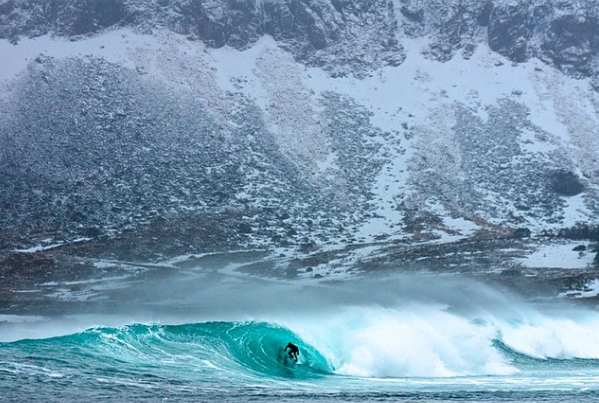
For most people and even some surfers, surfing is done in warm sunny weather, but some of the best surfing spots are in places with fridged waters. Cold-water surfing is popular in many countries, and well-traveled surfers visit these spots to experience their thrilling and icy waves. Canada, Russia, Norway, and Scotland are known for their cold weather and surf spots that challenge surfers worldwide. Oceans in these countries have water temperatures that go as low as 28°F and waves that reach 18 feet, which provide a thrilling experience for many surfers. Surfing in icy water with high winds and enormous waves is something every surfer must consider doing at least once. Surfers all around the globe seek out challenging locations where they can ride massive waves and face harsh weather conditions to take their surfing skills to the next level. Discovering The Thrills Of Surfing In Unforgiving Environments Surfing in frigid waters may seem like a crazy idea and not something any surfer will attempt, but there are beautiful places where the rush and excitement make the cold water an afterthought. If you love surfing and are considering experiencing cold-water surfing, you will love some of these places and why it attracts surfers worldwide. Tofino, Canada Tofino is known for its surfers, who tackle the cold ocean daily. Temperatures in Tofino can drop to as low as 29°F, but typically the water temperature is around 40°F during winter and 50°F during summer. Winter Temperatures outside go from 38°F, and in the summer, as high as 67°F. Like most cold-water surf spots, the summers in Tofino are short, with clouds blocking most of the sun, and the winter is rainy and overcast, with high winds that last most of the year. If you love cold-water surfing, consider visiting Cox Bay and Chesterman Beach in Tofino. Both surfing spots are a favorite of locals and visiting surfers. Cox Bay Cox Bay is the number one surf spot to visit in Tofino and attracts beginners who tackle the waves closer to the shoreline and pro surfers who ride the long and large waves year-round. The swells draw longboard and shortboard surfers from everywhere, and it is the largest surf spot in Tofino. Chesterman Beach Chesterman has a north and south beach, although most surfers prefer North Chesterman Beach, which produces waves throughout the year. Both beaches are in the eyesight of one another, and surfers can easily spot which one has the best waves. Chesterman Beach attracts pros and beginners, although its calmer waters are best suited for those less experienced. Thurso, Scotland Thurso in Scotland is the northernmost town on the island of Great Britain, and the temperature requires wearing everything available to survive the cold waters. With the ocean reaching 43°F in the winter and 57°F in the summer, every surfer is tested by the cold waters and the waves. The big waves that break inside the bay are called “Coldwater Nias” by locals, and it is a big attraction for surfers visiting around the world. If the water temperature does not test your courage, it’s air temperature that goes as low as 35°F in the winter and a maximum of 61°F in the summer defiantly will. The summers in Thurso do not last long, and it is windy and cool. The long winter has high wind conditions, and it rains most of the time with cloudy skies year-round. If cold weather does not faze you, you must consider these local spots in Thurso on your next surf outing: Thurso East Thurso East is located on the coastline of Highland’s Caithness and faces the North Atlantic. Taking on these waters requires wearing a 4,5, or 6mm wetsuit and not forgetting boots, gloves, and a hood. The waves reach heights between ten and twenty feet, producing long walls and excellent tubes. Brimms Ness If you go west, you will find Brimms Ness, the surfing capital of Thurso. Brimms Ness is a Norse meaning “surf point,” the name says it all. Brimms Ness has three surf locations: The Bowl, The Cove, and The Point, providing the best waves from September through May. Lofoten Islands, Norway Lofoten Islands in Norway is more than 500 miles north of Oslo and home to one of the coldest surfing spots in the world. The Norwegian Sea produces large waves and cold temperatures that test the endurance of surfers year-round. In Lofoten Islands, summer temperatures reach between 53°F and 59°F in July and August. The winters, with February as the coldest month, sometimes go as low as 28°F and average a maximum of 34°F. Lofoten Islands waters are warmest in July and August and, at their highest, reach a maximum temperature of 53°F in July. Here are two spots in Lofoten that provide the best cold-water surfing conditions: Eggum Eggum produces great waves, especially when the northwest swells approach the beach and when there is a strong wind from the south. There are no high mountains that make for great scenery, but without protection from the wind, it creates mushy waves that are great fun to ride. Unstad Unstad’s increasable scenery has surfers worldwide buzzing and pros flocking to enjoy the beautiful coastal mountains and shoreline covered with spots of snow. In mid-winter, surfers enjoy swells between five and eight feet, and onlookers visit to see famous surfers battling the icy waters. Kamchatka Peninsula, Russia The Kamchatka Peninsula, located in the far eastern part of Russia, is where the Pacific Ocean and the Sea of Okhotsk meet and is home to one of the best cold-water surfing spots in the world. Surfers can use thin wet suits with the ocean reaching 59°F in the summer. When water temperatures are between 32°F and 36°F in wintertime, having a thicker wetsuit, boots, and gloves is a good idea. The Kamchatka Peninsula has summer days that range between 59°F and 86°F during the day, which makes for good surfing. From November to March, with January, the coldest Kamchatka Peninsula … Read more

Surfing In Australia: The Ultimate Guide

Surfing In Australia

Home to gigantic swells and gentle tides, Australia is a surfing mecca for thrill-seeking pro-surfers and beginners alike with legendary beaches ranging from the iconic Rip Curl Pro Bells Beach with its 16 feet swells to sun-kissed Bondi Beach, with its laidback surfing lifestyle.

Australia is a prime surfing destination due to the island’s massive swells that travel from Antarctica and all-year-round surf-friendly weather. It features world-class beaches like Noosa Heads, Bells Beach, Treachery Beach, Crescent Head, The Pass, Duranbah, and Superbank on the Gold Coast.

 This article covers everything you need about Australia’s surfing history, lifestyle, tournaments, and championships, including excellent surfing spots and surprising hidden gems. So, if you are rearing to go – read on!

Surfing In Australia: Facts You Need To Know

With roughly 2.5 to 3.5 million active surfers in Australia, and a wide range of excellent surf breaks spanning from Sydney to Torquay, surfing is a popular sport with an intriguing past.

Australia’s Colorful Surfing Past

There is much debate about the true origins of surfing in Australia. Hawaiian Duke Kahanamoku is credited for introducing Aussies to surfing Down Under back in 1914 and demonstrated an impressive tandem surf with 15-year-old girl Isabel Letham in 1915.

Thanks to US lifeguards, Malibu boards became trendy in 1956. Australian Bob McTavish designed the first V-bottom surfboard in the 1960s, a game changer in the surfing scene.

The first Quicksilver board shorts were created in 1969 by two Torquay surfers who started making these boards in their garage, and the iconic Gold Coast Billabong brand was launched in 1973.

Australia has produced many ASP world champions like Tom Carroll, Chelsea Georgeson, Wayne Bartholomew, Wendy Botha, and Sally Fitzgibbons. And the likes of Mick Fanning, who won an impressive four Rip Curl Pro surfing titles, to name but a few.

Why Australia Is A Premier Surfing Destination

As the birthplace of iconic brands like Billabong, Quicksilver, and Rip Curl, surfing is an integral aspect of the Australian coastal lifestyle and culture. So, it is a prime surfing destination.

This premier surfing status is underscored by the fact that three World Surf League Championship titles are based in Australia, namely the Rip Curl Pro Bells Beach, the Drug Aware Margaret River Pro, and the Quicksilver Pro Gold Coast events.

Other major surfing tournaments include the Men’s Samsung Galaxy Championship Tour, Breaka Burleigh Pro, Australian Open of Surfing, Australian Boardriders Battle, the Noosa Festival of Surfing, and the Beachley Classic.

Where To Find The Best Surf In Australia

If you are looking for the best surf spots, including some hidden gems – look no further! Here is a run-down on Australia’s best-kept secrets.

Crescent Head, New South Wales

Situated north of Port Macquarie on this 15.5-mile-long coastline, dotted with four excellent right-hand point breaks, and breathtaking rides up to 650ft, Crescent Head is hands down one of the best places to surf Down Under, so expect to jostle for space at this popular surfing spot.

The Gold Coast, Queensland

Even though surfers are spoilt for choice in Queensland, the Gold Coast, home to some of the best suffers in the world, is considered a surfing paradise with its sandy beaches and excellent waves at the likes of Snapper Rocks, Surfers Paradise, Narrow Neck, and Rainbow Bay.

Bells Beach, Victoria

The iconic Bells Beach, with powerful, gigantic swells reaching over 16 feet, is located near Torquay.

Bells Beach is also home to Australia’s oldest and most renowned surfing event, the Rip Curl Pro, which dates to 1962, so it’s clear why it is considered one of the best surfing spots in the world.

Sydney’s Northern Beaches

With a stunning 7.5-mile-long coastline that stretches from Manly to Palm Beach, the Northern Beaches are some of Sydney’s popular surfing spots.

Although the iconic North Narrabeen beach is the busiest, the coastline extends over 1.9 miles, and you can ride some massive waves at the legendary Long Beef Bommie.

Treachery Beach, New South Wales

Located at Seal Rocks, Treachery Beach, which is tucked away from all the crowds, is a hidden gem. And it’s hard to believe that this prime surfing destination with its powerful southerly swells is not well known. So, best keep it that way!

The Pass, Byron Bay

This list of the best Australian surfing spots would be incomplete without mentioning Byron Bay, with an abundance of excellent beaches like The Pass, situated near Clarkes Beach, with some of the best waves in Australia.

Noosa Heads, Queensland

With some of the best longboard breaks in the world for pro-surfers and tranquil spots in between for those new to surfing, Noosa Heads cater to all abilities.

Surfing in Australia

Exploring Australian Surf Culture

Australia’s iconic surf culture started in the ’60s when bohemian surfers like Rip Curl founders; Brian “Sing Ding” Singer and Doug “Claw” Warbrick formed tight-knit surfing communities in Victoria, Torquay, and other coastal towns.

The 60s is considered surfing’s golden age for those who wanted to escape city life and enjoy a laidback lifestyle with cheap communal house rents ($20 per week) and shared vegetarian meals.

Thus, it is no surprise that this entrenched Australian surfing culture reverberates today, with avid surfers prioritizing surfing above all else by moving to coastal areas or traveling up and down the coast looking for the best point breaks.

To illustrate how sought after the surfing lifestyle is in Australia, areas like the Gold Coast in Queensland have more active surfers per capita than any place in the world.

For instance, Coolangatta is home to legendary world-class surfers like Mick Fanning, Joel Parkinson, and Stephanie Gilmore, and the annual Quicksilver Pro Gold Coast surfing competition has been held there since 2002.

However, the Gold Coast also features the renowned Superbank, a partially artificial beach formed in 2007 with a 1.2-mile-long coast and the fastest and longest hollow surfing waves on earth.

The Gold Coast also offers a stellar lineup of competitive events in Duranbah, Superbank, and Burleigh Heads. It’s clearly a surfer’s paradise!

Best Time To Surf In Australia: A Seasonal Guide

Even though Australia’s climate varies dramatically, depending on where you are, the weather is sunny or humid during the summer and mostly dry in the winter.

So, if you are planning a trip to Oz, you will be happy to know that there’s no official surfing season, and it’s an all-year-round surfing destination for stellar waves.

Albeit, we all know that weather conditions can be inconsistent, and this is true for the hot Australian summer season, with average water temperatures reaching 79-82°F from December to February when the cyclone season kicks in with epic waves for at least a week.

However, if you plan on going Down Under during the summer, be prepared for crowded waves and steep tourist prices as it is the peak travel season.

Pro-tip: If you want to enjoy pumping swells, offshore winds, warm water with far fewer crowds, and better prices, book your trip in Autumn between March and May.

Alternatively, consider visiting Australia during the winter months from June to August. Even though the average water temperature is 66-72°F, it’s still a great time to surf. While spring is less consistent weatherwise, it’s still worth a visit.

The Australian east coast water is also far warmer than the south coast, so you can surf there without a wetsuit in the afternoons, even during mid-winter if it’s not a windy day or early on a winter’s morning (when you will need a long sleeve wetsuit).

Surfing in Australia

Top Surf Spots In Australia: Map And Details

While there are so many excellent surf spots Down Under, the following world-class beaches stand out. Here are some of the top surf spots in Oz, including maps to get there.

The Gold Cost

The Gold Coast is a surfer’s paradise, commonly known as Australia’s land of milk in honey, with iconic swell slams on beaches ranging from the legendary Coolangatta and Snapper Rocks to Kirra.

Click here to find a map of the top surf spots on the Gold Coast.

Bells Beach

Home to the annual Rip Curl Pro, Bells Beach, located along the breathtaking Great Ocean Road, and a minute’s drive from Melbourne, thoroughly deserves to be included on this list of the top surf spots in Oz.

Click here to find the legendary Bells Beach.

Byron Bay

This laidback coastal town is a trendy hangout spot for surfers, hippies, and hipsters, with a wide array of beginner-friendly beaches with private and group surfing lessons on the main beach, including Wategos Beach and Tallow Beach.

Click here to explore the top Byron Bay beaches.

Bondi Beach

Sydney’s Bondi Beach and its postcard-perfect beaches and relaxed lifestyle need no introduction. It caters to surfers of all ability levels with beginner-friendly swells and excellent right-handers in areas like South Bondi.

Click here to find the top surf spots in Bondi Beach.

Beginner-Friendly Surfing Destinations In Australia

Australia is ideal if you are looking for beginner-friendly surfing spots with excellent surf- schools, as there are so many to choose from.

If you are first time surfer, avoid beaches with massive swells or vortex barrels, and opt for beaches with lifeguards, white-water waves, and gentle tides like the following beginner-friendly beaches:

  • Anglesea in Victoria
  • West Beach in Western Australia
  • Tathra Beach in New South Wales
  • Middleton Beach in South Australia
  • Clarkes Beach in Byron Bay, New South Wales
  • Dicky Beach on the Sunshine Coast in Queensland
  • Crescent Head in New South Wales (with Kempsey-Crescent Head Surf Club flags)

Australia Surf Camps: What To Expect

Booking a surf camp is the most convenient way to travel to Australia, as the organizers take care of all your basic needs. You don’t have to worry about booking accommodation, transfers, lessons, or hiring surfing gear, or in some instances, airport transfers and meals.

With so many excellent Aussie surf camps, it’s often difficult to choose, so check out their latest reviews to find the right one.

The Best Surf Towns In Australia

Considering that 90% of Australia’s population lives close to the coast, the best surf towns are, depending on your location, a fun road trip away.

If you are planning your trip Down Under, here’s a brief overview of accommodation, dining, getting around, and other vacation activities.

Accommodation

Like most parts of the world, popular Aussie coastal cities are more expensive than small towns, so bear that in mind when shopping for accommodation.

Australia is a prime backpacking destination, so if you are traveling on a tight budget and prepared to “rough” it a little, you can expect to pay roughly 15 USD per night for a dorm room.

You can also stay at a budget-friendly campsite which typically costs 10-20 USD per night.

There are also lots of surfer-friendly hotels, particularly on the Gold Coast, with budget-friendly double room rates.

Food And Dining Out

Food is expensive in Australia, so you can expect to pay roughly 12 USD for fast food and 6-9 USD for a basic sandwich. If you are prepared to cook your own meals, it should cost you roughly 80 USD per week.

Australia also offers world-class restaurants and some of the best fresh seafood on the planet!

Getting Around

Even though taxis and trains are relatively expensive, Australia’s public bus system is affordable. Thus, getting around is easy, particularly on the east coast, where buses run between the major cities.

Another budget-friendly way to get around is by sharing rides with fellow travelers. So, if you plan on staying at a hostel, check the bulletin boards for rideshare posts.

Activities And Upcoming Events

Australia is a massive country that offers many fun activities that cater to adrenaline seekers, with abseiling, shark-cage diving, and river rafting, including wildlife enthusiasts with excursions to koala wildlife sanctuaries.

If you want to make the most of traveling all the way to Australia, check out the following, not to be missed upcoming events.

Conclusion

This ultimate guide to surfing proves that Australia is a dream come true with world-class beaches ranging from the legendary Gold Coast and the iconic Bells Beach to hidden gems like Treachery Beach that cater to beginners and pro-surfers alike with gentle tides and thrilling rides.


Surfing In Costa Rica: A Complete Guide

Surfing in Costa Rica

Surfing in Costa Rica is like riding an exhilarating wave of adventure surrounded by natural bliss! It’s where the majestic Pacific meets tropical shores, creating a paradise for wave riders worldwide. Breathtaking surf spots, and year-round swells, beckons both beginners and seasoned to take the boards and get gnarly. So, what’s there to know about surfing the waves in Costa Rica? Among the most popular spots to surf in Costa Rica include Tamarindo, Witches Rock, and Pavones. Sharing the coasts with the lively surfing culture, you will find that the Pacific Coast offers ideal waves from May to October, while the Caribbean Coast gets more action from November to April. Surfers here know that each spot has its own personality and rhythm. And Costa Rica’s coasts boast an abundance of incredible surf spots waiting to be explored. The country is blessed with two coasts that offer tons of great surf spots to choose from, and this guide will provide you with insider tips to ride awesome waves and make your experience unforgettable. Where To Surf In Costa Rica Being a surfer’s dream, Costa Rica boasts over 800 miles of coastline and countless waves to choose from. So, if you’re looking for a mellow beach break, a hollow reef break, or a long point break, you’ll find it somewhere in this tropical paradise. Here are some awesome tips and recommendations to help you plan your epic surf trip. Costa Rica Surf Map: Top Surf Spots To get a bird’s eye view of the best spots to surf in Costa Rica, check out this handy surf map (Surfline) showing the location and data of the country’s most famous and popular waves. That aside, note that Costa Rica has two main coasts: the Pacific and the Caribbean. The Pacific coast has more surf spots and more consistent waves throughout the year, while the Caribbean coast has fewer spots and more seasonal waves that depend on storms and hurricanes. With the Pacific as the most popular, its coasts can be divided into four regions: North & South Guanacaste, Central Pacific, and South Pacific. Each section has its own vibe, climate, and surf conditions. Here are some of the need-to-know highlights of each area: North Guanacaste: This is where you’ll find some of the most iconic surf sites in Costa Rica, such as Witches Rock, Ollie’s Point, Playa Grande, and Tamarindo. This region is known for its offshore winds, dry weather, and world-class waves ranging from beginner-friendly to expert-only. It’s also a popular tourist destination with many amenities, nightlife, and activities.   South Guanacaste: The south is where you’ll find some of the most attractive and secluded beaches, such as Avellanas, Playa Negra, Marbella, and Mal Pais. This region is known for its laid-back atmosphere, lush vegetation, and uncrowded waves that can be fun for all levels, with a consistent spread that could accommodate a whole army of wave riders.   Central Pacific: This is where you’ll find some of the most accessible and diverse surf spots, such as Playa Jaco, Hermosa (north), Esterillos, and Manuel Antonio. This region is known for its warm water, rainy weather, and consistent waves ranging from small and playful to big and powerful. It’s also a convenient place to stay, with plenty of accommodation options, restaurants, shops, and attractions.   South Pacific: Just south is where you’ll find some of the most remote and adventurous surf spots in Costa Rica, such as Dominical, Uvita, Matapalo, and Pavones. This region is known for its tropical rainforest, abundant wildlife, and epic waves that can be long and perfect. It’s also a challenging place to travel to, with limited infrastructure, services, and crowds. Best Surfing Spots For Beginners In Costa Rica For those eager to hang ten and ride the waves in a safe and stoked atmosphere, Costa Rica’s got your back with a rad lineup of beginner-friendly spots. You’ll be looking for gentle, playful waves that break over a sandy bottom, making them easy to catch and ride. Moreover, you would also find nearby surf schools, camps, shops, and instructors around the area to help you learn the basics or up your surfing game. Check out these epic waves where beginner surfers can paddle out and catch their first epic vibe in Costa Rica:   Tamarindo: Known to be among the most popular surf towns in Costa Rica and a great place to learn how to surf, the main beach has several peaks that offer small and friendly waves for beginners. Also, take a boat trip to nearby spots like Witches Rock or Ollie’s Point if you want to challenge yourself with bigger waves.   Playa Cocles: This is one of the best surf spots on the Caribbean coast and an excellent place to learn how to surf when the swell is small. The beach has a wide sandbar that creates soft waves perfect for beginners. You can also relish the laid-back vibe of the town and the area’s spicy beauty.   Nosara: Among some of the most beautiful surf towns in Costa Rica, it’s a great place to learn how to surf. The main beach, Guiones, has a long stretch of sand that offers multiple peaks that suit different levels of surfers. The waves here are usually smooth and well-formed, thanks to the offshore winds.   Manuel Antonio: This place is stunning and a total hotspot in Costa Rica, making it a terrific choice to kickstart your surfing journey and catch some epic waves surrounded by jaw-dropping beauty. The main beach has a wide and flat sandbar that creates gentle waves ideal for beginners. Little Hawaii: Costa Rica’s World-Class Surfing Destination Prepare for an adrenaline-pumping challenge at Little Hawaii, a world-class reef break in Playa Avellanas. This secluded gem in South Guanacaste demands skill and courage, with long paddles, strong currents, and waves reaching up to 18 feet. But the reward? Unforgettable rides on powerful right-handers. Surrounded by sm epic scenery—think green hills, palm trees, and crystal-clear water—you can … Read more

Surfing In Peru: Discovering The Best Waves

Surfing In Peru

While most people are familiar with Hawaii, Bali, or even South Africa, most people don’t know about the surfing treasure that is Peru. So, when planning your next big surf expedition, if you’ve experienced the “usual” spots, why not consider surfing in Peru and discover the best waves in South America, Peru’s coastline stretches roughly 1500 miles along the Pacific Ocean, producing some of the longest waves in South America. While most of the coastline is great for surfing, the top surf spots in Peru are Mancora, Playa Chicama, Waikiki, and Punta Hermosa -provided you’re an advanced surfer. Peru is most famous for its incredible archeological treasures. However, Peru is a wondrous surfing destination thanks to the local currents and rugged coastlines. Below we’ll look at the best surfing spots, when the surfing season starts, surfing’s history in Peru, and how the surf culture looks. Peru Surfing Season: When To Catch The Biggest Waves Peru is good for surfing throughout the year. Providing visitors with a choice of summer or winter. Most visitors to the Peruvian shores prefer the summer months, December through February (remember, Peru is in the Southern Hemisphere), as these months guarantee warmer water and air temperatures. However, surf conditions are adequate from October to March (spring until early fall). Consequently, those interested in surfing the biggest of the big waves in Peru should head to southern Peru during the colder months (March to August), when Pico Alto rears its (up to) 35-foot face! These waves are only for experienced big-wave surfers, as many well-surfed individuals have broken bones here. Another perspective is that Peru experiences two surfing seasons. The south swell season is between March and November (winter), producing consistent, larger waves. The north swell season is from November to March (summer months). Although the waves are less consistent, the water is warmer.   Surfing Events And Competitions In Peru Although Peru is not yet world number 1 for surfing, it has had some recognition from the global surfing community over the years. Peru has hosted several surfing competitions, including: Peru International Surfing Championships This annual surfing event ran in February or March between 1956 and 1974. The competition took place in Lima and was a tremendous success (with many international surfers) thanks to the likes of Carlos Dogny. The World Championships In 1965, Peru hosted this competition organized by the International Surfing Federation. Peru’s Felipe Pomar claimed gold in some tricky water. ISA World Longboard Surfing Championship Although the longboard surfing event is usually part of the ISA World Events, in 2013, it was a separate competition hosted in Peru. World Surfing League In 2017, Peru hosted two qualifying events:   Rip Curl Pro San Bartolo Peru Men’s QS 1,000 Jeep Pro San Bartolo Peru Women’s QS 1,000   Where more than 100 athletes from different countries competed for a qualifying spot, Peru also hosted qualifiers in 2012. The Pan American Games in Lima Peru hosted these games in 2019, where surfing was one of many events. Peru took home (or kept) 7 medals. The Peru National Surf Circuit Peru’s surfing events are not only tied to international competitions. This national event is held annually and showcases the best surfers in Peru. There are various events, including longboarding, regular surfing, and stand-up paddle boarding across the most popular of Peru’s beaches. Peru Surfing History: From Ancient Origins To Modern-Day Destinations While many hold that the origins of surfing trace back to Polynesia (and eventually Hawaii), significant evidence points to ancient Peruvian surfing long before the Hawaiians and probably the Polynesians. Historians believe that the early peoples of the area (roughly 4000 years ago) rode on “caballitos de totora” (little reed horses), which predates the Incas in the area (part of the Mochica and Chimu cultures, or potentially the 1000 BC Viru culture). As their name suggests, these flotation devices are constructed from reeds tied together. There are two variations, a fishing boat (with a storage area) and a wave riding/surfing model. Riders of these “reed horses” stand up or kneel and use a cut bamboo pole to move around on the ocean (like stand-up paddleboarding) or catch the waves. Although less popular than a few millennia ago, some Peruvian anglers build and surf on their “caballitos.” Although related, these reed boats are considerably different from modern surfboards. The modern iteration of surfing arrived in Peru from Hawaii in 1942, when Carlos Dodgy established the Waikiki Club in Miraflores. A unique feature of Dodgy’s club was that it catered to the rich and opulent demographic. Butlers, attendants, board carriers, and luxurious accommodations were commonplace at the club. Since its re-introduction, surfing has become a popular pastime for many Peruvians, surfing alongside traditional reed horses (especially in Huanchaco). Peruvian Surfers’ Contribution To The Sport Although Peru’s coastline lends itself to fantastic surfing, the sport’s popularity and global interest in Peru relate to the impact Peruvian surfers have, showcasing to the world. 2004 Sofía Mulanovich put Peru back on the surfing map when she won the World Title (coming first in 3 out of 6 events). Although Sofia is one of the most famous Peruvian surfers, she’s not the only one contributing to the sport. Others include:   Felipe Pomar – 1965 World Surfing Champion and surfing legend.   Joaquin Mirá – Quesada, Francisco Aramburu, and Miguel Plaza – were the first to ride the Pico Alto (Tall Peak) in 1965.   Cristobal de Col – in 2016 earned his Guinness Book of Records spot thanks to the 34 carved turns he made while riding the longest wave in Peru at Chicama.   How Peru’s Coastline Affects Surf Conditions Peru’s surf conditions are created through the workings of the Humnbolt (or Peru) current, bringing cold water from the Antarctic. With the colder water come cold southwest winds, which whip up the waves. The roughly 1500-mile coastline experiences mostly tropical-dry and subtropical-desert climates. The coastline creates many point breaks, producing wonderful left-handed waves. Thanks to offshore reefs, Peru … Read more

Surfing in Indonesia: Is Indo the World’s Best Surf Spot?

Surf Indonesia

Surfing in Indonesia is a dream come true for any wave lover! It boasts over 17,000 islands and thousands of miles of coastline, with endless opportunities for surfing adventures. Whether you want to ride the legendary lefts of Bali, explore the remote and perfect waves of the Mentawai Islands, or discover new and uncrowded spots in Lombok or Sumatra, Indonesia has something for everyone. Indonesia is popular for its famous surfing spots in Bali, Lombok, and the Mentawai Islands. Bali has the Uluwatu wave with five individual surf breaks that crash left and run along the cliffs, Lombok has world-class waves like Desert Point, and the Mentawai Islands boast the iconic Lance’s Right.  Indonesia’s surfing scene is full of opportunities to take it easy on the waves or practice your most daring maneuvers against menacing waves. Let’s dive into the best surfing spots for every skill level, discuss what makes Indonesia such a hotspot for surfing, and see what’s important before you visit. We’ll also cover accommodations, packing tips, and everything you need to know to get started!  Where Are The Best Surfing Spots In Indonesia? Indonesia has thousands of islands with endless waves that suit every level of surfer and make for an unforgettable surfing adventure! Whether you want to ride Bali’s legendary barrels, explore Lombok’s uncrowded breaks, experience the perfection of Mentawai Islands, or challenge yourself in the powerful reefs of Sumbawa, you will find your dream spot in Indonesia. Bali The Island of the Gods has over 100 surf spots, ranging from beginner-friendly beach breaks to challenging reef breaks. Some of the most famous ones are Uluwatu, Padang Padang, Kuta, and Canggu. These spots have hosted many international surf competitions and events, such as the Rip Curl Cup and the WSL Championship Tour. They have also been featured in many surf movies and magazines, inspiring generations of surfers. You can find everything from long point breaks, hollow barrels, mellow longboard waves, and rippable walls. Bali has a year-round surf season, thanks to its position in the Indian Ocean and its exposure to different swells and winds. Lombok Bali’s neighboring island has fewer crowds and more variety. You can find world-class waves like Desert Point, Mawi, and Ekas and beginner-friendly spots like Selong Belanak and Gerupuk. Lombok has fewer crowds and more variety than Bali, offering beginner to professional surfers a more relaxed and authentic surfing experience. You can expect beach or world-class reef breaks, plus thrilling barrels! Lombok has some of Indonesia’s most consistent and perfect waves, such as Desert Point, also known as Bangko-Bangko. This spot is world-famous for having one of the craziest waves on the planet, with a long and fast left-hand wave that can produce unique tubes. It works best on a large swell and a low tide but can also be very challenging and dangerous due to the shallow reef and strong currents. Mentawai Islands The Mentawai Islands host some of the globe’s most untouched and secluded surf breaks. You’ll find these magnificent islands off the coast of Sumatra, in northern Indonesia, and they are only accessible by boat or plane. This makes them the perfect remote and exotic destination for adventurous surfers looking to escape the crowds and enjoy pristine nature. It has some of Indonesia’s most consistent and perfect waves, such as E’bay, Beng-Beng, Nipussi, and Pitstop. The Mentawai Islands have some of Indonesia’s most consistent and perfect waves, thanks to their location in the Indian Ocean and their exposure to powerful swells from the south and southwest. The islands have over 70 different surf spots, ranging from long point breaks to fast walls, from left-handers to right-handers. Sumbawa This island in the Lesser Sunda chain has some of Indonesia’s most powerful and hollow waves. You can surf epic spots like Lakey Peak, Scar Reef, and Super Suck. Be prepared for fast and shallow reef breaks, not for the faint-hearted. Sumbawa’s world-class reputation attracts a number of professional surfers who train and shoot at spots like Lakey Peak ,Yoyo, Super Suck, and Scar Reef. It’s less crowded than Bali or Lombok because Sumbawa is more remote and wider than its neighbors. This means you can find many empty spots to surf on both the west and east side of the island. Hollow and reefy, which makes it more suitable for advanced surfers who can handle fast and powerful waves. Intermediate surfers can also enjoy some head-high waves on good days. Indonesia Surfing Season: When To Go? Maximizing your tail slides, cutbacks, and snaps often means finding that perfect wave at the right time and place! Indonesia’s waves are at their best from April to October. Here’s why:   Indonesia’s dry season runs from April to October, and its wet season from November to March. This means April to October has less rain and more sunshine, making the climate more pleasant and the water clearer for surfing.   During the dry season, the Indian Ocean produces consistent and powerful swells that hit the Indonesian coast at a favorable angle. The result is optimal conditions for many surf spots, especially on the west and south coasts of the islands.   From April to October, the trade winds blow from the east, creating offshore breezes that smooth out the waves and make them more hollow and clean. This enhances the quality and shape of the surf breaks, especially the left-handers.   Surfing Indonesia: From Beginners To Experts Eager to plan your next surfing trip but need help figuring out where to start? Indonesia is full of exhilarating surfing spots that match every surfer’s level and expectation with surprise and enjoyment! Here are the best spots for beginners and experts! Best Surfing Spots For Beginners Kuta Beach, Bali – great beach breaks with soft and gentle waves over a sandy bottom. It has multiple peaks where you can learn and practice on small waves. It is also highly a fantastic destination to enjoy an educational surf lesson with one of the local instructors. … Read more

Best Luxury Surf Resorts and Destinations

Best Luxury Surf Travel

Visting some of the best luxury surf resorts around the world is a travel adventure every surfing enthusiast ought to experience, even if just once. From the Caribbean coasts to the pacific and other destinations, there are a variety of different waves you can explore. Some offer a gentle roller, while others are challenging barrels. Going on a luxurious surfing adventure is an experience to add to your bucket list. You can plan a wealth of events before going on a surfing adventure. But most importantly, you must choose the right destination. And in this guide, we will walk you through ten of the best all-inclusive resorts for surfing. 7 Best Luxury Surf Resort Travel deas After working hard for months, you deserve to treat yourself with nothing but the best when it’s time to go on holiday. Going to a luxury surf resort is the perfect get-away plan to lavish yourself on unrivaled comfort, fine dining, exotic cuisine, access to some of the best beach breaks, and so much more. Whether you know how to surf or you are just beginning to learn, finding the perfect destination is vital. If you are unsure where to go to experience that thrilling luxury surfing adventure, below are our top seven best surfing destinations hand-picked by our experts. Maldives Luxury Surf Retreat When you think about the Maldives, you might think about luxury surf resorts Europe due to the Maldives’ relationship with Europe, but be prepared to be awed. Resorts in the Maldives stand out due to their pristine beaches and crystal-clear waters. Maldives is an excellent destination to visit when looking to have a luxurious time. It has a good number of surfing spots and great resorts to visit. So, you can be certain you will be spoiled with choices when you visit the Maldives. The Maldives has 26 atolls, broken down into the North and South Male, Central, and Southern. At each of these atolls are top-notch resorts like the Kandooma Resort, Niyama Resort, Six Sense Laamu, and Ayada Resort. The Kandooma Resort is popular for its luxurious villas, idyllic spa, decadent eateries, and top-notch facilities. It combines the astonishing beauty of South Male with a wide range of both water and land-oriented entertainment. The Niyama Resort is another luxurious hotel in the Maldives in the middle of a tropical paradise. Six Sense Resort, located on the uncharted Laamu Atoll, deep in the Indian Ocean, has white sand, crystal clear waters, and outstanding beaches, making this an eco-friendly destination. While the Ayada Resort is a multi-award-winning luxury resort located in the Southern Atolls of the Maldives. Overall, when you’re in the Maldives, there are so many activities you can indulge in. Private Villa Surf Trip in Bali Like the many luxury surf resorts Central America offers, Bali, known as the Lands of the Gods, appeals to many through its sheer natural beauty of looming volcanoes. At Bali, be prepared to be mesmerized by its lush, terraced rice fields and its serenity and peaceful ambiance. Bali is a destination famous for its surfers’ paradise. Located 8 degrees south of the equator, Bali is a destination also loved for its climate. It has a typical tropical, humid, and warm climate all year round with two main distinctive seasons; the rainy and dry seasons. Bali is a destination to add to your bucket list, as you will surely be enchanted by its luxurious beach resorts, exciting nightlife, dramatic sceneries, and colorful crafts and arts. There are so many activities you can do when you get to Bali, but planning your travel to its private villa is a great way to explore the beauty of this destination. Many of Bali’s starred hotels are located near the beach, making this destination a great place for those looking to enjoy a wonderful moment at sea. Some private villas in Bali have private spots at certain beaches where you can splurge on exclusive privileges. You can find this private villa at surf spots like Canggu, Uluwatu, Kuta, and Seminyak. Surf and Safari in South Africa South Africa is another destination with a diverse landscape and coastline, offering travelers looking for adventure and outdoor activities a range of options. South Africa has over 1600 miles or 2500 kilometers of coastline, which spoils surfers with several surfing spots. Its beaches combine the rugged Atlantic coast with the balmy shores of the Indian Ocean. You can explore several world-class surfing spots and bays when you visit South Africa. These spots attract thousands of surfers worldwide as it has some of the best wave breaks. Jeffrey’s Bay is a typical example of what South Africa offers. This small town on the Eastern Cape is popular for hosting the annual J-Bay Open surfing competition. Muizenberg and Durban are other destinations to consider visiting in South Africa, as they feature some of the best waves for beginners and intermediate surfers. South Africa is also a popular destination for exploring wildlife and safari. South Africa is home to wildlife like lions, rhinos, elephants, buffalo, etc. As such, while you plan a trip to South Africa to surf, you can also visit places like the Kruger National Park, Addo Elephant National Park, and the Sabi Sands Game Reserve. Luxury Surf Yacht Charter in Indonesia With up to 61567 miles of coastline spread across 17508 archipelago islands, Indonesia is one of the best places to surf. Many archipelago islands are fringed by volcanic reefs, which further help raise the barrels and tubes to create the perfect wedge waves. The Indonesian beaches are a perfect combination of War and Peace surfing destinations. If you consider a destination allowing you to go on a yacht cruise and surf simultaneously, Indonesia is the destination. If you seek a unique and memorable experience, one of Indonesia’s popular luxury surf yacht charters is the Ratu Motu. This popular luxury yacht is a 164-foot yacht specializing in surf charters in the Mentawai islands. Similarly, the Blue Horizon is another luxury surf yacht … Read more

Cheapest Surf Destinations: Budget-friendly Surf Towns & Destinations

cheapest surf destinations

Despite what many think, surf travel doesn’t have to break the bank if you go to the cheapest surf destination. In fact, many of the world’s best waves are located in some of the world’s cheapest travel destinations. This is just as well because surf travel costs add up if you’re not budget savvy. From your accommodation, plane ticket, surf coaching, food, transport, surf equipment, and non-surfing excursions, not to mention any annoying added costs like the dreaded airline surfboard baggage fees!  However, don’t let all these costs make you think you better give your next trip a miss. But don’t stress; I’m not going to tell you the only way to score waves on a shoestring is to sleep on the beach, live off Mie Goreng noodles and take 12-hour night buses. While this will all help you afford your next trip (trust me, I’ve done my fair share of them), there’s a much better way to afford your next surf trip.  By choosing your destination strategically and utilizing some budget surf travel best practices, you can travel and score waves in the world’s cheapest surf trip destinations for just a few hundred bucks! In this post, we dive into the world’s cheapest surf towns, from where to go, where to stay, the waves you’ll be surfing, and the typical costs involved. A lot goes into making cheap surf trips happen, so let’s get down to it.  The Most Affordable Surf Towns in The World  As a budget surf traveler, you must avoid expensive surf destinations such as Taihiti, the Mentawais, and the Maldives. While these are all dreamy surf trips, they’ll cost you an arm and a leg. However, there are several affordable surf destinations across the globe where you can core world-class waves without getting into debt. Here are the very best and cheapest surf destinations.  Taghazout, Morocco  Just a short flight from Europe, you can tap into a whole new world: a unique culture and a coastline with several world-class points. If you’re a fan of endless right points, warm sunny skies, great food, friendly locals, and low living costs, Morocco is for you. In the small town of Tagazhout, you can stay for $15-20usd and eat for $5 per meal. Pretty cool, right?  In town, there are countless restaurants, hostels, and Airbnbs where you can walk to a couple of waves in town or hitchhike further up the coast. Taghazout is famous for the incredible Anchor Point, a super long right point with lucious walls and sessions for turns and tubes. Taghazout is one of the best places to score epic waves on a shoestring, especially if you’re coming from Europe!  Popoyo, Nicaragua  Popoyo is a budget surf travelers’ paradise—a wave-rich stretch of coast in southern Nicaragua and a spot attracting surfers for decades. Here, the wind blows offshore 300+ days per year, and the spot variety is insane. From beginner-friendly bays, super fun A-frame reef breaks, and thumping hollow beachies–Popoyo has it all! Oh, and you’ll be able to stay a stone’s throw from some of the best breaks for less than $20 per night. When it comes to affordable surf towns, you’ll be hard-pushed to find a better option than Popoyo, particularly if you’re coming from North America.  Puerto Escondido, Mexico  Known for its thumping beach break of Playa Zicatela, Puerto Escondido is famous in the surfing world for hosting one of the heaviest beach breaks in the world, and even on small days, the beachie here packs a punch! Seriously, I surfed it last year and have never been so scared in 3-foot waves! What many people don’t know, however, is that Puerto is an affordable surf town with vibrant nightlife and an epic backpacker scene. So if you’re looking for great waves and a party vibe, Puerto is excellent when your bank balance is less than favorable. In town (Centro), there are several hostel accommodations with dorm rooms for less than $15 per night. Not bad for putting yourself in the heart of one of the world’s best surf towns. You can grab a plate of Tacos for less than $5, and beers are only $1-2 a bottle. Not bad, huh? Whether looking for the barrel of your life or learning surfing for the first time, you can do it in Puerto.  Cheapest Surf Destinations in Europe  Europe, while not synonymous with budgets urf travel, there are a few areas where you can score world-class waves on a shoestring with some planning and budget surf travel skills.  Peniche, Portugal   Arguably the capital of European surfing, Peniche is known for the barreling beach break of Supertubos. Supertubos is a fantastic wave and hosts the WSL CT every March. However, there are countless other waves in the vicinity, perfect for beginners and intermediates. Baleal is a long crescent-shaped bay with peaks the length of it. Baleal boasts surf schools, cafes, and a large car park to hang out and watch the waves between surfs.  The perfect spot to chill, sip coffee and eat pastels. In town, check out Selina Hostel for a cheap but wicked palace to stay. You can find shared rooms for less than  $20 per night, and you can make home-cooked meals for less than $5.  Biarritz, France   Biarttiz is a wicked surf town located in France’s South West. And while France is generally more expensive than most surf towns on our list, if you stay in a hostel and eat at the local bakeries (boulangeries), you can stay and surf excellent waves for less than $20 per day. The town is wicked, offering culture, mellow waves, and a relaxed vibe. If you’re after an epic place to soak up some European culture, surf easy waves, and drink fine wine–head to Biarritz, and you won’t be disappointed!  Fuerteventura, Canary Islands   While technically part of Europe, The Canary Islands sit just off the coast of Africa and are perfectly positioned to receive the large and frequent North Atlantic winter swells. … Read more

Teahupo’s History and Surf Break | Behind the Wave

man surfing Teahupo WAVE TAHITI

Teahupo (spelled as Teahupo’o and pronounced Chop-pu) is one of the world’s mightiest waves. Teahupo, a small and tranquil community, nestled on the southwest corner of Tahiti’s smaller dormant volcano, Tahiti Iti, has kept much of its traditional culture. The waves of Teahupo have a unique combination of size, force, and speed, which is made even more deadly because they break over a steep coral reef only meters beneath the surface. We can add sharks, capsizing boats, and the ability to pull your pants down to those scary possibilities. Still, year by year, the world’s best surfers head to this surfing destination for pro competitions. Let’s take a look at Teahupo’s History and Surf Break and find out why it’s terrifying and exciting at the same time. Teahupo’s History Freshwater ruined the reef hundreds, if not thousands, of years ago when it flowed down from the mountains behind Teahupo’o, producing what is today known as Passe Havea, the point where the paved road stops in town and dirt roads begin. Teahupo’o is now known as “The End of the Road” because of this. As the ocean swell bends and races along the reef, the monstrous wave takes on its dramatic shape and pitch as it leaves a gently sloping bottom and is hurled towards a dry reef. To avoid being launched, a surfer must take off under the lip to successfully surf a wave at Teahupo’o. That’s how close it comes to colliding with the live coral below. The Late 1900s When the surge of waves rolled in each year, Teahupo’o residents witnessed this monster build outside their homes – but no one thought of trying to surf it until the late 1900s. Then, in 1985, Thierry Vernaudon, a Tahitian, and a few other locals embarked on a 15-minute paddle out and surfed Teahupo’o’s Surf Break for the first time. The waves they surfed were nothing like what we now call Teahupo’o – the thick, heaving wave that terrifies everyone. Teahupo’o was still a closely guarded secret. Then, barely a year later, bodyboarders Mike Stewart and Ben Severson found themselves crossing the bridge at the End of the Road – and they were the first to show off Teahupo’o’s potential, if only to their friends. Teahupo’s Surf Break became a gathering site for the subterranean hellmen of the bodyboard scene, thanks to whispers and tall tales. The Emergence of Professional Surfing The rest of the world did not widely recognize Teahupoo until 1997. There had been some film up to that time, but not much, and what was accessible didn’t even scratch the surface of what was possible. The ASP World Tour then traveled to Tahiti to compete on this legendary slab. They were unable to locate what they were looking for. And the Teahupo contest was practically never held. “We came here in 1997 to run the first event,” recalls Steve Robertson, then-ASP Australasian Manager. Steve was given the task of organizing the event. “And it was a disaster.” “The surf was terrible. The weather was terrible. We were using a big ferry boat for the Beach Marshall, and when there was a drastic wind change in the middle of the day, the ferry was blown up onto the reef causing thousands of dollars in damage. Then mid-event, the organizers up and left us because they ran out of money.” This left Steve and the rest of the ASP team to foot the bill for the award money, nearly going bankrupt in the process. Steve remarked, “It was a terrible experience. And we decided that we weren’t going to come back.” Teahupo’s Second Chance The Tahitian government contacts Steve out of the blue and offers to pay everything back if the ASP can show them the invoices incurred during the accident. That is exactly what they did. “Then they plead for us to return and run the event in 1998,” Steve continues. So the ASP returned to Teahupo the following year, preparing to run the Gotcha Pro at Teahupoo  — only to be met with calamity once more. “It was the same old story – terrible weather, terrible surf – and the government was doing everything they could to welcome us, but at the end of the day, the ocean was still flat.” “Halfway into the competition, almost everyone was frightened, fearful that they wouldn’t be able to finish. Almost everyone that is – with the exception of Teahupoo legends Raimana Van Bastolaer and Vetea Poto David. The waves will come shortly, do not worry,” Raimana stated over and over. They did, as it turned out. The Teahupo Wave that Changed Surfing Forever “We got up the next morning, and it was like nothing I’d ever seen in my life,” Steve adds. “Richie Porta, the Head Judge at the time, was with me when we first saw it at daybreak. We couldn’t believe what we saw. It was one of the most surreal experiences I’ve ever felt.” “It was easily 12-foot, but it wasn’t the size that worried us. The sheer power was unbelievable and completely uncharted territory for an event. We thought, ‘Can we really run and make these guys go out in this surf?’ We had a really good field of surfers (it was a WQS 6-Star at the time), and it was just too perfect to call it off. We knew we could do it. So we did.” The Gotcha Pro lasted three days, and each day was spectacular. The imagery spread like wildfire, and the event became an overnight sensation. Had there been no persistence from the Tahitian government, particularly Pascall Luciani and the Tahitian Water Patrol, the team wouldn’t have returned. Teahupoo would have never made it to the history of surfing. Teahupo’s Surf Break Teahupo is one of the world’s most dangerous waves. It has the potential to give you a once-in-a-lifetime ride or to kill you. The liquid gem of Tahiti is often referred to as a mutant species that courageous, … Read more

Top 7 Best Surf Towns in the World

Best Surf Towns

If you eat, sleep, and dream of surfing, immersing yourself in a surf town’s culture will be one of the greatest experiences you’ll ever have. You’ll get to meet friendly locals, ride the same waves with the pros, know about history, eat good food, watch the sunset every day, party every night — the list goes on!  It’s every surfer’s dream to live in a vibing surf town, so if you’re looking for suggestions on where to start your adventure, you’ve come to the right place. This list contains the best surfing communities around the globe, including their must-see attractions and some local tips about surfing, food, and lifestyle.  Top 7 Best Surf Towns in the World Haleiwa, North Shore, Oahu, Hawai’i Santa Teresa, Costa Rica Hossegor, France Siargao, Philippines San Clemente, California Byron Bay, Australia Tofino, Canada 1. Haleiwa, North Shore, Oahu, Hawai’i If you’re looking for an authentic surf town experience, then why not start at the surfing mecca of the world? The town of Haleiwa in North Shore, Oahu is a quaint surf destination that’s popular among surfers and non-surfers alike. It has a coastline that stretches out to seven miles, where you can also find some of the sought-after waves like the Pipeline and Waimea Bay.  Best time to visit The surfing season for Oahu is from October through April. In these months, the beaches here are crowded with tourists and surfers of different skill levels. Expect restaurants, bars, and hostels to be filled to the brim.  The peak months from November to December are when you can find outrageous waves that only the surfing experts and respectable locals have the guts to ride. During this season, surfing competitions are held here, like the Vans Triple Crown of Surfing and the Reef Hawaiian Pro.  Famous surf personalities Decades ago, you might’ve had the chance to surf alongside surfing legends like Duke Kahanamoku and Eddie Aikau on the ‘Seven Mile Miracle’ beach coast. These days, however, you can still get lucky and bump elbows with some of the famous photographers and superstars who live in North Shore, like Laird Hamilton, Billy Kemper, and Jamie O’Brien.  Where to go If you’re keen on trying adrenaline-pumping activities, you can bungee jump with the locals on the Rainbow Bridge. But if you’re looking for a mellower activity, you can try paddleboarding along the Anahulu River right under the same historic bridge instead.  Families looking for relaxation can visit Haleiwa Beach Park. Even during peak months, this area on the North Shore has calm waves and a more relaxed vibe.  Oahu’s got a rich surfing culture and history. If you want to learn more about it, you can visit the Haleiwa Surf Museum a.k.a. ‘House of the Frigate Bird’. The admission here is free, so that’s already a win in our books! Must-eats A trip on the North Shore isn’t complete without trying Matsumoto Shave Ice — a rainbow-colored treat drenched in different kinds of homemade syrups like Lilikoi and Ume. Heads up, though, there’s a long line of tourists waiting to be served here, so you might as well order a couple of bowls to get your time’s worth. Each cup of this dessert is priced at USD 3.50.  Local tips Local surfers here are pretty territorial with their waves, so avoid spots that are already claimed. Another one to keep in mind is don’t paddle and pull back during critical wave conditions.  2. Santa Teresa, Costa Rica Nestled in between the jungles of the Nicoya Peninsula lies the little surf town of Santa Teresa. It’s a locality with a village-like atmosphere because of its rugged and unpaved roads, palm tree-lined beaches, and pristine waters with steady waves all year round. Its community consists of locals and young foreigners that keep a slow-paced and mellow way of life.  Between you and us, we would have chosen Santa Teresa as our top pick — the only issue we have is the travel coming here, which is quite an inconvenience if we must say. Best time to visit To fully enjoy your time in this surf town, we recommend coming here in the ‘green season’ when the trees and plants are at their greenest because of the rains. This lasts from May to December, and during this time, you can expect consistent barrels and large peaks. The peak season for tourists, however, is from July to September, so you may want to avoid that if you hate crowded lineups. Where to go If you’re a mid-level or an experienced surfer looking for some serious waves, head to Playa Carmen. It’s located right at the center of Santa Teresa, a reason why it gets cramped most days. Head-to-shoulder waves and barrels are pretty common here, however, the wave conditions may vary depending on the spot.  For beginners, we suggest going to Playa Hermosa. Although more remote and farther from town, the lineup here is smaller and the waves are calmer.  Must-eats Santa Teresa is located in the remote part of Costa Rica, which is a distance away from airports and other towns. It’s quite an isolated area, so the locals created their own community where everything is within walking distance. As a result, Santa Teresa today is full of shared spaces, Airbnb’s, bars, sunset cafes, and restaurants owned by expats offering different cuisines. Among the bests here are Caracolas Beach Restaurant (seafood fine dining), Earth Cafe (healthy cafe), and Katana (Asian).  Local tips The best time for surfing is between the hours of 4:30 pm to 6:30 pm. This will give you a good view of the sunset before hermit crabs show up at the beaches.  Another local tip is to travel here while the tourists are still manageable. It’s a developing community, so it’s just a matter of time before this place gets too commercialized. 3. Hossegor, France Combine Steamer Lane’s biggest breaks with baguettes and wine and you’ll get Hossegor — a French surf town in Europe with a Californian beach … Read more

Feed Your Stoke. Join the Surf Hungry Crew

Surf tips, gear reviews and travel guides straight to your inbox

"*" indicates required fields

Privacy*
This field is for validation purposes and should be left unchanged.