Mentawais Surfing Boat Trip | Surf Adventure

Mentawais Surfing Boat Trip

Off Sumatra’s West Coast lies the holy grail of surf breaks – the fabled Mentawai Islands. The warm water, world-class waves, and glassy conditions have revolutionized surf travel. Embark on a Mentawai surfing boat trip to enjoy one of the most unforgettable, sought-after surf trips worldwide. The Mentawai Islands offer some of the most incredible surfing experiences in the world. Combine that with a boat trip with a few friends and fellow surfers to find the hotspots at HT’s, Macaronis, and Rifles, and you will have one of the most incredible surfing adventures of your life. With 50 recognized quality breaks, the string of Mentawai Islands offers pristine scenery and some of the best waves in the world. Here’s what surfers can expect and how to prepare before you jump on board for the ride of a lifetime. Discovering The Best Waves And Scenery In Mentawais On A Surfing Boat Trip Mentawai is a small, enchanting archipelago tucked away approximately 90 miles off Sumatra’s West Coast in Indonesia. Mentawai comprises four main islands – Sipura, , Siberut, Pagai Utara, and Pagai Selatan – and over seventy smaller islands. Mentawai offers an adventure packed with natural beauty and cultural richness. The Mentawai people are one of the oldest indigenous Indonesian groups, with a distinct culture rooted in their close relationship with nature. Fortunately, their culture and customs have been preserved for generations and remained largely untouched by modern influence. The Mentawai Islands are renowned for their verdant rainforests, pristine beaches, and crystalline, turquoise waters. The islands offer world-class surfing conditions that rival Bali, Nias, and G-Land. Mentawai is a paradise for adventurous surfers and nature lovers alike. How Mentawai Was Discovered By Surfers The Mentawai Islands were pioneered by three hardcore surfers, Chris Goodnew, Tony Fitzpatrick, and Scott Wakefield, in the late 1980s and early 1990s. They named the iconic break ‘P-Land’ after Pasangan Bay and discovered Lances Right a few years later while keeping their surfing discovery hidden. The first photos of the Mentawai surf breaks were leaked after a surfing trip in 1992 aboard the MV Indies Trader with professional surfers Tom Carroll, Ross Clarke-Jones, and Martin Potter. The images quickly took flame and revolutionized surf travel, and the Mentawai Islands have been on the radar of surf travelers worldwide ever since. Benefits Of A Surfing Boat Trip In The Mentawais Padang Airport (PDG), Sumatra, is the gateway to the Mentawais. From the city of Padang, you will head out to the Mentawai Islands using one of three options – an overnight ferry, fast boat, or speedboat. Despite the latest land camps offering stationary land-based alternatives, surfers still believe a surfing boat trip in the Mentawais is a “bucket list” experience. Enjoy the adventure of a lifetime abroad with a charter boat that takes you to some of the greatest surfing hotspots in the world. You won’t have to deal with battling lineups in large crowds of hundreds of other surfers on famous breaks like other favorite Indonesian surfing hotspots. The Mentawais offer a plethora of different breaks, ranging from wedge right-handers to leg burner lefts and fun barrel sections. The islands’ unique reef formation allows the waves to break perfectly, providing consistent swells year-round. Boat charters are tailor-made for traveling around areas where the breaks are spread out, discovering the best-hidden spots, and ensuring you catch the perfect tide and right swell directions. What To Expect On A Mentawais Surfing Boat Trip What you can expect on a Mentawais surfing boat trip depends on your chosen boat charter. Accommodation You can expect well-laid out, comfortable accommodation with spacious entertainment deck areas. The cabins range from classic dorm-style rooms to spacious suites with tastefully finished interiors. The vessels include air conditioning, a saloon area with a sound system and TV, satellite internet, a marine toilet, and shower facilities. You can hang out in the saloon area during bad weather or watch a movie when your tank’s empty after a long day of catching once-in-a-lifetime waves.   Amenities And Activities Although surfing is the primary activity, there’s a list of other activities you can do during your trip. The Mentawai Islands archipelago is one of the most beautiful locations worldwide. The islands offer pristine beaches with white sand, perfect for lying down and relaxing between surf sessions. The clear water, live coral reefs, and vast assortment of marine life make it the perfect spot for snorkeling sessions. You can also enjoy superb fishing experiences abroad – Mentawai is one of the most unspoiled fishing areas worldwide. Some upper-class luxury charter boats offer jet skis and speedboats, allowing for quick location changes and spot searches to consistently score those perfect waves. When you’re spending a day inland, you have an excellent opportunity to enjoy the natural beauty. Siberut National Park is a famous attraction for nature lovers, or you can tour the Kulu Kubuk Waterfall and visit an authentic Shaman hut. There’s no shortage of experiences, both on and off the water.   Top Surfing Spots To Visit During A Mentawais Boat Trip The Mentawais offer waves for every surf level, from beginner to pro, to extreme adrenaline junkie! Here are the best surfing spots to score pumping tropical waves on your Mentawais boat trip.   Hollow Tree’s (HT’s) Hollow Tree’s, otherwise locally known as HT’s or Lance’s Right, is rated as one of the top surfing locations in the world. The spot offers some of the best fast, barreling right-handers, perfect for intermediate and advanced surfers. The Office reef is HT’s fastest section, providing a steep drop followed by a hollow barrel. The Main Peak section is an open wall that breaks over the Surgeon’s Table shallow reef.   Macaronis (Macas) Macaronis, also known as Macas, is a mechanical left-hander described as some of the most fun, high-performance waves. It is one of the few coral reef breaks that continuously breaks well in all tide stages. The waves hold from 2 to 8 feet, offering 4 to 6-second hollow barrels followed … Read more

Bells Beach Australia | Famous Surf Spots

checking out the line up at bells becach for the rip curl pro surf content

When you talk about surfing and Australia in the same sentence, Bells Beach will undoubtedly be at the top of any mention. It is praised as one of the world’s most famous surfing spots and is the pride of the Australian surfing community. Bells Beach in Australia is globally recognized as one of the most famous surfing spots. It was founded in 1840 and made famous in 1960 by Joe Sweeney. It is renowned for three major wave types: the Rincon, Winki, and the Bowl. The Bowl wave can reach as high as 10 feet. Although Bells Beach is open to any surfer, it is highly recommended that only experiences surfers tackle the monster waves. Let’s take a closer look at the history of Bells Beach and its infamous waves. Why Is Bells Beach Famous? Bells Beach is a famous beach located in Victoria, Australia. It has always been a top-rated surfing destination for surfers worldwide. Bells Beach is mainly known for two major waves: the Rincon wave and the Bowl wave. The Rincon wave breaks when it is at high tide and crumples to the shore, but the Bowl wave is the most infamous and famous on Bells shore. The wave has reached as high as ten feet. It will take a very experienced surfer to get on a high and mighty wave. Even the most experienced surfers will get a lot taken out of them with a big and strong wave. The Bowl The Bowl is one of the favorites when it comes to surfing in the winter. The wind gives rise to the big waves that go wonderfully with the reef break and give big waves. A lot of the time, surfers go after the Bowl’s clean wave since they offer enjoyable long waves. Rincon The Rincon is one of the most famous spots on the coast and has become renowned for surfing because there are always ways to get there.  The Rincon Classic is a competition that is now world-famous and attracts people from all over the world to come and spectate or participate in the events. Winki Pop An additional Bells wave is the Winki Pop. This colossal wave breaks for 250 meters before it rises five to eight feet tall. The waves are split into two parts the Lowers and the Uppers. The trick is seamlessly transitioning from one to the other without falling. During the waveforms, surfers can paddle to the front of the break. It is best to avoid taking the wave head-on when it rises. Bells Beach has been introducing global surf competitions for years, the most admired of which is the Rip Curl Pro. Bells Beach is on almost every surfer’s and traveler’s bucket list. But why is this slight stretch of sand so famous in a country renowned for its jaw-dropping beaches? To answer simply, it is the surf capital of Australia. And the surfing history runs deep at Bells. Bells Beach History A while before surfing reached the now-popular destination, the land surrounding Bells Beach was the home to the Gukidjan Aboriginal people. In the 1840s, a family with the last name Bell moved into the area and claimed the spot. Only in 1957 a handful of Torquay Club Members followed the dirt road out of the town, went through the bush, and rode the waves at Bells Beach. In 1960, the surfing legend Joe Sweeney extended the old dirt road to Bells Beach. The first surfing competition, the Bells Beach Easter Rally, was held the following year and has become a yearly event. This competition was famously held over the long Easter weekend to admire tradition. When 1973 came around, this event was added to the World Competitive Tour. Bells Beach Trophy As iconic as the place is, so is the trophy. Joe Sweeney made the first Bells Beach trophy and every other trophy after that until he passed away in 2016. The trophies always had the brass bell hanging from its mount, and it is one of any competitive surfer’s dreams and honor to ring the Bell. There have only been 46 surfers in 1973 who had the privilege of ringing the Bell: 35% of the female winners are Australian 20 women and 26 men won the event 68% of the male winners are Australian Only two female and three male winners weren’t Australian, Hawaiian, or American In 1987 the youngest surfer to win at Bells Beach was a sixteen-year-old Aussie named Nick Wood Only three of the surfers have won the event three times in a row None of the surfers have won the event four times in a row to this day Bells Beach Wave Bells Beach is well-known because its ocean floor provides the perfect contour to bind the massive Southern Ocean turning into fun long rides with the wave. When conditions are right, the Bells wave can start at Rincon and break outside Bells into Bowl. Even though the waves look amazing from shore, it is a wave that requires skill, practice, and power to ensure your turns link up. The waves at Bells are walls that don’t barrel like others, meaning that surfers must show off their rail-surfing talent to have a good score. Point Break And The Bells Beach 50-Year Storm Point Break is a top-rated movie among surfers and one of the best surf action movies ever. This film had everything from surf gang-styled bank robbers hiding behind US president masks to FBI agents. The movie made $84 million at the box office, and when the late 1990s came around, it became an immediate classic film. Here are fun facts about the movie Point Break: The movie’s original script was supposed to be about skateboarding The co-producer Rick King came up with the movie idea after he took surfing lessons in Malibu. Keanu Reeves was not the first choice when looking for the cast for Johnny Utah. Actors such as Johnny Depp, Charlie Sheen, Val Kilmer, and Matthew … Read more

How to be a Pro Surfer: A Step-by-step Guide

How to be a Pro Surfer

Becoming a pro surfer is no easy feat in 2023! Gone are the days of six-figure contracts, big money deals, and brands throwing cash at every new kid from Coolangatta and San Clemente. It’s not how it used to be, and surf brands don’t have the money to hand out cash to every aspiring pro surfer.  Nowadays, the guys and gals with the biggest deals are in the top 5 on the CT or “stylish” mal riders with large social followings, so unless you fall into one of these two categories, becoming a well paid pro surfer is tricky.  However, don’t let that put you off; getting paid well to surf is still possible! With multiple infinite means of promoting yourself through social media, healthy contest prize money, and more revenue streams available than ever before, you can earn a comfortable living through surfing.   In this article, we dive into everything you need to know to become a professional surfer, from the essential skills and techniques to building a personal brand and professional network. We’ll also look closely at balancing surfing with other aspects of life to achieve the holy grail of getting paid to surf and maintaining a happy life outside surfing. There’re heaps to unpack here, so let’s get to it.  What Does it Take to Become a Professional Surfer?  Becoming a professional surfer is a lifelong pursuit, a mission requiring years of dedication, time, and money, and it all starts in the early days.  Starting Age  Mos top CT surfers were early starters, riding their first waves as early as age 7, 6, and even 5. While you don’t want to push your kid into heat strategies as soon as they’re out of nappies, the earlier they start surfing, the more “reference points” a young surfer will develop. The younger, the better. From riding small lines of whitewater on the inside to progressing out the back and taking on pointbreaks–fundamental to the budding surfer.  Foundational Skills  There are several foundational surf skills and techniques required to surf well, let alone professionally. Mastering moves like carves, snaps, and airs with speed, power, and flow is critical to riding waves to a high standard. If you can’t do these types of moves, you won’t last long on the Challenger series.  Other skill-based and fitness-related components are also vital to surfing. Strength, power, cardiovascular fitness, balance, and coordination help you surf better. What’s more, you can develop these skills regardless of your age, and If you’re committed to improving your surfing, it’s never too late to become a pro surfer.  Competition  While you could go down the road of free surfing and making surf videos, or even YouTube nowadays, competition is a massive part of becoming a pro surfer. Learning heat strategy, contest formats, and heat simulation are crucial if you want to go down the competitive route. With regional WQS comps feeding into the Challenger Series, getting to the Championship Tour is more affordable (not necessarily easier) than it once was.    Travel Learning to be on the road perpetually is one of the unspoken hardships of being a pro surfer. It sounds all dreamy, but packing your badge every other week to fly to the other side of the world and get knocked out in the first round of the contest you’ve been training so hard for is tough.   Whether you’re following the contest scene trying to make the World Tour or free surfing to get clips making clips, you spend most of your time on the road. Except for the North Shore of Oahu, surfing your local spot your whole life won’t expose you to epic waves and the surfing limelight. You must be on the road, chasing swells and tackling waves of all varieties– slabs, beachies, points, the whole shebang! These waves allow you to practice moves that can only be practiced in certain types of waves.  Sponsors/Support While you could set up income streams that allow you to surf professionally. (e.g., social media and YouTube), It’s tricky to do things all by yourself. Having great sponsors who pay you a salary or help you with boards, wetsuits, etc. This helps when it comes to chasing the professional surfing dream!  Personal Branding Today, having a personal brand and a solid online presence is critical. Whether developing a unique surf/lifestyle or creating content that aligns with brands you want to work with, your brand determines how attractive you are to companies and how much value you can provide them. This is why guys nowadays (who aren’t necessarily the best surfers) make more money through channels like YouTube and Socials. Check out Stab Mag’s “How Surfers Get Paid” to learn more about this. It’s a super interesting series with insights into how (and how much) top-level surfers make!   Essential Skills & Techniques for Professional Surfing  Surfing in Different Conditions  Surfing in heaps of different conditions is essential to being good at surfing. Whether it’s surfing a heat in average 2ft slop or tackling 10ft Teahupoo, you’ve got to become a surfer who can surf in anything. Look at John John; he won the Eddie Aikau event and the World Title in the same year (2016), a testament to his prowess in waves of all shapes and sizes.  Surf Technique  Surfing is one of the most challenging sports to get good at because there are so many variables in play every time you paddle out. Not to mention how complex the techniques are themselves. Let’s break it down, every time you surf, you contend with the wind, tide, and swell, and that’s not even starting on equipment. You’ll then decide which board to ride based on how appropriate it is to the conditions. Then, you need to find the opportunity to practice different maneuvers, which is tough in an ever-changing ocean, even if the waves are pumping.  A ton of surfing and practice is required to master even basic moves in surfing. Still, when you start trying airs, … Read more

Surfing in Mexico: The Best Spots for Surfers

Surfing in Mexico

Mexico is easily one of the best surfing destinations in the world. The country has over 4500 miles of coastline and offers the perfect weather, beautiful beaches, and the perfect relaxed beach vibe for a surfing getaway. With so much coastline, Mexico is a good place for all surf skill levels to find the perfect wave. Most beach towns cater to both beginners and advanced surfers. The East and West coasts provide some top surfing conditions in some of the most stunning settings in the world. We will go into everything surfing and Mexico, looking at when the surf is good and all that you will need to keep in mind before heading on your Mexican surf trip. We also look at the top surf spots in Mexico, from the top beaches and lines for experienced surfers to the ultimate learn-to-swim beaches with excellent surf schools and rentals available. The Best Surfing Spots In Mexico Mexico is a land of sun and sea with large swathes of coastline, making it excellent for surf vacations. Be it a newbie or a skilled surfer, there is a Mexican beach for everyone. Let’s take a look at the most pleasant surf destinations in Mexico and what they have to offer. Sayulita Located on the Riviera Nayarit, Sayulita is an excellent surfing spot for all surf competency levels. The town is the quintessential Mexican beach town with cobbled streets and various bars and coffee cafés lining it. Cacti abound, and hotels and surf hostels make for the perfect Mexican surf vacation spot. The coast in this area provides a fantastic shoreline that offers beginner-friendly stretches of the beach and reefs and point breaks that offer more advanced surfing opportunities. The best surf spot for the more skilled surfer is located out of Sayulita but still within easy reach, so there is always an option for half day trip to catch the better waves. While you are unlikely to catch your dream wave in Sayulita if you’re traveling with a group with varying skills, this beach is one of the best spots to allow everyone a chance to enjoy the surfing holiday, particularly as Sayulita is known for its consistent waves in the Sayulita Right. The town offers well-priced surf schools, relaxed, authentic Mexican beach vibes, warm water, and fantastic weather. On the downside, Sayulita is becoming more crowded and can get super busy during peak vacation times. Hotel prices are also pricey, so surf hostels are your best option for accommodation if you’re on a budget. Puerto Escondido Puerto Escondido is the Mexican surfing Mecca. The beach offers amazing waves of a variety that allows for both beginner and professional surfers. Waves are seasonal, with the bigger Mexican Pipeline or Playa Zicatela only being in evidence during summer from May to June. Zicatela should only be attempted by those skilled and able to handle being barreled, as the waves are large and hollow. Wipeouts can be spectacular at this spot, so you have been warned. La Punta offers a less aggressive set and is excellent for advanced and intermediate surfers. Carrizalillo is a stunning bay in Peurto Escondido that offers a safe and chilled playground for beginners. The town is well equipped for surfing vacations and offers many hotels and hostels that are locally owned, as well as beachfront cafés and eateries. Los Cabos Los Cabos, more commonly called Cabo, is a top vacation town that provides some great swells and a party atmosphere. This is one the best spots to come if you have non-surfers in the group, as they will have endless things to keep themselves busy on the beach while you’re out shredding the waves. Los Cabos has waves for everyone, from beginners to pros, and the party vibe makes for a vibrant and fun experience. There are nine good spots with varying levels of difficulty. Todos Santos is best for more skilled surfers, with beginners being able to find safer waters in Playa San Pedro. Costa Azul provides the best breaks in the area, and locals will hang out here. Ensenada Found in Notre Baja, Ensenada is located on the North West Mexican coastline and is only 67 miles from the US. The town acts as a home base and jump-off point to various top surf spots that occur along a 40-mile stretch of the coast. And they are top surf spots, with some of the most consistent wave breaks in the area during the summer and winter months. Calafia offers waves for all skill sets, although it gets crowded thanks to its close proximity to the US. San Miguel is the birthplace of surfing in Mexico and offers a good lineup of activities for the more experienced, although beginners can still get some practice closer to shore. El-Morro and Las Gaviotas offer a more chilled, mellow wave option and are better for beginner and intermediate-skilled surfers. The best waves come through in winter. Mazatlán Mazatlán is one of the most scenic towns on the Mexican coastline. It exudes old-world charm, and the town itself is worth visiting to enjoy the Centro Historico’s architecture. The surf is superb, and the swell can be depended upon all year round, although if you’re looking for top-notch waves, you may need to wait for the summer SW swell from June to August. The beaches are long and offer all three, beach breaks, reef breaks, and point break waves. The town is a bowl on the coast, providing beaches facing North, South, and West so the swells stay intact year-round. Playa Bruja is the best surf spot in the area and is the favored spot amongst the locals, thanks to its sound waves. Olas Atlas is excellent, although more for its close proximity to the old town; the waves are average, although, on big days, you can expect to be dumped. Olas Atlas is nonetheless a fantastic beach that opens out from the old town suddenly. Playa Cerritos provides beginners with a long … Read more

How To Plan a Surf Trip | Advice from a Surf Travel Guru

man loading black bag in back of suv, showing how to plan a surf trip

Ahhh, the surf trip. Whether you’re heading off on your maiden surf venture or you’re already a seasoned swell chaser, nothing beats the feeling. The feeling of having your flights and accommodation booked, knowing that you’re going. After you’ve gawked at every photo, watched every video clip, and read every blog post on your destination. All those months of dreaming and planning your surf trip become a reality.  However, a successful trip goes beyond Googling a place to death and jumping on the next flight. While a few mishaps and unexpected events are part and parcel of a great surf trip, you’ve got to come away with some stories, right? You still want to minimize risk and choose a destination suited to your ability and bank balance. This is where excellent planning comes in. So you can reduce risk and choose the best destination to suit your needs, this article breaks down everything you need to know to plan a surf trip.  Stop sitting there wondering, ‘How Do I Plan a Surf Trip?’ and let’s dive into everything through the entire surf trip planning process, from choosing the perfect destination appropriate to your ability, the best time of year, what to pack, and what to have in place pre-departure. A lot goes into the perfect surf trip, so let’s dive right in.    Choosing Your Destination  Your destination can make or break your trip; this is the most important factor in planning your trip. Choosing the right destination is tricky because there are hundreds to choose from, but some crucial considerations include:  Your Ability  Some countries and specific areas are renowned for particular wave types. For instance, West Australia is synonymous with slabs, big waves, and sharks, while in contrast, Sri Lanka is known for its mellow beginner-friendly beachies and forgiving pointbreaks. So you want to choose somewhere that aligns with your ability. However, most of the world’s best destinations have a variety of spots for all abilities. Ultimately, you want a place that:  You enjoy  You feel comfortable in  Allows for some surf progression These are all factors that contribute to the enjoyment of your trip. Next up, your bank balance. (eek).  Your Budget  Your bank balance plays a significant role in where and how you travel. Always select a destination based on the cost of living. Destinations such as the Maldives or the Mentawaii islands have incredible waves but are among the most expensive surf destinations on Earth. On the other hand, places like Morocco, Indonesia, Sri Lanka, and Mexico are much more affordable, and you can score two weeks of world-class waves for under USD $1000. Pretty cool, right?    Your Time  We’d all love to pick and choose when and where we go, but time-constraint is often a huge factor in where you go on a surf trip and for how long. Life gets in the way, work and family commitments take priority, and it leaves you with only 1-2 weeks a year to chase waves. And that’s if you’re lucky. Therefore it’s critical to maximize your time. You don’t want to sacrifice wave quality, but choosing a destination close to home, as it doesn’t take three days to get there, allows you to spend more time in the water (hopefully in the tube) and less time in the airport.  For example, if you’re in North America, Mexico, or Nicaragua would make sense, while for Aussies, Indonesia is great! Sick waves and only a few hours on the plane. It saves money and time! Now we know the factors you must consider pre-trip, let’s discover some of the best surf trip destinations and why they’re so good.  Choosing The Best Destination  The following countries aren’t chosen based purely on wave quality; I have hand-picked these because they have the best blend of great waves for all abilities, accessibility, culture, and affordability.  Mexico  It’s no secret Mexico has some of the best waves in the world, and surfers have been flocking there for decades. The country has everything, from thumping beach breaks to perfect right points and even beginner-friendly a-frames; the place has it all. Throw in a massive variety of spots, friendly locals, epic food, and low-cost climbing, and you have everything you need for a wicked surf trip.  Best time to go?  Mexico’s surf season runs from April to October; the biggest swells happen, and the country’s premier breaks light up. However, Mexico has excellent waves all year round. A rule of thumb is that the South works best from April to October, while the North is better from October to April.  Best Breaks Puerto Escondido – Playa Zicatela for advanced surfers looking to get tubed. There’s also a beginner-friendly left point and reef in town! Barra de la Cruz – perfect right point for advanced surfers to get tubes and rip into  Sayulita – The perfect beginner surf destination and epic for longboarders. There’s a wicked vibe in town, and the beaches are beautiful. Indonesia  Indonesia has more waves than you could hope to ride in one lifetime. Seriously, it’s ridiculous how wave rich the archipelago is! From the well-known breaks of Uluwatu, Lakey Peak, and Kuta Beach to the world-class Mentawaii islands and some lesser-known corners, Indo has it all!  Best time to go?  Indeosmais surf season runs between April and October. This is when large long-period south swells march up from the south Indian Ocean and wrap into the various reefs across the archipelago.  Best Breaks  Kuta Beach – The original beginner-friendly beach break in the heart of Bali!  Kuta Lombok – Lombok’s surfing hub, incredible spot variety, and a wave for all abilities  The Mentawaii – Hundreds of perfect waves scattered across a paradisical island chain. For advanced surfers looking to get the waves of their life.  Costa Rica  From North America, Costa Rica is the perfect surf trip destination, offering a wealth of forgiving breaks for beginners and punchy beachies for advanced surfers; the country also provides safety, accessibility, and … Read more

Surfing in Hawaii: Your Ultimate Guide to Catch the Wave

Surfing in Hawaii

You’re craving the ultimate exhilarating escape: surfing in Hawaii. But the questions keep coming now that you’ve decided to make your surfing dream a reality. You need an advice-packed guide to tell you everything you need to know. Luckily, you’re reading a complete guide to surfing in Hawaii right now. Hawaii is the ultimate surfing destination year-round. It gets swells from the north in winter and the south in summer, and the water and weather stay warm throughout all seasons. There’s also a Hawaiian beach perfect for every surfer’s skill level, from beginners to big-wave riders.  Nowhere else do you feel the spirit of surfing as strong as in Hawaii, making this island a life-changing destination for all wave riders. This guide is packed with advice, interesting facts, and tips to prepare you for the ultimate mind-body-soul experience in paradise. Best Hawaiian Island For Surfing If you must choose only one island for your Hawaiian surf adventure, make it Oahu. Oahu’s North Shore boasts several world-famous surfing spots that have set the scene for legendary feats, and it’s the destination surf enthusiasts swear should be on your must-visit list. Where To Surf In Hawaii: Top Surf Spots You’ll find the top Hawaiian surf spots on Oahu, Maui, and Kauai. Here’s a cheat sheet of where to go and why it’s epic:   Island   Top Surf Spot Why It’s Epic Oahu   Ehukai Beach Park Promises to put pros’ skills to the test in a showdown between surfers and monster waves.   Backyards Fast, supersized waves (reaching 50 feet and higher) keep things exciting for experienced surfers.   Sunset Beach Boasts conditions to thrill experienced surfers.   Diamond Head Cliffs A wonderland for advanced and newbie surfers at the base of a volcano. Conditions are beginner-friendly early in the morning and in the late afternoon and more thrilling at midday.   Maui Honolua Bay Honolua’s claim to fame is being Maui’s most popular surf spot.   Launiupoko State Wayside Park The go-to spot with consistent waves for new surfers or pros wanting to take it easy.   The Cove at Kalama Beach Park A first-timer’s favorite, with small waves and shallow water.   Kauai   Kiahuna Beach It’s got something for everyone – small, consistent waves and shallow water in front of its reef and wilder conditions behind.   Hanalei Bay A one-stop spot for surfers who want a variety of waves. Beginners and experts will get a satisfying session.   Shipwreck Beach A top pick for experienced surfers who want to tackle ferocious waves away from the crowds.   Surfing In Hawaii For Beginners: Tips And Lessons Here are 9 tips to make all new surfers feel confident in Hawaii’s waters:   #1: Learn from the pros. Study expert wave riders in action before you give surfing a go. #2: Have someone show you the ropes. Book a lesson with a surf instructor or take an experienced friend with you the first time you try out surfing (or perhaps try to befriend the highly paid pro surfers you were watching and ask them for pointers!). #3: Take up skateboarding. Boost your balancing skills and ability to react quickly to changes in the environment (surfing essentials) while on land. #4: Use a surfboard leash. This handy strap will stop your board from getting away from you when you need it most (and prevent it from whacking fellow surfers). #5: Consider using a soft-top board. A softer surface = less chance of turning black and blue from your board hitting you while you learn to control it. #6: Leave the tricks for later. Don’t attempt stunts like surfing on your head, hanging ten (curling your toes over the edge of your board), a 360 flip, or airs (flying above the wave’s face) until you’ve perfected the basics. #7: Size up your waves. Look for waves that don’t go higher than your chest for your first surfing experience. #8: Know the surfing rules. Must-know etiquette includes letting the person closest to the peak have the wave – and don’t even think about pushing surfers aside to get to impressive waves. #9: Pick the right spot for your skill level. Beginner-friendly destinations include Maui’s Thousand Peaks during summer, late spring, or early fall, Oahu’s Castles in spring and the fall, Oahu’s South Shore’s “Pops,” Maui’s The Cove, and Kauai’s Pine Trees from October to March. Surfing In Hawaii History: From Ancient Hawaiians To Modern-Day Surf Culture Without Hawaii, there would be no surfing. This is where surfing was born, celebrated, and nurtured to become the worldwide passion it is today. Let’s glance at the history and evolution of surfing in Hawaii:   Ancient Hawaiians (men and women from all walks of life) rode waves thousands of years ago. British explorer Captain James Cook reported seeing surfers in Hawaii back in the 1770s. Surfing in Hawaii was on pause throughout the 1800s. In the 1900s, surfing was back with a bang on Hawaii’s coastlines. Surfing’s rising popularity is largely thanks to Olympic athlete and big-time surfing fan Duke Kahanamoku. The love of surfing spread worldwide, and in 1953 the first international surfing championship for men and women was hosted at Hawaii’s Waikiki Surf Club. Hawaii now attracts millions of surfing enthusiasts yearly and hosts some of the world’s biggest surf competitions. Surfing In Hawaii Facts: Weather, Waves, And Water Temperature Hawaii’s weather, waves, and water temperatures make surfing a pleasure any time of the year.   Weather With average daytime sea-level temperatures fluctuating less than 10°F from summer to winter (85°F in summer and 78°F in winter), it’s always surfing weather in Hawaii. These slight temperature changes throughout the year mean you can forget about spring and fall and consider Hawaii to experience only summer from May to October and winter from November to April. It’s rainy from November to March, but most rain falls on the mountains and valleys, and you’re likely to find a dry patch for surfing somewhere along the coast. Hawaii’s … Read more

Traveling With Kitesurfing Gear: Tips

Traveling With Kitesurfing Gear: Tips

Any kite surfer will agree that among the best things associated with the world’s most popular extreme water sport is the ability to pack your gear into a bag and experience unparalleled thrill kite surfing at any water source you choose. While packing all your kitesurfing gear into a travel-size bag may be daunting initially, it is a straightforward process, as this article will detail.   Traveling with kitesurfing gear necessitates a thoughtful during the packing process. It would be best to deflate your kite before packing it in the smallest possible bag. Strategically pack your wetsuit, accessories, and harness in a separate bag, ensuring each item is clean and dry.    For inexperienced kite surfers or travelers, it is important to note that the kiteboard is the most essential item to account for when packing. In addition, selecting the appropriate travel bag for your requirements is critical and can be challenging for beginners. If done correctly, traveling with your kitesurfing gear can be one of life’s greatest experiences, as we will demonstrate.   The Best Way To Pack Kitesurfing Equipment For Travel Packing your kitesurfing equipment to travel is a challenging task for beginners. However, your travels will be seamless and enjoyable with sufficient practice and a thorough packing checklist.   The main aspect to remember when packing is always to ensure your gear is protected and safe during transit. It is known that while traveling, your gear is as exposed to danger and the elements as it will ever be. Despite the significant and unnecessary stress of ensuring your kitesurfing gear is safe and protected, most hazards can be avoided by packing correctly.   Initially, it is important to dry and thoroughly clean all your gear before carefully placing it in your travel bag. Items such as harnesses, wetsuits, and other accessories can rapidly become moldy if there is any accompanying moisture during transit.   Secondly, it is essential to strategically pack smaller items such as screws, fins, and spare parts, as this will dramatically lower the likelihood of them becoming damaged during transit.   Thirdly, it is recommended that you thoroughly deflate your chosen kite and protect your boards by wrapping them in towels while packing your control bar and its kite together in a separate compartment of your travel bag.   Once you have ensured all your kite surfing gear is appropriately packed in your travel bag, double check the bag is clearly labeled and secure any loose items. If you are traveling with an airline, we recommend wrapping it in plastic before declaring its contents to the relevant airport authorities.   Despite the first time packing a kitesurfing travel bag being daunting to inexperienced individuals, the process is relatively straightforward while enabling you to have the most thrilling, relaxing, and entertaining experience imaginable. The Best Way To Pack A Kite Harness For Travel Packing a kite harness for travel is relatively straightforward for anyone to achieve. However, if you do not pack your kite harness correctly, it can develop mold, break, or fray before you reach your destination.   Efficiently packing a kite harness for travel requires an initial inspection. Before placing the harness in its travel bag, you must ensure it is washed and in good working order. Removing any dirt, sand, or debris from the device before placing it in its dedicated compartment is crucial.   In addition, the device must be in good condition, or you will experience unnecessary disappointment upon arriving at your travel destination.   While there are numerous ways to pack your kite harness for travel, these six fundamental steps are indispensable for a pleasant journey:   Carefully detach the harness from its spreader bar by releasing its clips. Neatly fold the harness by spreading it out on a level or flat surface before folding it in half twice until it becomes a compact, travel-size package. Appropriately secure your kite’s harness using elastic bands to ensure it remains compact while traveling. Protect the harness as much as possible by wrapping it in towels, blankets, soft cloths, or padded sections of your chosen travel bag. Place the kite harness in the travel bag while ensuring it has no additional space to move around during transit. Check your airline’s regulations, if applicable. Importantly, some airlines require a kite’s harness to be packaged in a specific way, although carefully placing it in your travel bag is sufficient for most major airlines.   While many people, even experienced individuals, underrate the importance of correctly packing a kite’s harness in its travel bag, it remains one of the most fundamental aspects of successfully transporting pricy kitesurfing equipment.   The Best Way To Pack A Kitesurfing Bag For Travel Despite beginner kite surfers frequently being overwhelmed by packing their kitesurfing equipment in a travel bag, the process is uncomplicated, undemanding, and trouble-free.   The most fundamental aspect of packing a kitesurfing bag for travel is ensuring your equipment remains as safe as possible while efficiently utilizing the incredibly limited space associated with traditional travel bags.   Firstly, you must gather all your equipment into a neat pile before initiating the packing process. It is vital to place all the required equipment, such as your board, kite, harness, helmet, accessories, wetsuit, first aid kit, and repair kit, in front of you. Once you are satisfied that all the equipment is on hand, you can check the airline’s restrictions, if applicable.   If you are traveling on an airline, it is crucial to ensure your kitesurfing bag remains within the weight and size limits, or it will be forbidden to accompany you to your chosen destination. After accounting for the airline’s requirements, you must thoroughly clean and dry all your equipment.   Moreover, placing your board covers and fins in protected compartments is recommended since they are usually fragile. You can roll up your kite once your board, covers, and fins are appropriately wrapped up and protected.   While rolling up your kite, it is important … Read more

Best Family Surf Vacations | Destination Guide

best family surf vacations

Surfing is an activity that the entire family at any age can enjoy. Even if you are a non-surfing family, visiting some of the locations which are ideal for family surf vacations will still make your holiday memorable. Aside from the pristine environment, there are several other features and activities at a typical family surf camp which will ensure the experience is worth every penny. All family surf holidays are in destinations with incredible swells, tailored lessons, boutique hotels, and so on, but finding the best surfing destination can be daunting. In this article we have compiled nine amazing surfing destinations which are ideal if you are considering going with your whole family. 9 Most Family-Friendly Surf Vacations Choosing the right surf spot is vital if you’d like to spend quality time with your family surfing. All the variations of winds, swell, and tides can be downright confusing when looking for a luxury family surf camp. After considering your family’s safety, below are the nine best family surf vacations to consider visiting in 2023. 1. Selina Nosara Surf Camp, Costa Rica Selina Nosara is a laid-back destination suitable for a family surfing holiday. Located 5-minutes from Playa Guiones, Selina Nosara is a co-working and co-living space that offers surf camp packages. At Selina, guests can choose from its custom all-inclusive family surf vacations and packages to suit the needs of different families. Each package includes private or shared accommodation, daily surf lessons, a wetsuit and surfboard hire, a breakfast buffet, and so on. Selina Nosara is a luxury family surf camp for those looking for a warm sunny getaway. It is a popular retreat location renowned for its zen culture and unspoiled beaches. This stunning natural setting strikes the perfect balance between exploration and relaxation. From surging at the Playa Guiones all day long, you can balance out the swells with a yoga session or head to the nearby National Wildlife Refuge to watch the olive ridley sea turtles. The waves are incredible and safe all year round, making it one of the best places to improve your surfing skill or learn for the first time. And the best part is that you can enjoy this location’s amenities for an affordable price. So, if you are looking for a budget-friendly family surf camp in Costa Rica, then Selina Nosara is a great option. 2. Dreamsea Surf Camp, Costa Rica Another great family surf camp Costa Rica has to offer is the Dreamsea surf camp. This surf camp in Tamarindo is the perfect destination to take your family when you want to connect with nature. The Dreamsea surf camp is a destination in the lush jungles that offers a luxurious eco-friendly retreat. Dreamsea surf camp is a retreat designed for nature lovers and surfers alike. It spreads over 10,000 square meters of camp and features glamping tents with several other amenities around the pristine rainforest. The camp’s location is a 10 minutes’ drive from some of the best waves in Tamarindo. And if you don’t want to go surfing with your family right away, you can enjoy the camp’s many other amenities, such as loaner bicycles, table tennis, board games, and slackline. At Dreamsea, you can choose between private and shared accommodation on its all-inclusive family surf vacation 1-week package. The package includes daily surf lessons, a wetsuit and surfboard hire, breakfast buffets, etc. 3. Elementsurf Surfcamp, Spain There are several family surf holidays Europe destinations, but Elemnetsurf is a unique location. At Elementsurf surf camp, you can experience Cantabria’s scenic, social, and cultural diversity. Being the third smallest province in Spain, Cantabria spans an area of only 5000 km2 but offers a true natural paradise with a more than 220 km long coastline. Also, aside from going surfing with your family at Elementsurf surf camp, you can take them to visit the numerous small mountain villages and idyllic coastal towns like San Vicente de la Barquera or Comillas. Elementsurf is a great destination to visit with your family to take your surfing skills to the next level. With private surfing lessons from highly qualified surf instructors to further learning. Necessary surfing equipment, such as wetsuits and surfboards, are provided at Elementsurf throughout the surf course. Elementsurf works with you in small groups and according to your surf level to attend to you individually to ensure maximum safety for you and your family. 4. Sea Natives Surf Camp, Portugal Sea Natives is a small surf camp founded by an international tribe of friends with a mission to create a place to call home. As one of Europe’s unique family holidays, you can trust getting the best holiday experience at Sea Natives. Located in the beautiful little fish town of Praia da Tocha, Sea Natives features uncrowded waves, genuine Portuguese restaurants, live music, and a bar. Sea Natives offer different accommodation options to suit the needs of different families. Its accommodation options include shared tipi tents with up to 4 single beds or private tipi tents for two. The tipi tents are fully equipped with electricity, a storage unit, dishes, cutlery, an optional baby bed, etc. Also, Sea Natives’ all-inclusive packages include a breakfast buffet, lunch, and homemade dinner. When you visit this destination with your family, there are nannies to look after your children during adult surf or yoga lessons. Also, with the kids’ animation throughout the week, your children will stay entertained. At the camp, you can visit the shop to rent surf equipment like surfboards and wetsuits, skateboards, and so on. 5. Four Seasons Surf Resort, Punta Mita Four Seasons is another exquisite spot to consider taking your family for a surf vacation. Set on a 52-acre nature reserve, Four Seasons is a five-star resort that features a long stretch of beach on Mexico’s Pacific Coast. As one of the first big international resorts in Punta Mita, Four Seasons aged well owing to its traditional Mexican-style décor. If you are looking for a luxury family surf camp, the Four Seasons … Read more

The Coldest Surf Spots In The World

The Coldest Surf Spots In The World

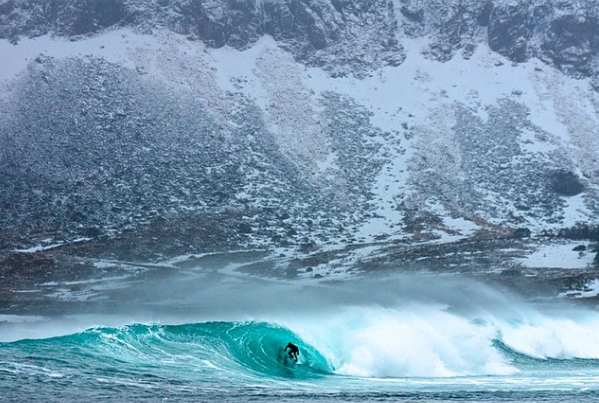
For most people and even some surfers, surfing is done in warm sunny weather, but some of the best surfing spots are in places with fridged waters. Cold-water surfing is popular in many countries, and well-traveled surfers visit these spots to experience their thrilling and icy waves. Canada, Russia, Norway, and Scotland are known for their cold weather and surf spots that challenge surfers worldwide. Oceans in these countries have water temperatures that go as low as 28°F and waves that reach 18 feet, which provide a thrilling experience for many surfers. Surfing in icy water with high winds and enormous waves is something every surfer must consider doing at least once. Surfers all around the globe seek out challenging locations where they can ride massive waves and face harsh weather conditions to take their surfing skills to the next level. Discovering The Thrills Of Surfing In Unforgiving Environments Surfing in frigid waters may seem like a crazy idea and not something any surfer will attempt, but there are beautiful places where the rush and excitement make the cold water an afterthought. If you love surfing and are considering experiencing cold-water surfing, you will love some of these places and why it attracts surfers worldwide. Tofino, Canada Tofino is known for its surfers, who tackle the cold ocean daily. Temperatures in Tofino can drop to as low as 29°F, but typically the water temperature is around 40°F during winter and 50°F during summer. Winter Temperatures outside go from 38°F, and in the summer, as high as 67°F. Like most cold-water surf spots, the summers in Tofino are short, with clouds blocking most of the sun, and the winter is rainy and overcast, with high winds that last most of the year. If you love cold-water surfing, consider visiting Cox Bay and Chesterman Beach in Tofino. Both surfing spots are a favorite of locals and visiting surfers. Cox Bay Cox Bay is the number one surf spot to visit in Tofino and attracts beginners who tackle the waves closer to the shoreline and pro surfers who ride the long and large waves year-round. The swells draw longboard and shortboard surfers from everywhere, and it is the largest surf spot in Tofino. Chesterman Beach Chesterman has a north and south beach, although most surfers prefer North Chesterman Beach, which produces waves throughout the year. Both beaches are in the eyesight of one another, and surfers can easily spot which one has the best waves. Chesterman Beach attracts pros and beginners, although its calmer waters are best suited for those less experienced. Thurso, Scotland Thurso in Scotland is the northernmost town on the island of Great Britain, and the temperature requires wearing everything available to survive the cold waters. With the ocean reaching 43°F in the winter and 57°F in the summer, every surfer is tested by the cold waters and the waves. The big waves that break inside the bay are called “Coldwater Nias” by locals, and it is a big attraction for surfers visiting around the world. If the water temperature does not test your courage, it’s air temperature that goes as low as 35°F in the winter and a maximum of 61°F in the summer defiantly will. The summers in Thurso do not last long, and it is windy and cool. The long winter has high wind conditions, and it rains most of the time with cloudy skies year-round. If cold weather does not faze you, you must consider these local spots in Thurso on your next surf outing: Thurso East Thurso East is located on the coastline of Highland’s Caithness and faces the North Atlantic. Taking on these waters requires wearing a 4,5, or 6mm wetsuit and not forgetting boots, gloves, and a hood. The waves reach heights between ten and twenty feet, producing long walls and excellent tubes. Brimms Ness If you go west, you will find Brimms Ness, the surfing capital of Thurso. Brimms Ness is a Norse meaning “surf point,” the name says it all. Brimms Ness has three surf locations: The Bowl, The Cove, and The Point, providing the best waves from September through May. Lofoten Islands, Norway Lofoten Islands in Norway is more than 500 miles north of Oslo and home to one of the coldest surfing spots in the world. The Norwegian Sea produces large waves and cold temperatures that test the endurance of surfers year-round. In Lofoten Islands, summer temperatures reach between 53°F and 59°F in July and August. The winters, with February as the coldest month, sometimes go as low as 28°F and average a maximum of 34°F. Lofoten Islands waters are warmest in July and August and, at their highest, reach a maximum temperature of 53°F in July. Here are two spots in Lofoten that provide the best cold-water surfing conditions: Eggum Eggum produces great waves, especially when the northwest swells approach the beach and when there is a strong wind from the south. There are no high mountains that make for great scenery, but without protection from the wind, it creates mushy waves that are great fun to ride. Unstad Unstad’s increasable scenery has surfers worldwide buzzing and pros flocking to enjoy the beautiful coastal mountains and shoreline covered with spots of snow. In mid-winter, surfers enjoy swells between five and eight feet, and onlookers visit to see famous surfers battling the icy waters. Kamchatka Peninsula, Russia The Kamchatka Peninsula, located in the far eastern part of Russia, is where the Pacific Ocean and the Sea of Okhotsk meet and is home to one of the best cold-water surfing spots in the world. Surfers can use thin wet suits with the ocean reaching 59°F in the summer. When water temperatures are between 32°F and 36°F in wintertime, having a thicker wetsuit, boots, and gloves is a good idea. The Kamchatka Peninsula has summer days that range between 59°F and 86°F during the day, which makes for good surfing. From November to March, with January, the coldest Kamchatka Peninsula … Read more

Surfing In Australia: The Ultimate Guide

Surfing In Australia

Home to gigantic swells and gentle tides, Australia is a surfing mecca for thrill-seeking pro-surfers and beginners alike with legendary beaches ranging from the iconic Rip Curl Pro Bells Beach with its 16 feet swells to sun-kissed Bondi Beach, with its laidback surfing lifestyle.

Australia is a prime surfing destination due to the island’s massive swells that travel from Antarctica and all-year-round surf-friendly weather. It features world-class beaches like Noosa Heads, Bells Beach, Treachery Beach, Crescent Head, The Pass, Duranbah, and Superbank on the Gold Coast.

 This article covers everything you need about Australia’s surfing history, lifestyle, tournaments, and championships, including excellent surfing spots and surprising hidden gems. So, if you are rearing to go – read on!

Surfing In Australia: Facts You Need To Know

With roughly 2.5 to 3.5 million active surfers in Australia, and a wide range of excellent surf breaks spanning from Sydney to Torquay, surfing is a popular sport with an intriguing past.

Australia’s Colorful Surfing Past

There is much debate about the true origins of surfing in Australia. Hawaiian Duke Kahanamoku is credited for introducing Aussies to surfing Down Under back in 1914 and demonstrated an impressive tandem surf with 15-year-old girl Isabel Letham in 1915.

Thanks to US lifeguards, Malibu boards became trendy in 1956. Australian Bob McTavish designed the first V-bottom surfboard in the 1960s, a game changer in the surfing scene.

The first Quicksilver board shorts were created in 1969 by two Torquay surfers who started making these boards in their garage, and the iconic Gold Coast Billabong brand was launched in 1973.

Australia has produced many ASP world champions like Tom Carroll, Chelsea Georgeson, Wayne Bartholomew, Wendy Botha, and Sally Fitzgibbons. And the likes of Mick Fanning, who won an impressive four Rip Curl Pro surfing titles, to name but a few.

Why Australia Is A Premier Surfing Destination

As the birthplace of iconic brands like Billabong, Quicksilver, and Rip Curl, surfing is an integral aspect of the Australian coastal lifestyle and culture. So, it is a prime surfing destination.

This premier surfing status is underscored by the fact that three World Surf League Championship titles are based in Australia, namely the Rip Curl Pro Bells Beach, the Drug Aware Margaret River Pro, and the Quicksilver Pro Gold Coast events.

Other major surfing tournaments include the Men’s Samsung Galaxy Championship Tour, Breaka Burleigh Pro, Australian Open of Surfing, Australian Boardriders Battle, the Noosa Festival of Surfing, and the Beachley Classic.

Where To Find The Best Surf In Australia

If you are looking for the best surf spots, including some hidden gems – look no further! Here is a run-down on Australia’s best-kept secrets.

Crescent Head, New South Wales

Situated north of Port Macquarie on this 15.5-mile-long coastline, dotted with four excellent right-hand point breaks, and breathtaking rides up to 650ft, Crescent Head is hands down one of the best places to surf Down Under, so expect to jostle for space at this popular surfing spot.

The Gold Coast, Queensland

Even though surfers are spoilt for choice in Queensland, the Gold Coast, home to some of the best suffers in the world, is considered a surfing paradise with its sandy beaches and excellent waves at the likes of Snapper Rocks, Surfers Paradise, Narrow Neck, and Rainbow Bay.

Bells Beach, Victoria

The iconic Bells Beach, with powerful, gigantic swells reaching over 16 feet, is located near Torquay.

Bells Beach is also home to Australia’s oldest and most renowned surfing event, the Rip Curl Pro, which dates to 1962, so it’s clear why it is considered one of the best surfing spots in the world.

Sydney’s Northern Beaches

With a stunning 7.5-mile-long coastline that stretches from Manly to Palm Beach, the Northern Beaches are some of Sydney’s popular surfing spots.

Although the iconic North Narrabeen beach is the busiest, the coastline extends over 1.9 miles, and you can ride some massive waves at the legendary Long Beef Bommie.

Treachery Beach, New South Wales

Located at Seal Rocks, Treachery Beach, which is tucked away from all the crowds, is a hidden gem. And it’s hard to believe that this prime surfing destination with its powerful southerly swells is not well known. So, best keep it that way!

The Pass, Byron Bay

This list of the best Australian surfing spots would be incomplete without mentioning Byron Bay, with an abundance of excellent beaches like The Pass, situated near Clarkes Beach, with some of the best waves in Australia.

Noosa Heads, Queensland

With some of the best longboard breaks in the world for pro-surfers and tranquil spots in between for those new to surfing, Noosa Heads cater to all abilities.

Surfing in Australia

Exploring Australian Surf Culture

Australia’s iconic surf culture started in the ’60s when bohemian surfers like Rip Curl founders; Brian “Sing Ding” Singer and Doug “Claw” Warbrick formed tight-knit surfing communities in Victoria, Torquay, and other coastal towns.

The 60s is considered surfing’s golden age for those who wanted to escape city life and enjoy a laidback lifestyle with cheap communal house rents ($20 per week) and shared vegetarian meals.

Thus, it is no surprise that this entrenched Australian surfing culture reverberates today, with avid surfers prioritizing surfing above all else by moving to coastal areas or traveling up and down the coast looking for the best point breaks.

To illustrate how sought after the surfing lifestyle is in Australia, areas like the Gold Coast in Queensland have more active surfers per capita than any place in the world.

For instance, Coolangatta is home to legendary world-class surfers like Mick Fanning, Joel Parkinson, and Stephanie Gilmore, and the annual Quicksilver Pro Gold Coast surfing competition has been held there since 2002.

However, the Gold Coast also features the renowned Superbank, a partially artificial beach formed in 2007 with a 1.2-mile-long coast and the fastest and longest hollow surfing waves on earth.

The Gold Coast also offers a stellar lineup of competitive events in Duranbah, Superbank, and Burleigh Heads. It’s clearly a surfer’s paradise!

Best Time To Surf In Australia: A Seasonal Guide

Even though Australia’s climate varies dramatically, depending on where you are, the weather is sunny or humid during the summer and mostly dry in the winter.

So, if you are planning a trip to Oz, you will be happy to know that there’s no official surfing season, and it’s an all-year-round surfing destination for stellar waves.

Albeit, we all know that weather conditions can be inconsistent, and this is true for the hot Australian summer season, with average water temperatures reaching 79-82°F from December to February when the cyclone season kicks in with epic waves for at least a week.

However, if you plan on going Down Under during the summer, be prepared for crowded waves and steep tourist prices as it is the peak travel season.

Pro-tip: If you want to enjoy pumping swells, offshore winds, warm water with far fewer crowds, and better prices, book your trip in Autumn between March and May.

Alternatively, consider visiting Australia during the winter months from June to August. Even though the average water temperature is 66-72°F, it’s still a great time to surf. While spring is less consistent weatherwise, it’s still worth a visit.

The Australian east coast water is also far warmer than the south coast, so you can surf there without a wetsuit in the afternoons, even during mid-winter if it’s not a windy day or early on a winter’s morning (when you will need a long sleeve wetsuit).

Surfing in Australia

Top Surf Spots In Australia: Map And Details

While there are so many excellent surf spots Down Under, the following world-class beaches stand out. Here are some of the top surf spots in Oz, including maps to get there.

The Gold Cost

The Gold Coast is a surfer’s paradise, commonly known as Australia’s land of milk in honey, with iconic swell slams on beaches ranging from the legendary Coolangatta and Snapper Rocks to Kirra.

Click here to find a map of the top surf spots on the Gold Coast.

Bells Beach

Home to the annual Rip Curl Pro, Bells Beach, located along the breathtaking Great Ocean Road, and a minute’s drive from Melbourne, thoroughly deserves to be included on this list of the top surf spots in Oz.

Click here to find the legendary Bells Beach.

Byron Bay

This laidback coastal town is a trendy hangout spot for surfers, hippies, and hipsters, with a wide array of beginner-friendly beaches with private and group surfing lessons on the main beach, including Wategos Beach and Tallow Beach.

Click here to explore the top Byron Bay beaches.

Bondi Beach

Sydney’s Bondi Beach and its postcard-perfect beaches and relaxed lifestyle need no introduction. It caters to surfers of all ability levels with beginner-friendly swells and excellent right-handers in areas like South Bondi.

Click here to find the top surf spots in Bondi Beach.

Beginner-Friendly Surfing Destinations In Australia

Australia is ideal if you are looking for beginner-friendly surfing spots with excellent surf- schools, as there are so many to choose from.

If you are first time surfer, avoid beaches with massive swells or vortex barrels, and opt for beaches with lifeguards, white-water waves, and gentle tides like the following beginner-friendly beaches:

  • Anglesea in Victoria
  • West Beach in Western Australia
  • Tathra Beach in New South Wales
  • Middleton Beach in South Australia
  • Clarkes Beach in Byron Bay, New South Wales
  • Dicky Beach on the Sunshine Coast in Queensland
  • Crescent Head in New South Wales (with Kempsey-Crescent Head Surf Club flags)

Australia Surf Camps: What To Expect

Booking a surf camp is the most convenient way to travel to Australia, as the organizers take care of all your basic needs. You don’t have to worry about booking accommodation, transfers, lessons, or hiring surfing gear, or in some instances, airport transfers and meals.

With so many excellent Aussie surf camps, it’s often difficult to choose, so check out their latest reviews to find the right one.

The Best Surf Towns In Australia

Considering that 90% of Australia’s population lives close to the coast, the best surf towns are, depending on your location, a fun road trip away.

If you are planning your trip Down Under, here’s a brief overview of accommodation, dining, getting around, and other vacation activities.

Accommodation

Like most parts of the world, popular Aussie coastal cities are more expensive than small towns, so bear that in mind when shopping for accommodation.

Australia is a prime backpacking destination, so if you are traveling on a tight budget and prepared to “rough” it a little, you can expect to pay roughly 15 USD per night for a dorm room.

You can also stay at a budget-friendly campsite which typically costs 10-20 USD per night.

There are also lots of surfer-friendly hotels, particularly on the Gold Coast, with budget-friendly double room rates.

Food And Dining Out

Food is expensive in Australia, so you can expect to pay roughly 12 USD for fast food and 6-9 USD for a basic sandwich. If you are prepared to cook your own meals, it should cost you roughly 80 USD per week.

Australia also offers world-class restaurants and some of the best fresh seafood on the planet!

Getting Around

Even though taxis and trains are relatively expensive, Australia’s public bus system is affordable. Thus, getting around is easy, particularly on the east coast, where buses run between the major cities.

Another budget-friendly way to get around is by sharing rides with fellow travelers. So, if you plan on staying at a hostel, check the bulletin boards for rideshare posts.

Activities And Upcoming Events

Australia is a massive country that offers many fun activities that cater to adrenaline seekers, with abseiling, shark-cage diving, and river rafting, including wildlife enthusiasts with excursions to koala wildlife sanctuaries.

If you want to make the most of traveling all the way to Australia, check out the following, not to be missed upcoming events.

Conclusion

This ultimate guide to surfing proves that Australia is a dream come true with world-class beaches ranging from the legendary Gold Coast and the iconic Bells Beach to hidden gems like Treachery Beach that cater to beginners and pro-surfers alike with gentle tides and thrilling rides.


Feed Your Stoke. Join the Surf Hungry Crew

Surf tips, gear reviews and travel guides straight to your inbox

"*" indicates required fields

Privacy*
This field is for validation purposes and should be left unchanged.