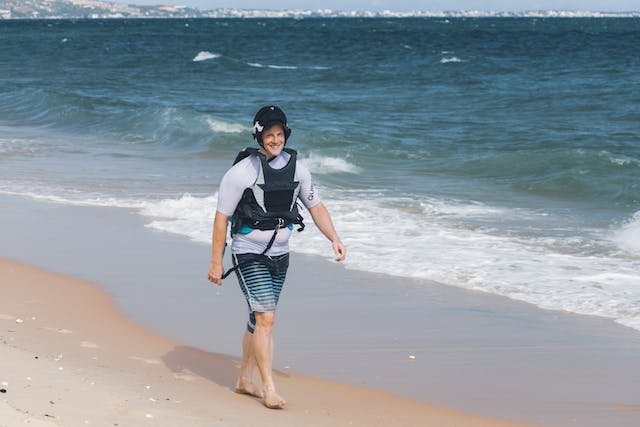
Mastering Kite Tricks For Beginners

Kitesurfing is an extreme sport that’s growing at a tremendous rate. Equipment manufacturers and retailers report an average annual growth in sales of over 14%, and it’s expected to grow even more! And that’s with good reason – it’s one of the most exciting sports you can participate in. But what should you know if you want to take up kiteboarding and learn some beginner kite tricks? Beginners can master basic kite tricks, but they should get the best equipment and take all the necessary safety precautions. Getting a professional trainer is also a good idea, especially if you’ve never kitesurfed before. Also, note that the sport can be frustrating initially, but it gets easier. If all of that seems a bit daunting, don’t worry. We will go through everything you should know to master kite tricks, whether you’ve kitesurfed before or not. Whether you’re an absolute beginner kitesurfer or already took to the waves a few times, work through this guide, and you will be performing tricks in no time. Learning The Basics: Kite Tricks For Beginners Kite surfing is an exhilarating water sport that combines the incredible thrill of surfing with the power of a kite. While riding the waves is exciting, learning kite tricks can take your kite surfing experience to a new level. It’s great for showing off your skills and having fun, but it’s also a way to pass the not-so-good days since you can take those times to practice your moves. But you should consider some essential things before practicing your first tricks. Let’s go through them. The first thing to consider is safety. If you can, try to get training from a professional instructor, but at the very least, you should always wear a well-fitted harness and helmet. It’s also important to mind the weather and not attempt kitesurfing in adverse weather conditions. Maintain a reasonable distance from other people to avoid injury on either side. When you embark on your kite trick journey, you’ll need some essential gear: Kite: Choose a kite suitable for your skill level and the prevailing wind conditions. Beginner-friendly kites are generally more stable and forgiving, so don’t go for a premium product if you’re just starting. Control bar: The control bar is your connection to the kite and allows you to control its movements. It’s essential to have one that you can use and grip comfortably. Harness: A kiteboarding harness distributes the kite’s pulling force across your body, reducing strain on your arms. Safety leash: A safety leash attaches you to the kite, allowing you to release it quickly. Wetsuit: Wear a wetsuit or rash guard (depending on the water temperature) to stay comfortable and protected. Board: Select a kiteboard that suits your weight, skill level, and riding style. Before attempting kite tricks, having a solid foundation in kite control and movement is crucial. A professional instructor can guide you through these, but you should focus on launching and landing the kite, adjusting its power, steering, and body dragging. Once you understand basic kite control, it’s time to dive into some beginner-friendly kite tricks. Here are a few maneuvers that are great to start with: Jumping: Begin with small jumps and gradually increase height as you become more comfortable. Focus on maintaining control and a smooth landing. Sliding turns: Practice carving turns by shifting your weight and edging the board to slide across the water. Backrolls and front rolls: These are rotational jumps that involve spinning backward or forward while in the air. Start with slow rotations, then gradually progress to faster spins. As you get better at beginner-level kite tricks, you can explore more challenging moves, such as kite loops, handle passes, unhooked tricks, board-offs, front-flips, backflips, and multiple spins. But it’s vital to remember that mastering intermediate and advanced kite tricks requires practice, dedication, and gradual progression. Always prioritize safety, and don’t hesitate to seek guidance from experienced kite surfers or professionals to learn proper techniques. Kitesurfing Trick List: Mastering The Art Of Kite Tricks Now that you have an understanding of the different levels of kite tricks and how to progress let’s explore a comprehensive list of tricks across various skill levels: The Different Types Of Kitesurfing Tricks Kitesurfing tricks can be categorized into three main levels: Basic Tricks Jumping and landing with control Sliding turns and carving Basic grabs (for example, the Indy grab and tail grab) Riding toeside Downwind drag Intermediate Tricks Front roll and back roll jumps Basic handle passes (for example, the 180 pass) Unhooked jumps and rotations Kiteloops Surface handle passes (such as the surface pass and surface handle pass 360) Advanced Tricks: Advanced handle passes (for example, 360 handle pass and kite loop handle pass) Advanced unhooked tricks (like the blind judge and KGB) Powered tricks (for example, the kite loop handle pass with power and the mega loop board-off) Advanced rotations (such as the double backflip and the front loop 720) Remember, there are countless variations and combinations of tricks to explore. The key is to challenge yourself while maintaining a safe and progressive approach to learning. That last point is crucial: progression. You have to work your way through the tricks gradually. Don’t attempt an advanced kite trick if you haven’t mastered the basic and intermediate tricks yet, because the advanced tricks build on the foundations laid by the basic ones. Tips For Practicing And Improving Kite Tricks Here are some tips to help you progress: Set goals. Identify specific tricks you want to learn and break them down into manageable steps. Focus on one trick at a time and build up gradually. Practice regularly. Consistency is key. Dedicate regular practice sessions to kite tricks to build muscle memory and improve your technique—practice in different wind and water conditions to adapt to various scenarios. Film yourself. Use a waterproof action camera or ask a friend to record your sessions. Reviewing your performance will help identify areas for improvement and refine your technique. Seek feedback. Connect … Read more